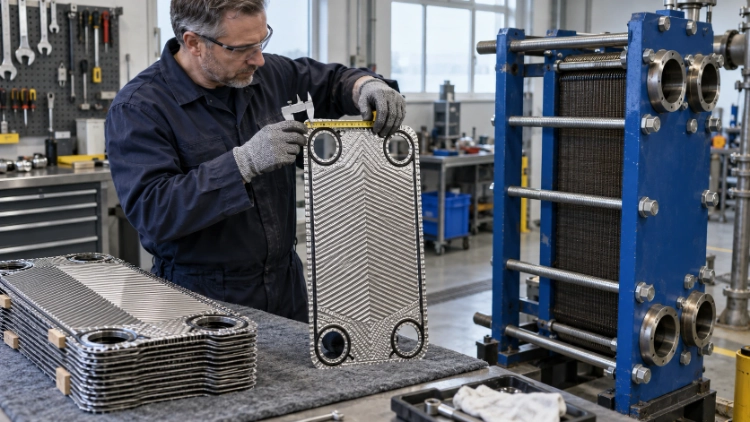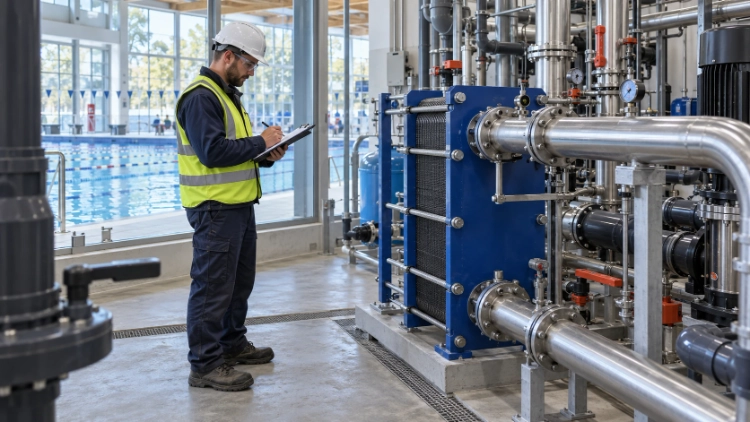

Loss of thermal performance of a plate heat exchanger prior to mechanical failure can occur. An increase in pressure drop, decrease in heating or cooling duty, or even leakage may be due to fouling, blocked channels, incorrect assembly or aging of the sealing parts. It is not always necessary to increase duty by raising pressure by increasing pump-inlet-pressure. Most components can be cleaned correctly and only those parts that are no longer fit for service need to be replaced. Operating symptoms first must be established and then the plate pack can be inspected.
Grano provides support and maintenance services for the products in HVAC, industrial cooling, food industry, petroleum and petrochemical industry and many other fields. Moreover, Grano also provides spare parts and maintenance services for projects that require not only equipment but also a workable plan for future maintenance.
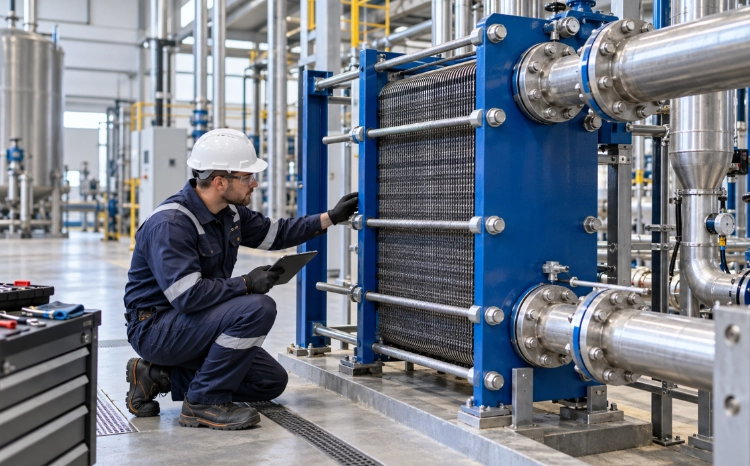
Why Does a Plate Heat Exchanger Lose Efficiency Over Time?
Many faults give rise to similar problems. Maintenance should concentrate on the fluid passes and check the exchanger for mechanical damage before fixing for a particular fault.
Fouling and Scale as Primary Performance Losses
Scale is one of the primary causes of reduced performance of heat transfer. Poorly controlled water can contain high levels of calcium, magnesium and carbonates which can deposit on a heat transfer surface. Such scale is a poor conductor of heat, thereby creating additional thermal resistance between the process fluid and the metal plate. In addition to this, energy is also wasted as it cannot be transferred.
A simple heat exchanger maintenance check list may cover water quality, visible fouling, cleaning history and any change in operational performance. If the process fluid contains solid particles these can block narrow channels in a heat exchanger.
Flow and Plate Arrangement Problems
The corrugations on the plates not only give them structural strength, but they create turbulence in the fluid which enhances heat transfer. In a detachable unit, the A and B plates have to be mounted in the correct manner. The wrong way round or connected in the wrong flow direction can result in a totally different flow route with consequently reduced thermal performance.
Before putting the new plant into operation, also clean all pipes which are connected to the inlet of the plate pack of sand, gravel and welding slag etc. A clean plate pack can become a blocked plate pack within the first operating cycle.
Gasket, Plate, and Clamping Faults
Gaskets between adjacent plates complete the seal at the perimeter of individual plates and create the seal area for the fluid. Various problems cause leaks. Plates are cracked or corroded, are too thin and flex excessively, or are clamped unevenly by bolts. Old gaskets, uneven gasket thickness, or off-center compression of gaskets can also cause problems.
How Can You Tell When a Plate Heat Exchanger Is Losing Efficiency?
Useful indications of trouble are deviations from normal operation of a unit. Comparison with previous records for temperature, flow and pressure is more meaningful than for single values.
Rising Pressure Drop and Restricted Flow
A gradually increasing pressure drop on a heat exchanger can indicate dirty channels. Media, particles, debris, scaling or even a complete blockage will reduce the effective flow area. It makes sense to use pressure drop as a starting point for troubleshooting instead of immediately changing the pump or accusing the heat exchanger of being too small.
Check Filtration, Fluid Quality and recent Operating Changes as well.
Reduced Heat Transfer and Unstable Operating Performance
When the outlet temperature fails to reach its normal setpoint ask yourself some simple practical questions: Has the flow changed? Has the medium changed? Is there scaling visible? Has the unit recently been opened and reassembled? Are the connections for hot and cold correct?
Performance losses in heat transfer can be caused by fouling, by unsatisfactory distribution of the flowing fluids, by an unfavorable plate arrangement and by mechanical defects. Several indicators of operation are more informative than the temperature alone.
Pre-Maintenance Inspection and Condition Recording
Take note of the current compression length of the plate pack prior to disassembly. Inspect the plates for signs of cracking, perforation, pitting and distortion. Inspect the gasket grooves and seal surfaces as well.
For recurring issues a heat exchanger maintenance checklist should include information about cleaning, pressure-drop over time, findings from the inspection, gasket changes and plate replacements.
What Maintenance Steps Can Restore Plate Heat Transfer Performance?
Once the likely cause of reduced heat exchanger performance has been identified, select the maintenance method accordingly. Fouling may require cleaning, damaged plates or deteriorated gaskets may require replacement, and assembly-related problems require inspection and correct reassembly.
Flushing and Descaling the Plate Pack
Initial flushing of scaled units is required to remove loose mud and other deposits prior to a controlled chemical cleaning sequence to dissolve and remove harder scale. A typical chemical cleaning procedure uses static acid soaking for 2 hours followed by dynamic circulation for 3-4 hours with forward and reverse cleaning alternated every 0.5 hour. Alkali is used for neutralization after which the unit is rinsed repeatedly with clean softened water over a 0.5 hour period.
Note: This is not a recipe to be strictly followed. The compatibility of the cleaning chemistry with the plate and gasket materials as well as the deposit left behind must be ensured. The main criterion of a safe cleaning of heat exchangers is the removal of deposits without creating any corrosion or sealing problems.
Cleaning and Correctly Reassembling the Plates
Clean the corrugated surfaces and gasket grooves of the unit after opening it. Be sure to clean all surfaces carefully to avoid scratching them when removing old gasket material. Make sure the new gasket is seated properly without becoming distorted or loosening.
In reverse disassembly, use even and symmetric force to tighten the clamping parts while ensuring the plates are parallel. Reinstall each plate in the correct sequence and orientation according to the manufacturer’s approved plate arrangement. Verify gasket positioning, plate alignment, and the specified tightening dimensions before testing. Perform a pressure test after maintenance to check if it is alright to put the exchanger back into service. After reassembly, perform the specified pressure or leakage test using the approved test pressure, test medium, holding time, and acceptance criteria for the particular heat exchanger before returning it to service.
Replacing Worn Plates, Gaskets, and Clamping Components
Cleaning cannot fix a cracked or perforated plate, or a plate that has been severely deformed or corroded. Similarly, aged or misshapen gaskets that no longer sit correctly cannot be cleaned and remain serviceable.
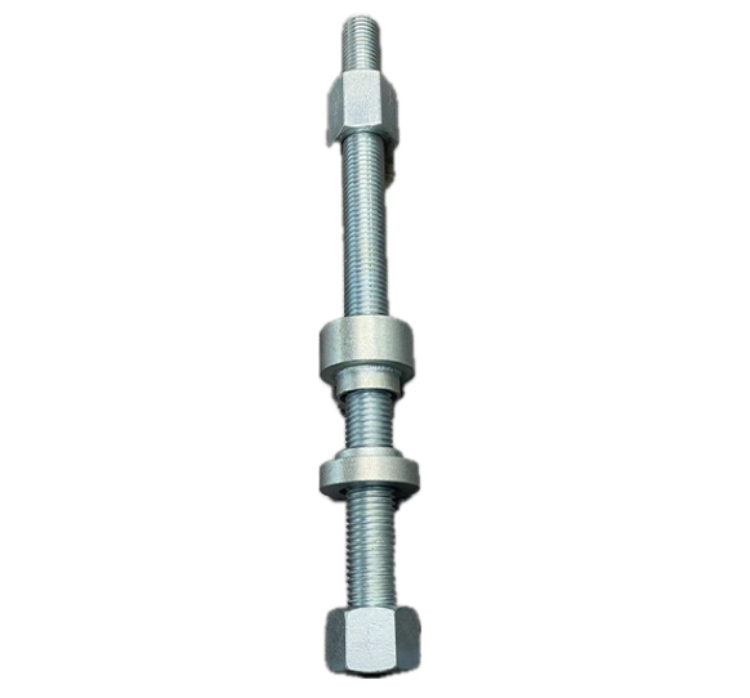
Grano’s PHE Tie Bolt can be of interest if a detachable unit part needs to be replaced by new clamping equipment during maintenance or assembly. The current product range includes several different sizes of tie bolts. Prior to ordering check dimensions, compatibility with other equipment, required material and also the required tightening.
When Is It Better to Maintain, Retrofit, or Replace a Plate Heat Exchanger?
A plate heat exchanger affected mainly by fouling may be restored through cleaning, while a unit with cracked plates, recurring leakage, or operating conditions beyond its design limits may require component replacement, retrofit, or complete replacement.
Keep the Existing Unit When Fouling Is the Main Problem
Clean the plate pack if scaling or debris is the problem and the other components such as the plates, gaskets, frame and clamping parts are in good condition. Detachable designs allow for easy maintenance of the plate pack by personnel.
A good cleaning of a heat exchanger can restore flow passages through the exchanger and remove stubborn deposits. It’s better to check if the cleaning has in fact solved all problems of reduced performance and not to rely solely on cleaning of unused exchanger parts.
Replace Damaged Components Before Replacing the Complete Unit
Even if damaged parts of the heat exchanger frame are found during the inspection, it might be more economical to replace individual parts like heat exchanger plates, gaskets, bolts etc. instead of the whole frame. As supplier of heat exchanger plates, gaskets, bolts etc. Grano also offers all necessary maintenance support as separate components.
Before ordering confirm: Equipment identifier, Plate layout, Gasket type and material, Connection details, and any Inspection results. A part that looks very similar is NOT automatically compatible.
Choose a Grano Plate Heat Exchanger for Serviceable Applications
For a new installation or retrofit where regular inspection and cleaning are part of normal operation, Grano’s Plate Heat Exchanger is worth considering. Its corrugated plates create narrow flow channels and turbulence for heat transfer, while the detachable frame allows the plate pack to be opened for cleaning and inspection. Available material options include stainless steel, titanium alloy, and carbon steel, with the heat exchange area configured according to project needs.
Start selection with fluid type, flow, inlet and outlet temperature, pressure, drop allowed, fouling and space for maintenance. This is far more relevant for establishing a proper gasketed PHE maintenance plan than selecting based on size of the equipment.
When Should You Seek Professional Plate Heat Exchanger Service?
A maintenance plan for a gasketed PHE should be able to differentiate between regular checks and more severe problems like severe scaling, recurring leakage, damaged plates or unknown re-assembly conditions and require controlled maintenance support for these cases.
Professional Cleaning and Descaling Support
Grano provides plate heat exchanger service in cleaning, maintenance, parts as well as technical support. Disassembly of the plate pack for cleaning, inspection, gasket work etc. as well as subsequent testing after maintenance can be of great value. A professional heat exchanger maintenance checklist will then link the cleaning results with the original pressure and temperature problems.
Parts and Clamping Hardware Support
Work can be halted due to a missing part required for repair of a maintenance job. Grano provides heat exchanger parts such as plates, gaskets and bolts as well as other related accessories. Our PHE Tie Bolt range is also designed to allow for the replacement of the tie bolt clamping hardware as required by the installed configuration.
Order parts for planned maintenance from actual equipment information, not from similar-looking bolts or gaskets. Material compatibility and correct assembly are part of the repair.
Technical Assessment and Contact
If your unit shows rising pressure drop, reduced heat transfer, repeated leakage, or uncertainty after cleaning, prepare the equipment model, fluid information, operating temperatures, flow conditions, pressure readings, plate and gasket details, photos, and recent inspection records. These details help a technical team assess whether cleaning, component replacement, retrofit, or a new unit is appropriate. You can contact Grano with the relevant equipment information.
FAQ
How Often Should a Plate Heat Exchanger Be Cleaned?
There is no single cleaning interval for every installation. Base the schedule on fluid quality, fouling tendency, operating hours, pressure-drop changes, leakage history, and previous cleaning results. A change from normal operating conditions is often a better trigger than a fixed calendar date.
What Causes Pressure Drop to Increase in a Plate Heat Exchanger?
Most pressure drop problems are caused by scale, particles, debris or blocked flow channels. Check the fluid, the filtration and the plate surfaces before blaming the pump or concluding that the exchanger is too small. This is the core of practical pressure drop troubleshooting.
Can a Plate Heat Exchanger Be Repaired Instead of Replaced?
You can replace parts such as damaged plates, worn gaskets or worn clamping parts as required. It is best to inspect and test pressurise the equipment to see if it is suitable for continued use and then replace like with like.