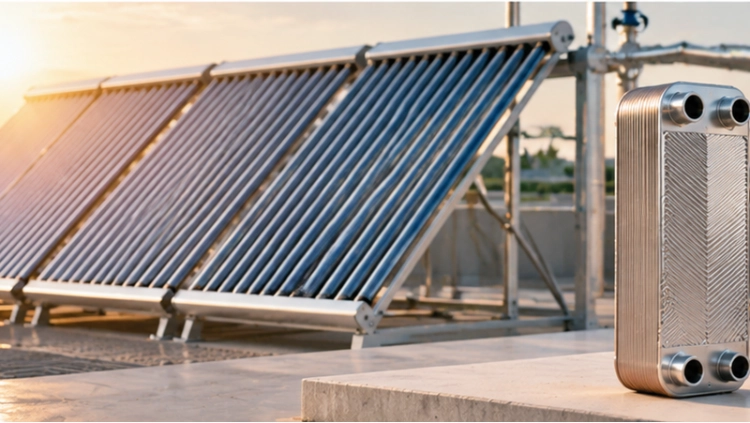
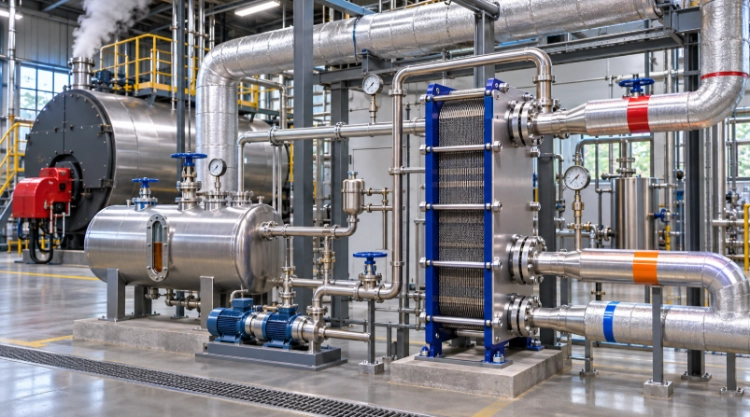
Avoid undersized or poorly protected systems by sizing the glycol heat exchanger for cold startup, hot storage, freeze protection and no-demand conditions.
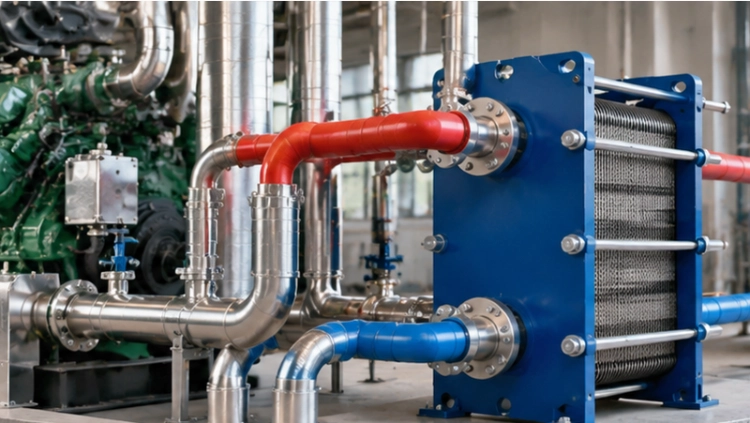
Prevent engine cooling problems while recovering biogas CHP heat by planning the secondary load, coolant limits, plate exchanger duty and excess-heat control.
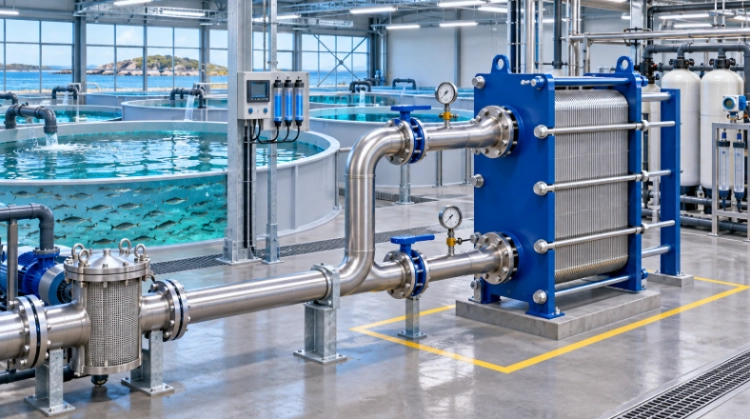
A marine hatchery exchanger can disrupt tanks during cleaning. Trace seawater and utility loops, fouling risks and maintenance access before sizing.
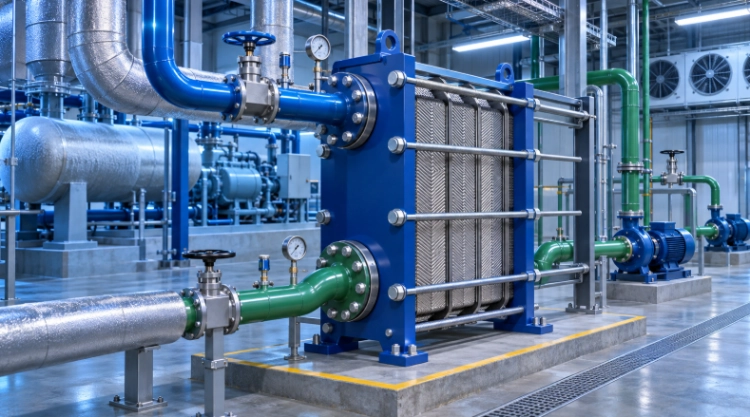
Ammonia secondary cooling needs reliable heat transfer without freezing the loop. Review load, seals, plate access and maintenance before specifying a unit.
A plate exchanger may waste value if clean condensate can return to the boiler. Check the return route, contamination and receiving water demand first.
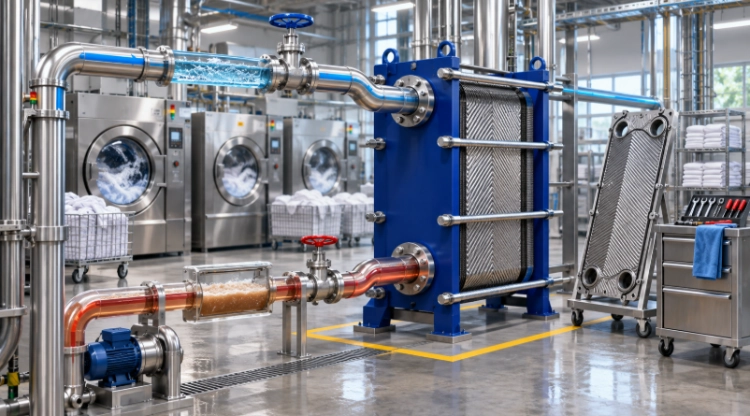
Laundry drain heat varies by shift and carries lint. Survey flows, screen debris and specify a serviceable plate exchanger before sizing recovery.