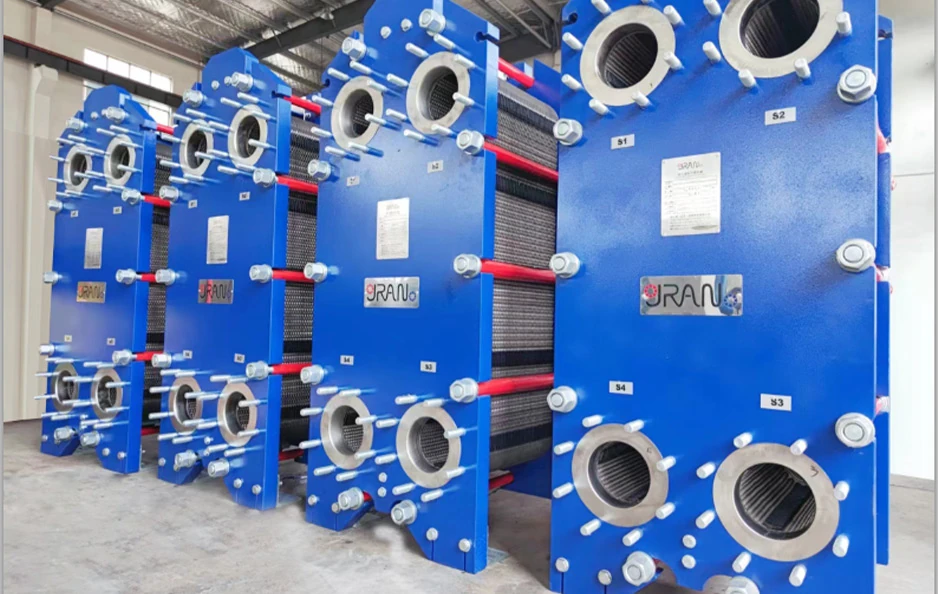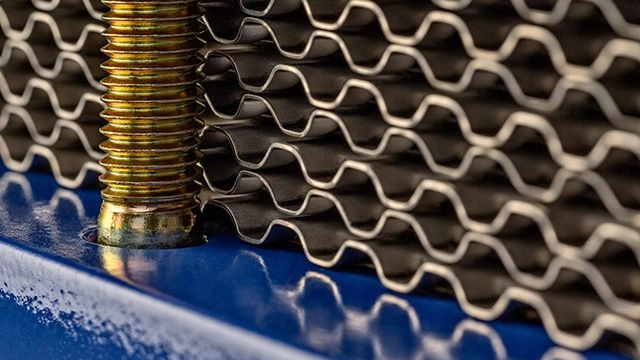

An industrial condenser should be selected from the duty sheet, refrigerant or process-vapor conditions, cooling-medium quality, allowable pressure drop, fouling exposure, maintenance access, and installation constraints. A plate-based configuration is suitable only when those project-specific conditions match its verified operating limits. Grano‘s plate heat exchanger, brazed plate heat exchanger, and fully welded plate heat exchanger pages describe product families that may be evaluated for condenser duty; they are not blanket substitutes for every industrial condenser. Confirm the intended condensing service, materials, design code, and operating envelope before procurement.
Which Operating Conditions Define The Plate Heat Exchanger Requirement For An Industrial Condenser?
The first review should establish what the condenser must do across every expected operating case. Nominal capacity alone cannot show whether a plate heat exchanger will remain stable when vapor load, cooling-medium temperature, non-condensables, flow, or pressure changes.
How Do Heat Load And Temperature Conditions Affect Condenser Selection?
Record the required heat duty, condensing or process-vapor inlet conditions, condensate outlet conditions, cooling-medium temperatures, fluid properties, and flow rates. Define the temperature approach, vapor quality or dryness fraction where relevant, non-condensable content, and allowable pressure drop. If conditions change by season, production rate, or product grade, include those cases before sizing begins. Incomplete data can produce a unit that meets one nominal point but misses the required condensing duty elsewhere.
Why Do Cooling-Medium Quality And Flow Matter?
Cooling water may contain suspended solids, treatment chemicals, minerals, or biological contaminants. These inputs affect material compatibility, channel selection, fouling allowance, cleaning frequency, and pressure drop. Flow stability also matters: poor distribution, low velocity, or variable flow can change heat transfer, condensate drainage, and hydraulic behavior. Include seasonal cooling-medium temperatures and water-quality data in the plate heat exchanger selection basis.
How Should Allowable Pressure Drop Be Reviewed?
A condenser can meet the thermal duty yet create too much hydraulic resistance. Set pressure-drop limits against available pump or compressor capacity, control-valve requirements, and the rest of the circuit. For condensing vapor, account for pressure loss on the vapor side because it can affect saturation temperature and system control. Request checks at design, normal, minimum, and relevant transient flows rather than accepting one full-load value.
How Do Fluids, Pressure, And Temperature Narrow The Plate Heat Exchanger Choice?
Once the duty is clear, narrow the configuration by examining chemical compatibility, phase behavior, mechanical conditions, and the consequences of a leak or cross-contamination. These checks should cover both fluid circuits and every material that contacts them.
What Should You Check About Fluid Compatibility?
Identify the process fluid, refrigerant or process vapor, condensate, cooling medium, concentration, contaminants, and cleaning chemicals. Then review the proposed plate, gasket, braze alloy, weld metal, frame, and connection materials against that combination. Compatibility should reflect actual temperatures, pressures, concentrations, and cycle frequency, not a generic fluid name. Ask for written material details, corrosion assumptions, and leak-detection provisions before procurement.
When Is A Gasketed Plate Heat Exchanger A Suitable Candidate For Condenser Service?
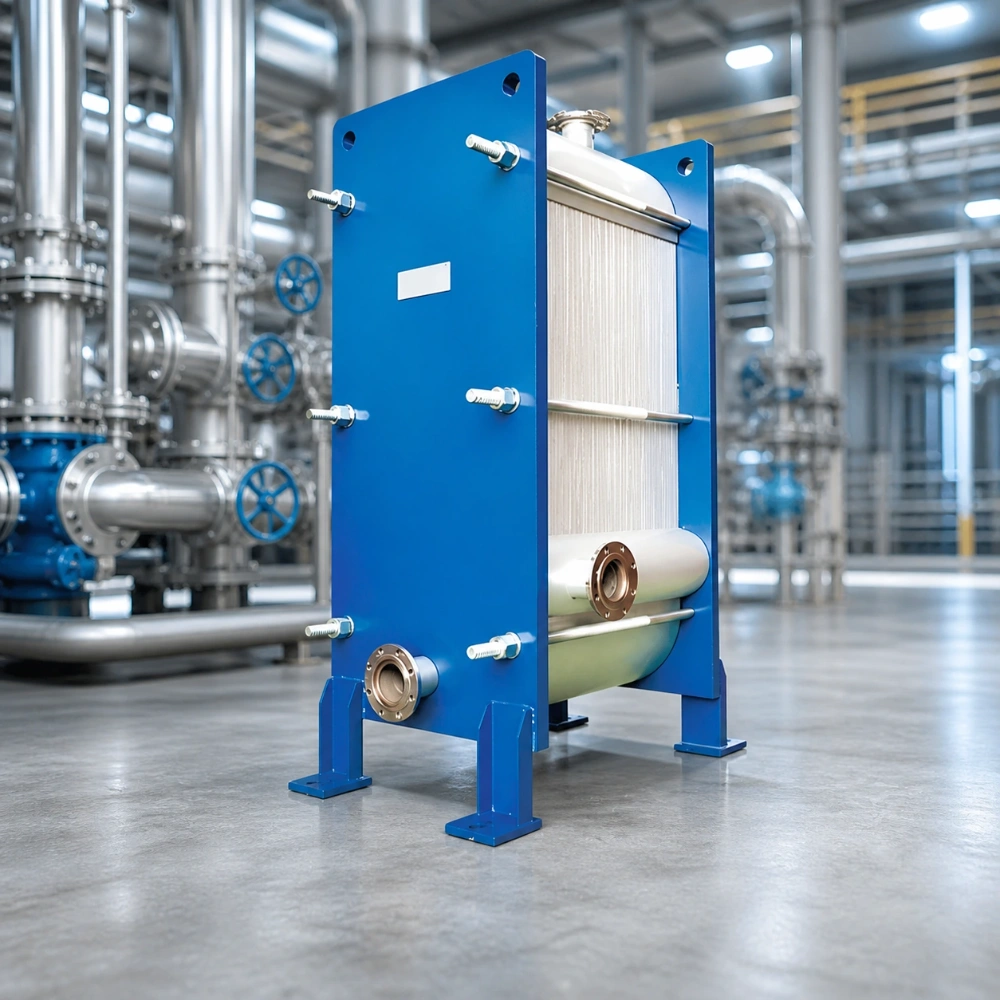
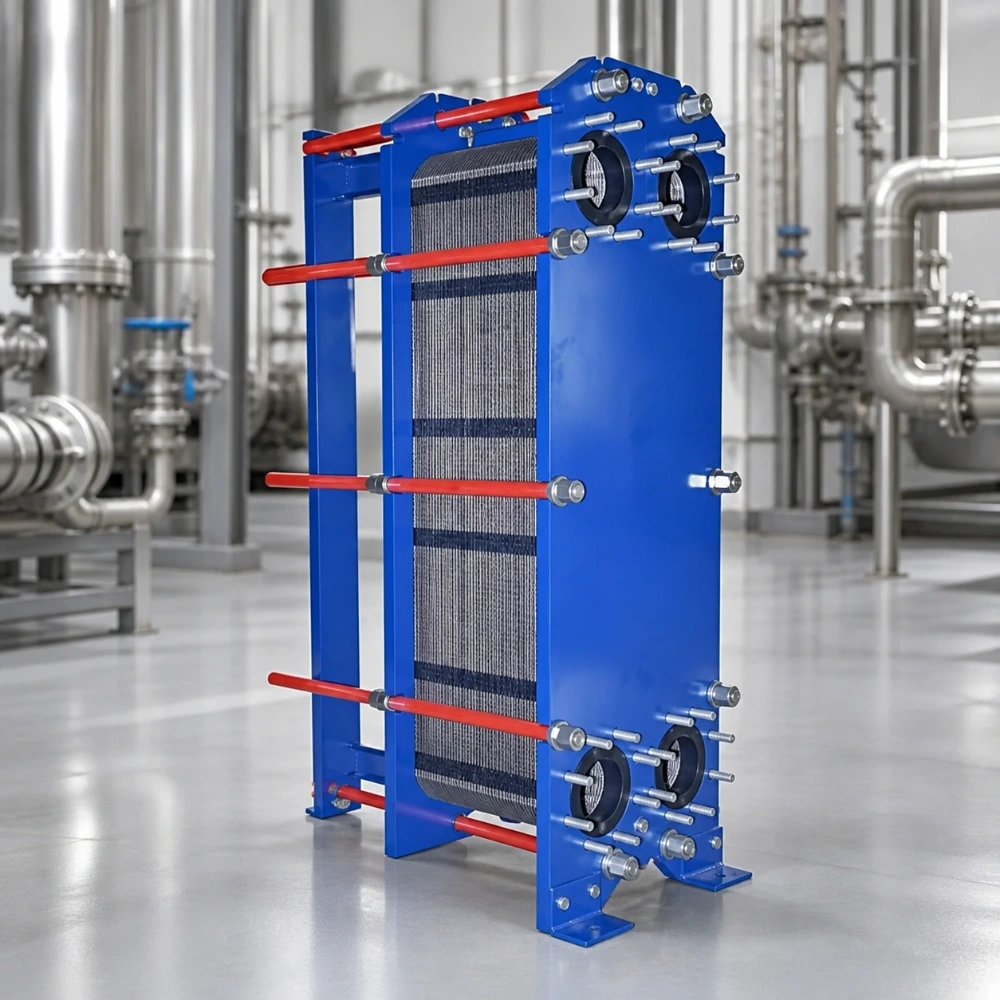
A gasketed Plate Heat Exchanger can be considered when compact construction, configurable flow arrangements, and access for inspection or cleaning fit the duty. It uses corrugated metal plates with alternating channels separated by gaskets, assembled in a frame. For condenser service, verify vapor distribution, condensate drainage, non-condensable removal, allowable pressure drop, gasket compatibility, and service clearance. The product family is an application candidate, not a universal replacement for shell-and-tube or other condenser designs.
Suitability still depends on a configuration-specific thermal calculation and verified pressure, temperature, fluid, connection, code, and duty requirements.
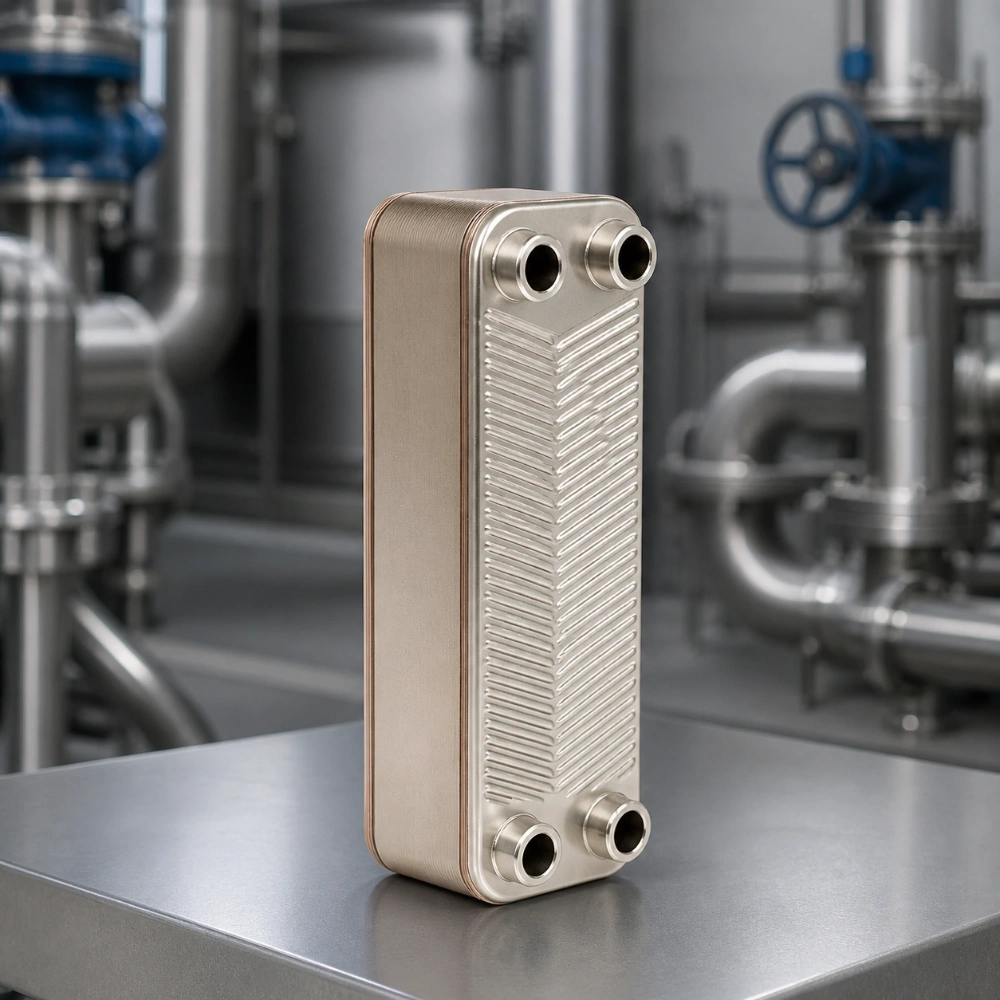
When Should A Brazed Plate Heat Exchanger Be Considered For Condenser Service?
A Brazed Plate Heat Exchanger provides compact, gasket-free construction, with plates joined at contact points by a braze alloy. It may be considered when the process is sufficiently clean, the braze alloy and plate materials are compatible, and the unit’s certified pressure and temperature envelope covers the duty. Do not treat a low fouling coefficient as sufficient purchasing evidence: fouling risk depends on the fluid, suspended-solids content, scale or biological mechanism, oil or process carryover, velocity, temperature, filtration, water treatment, channel geometry, and cleaning method. Ask the supplier to state the fouling allowance and design basis used for the proposed model.
Because the brazed core is not normally opened like a gasketed frame, mechanical inspection, manual cleaning, gasket replacement, and field repair are limited. Confirm whether an approved CIP or flushing procedure is compatible with the fluids, braze alloy, and plate materials; otherwise, plan for monitoring, spare capacity, lead time, and replacement rather than assuming the unit can be repaired.
Which Condenser Configuration Fits Pressure, Temperature, And Maintenance Needs?
Pressure and temperature limits must be considered together with construction, chemistry, inspection, transient conditions, and service access. A higher stated limit does not automatically make one configuration the better choice; the design pressure, design temperature, vacuum case, cyclic duty, and applicable code must be confirmed for the exact model and materials.
When Does A Fully Welded Plate Heat Exchanger Fit Demanding Conditions?
A Fully Welded Plate Heat Exchanger is a specialized gasket-free option that may be considered where the verified duty, pressure, temperature, thermal cycling, and leak-consequence requirements exceed the practical range of a gasketed design. Do not carry generic pressure, temperature, capacity, or efficiency figures from marketing text into a purchase specification. Confirm the exact model, materials, weld design, test basis, code, and operating case through supplier documentation and a project-specific calculation.
Any published figures require project-specific engineering validation. Confirm the applicable configuration, materials, design basis, inspection and non-destructive examination method, cleaning procedure, pressure testing, and repair or replacement approach before purchase.
How Should Gasketed, Brazed, And Fully Welded Options Be Compared?
Compare each option using the same duty, fluids, allowable pressure drop, operating range, fouling assumptions, and maintenance plan. Gasketed construction provides access to the plate pack. Brazed construction removes field gaskets but limits opening, inspection, and repair. Fully welded construction may suit different pressure, temperature, or leak-consequence requirements, subject to configuration-specific verification. Include replacement implications, plant downtime, spare strategy, and the cost of filtration or cleaning in the comparison.
Procurement Decision Table: Plate Heat Exchanger Configurations For Industrial Condensers
Use this matrix as a screening aid, not as a substitute for a duty-sheet calculation. All pressure and temperature limits remain project-specific.
|
Selection Factor |
Gasketed Plate |
Brazed Plate |
Fully Welded Plate |
|
Inspection and cleaning access |
Frame can normally be opened for inspection, mechanical cleaning, and plate or gasket replacement; confirm service clearance. |
Core is not normally opened; rely on an approved CIP or flushing method, monitoring, and replacement planning. |
Opening is not normally available; confirm inspection, NDE, CIP or flushing, and the repair or replacement route. |
|
Gasket compatibility |
Critical: verify elastomer against fluid, concentration, temperature, refrigerant or vapor, and cleaning chemicals. |
No field gasket; verify braze alloy and plate materials against both fluids and cleaning chemicals. |
No channel gasket in welded construction; verify plate and weld materials, corrosion, cycling, and connections. |
|
Pressure and temperature limit |
Project-specific; verify plate, gasket, frame, ports, code, pressure or vacuum, and transients. |
Project-specific; verify model, braze alloy, plate materials, code, pressure or vacuum, and cycles. |
Project-specific; verify weld design, materials, code, pressure or vacuum, testing, and thermal cycles. |
|
Fouling and solids tolerance |
Match channel gap, velocity, filtration, solids load, fouling mechanism, and cleanability; inspectability is a benefit, not a guarantee. |
Prefer clean or well-filtered fluids; small passages may be sensitive to solids. Verify fouling allowance and CIP. |
Welded passage geometry and cleanability remain application-specific; quantify solids, deposits, filtration, and flushing or CIP. |
|
Repair and replacement plan |
Plan spare gaskets or plates, plate-pack service, retightening, and a qualified repair route. |
Plan for monitoring and replacement; confirm spare availability, lead time, and outage strategy. |
Confirm inspection, qualified weld repair or replacement, spare strategy, outage access, and supplier support. |
What Mechanical And Installation Checks Should Be Completed?
Check connection orientation, footprint, pipe routing, supports, drainage, venting, instrumentation, and service clearance. A compact condenser still needs working space for isolation, inspection, lifting, and maintenance. Review temperature cycling, vibration, thermal expansion, connection loads, control integration, condensate handling, non-condensable venting, and access for component removal.
How Should Fouling And Variable Loads Be Included In Condenser Selection?
Real plants rarely operate with perfectly clean fluids at constant duty. Fouling behavior, phase changes, and load variation can therefore change both the initial configuration and the long-term maintenance plan.
How Does Fouling Risk Change The Selection?
Identify the likely deposit and its source: mineral scale, suspended solids, biological growth, oil, corrosion products, or process carryover. Then document solids size and concentration, viscosity, temperature, velocity, treatment, filtration, and the mechanism by which the deposit forms. Deposits can reduce heat transfer, restrict channels, and raise pressure drop. Match the risk to channel geometry, velocity range, fouling allowance, monitoring, and the available mechanical or CIP cleaning method. A low fouling coefficient alone is not a sufficient selection or procurement basis.
What Should You Review For Seasonal Or Part-Load Operation?
Request performance checks at design, normal, minimum, and seasonal conditions. Consider changes in cooling-medium temperature, process throughput, production schedules, vapor load, non-condensables, and variable flow. Control valves, bypass lines, and pump control should remain stable at low load, while vapor distribution and condensate drainage remain acceptable. Minimum-flow and turndown requirements must be verified for the proposed configuration and circuit.
How Do Maintenance Requirements Affect Lifecycle Cost?
Lifecycle planning should cover inspection access, cleaning procedures, component replacement, spare parts, downtime, technician capability, and waste handling. A serviceable gasketed unit, a compact brazed unit, and a fully welded unit create different maintenance and outage risks. Industrial condenser selection therefore requires a documented maintenance and replacement plan, not just a purchase-price comparison.
What Should The Final Procurement Review Include?
The final review should convert process requirements into traceable technical questions. This helps your team compare proposals consistently, identify assumptions, and separate verified ratings from provisional or marketing statements that may affect operation.
Which Technical Documents Should You Request?
Request a completed duty sheet covering heat load, phase or refrigerant conditions, fluid chemistry, temperatures, flow rates, operating and design conditions, allowable pressure drop, fouling mechanisms, solids data, load range, and installation constraints. Obtain drawings, material information, sizing calculations, pressure-drop data, certified operating limits, code and test information, inspection requirements, cleaning instructions, and a repair or replacement plan.
How Should Supplier Responses Be Evaluated?
Check that the proposed unit covers every operating case. Verify materials, gasket or braze/weld compatibility, cleaning chemicals, connections, instrumentation, utilities, maintenance access, and installation responsibilities. Review exclusions carefully. Ask which uncertain or changing process inputs could alter the configuration, size, operating limit, or price. Require the supplier to identify assumptions used for fouling allowance and channel geometry.
How Does This Support Industrial Condenser Selection?
The final choice is a documented engineering decision, not a general ranking. A gasketed plate unit may be a candidate where compactness, configuration flexibility, and cleaning access match the plant. Brazed and fully welded options can fit different mechanical, chemistry, pressure, temperature, and maintenance priorities. The correct choice is the configuration whose verified thermal and mechanical basis matches the operating data and lifecycle plan.
Discuss Your Condenser Requirements With Grano
A focused application review begins with complete, usable process data. Preparing that information before discussion reduces technical uncertainty and makes proposal comparisons more meaningful.
Prepare Your Operating Data
Compile the duty, refrigerant or process-vapor conditions, fluid chemistry, pressures, temperatures, flow rates, pressure-drop limits, fouling exposure, solids data, load range, connections, condensate requirements, and available installation space.
Request An Application Review
Share those details through the appropriate condenser application contact. Ask for the proposed configuration, assumptions, operating limits, material details, fouling allowance, cleaning and maintenance requirements, and sizing basis in a form your engineering and procurement teams can review.
FAQ
What Operating Data Is Needed Before Selecting A Plate Heat Exchanger For An Industrial Condenser?
You need heat duty, vapor or refrigerant conditions, fluid properties and chemistry, inlet and outlet temperatures, flow rates, operating and design pressures, temperature limits, allowable pressure drop, fouling mechanisms, solids content, load variation, and installation constraints. Include normal, minimum, maximum, and seasonal conditions where applicable.
Is A Plate Heat Exchanger Suitable For Every Industrial Condenser Application?
No. A plate heat exchanger is suitable only when its construction, channel geometry, materials, phase handling, and verified operating limits match the application. Check pressure, temperature, fluid compatibility, fouling, solids, pressure drop, cleaning access, condensate drainage, and installation conditions before treating a plate-based configuration as a condenser candidate.
How Should Fouling And Cleaning Requirements Affect Condenser Selection?
Estimate the likely deposits, their sources, and the available cleaning method. Higher fouling exposure may favor construction with inspection and cleaning access, larger or more appropriate channel geometry, filtration, or water-treatment changes. Where a unit cannot be opened or repaired, CIP compatibility, monitoring, spare capacity, lead time, and replacement planning become especially important.