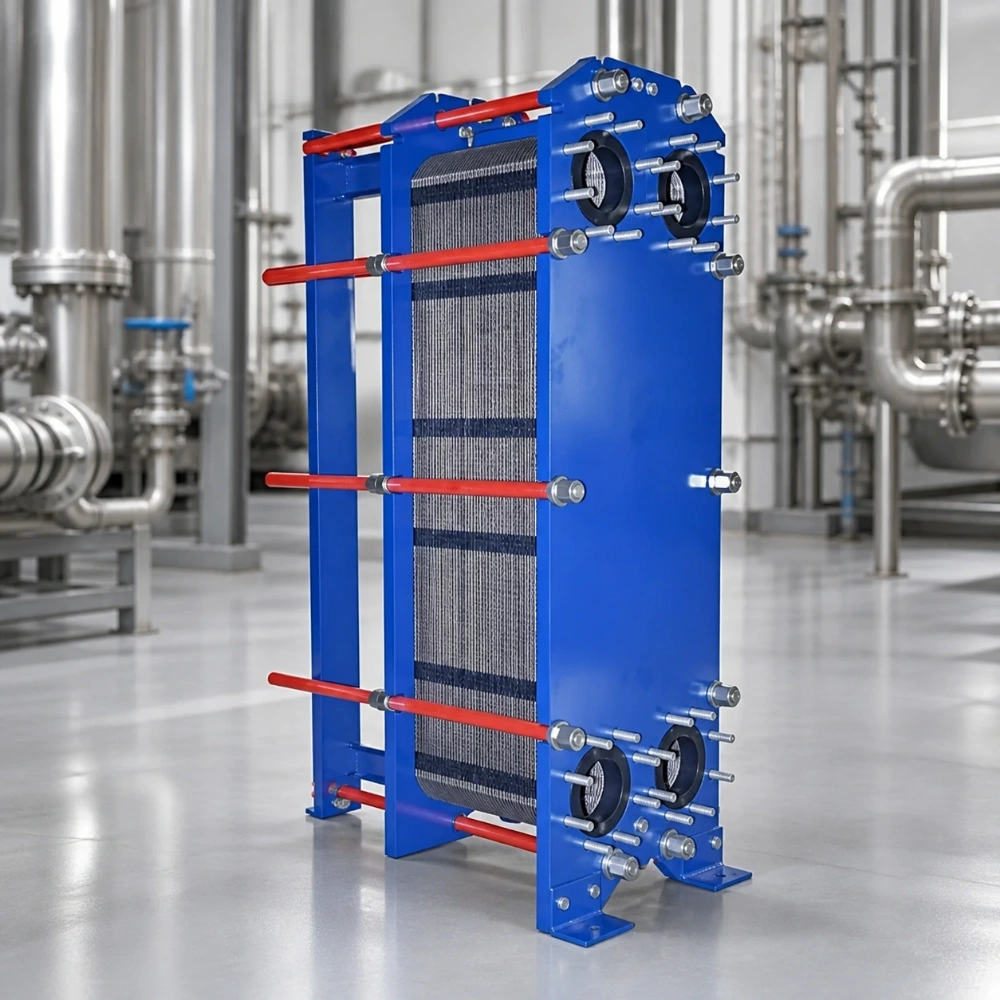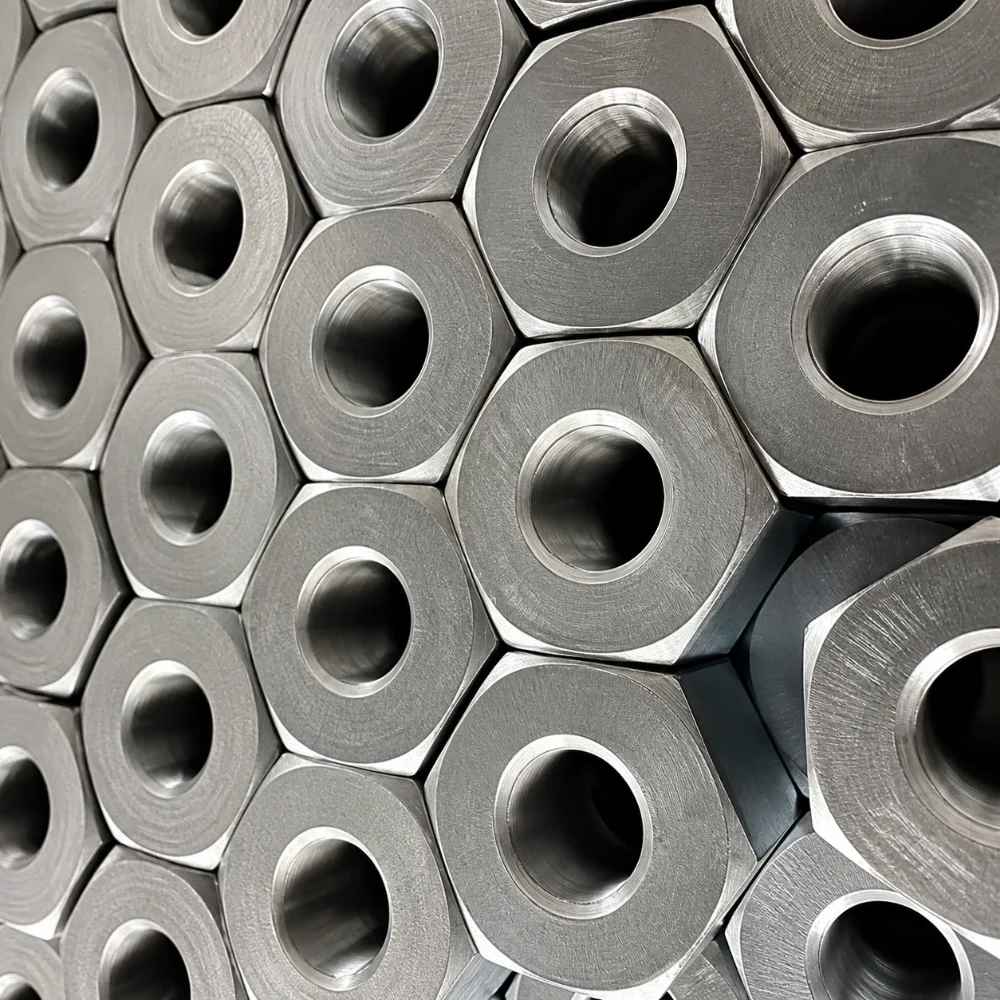

A Plate Heat Exchanger can support compact system design by placing corrugated metal plates within a framed plate pack. This arrangement combines a relatively small equipment envelope with configurable flow and connection options. However, compactness is only valuable when the exchanger also matches your thermal duty, fluids, operating conditions, piping layout, and maintenance plan.
For engineers and procurement teams, the practical question is not simply whether the equipment fits. You must also consider access, pipe routing, pass arrangement, and future operating needs. Grano offers gasketed plate heat exchange equipment for projects where these factors need to be assessed together.
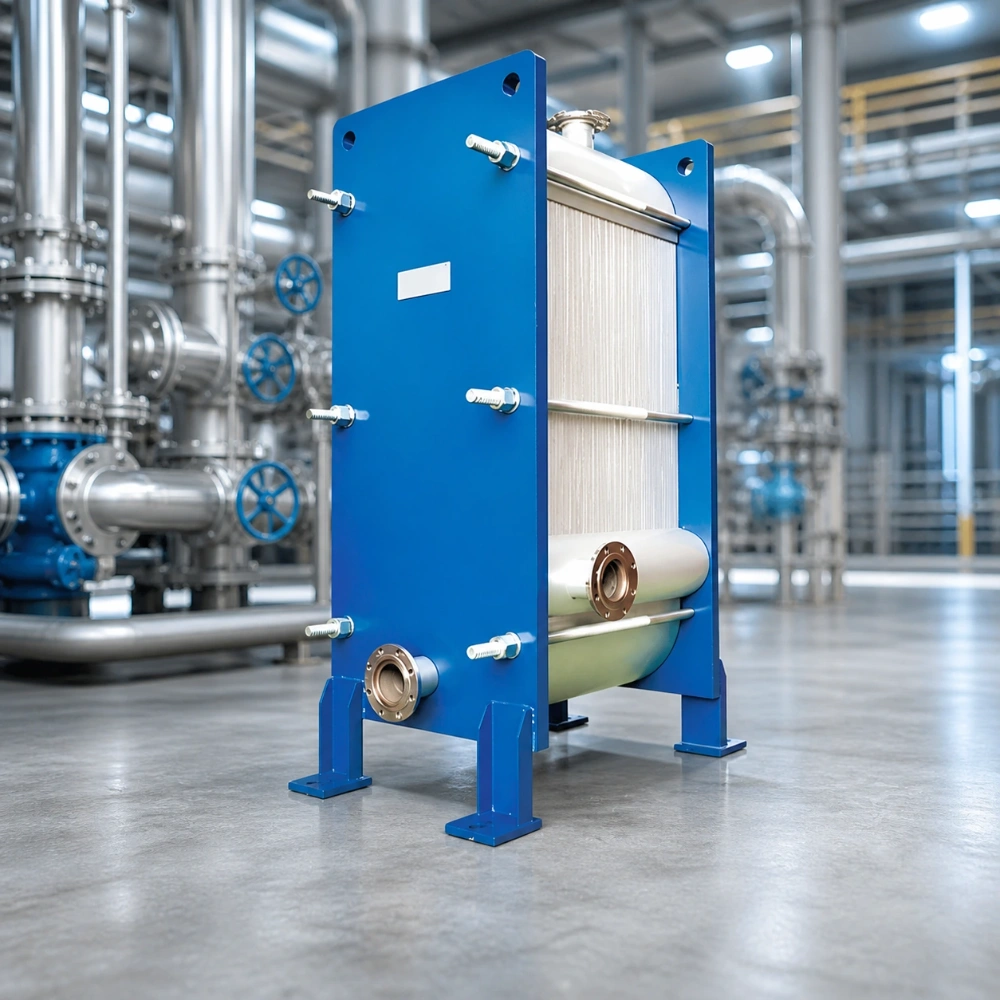
Why Does A Plate Heat Exchanger Suit Space-Constrained Layouts?
The plate-stack arrangement can reduce the space occupied by heat transfer equipment, but the complete installation still needs sufficient room for connections, valves, inspection, and cleaning.
How Does The Plate Arrangement Support A Compact Design?
A gasketed Plate Heat Exchanger consists of corrugated metal plates assembled in a frame with a fixed plate and a movable clamping plate. Upper guide rods suspend the plates, while lower guide rods align them.
This construction lets you consider a compact equipment envelope compared with bulkier exchanger arrangements. The actual footprint still depends on the duty, selected configuration, frame, connection positions, and required service clearances.
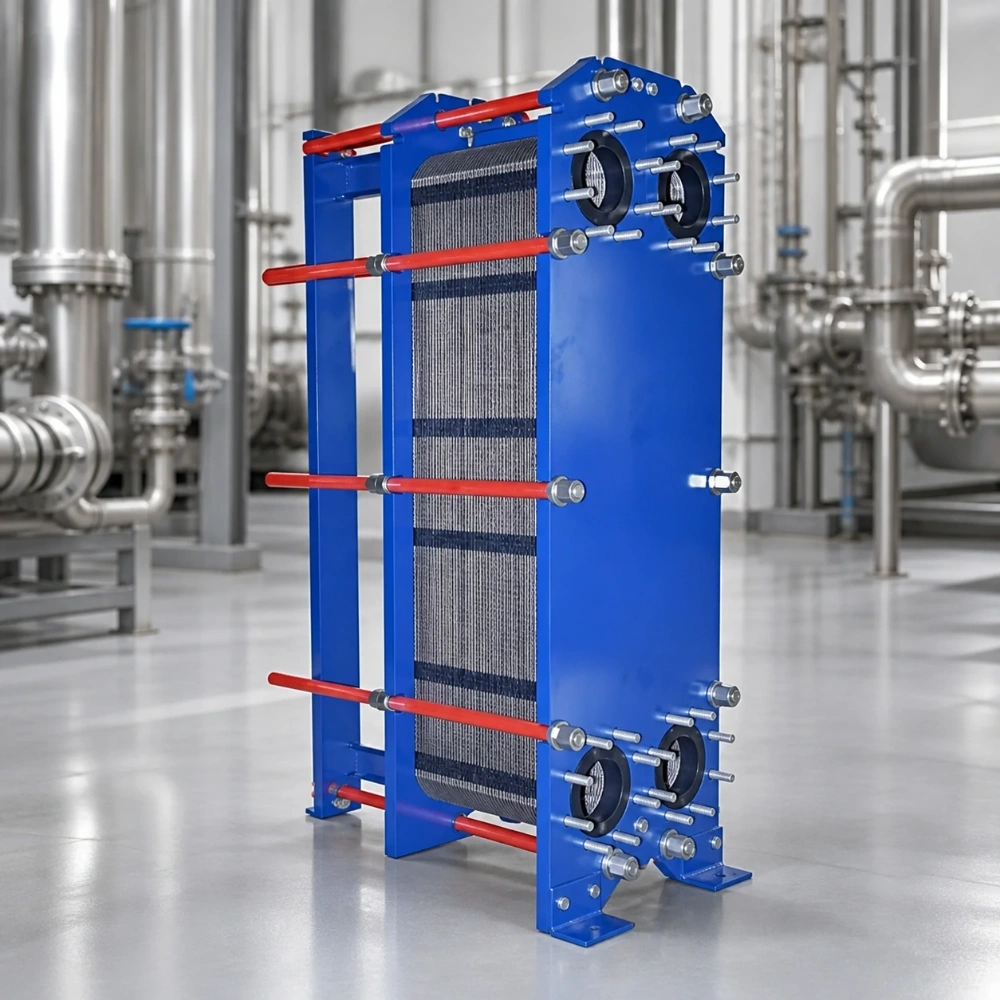
Which Layout Details Should You Check Before Selection?
Start with the available floor area, then examine the surrounding space. Check connection orientation, pipe approaches, valve access, lifting needs, and potential conflicts with structural or electrical equipment.
Request a dimensional drawing, connection schedule, and installation guidance before approving the layout. An equipment outline alone cannot represent the space required by the complete installation.
How Can Maintenance Access Affect The Space Decision?
The movable clamping plate and frame arrangement provide access to the plate assembly for inspection or cleaning. That access must remain usable after pipes, valves, supports, and nearby equipment are installed.
Confirm the opening distance, service clearance, cleaning method, and plate-handling arrangements during design review. A tightly packed plant room can otherwise make routine maintenance unnecessarily difficult.
How Does The Configuration Provide System Flexibility?
Configuration flexibility comes from matching the exchanger arrangement to the process and piping plan. It should be defined around present operating needs before any future modification is considered.
What Role Do The Ports And Pass Arrangement Play?
Each corrugated plate has four corner ports that facilitate heat transfer between two fluids. Single-pass configurations, with pipelines connected at the fixed clamping plate, are common. Multi-pass arrangements use a different internal flow arrangement.
For a multi-pass duty, confirm the connection locations, internal routing, and piping implications for the proposed configuration. These details affect both hydraulic design and installation planning.
When Should You Review Connection Arrangement Early?
Review fixed-plate and movable-clamping-plate positions while the piping layout is still flexible. Late changes to connection orientation can affect pipe lengths, supports, valve access, and maintenance clearance.
Provide process flow information, available tie-in points, pipe approach restrictions, and future routing constraints. Use an approved general arrangement drawing or technical proposal for final installation decisions.
How Can Modular Construction Support Project Changes?
Modular construction and flexible configuration options give project teams choices when matching the exchanger to a particular process arrangement. This can be useful where connection plans or operating requirements differ between installations.
Do not assume that modular construction automatically permits additional future capacity. Any plate-pack modification, capacity change, or revised duty needs a separate technical and procurement review.
Which Technical Inputs Should Guide Plate Heat Exchanger Selection?
Layout advantages do not replace thermal and mechanical selection. The proposed Plate Heat Exchanger must be assessed against real process data and the conditions it will experience in operation.
How Should You Define The Thermal Duty?
Define the required heat load, fluid flow conditions, and inlet and outlet temperatures. You should also describe the intended heat-transfer relationship between the two process streams.
Treat these details as sizing inputs rather than assumed performance. Request project-specific calculation data before accepting any capacity, efficiency, or approach-temperature figure.
What Fluid And Material Questions Need Verification?
Identify each fluid’s composition, concentration, viscosity, cleanliness, fouling tendency, and corrosiveness. Changes in concentration or contamination may alter the suitability of the proposed construction.
Request a materials and fluid-compatibility schedule for the application. Do not select a plate or gasket material from a generic description without written compatibility review.
Which Operating Conditions Must The Supplier Confirm?
State both operating and design temperature, pressure, expected flow variation, and start-up or shutdown conditions. Include credible abnormal or transient conditions that could affect equipment selection.
Procurement teams should obtain written confirmation of applicable temperature and pressure limits for the exact proposed configuration.
How Should You Balance Compactness With Maintainability?
A small footprint can improve layout flexibility, but maintainability remains a core design requirement. Access provisions should be established before the surrounding equipment arrangement becomes fixed.
What Inspection And Cleaning Tasks Should Be Planned?
Gasketed plate heat exchangers allow access to the plate assembly for inspection or cleaning. Your maintenance plan should define inspection frequency, fouling indicators, isolation steps, cleaning approach, and restart checks.
Confirm service intervals, suitable cleaning methods, procedures, and expected maintenance requirements for the application before commissioning.
How Do Fouling And Fluid Conditions Affect The Layout?
Fouling risk can increase the importance of inspection access, cleaning provisions, and operating monitoring. Fluid properties, contamination, temperature control, and process stability should therefore influence the physical layout.
A compact arrangement loses practical value if cleaning equipment cannot be positioned or the plate pack cannot be accessed safely.
What Should Procurement Request For Ongoing Support?
Request a technical datasheet, configuration drawing, materials information, operating limits, installation requirements, maintenance instructions, and applicable parts information.
Documentation quality should form part of your supplier evaluation. Procurement planning should also cover product packaging arrangements and logistics requirements where these affect handling, delivery coordination, or site readiness.
When Is A Plate Heat Exchanger The Right Fit For Your Project?
The final decision should reflect process conditions, layout restrictions, and maintenance needs together. Compact construction is a strong design advantage, but it cannot compensate for unresolved technical risks.
Which Project Conditions Favor This Approach?
This approach can suit projects with restricted installation space, two-fluid heat transfer, adaptable connection or pass requirements, planned plate-pack access, and a defined maintenance strategy.
The corrugated plate stack, framed construction, and modular configuration are the central features to assess against your plant layout.
Which Risks Require A Deeper Technical Review?
A deeper review is needed when the duty is uncertain, fluids are insufficiently characterized, operating conditions remain unverified, fouling is likely, or service clearance is limited. Unclear future configuration requirements also need attention.
Compactness alone cannot resolve material compatibility, thermal sizing, pressure, temperature, or maintenance concerns.
What Should The Final Supplier Review Include?
Submit the process data, duty definition, fluid information, operating conditions, layout drawing, connection arrangement, access requirements, and maintenance plan. Then request approved materials information and configuration documents.
A Plate Heat Exchanger can support compact and flexible system design when its configuration is matched to verified process, installation, and maintenance requirements.
To discuss a proposed installation, use the Grano technical contact channel and share your duty, fluid conditions, available space, preferred connection arrangement, and maintenance requirements. Clear project inputs make it easier to review configuration suitability and identify questions before procurement.
FAQ
What Is The Main Space-Planning Benefit Of A Plate Heat Exchanger?
Its corrugated plates are assembled into a compact framed stack, allowing you to place substantial heat-transfer surface within a relatively small equipment envelope. Final space planning must still include piping, valves, service clearance, and plate-pack access.
Which Process Data Is Needed Before Selecting A Plate Heat Exchanger?
Provide heat load, inlet and outlet temperatures, flow conditions, fluid composition, fouling tendency, operating and design conditions, connection requirements, and available installation space. Include start-up, shutdown, and credible abnormal conditions where relevant.
How Should Maintenance Access Be Included In The Equipment Layout?
Reserve sufficient space to access the movable clamping plate and plate assembly. Account for isolation, inspection, cleaning, handling, and safe movement around nearby piping and equipment before the general arrangement is approved.