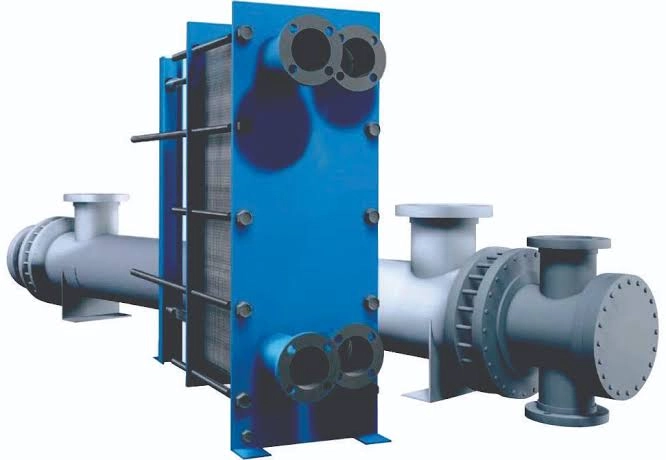

Sometimes you look at a factory floor and wonder where all the operating budget goes. A lot of it literally evaporates as wasted heat. Energy costs keep climbing, forcing facility managers to find better cooling and heating methods. You might see these compact metal boxes sitting quietly in the corner of a utility room. So, How Does a Plate Heat Exchanger Work? It simply takes thermal energy from one flowing liquid and passes it to another without the two fluids ever mixing together. This basic physical mechanism recovers massive amounts of energy and pays for itself rapidly.
Before diving deep into the fluid mechanics, finding the right hardware manufacturer makes all the difference in the world. Grano stands out in the thermal control industry through solid engineering and heavy-duty precision manufacturing. When you check their about us page, you realize they focus heavily on high-grade material selection and strict testing protocols. It is never just about selling standard metal boxes. They provide comprehensive technical service to help you size the equipment correctly for your specific fluid types, viscosity levels, and pressure drop limits. If your facility struggles with outdated cooling systems, their engineers know exactly how to fix the bottleneck.
Basic Mechanics: How Does a Plate Heat Exchanger Work?
To grasp the fundamental operation, you just need to look inside the frame. The equipment relies on a very simple physical law where heat always moves from hot zones to cold zones.
Core Structural Components
The heavy outer frame contains a fixed carbon steel plate and a movable pressure plate. You tighten these two thick covers together using long threaded steel bolts. Inside this heavy metal sandwich sit dozens or even hundreds of incredibly thin metallic sheets.
Fluid Flow Pathways
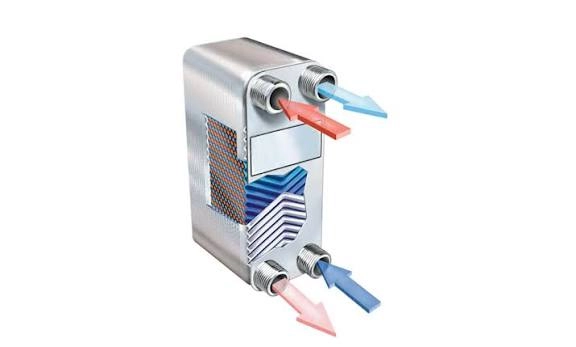
The hot and cold liquids never actually touch each other. Hot water might flow down the odd numbered channels while cold cooling water flows up the even numbered gaps. Thick rubber gaskets seal the edges of every sheet and direct the liquids into the correct alternating spaces.
Heat Transfer Process
Because the inner metal sheets are stamped to a fraction of a millimeter thick, thermal energy passes right through the solid barrier. The cold fluid absorbs this energy rapidly, dropping the temperature of the hot fluid in just a few seconds.
The Power of Counterflow Design
Direction matters immensely in thermodynamics. Sending liquids in opposite directions creates a massive performance boost compared to systems where fluids travel the same way.
Counterflow Definition
In this specific setup, the hot medium enters from the top port and exits at the bottom port. The cooling medium does the exact opposite, entering low and exiting high. They travel parallel but in complete reverse.
Temperature Difference Maximization
This orientation maintains a steady thermal gap along the entire length of the metal sheet. You do not get a sudden temperature drop at the entrance and then a weak, useless transfer near the exit. The thermal driving force stays incredibly strong continuously.
Energy Consumption Reduction
Because the transfer is so effective, you can run your circulation pumps at much lower speeds. This drops your daily electricity usage significantly. Lower pump speeds also mean less mechanical wear on your pipe network and valves.
Corrugated Plates and Thermal Efficiency
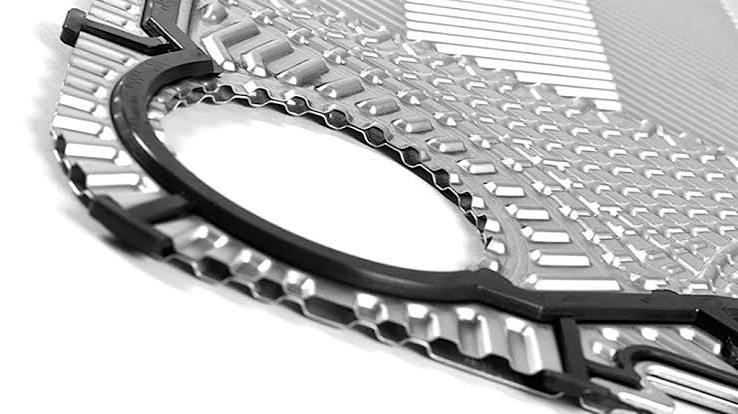
Flat sheet metal does not transfer energy very well in real life. Factories stamp intricate wave patterns into the sheets to force the liquids into highly specific behaviors.
Increased Surface Area
A pressed herringbone pattern acts like folding a large piece of paper to fit into a tiny box. You pack a massive amount of physical contact space into a very tight, compact frame.
Fluid Turbulence Generation
Smooth water flow is actually terrible for industrial cooling. The sharp metal ridges break the boundary layer of the liquid, whipping it into a turbulent frenzy. This chaotic movement mixes the fluid constantly so cold or hot spots never form.
Fouling Resistance Improvement
Anyone who has spent a weekend scrubbing thick calcium deposits off machinery knows how frustrating hard water can be. The violent swirling action acts like a natural scrub brush. It sweeps away debris and suspended minerals long before they can stick to the metal.
Here is a quick look at how different thermal systems compare in raw performance. Notice the massive gap in efficiency.
| Equipment Type | Average Heat Transfer Coefficient (W/m²K) | Maintenance Difficulty |
|---|---|---|
| Shell and Tube System | 800 to 1,200 | Very High |
| Plate Type System | 3,000 to 7,000 | Low |
| Air Cooled System | 30 to 50 | Medium |
Traditional Gasketed Units for Industrial Use
Heavy processing industries rely on equipment they can easily adapt. Standard models use thick rubber seals to keep everything watertight while remaining completely accessible to maintenance crews.
Versatile Industrial Applications
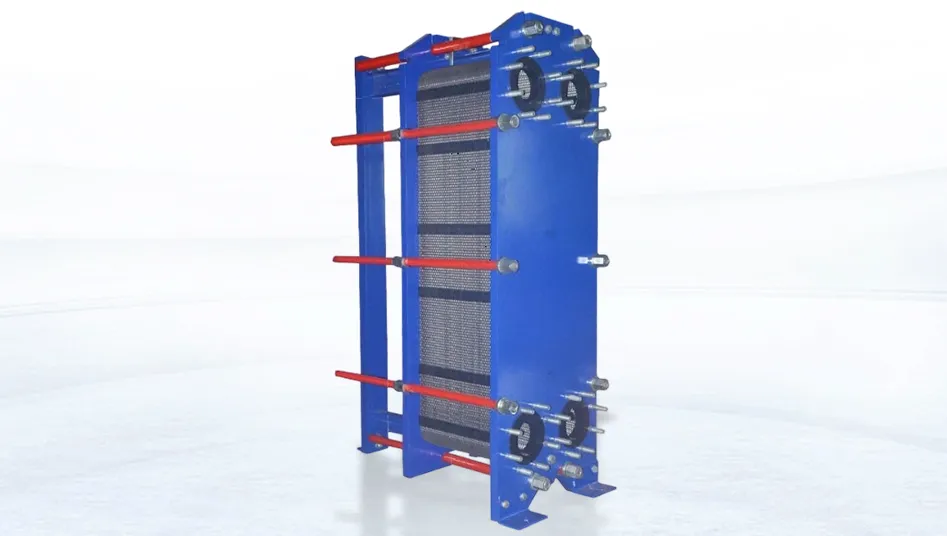
You see these machines everywhere from large food pasteurization plants to heavy chemical refineries. When you install a standard plate heat exchanger, it handles huge volumes of liquid with very little pressure drop.
Easy Maintenance Procedures
You just loosen the main tie bolts and slide the metal sheets apart on the carrying bar. Maintenance workers can inspect every single inch of the surface, replace brittle old rubber seals, and bolt the whole thing back together before the next shift starts.
Reliable Performance
You can expand the thermal capacity months or years later by simply hanging more metal sheets on the frame. The system grows right alongside your factory production numbers.
Your fluid chemistry strictly dictates what metal you must buy. Look at these common industrial specifications to see the differences.
| Metal Material Type | Thermal Conductivity (W/m·K) | Max Operating Temp (°C) | Common Industrial Use Case |
|---|---|---|---|
| AISI 304 Stainless | 16.2 | 200 | Clean utility water, standard HVAC |
| AISI 316L Stainless | 16.3 | 220 | Food processing, weak organic acids |
| Pure Titanium | 21.9 | 250 | Salty seawater, aggressive chlorides |
High Performance with Brazed Units
Sometimes you do not have the floor space for a massive bolted frame. You might also deal with synthetic fluids and temperatures that would instantly melt standard rubber seals.
Compact Design and Footprint
Engineers melt thin copper or nickel foils in a vacuum furnace to weld the stainless steel sheets together permanently. This completely eliminates the heavy steel frame and rubber gaskets. A brazed plate heat exchanger weighs a tiny fraction of a gasketed model and fits neatly into tight machinery cabinets.
High Pressure Tolerance
The solid welded metal construction handles extreme internal forces without flinching. High pressure refrigeration systems and commercial heat pumps use these specific models because the brazed joints refuse to burst under high mechanical stress.
Advanced Cooling Solutions
Fiber laser cutters and hydraulic oil systems generate intense, highly localized heat. These tiny, welded metal boxes strip that excess heat away instantly without taking up valuable factory floor space.
Upgrade Your Thermal Setup Today
Finding the right equipment requires matching your exact fluid properties with the correct hardware dimensions. Blindly guessing leads to blown rubber seals or wasted electrical energy.
Custom Heat Transfer Solutions
Every factory floor operates completely differently. You need equipment sized specifically for your unique flow rates, fluid viscosity, and strict temperature targets.
Professional Technical Support
Having seasoned engineers calculate the fluid dynamics saves you from very expensive operational mistakes. They calculate the exact number of channels you need to hit your cooling goals accurately.
Global Service Access
Quality hardware always needs reliable backing. Fast access to spare parts like replacement rubber seals and new titanium plates keeps your assembly line moving without suffering week long delays.
FAQ
Q: How Does a Plate Heat Exchanger Work?
A: It passes hot and cold liquids through a series of alternating metal channels. The incredibly thin metal barrier pulls the thermal energy from the hot side directly to the cold side without ever mixing the two fluids together.
Q: Why do my machines experience a suddenly high pressure drop?
A: Heavy mineral buildup or physical debris inside the narrow corrugated channels restricts the fluid path. You need to backflush the piping system or open the main metal frame for manual pressure washing.
Q: Can you run highly aggressive chemicals through these machines?
A: Yes, but you must select the right chemical resistant materials first. Titanium metal plates and specialized Viton rubber gaskets handle harsh chlorides and industrial acids perfectly without degrading.