
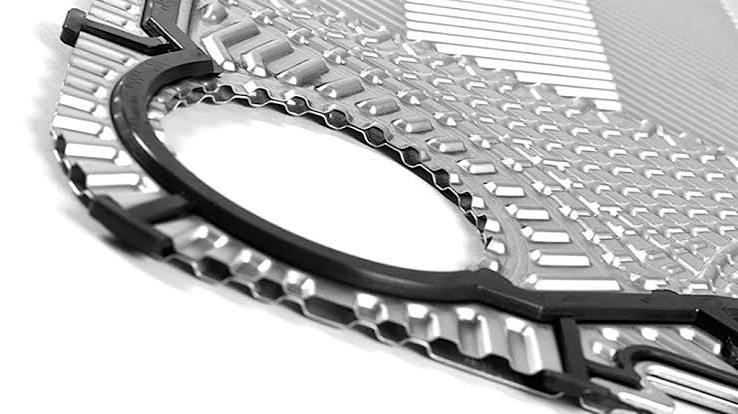
Dealing with aggressive fluids in a chemical plant keeps engineers awake at night. You have to handle toxic liquids, massive pressure spikes, and corrosive acids without a single leak. The tiny rubber seal separating those dangerous fluids from the factory floor holds everything together. Picking the right Plate Heat Exchanger Gasket makes the difference between a smooth production run and a catastrophic factory shutdown.
When you need a highly reliable thermal management partner, Grano stands out as an expert manufacturer. Founded back in 2015, they completely focus on producing top tier detachable heat transfer equipment, premium metal plates, and precision engineered seals for the toughest industrial environments. You get access to a professional team that handles research, sales, installation, and actual on-site maintenance. They carry a massive inventory to keep your factory running without long wait times for spare parts. Getting to know About Us shows their absolute commitment to quality control and long term stability on the factory floor.
Importance of Gasket Selection in Chemical Plants
A rubber seal seems like a minor detail until it bursts. In harsh chemical applications, this specific component literally dictates the safety and efficiency of your whole mechanical room.
Prevention of Chemical Leakage
A blown seal in a standard water system just makes a puddle. A blown seal in a sulfuric acid loop creates a severe safety hazard for your workers. You need a Plate Heat Exchanger Gasket that fights off chemical attacks and stays flexible under immense stress.
Maintenance of Thermal Efficiency
Tight seals keep the hot and cold fluids strictly in their own separate lanes. When the rubber holds strong, the unit forces thermal energy across the corrugated metal plates much faster. You lose efficiency the second a gasket starts to warp or shift out of its groove.
Extension of Equipment Lifespan
Rubber degrades naturally over time. Choosing a Plate Heat Exchanger Gasket material that naturally resists your specific process fluid means you spend a lot less money buying replacement parts every single year. It keeps your total cost of ownership low.
Common Plate Heat Exchanger Gasket Materials for Chemical Environments
You cannot just guess which rubber to use. Different chemical mediums require completely different molecular structures to maintain a tight seal.
EPDM for Acidic and Alkaline Media
This red colored rubber handles water and steam up to 150 degrees Celsius easily. Since water acts as a highly polar substance, EPDM stays hydrophobic and repels it well. It resists common acids and alkalis, but it will fail very quickly if it touches any petroleum based products.
NBR for Oil and Aliphatic Solvents
When your process involves mineral oils or animal fats, you want the green NBR rubber. It works perfectly up to 120 degrees Celsius for standard oil and water exchange loops. Just keep it away from oxidizing acids, because high temperatures will drop its corrosion resistance significantly.
Fluorine Rubber for Severe Corrosives
For the genuinely scary chemicals, brown fluorine rubber takes the hit. It easily handles temperatures hitting 220 degrees Celsius and fights off almost all acid, alkali, and salt corrosive mediums. It is highly resistant to strong chemicals like aqua regia.
|
Gasket Material |
Color Code |
Max Temperature |
Best For |
Worst For |
|
EPDM |
Red |
150°C |
Water, Steam, Acids |
Oils, Petroleum |
|
NBR |
Green |
120°C |
Mineral Oils, Fats |
Oxidizing Acids |
|
Fluorine (FKM) |
Brown |
220°C |
Severe Corrosives |
Ammonia, Acetone |
Key Factors Influencing Material Choice
Before you pull out a credit card to buy replacement seals, you have to look at the hard data from your factory control room.
Assessment of Operating Temperatures
Heat destroys rubber faster than anything else on the planet. You have to look at your absolute maximum temperature spikes, not just the normal daily running conditions. A sudden heat spike can melt a standard seal in minutes.
Evaluation of Operating Pressures
Chemical pumps push fluids aggressively. A standard detachable unit holds up to 25 MPa, but the Plate Heat Exchanger Gasket has to absorb that clamping force without permanently flattening out.
Analysis of Chemical Compatibility
You cannot play guessing games here. Always match the exact medium name to the rubber type. Using a non polar rubber on a non polar fluid usually leads to disaster on the factory floor.
Risks of Incorrect Gasket Material Usage
Cutting corners on rubber quality or buying the wrong material type will cost you thousands of dollars in lost production time.
Degradation of Rubber Integrity
Putting a standard EPDM seal into an oil loop makes the rubber swell up like a kitchen sponge. It gets soft, loses its molded shape, and eventually blows right out of the metal groove under pressure.
Cross Contamination of Process Fluids
If the seal separating the two channels rots away entirely, your cooling water mixes directly with your expensive chemical product. That ruins the whole batch instantly and forces a complete system flush.
Increase in Unplanned Downtime
Maintenance crews absolutely hate opening a large unit just to scrape melted rubber out of the grooves. Frequent mechanical breakdowns kill your factory output and exhaust your workers.
Advanced Solutions for Extreme Chemical Processing
Sometimes standard rubber simply falls short. When your factory pushes the absolute limits of physics, you have to upgrade your sealing technology.
Adoption of High Temperature EPDM
When standard rubber fails, yellow and red high temperature EPDM pushes the limit up to 170 degrees Celsius. You can even get ultra high temperature versions that survive 200 degrees Celsius for superheated water tasks.
Implementation of HNBR Gaskets
Hydrogenated nitrile offers incredible heat and oxidation resistance up to 170 degrees Celsius. It works perfectly for brutal oil and water exchange loops that run constantly.
Utilization of Brazed Plate Technology
Sometimes chemicals just eat every type of rubber available. If your system runs at crazy temperatures, you should seriously look into a Brazed Plate Heat Exchanger. These units use copper brazing instead of rubber seals. They handle up to 300 degrees Celsius and 40 MPa without breaking a sweat.
|
Equipment Solution |
Max Pressure |
Max Temperature |
Gasket Presence |
|
Detachable Plate Unit |
25 MPa |
200°C |
Yes (Rubber) |
|
Brazed Plate Unit |
40 MPa |
300°C |
No (Brazed) |
Partner with Grano for Reliable Heat Exchange Solutions
Getting the right hardware initially solves half the problem. Partnering with a supplier who actually understands fluid dynamics covers the rest.
Premium Plate Heat Exchangers
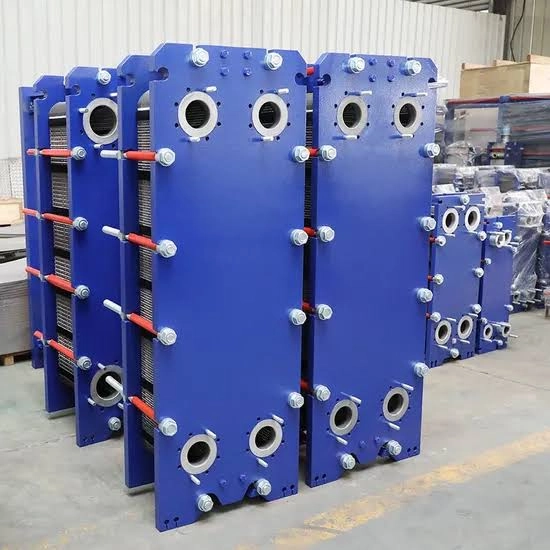
Every factory floor has unique physical bottlenecks. You can customize a highly efficient Plate Heat Exchanger up to a massive 5000 square meters of heat transfer area. They come apart easily when your crew needs to pressure wash them.
Robust Brazed Plate Heat Exchangers
For the absolutely brutal high pressure chemical tasks, dropping the rubber entirely makes sense. The brazed models pack incredible mechanical strength into a very tight footprint, making them perfect for cramped basements.
Comprehensive Maintenance and Support
Having a team ready to provide a full Grano Service matters a lot. They offer everything from precision chemical cleaning to exact replacement parts. Reach out to get a custom quote and keep your system running perfectly for years.
FAQ
Q: How often should you replace a Plate Heat Exchanger Gasket in chemical processing?
A: It really depends on the fluid aggressiveness and temperature. Clean water systems might run fine for three to five years, but hot corrosive acids might require you to swap the seals every twelve months to prevent sudden leaks.
Q: Can you put a fluorine rubber seal in any machine to make it stronger?
A: Not always. Fluorine is a polar rubber, which actually means its physical resilience against superheated steam, ammonia, or acetone is quite poor compared to other cheaper options. You have to match it to the right fluid.
Q: What is the best way to handle extreme pressure when a Plate Heat Exchanger Gasket keeps failing?
A: When your rubber keeps blowing out due to massive pressure spikes in the pipeline, you should switch to a brazed unit that eliminates the rubber completely and uses metal to seal the plates together.