



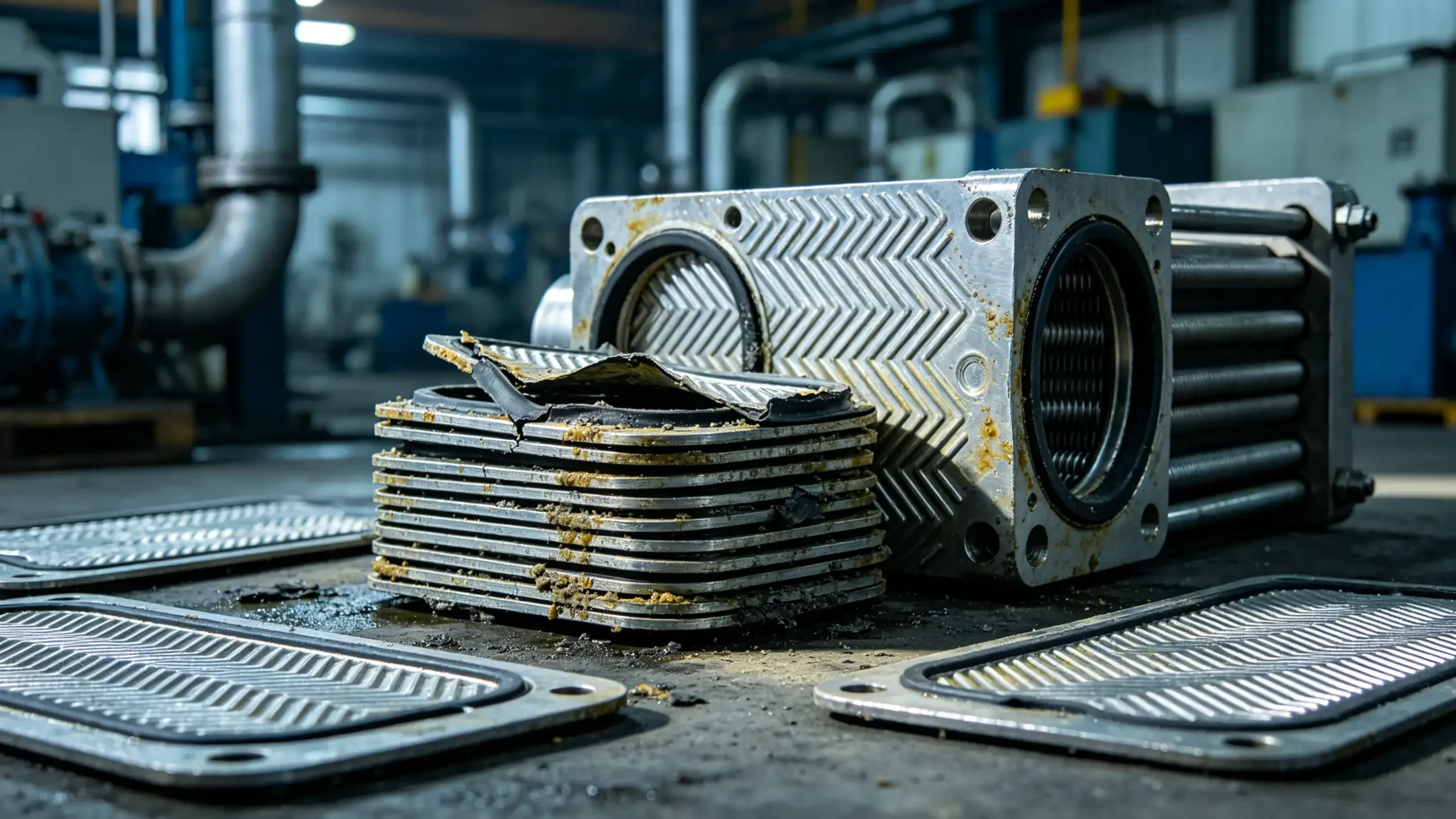
Keeping a thermal system running smoothly saves massive amounts of energy and money. It happens often in busy plants. Scale builds up, seals crack, and heat transfer drops dramatically. When addressing these mechanical bottlenecks, partnering with a solid manufacturer changes everything.
You might want to visit Grano, a professional heat exchanger manufacturer established in January 2015. They specialize in producing detachable units, plates, and gaskets for a variety of industries. When equipment needs a serious overhaul, getting expert maintenance services directly from the factory cuts down on expensive downtime. It helps to learn about us and see how a dedicated team supports industrial cooling, chemical processing, and heating demands globally. Having a reliable supplier with a rich inventory means you receive stable material supplements anytime.
Regular Maintenance and Cleaning Strategies
Heat transfer efficiency drops the moment dirt and scale build up on the metal surfaces. Keeping the channels clear is the absolute foundation of any good maintenance routine.
Routine Backflushing Procedures
During regular operation, loose particles block the narrow and tortuous channels formed between the plates. Flushing the system in the reverse direction of normal flow removes loose mud and scale. You should perform this open-type flushing on the unit before pickling to guarantee no impurities remain inside. This practice can improve the pickling effect and reduce the acid consumption of pickling.
Chemical Descaling Applications
Hard scale forms when calcium, magnesium, and carbonate in the water decompose into precipitates after being heated. An acid solution easily reacts with calcium, magnesium, and carbonate scale to form soluble compounds, which dissolve the scale. After the acid washing, use NaOH, trisodium phosphate, and softened water in a certain proportion to wash the equipment with alkali. This step achieves acid-base neutralization so that the heat exchanger plates will no longer corrode.
Surface Debris Removal
When disassembling the unit for a deep clean, you need to clear the residual adhesive in the sealing groove and clean the dirt on the plate. Try not to use metal methods to remove the strips, because metal can scratch the plate. Instead, liquid nitrogen quenching or other methods can be used to quench and deform the rubber strips, and then tear them off.
Precise Gasket Selection and Management
The gasket placed around the plate not only plays a sealing role but also forms a certain gap between the plates to form a fluid channel. Picking the wrong rubber compound or mismanaging the compression directly causes costly leaks.
Correct Gasket Material Choice
The working pressure of the plate exchanger is restricted by the gasket. You must match the rubber type to the fluid chemistry. EPDM rubber has a working temperature of -50°C to 180°C and handles severe corrosion occasions involving acid, alkali, and salt. Nitrile rubber operates from -20°C to 135°C and is suitable for general working conditions involving oil.
| Gasket Material | Operating Temperature | Applicable Media Context |
| EPDM Rubber | -50°C to 180°C | Acid, alkali, salt, chloride, organic solvent |
| Nitrile Rubber | -20°C to 135°C | Oil resistant, suitable for general working conditions |
| Fluororubber | -50°C to 250°C | High temperature resistance, acid and alkali resistance |
Proper Compression Length Alignment
Before disassembling the equipment, first measure the compression length of the plate bundle and make a record. During reassembly, the clamping studs should be tightened evenly and symmetrically to keep the plates parallel. It is very important that it is compressed tighter than the original size when reinstalling.
Timely Seal Replacement
Gaskets get old and lose their bounce. Common reasons for leakage include an old sealing gasket, uneven sealing gasket thickness, or a sealing gasket pressed off-center. Keep your spare seals safe. Store them in a cool, dry, dark environment where the ambient temperature does not exceed 40°C. Do not let them contact acids, alkalis, oils, or organic solvents.
System Flow and Pressure Control
Mechanical integrity means nothing if the fluid dynamics inside the piping are chaotic. Proper flow and pressure management protect the thin corrugated plates from cracking or ballooning.
Flow Rate Balance Control
The working medium flows through the narrow and tortuous channels formed between the plates to exchange heat. Fluid flows around thousands of staggered contacts, generating strong disturbances and forming a very high heat transfer coefficient. Keep flow rates steady so this turbulence remains effective and does not cause aggressive internal wear.
Water Hammer Prevention
Sudden pressure spikes hit the internal metal plates hard. Always open and close valves slowly. The heat exchange plate is pressed from a stainless steel plate and can bend if hit by a severe pressure shock. One of the main reasons for leakage is that the heat exchange plate is deformed too much.
Optimal Pressure Drop Monitoring
A pressure drop that gradually increases is a clear warning sign. This is caused by unclean media or too many particles and debris, which causes the plate to scale or the flow channel to be blocked. Monitoring this drop tells you exactly when to schedule a cleaning before a total blockage forces an emergency shutdown.
Operating Temperature Regulation
A major disadvantage of gasketed models is that the operating temperature can only be lower than 150°C, and the pressure difference is small. Pushing the temperature past the gasket’s rating destroys the seal’s elasticity. Keeping the system strictly within its designated thermal boundaries extends the lifespan of every internal component.
Equipment Upgrades and Alternatives
Sometimes maintenance is not enough to fix an undersized or fundamentally damaged unit. Upgrading components or shifting to a different heat exchange technology solves chronic performance issues.
High-Efficiency Corrugated Plates
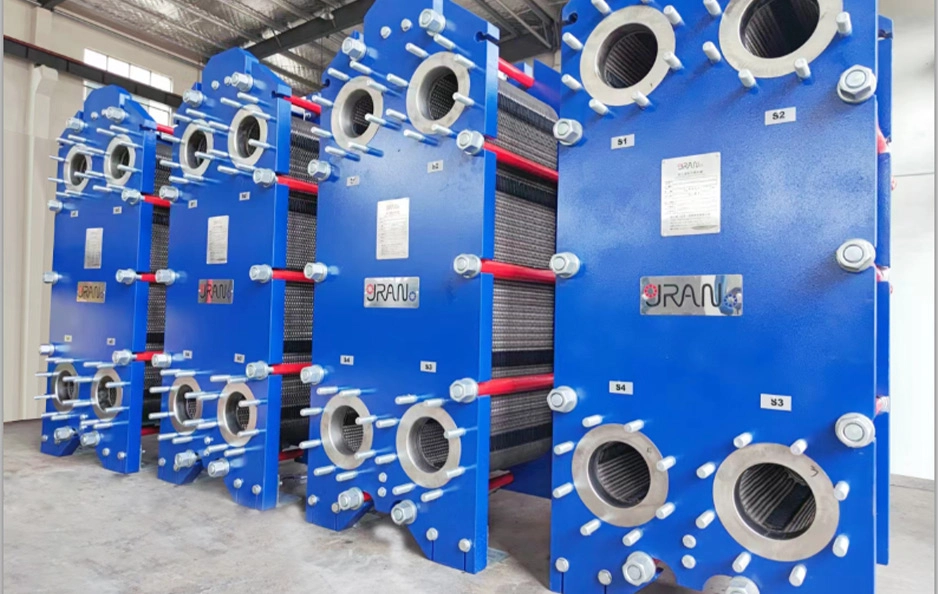
If your system struggles to reach target temperatures, you might need a completely new Plate Heat Exchanger. The surface of the heat exchange plate is pressed into a corrugated or grooved shape to increase the rigidity of the plate and improve the heat transfer efficiency. These high quality products at preferential prices cater to the needs of many industries.
Flexible Modular Design Utilization
A huge advantage of gasketed units is their flexible assembly. You can easily add more plates to meet production needs of different scales. The heat exchange area can be customized according to customer needs, reaching up to 5000m². This modular approach means you do not have to buy a completely new frame just to increase capacity.
Brazed Plate Heat Exchanger Transition
For applications pushing 40MPa and 300°C, traditional rubber gaskets will fail. Transitioning to a Brazed Plate Heat Exchanger makes perfect sense here. These units use brazing technology to weld metal plates into a compact structure, which has good corrosion resistance and high pressure resistance.
| Equipment Type | Maximum Working Pressure | Maximum Operating Temperature |
| Plate Heat Exchanger | 25MPa | 200°C |
| Brazed Heat Exchanger | 40MPa | 300°C |
| Shell and Tube Heat Exchanger | 50MPa | 400°C |
Partner With Grano for Heat Exchange Solutions
Sourcing replacement parts and managing massive industrial cooling systems requires a dependable manufacturing partner. Working directly with the source removes the guesswork from facility management.
Professional Maintenance Services
Keeping systems clean prevents heat energy from being seriously wasted. Professional factory teams handle chemical descaling and replace components safely. They use environmentally friendly and efficient cleaning agents to adapt to high-salt corrosion environments.
Global Manufacturing Expertise
Grano’s products have been exported to many places in the world, such as Europe, America, the Middle East, and Southeast Asia. A dedicated team handles strict quality control according to the ISO9001:2015 quality management system to make sure each product meets high quality standards.
Customized Product Inquiries
Whether you need a standard heating unit or a customized shell and tube setup capable of handling 50MPa, bulk orders are processed smoothly. You can communicate face-to-face with the technical team and sales team to guarantee that all requirements are met.
FAQ
Q1: Why does the pressure drop gradually increase over time?
A: This is caused by unclean media or too many particles and debris, which causes the plate to scale or the flow channel to be blocked.
Q2: What is the main purpose of the rubber sealing pad?
A: The gasket placed around the plate plays a sealing role and forms a certain gap between the plates to create a fluid channel.
Q3: How do you remove stubborn adhesive strips from the metal plates?
A: Liquid nitrogen quenching method or other methods can be used to quench and deform the rubber strips, and then tear them off.
Q4: What happens if the plates are arranged in the wrong pattern?
A: Herringbone heat exchange plates are divided into A plates and B plates; when installing, the AB plates must be arranged crosswise, and “AA” and “BB” are not allowed.
Q5: Which gasket material handles extremely high temperatures?
A: Fluororubber has a working temperature of -50°C to 250°C and provides high temperature resistance as well as acid and alkali resistance.


