
Cross flow and counter flow heat exchangers do the same basic job: they move heat from one fluid to another without mixing the two fluids. The difference sits in the flow path, and that small design point can change outlet temperature, heat recovery, pressure drop, cleaning work, and long-term cost. For buyers comparing Heat Exchan options for HVAC, process cooling, hot water, chemical service, or food production, this is not just a textbook topic.
Grano is a practical heat exchanger supplier for buyers who need plate heat exchangers, brazed plate heat exchangers, plates, gaskets, and service support. Founded in 2015, Grano focuses on R&D, sales, installation, and maintenance of plate heat exchanger systems. Its products are used in heating, air conditioning, metallurgy, hydraulic systems, chemicals, pharmaceuticals, food, energy, and other working sites. The company also offers spare parts, cleaning support, OEM and ODM service, international logistics, and technical matching for different media and temperatures.
What Does Flow Direction Mean in Heat Exchanger Design?
Flow direction means the way hot and cold fluids pass each other inside the exchanger. It sounds simple, but it decides how much temperature difference stays available across the heat transfer surface. A higher and steadier temperature difference usually means better heat transfer. A poor flow path can make the exchanger larger, more costly, or less stable during peak load.
Cross Flow Fluid Path
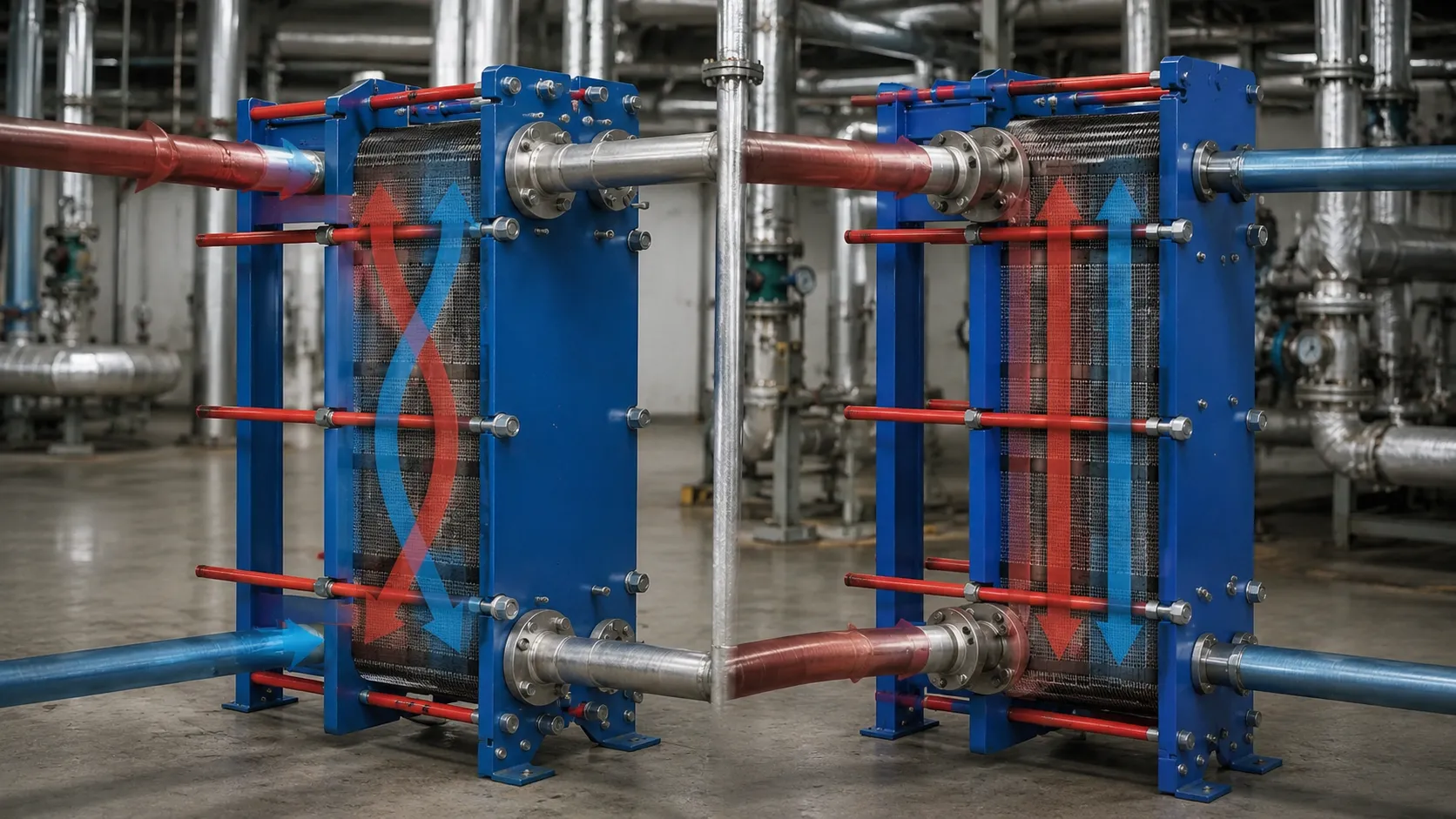
In a cross flow heat exchanger, the two fluids move across each other, often close to a 90-degree direction. This layout is common in air coils, radiators, and many gas cooling systems. It works well when one side is air, because air needs a wider channel and lower resistance. Cross flow is often selected when the equipment layout, duct direction, fan position, or space limit controls the design.
Counter Flow Fluid Path
In a counter flow heat exchanger, the hot and cold fluids move in opposite directions. This layout keeps the temperature gap more even from one end to the other. In many liquid-to-liquid duties, it gives better heat recovery than cross flow. This is why plate heat exchangers often use counter flow or near-counter flow channel design.
Heat Transfer Contact Time
Contact time does not mean the fluids touch. They stay separated by metal plates, tubes, or walls. The point is that both streams remain close to the heat transfer wall long enough for heat to move through it. Counter flow often gives the cold stream more chance to pick up heat, while the hot stream cools down step by step. In a plant room, this can mean fewer complaints about unstable outlet water temperature.
How Does Cross Flow Compare With Counter Flow in Thermal Efficiency?
Thermal efficiency matters because it affects energy use, equipment size, pump load, and whether the system reaches the required outlet temperature. Cross flow has its place, especially for air-side equipment. Counter flow is usually stronger when two liquids exchange heat and when the buyer wants closer temperature approach.
Temperature Difference Use
Counter flow makes better use of the temperature difference between two streams. The cold outlet can get closer to the hot inlet temperature than in many cross flow designs. That matters in heat recovery systems, hot water loops, and process heating lines where each degree has a cost. Cross flow may need a larger surface area to reach a similar outlet temperature.
Heat Recovery Potential
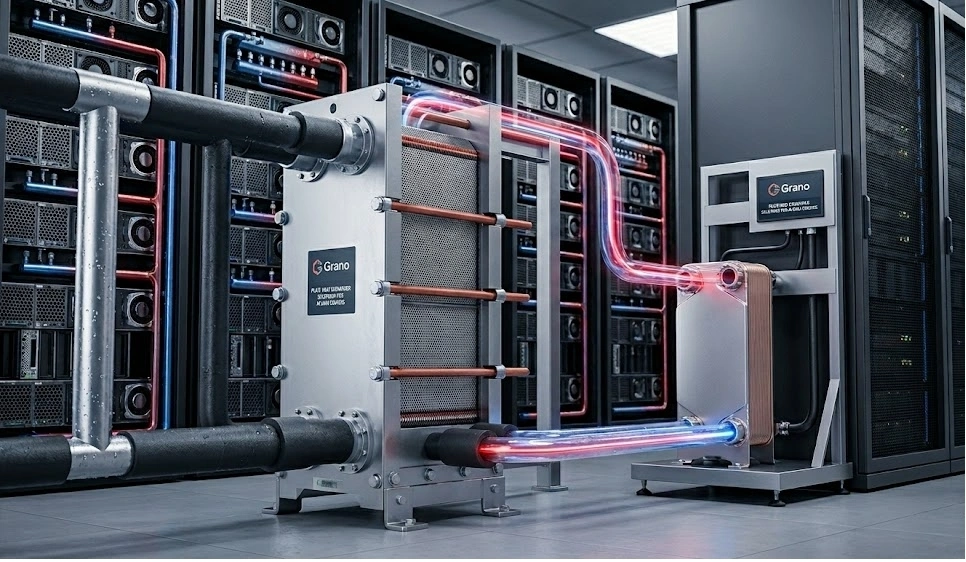
For heat recovery, counter flow is often the safer starting point. A Plate Heat Exchanger from Grano uses corrugated plates and narrow channels to create strong fluid disturbance. This helps heat pass through the plates faster. The product is also compact, so it can fit into many heating, cooling, and industrial systems without taking much floor space.
Energy Cost Impact
Energy savings rarely look exciting in one shift, but they become clear after months of operation. A heating station, hotel water loop, or factory cooling line may run every day. If counter flow improves heat recovery and reduces boiler or chiller load, the saving repeats again and again. It is not a fancy point, but plant engineers care about this kind of boring math.
|
Flow Pattern |
Fluid Direction |
Common Use |
Main Benefit |
Common Limit |
|
Cross Flow |
Streams Cross Each Other |
Air Coils, Radiators, Gas Cooling |
Easy Layout for Air-Side Systems |
Lower Heat Recovery in Many Liquid Duties |
|
Counter Flow |
Streams Move in Opposite Directions |
Plate Heat Exchangers, Process Heat Recovery, Hot Water Systems |
Better Temperature Difference Use |
Needs Careful Pressure Drop Design |
Which Flow Type Is Better for Industrial Heating and Cooling Systems?
There is no fixed winner for every job. The better choice depends on medium type, flow rate, temperature target, fouling risk, pressure limit, and maintenance plan. A unit that looks cheaper at purchase can become costly if it blocks too often, misses outlet temperature, or needs a long shutdown for cleaning.
HVAC System Requirements
For HVAC water-to-water heat exchange, counter flow plate heat exchangers are usually a strong choice. They are compact, easy to install, and suitable for heating, bathing water, air conditioning, and general building service. Grano’s product information shows that plate heat exchangers are widely used in heating, HVAC, metallurgy, chemical processing, food, and related industries.
Chemical and Process Cooling
Chemical and process cooling systems need more careful material and pressure checks. Medium type, corrosion risk, and operating temperature should be confirmed before selection. Grano’s brazed heat exchanger uses brazing technology to connect metal plates into a tight, compact body with good corrosion resistance and high pressure resistance. For chemical, petroleum, natural gas, and power fields, this can be a useful option when the medium is clean enough.
Food and Pharmaceutical Applications
Food and pharmaceutical systems often require clean surfaces, stable materials, and simple inspection. A detachable plate heat exchanger can be opened for cleaning, gasket replacement, or plate checking. This is helpful when product residue or scale may build up. Stainless steel, titanium alloy, and the right gasket material should be selected based on the fluid, cleaning agent, and temperature range.
How Do Plate Heat Exchangers Improve Counter Flow Performance?
Plate heat exchangers are popular because they place a large heat transfer area inside a small frame. The working idea is direct: thin plates, narrow channels, and corrugated surfaces help the fluid move with stronger turbulence. When the plate pattern, gasket, pressure drop, and channel number are matched correctly, the exchanger can deliver high heat transfer with less space.
Corrugated Plate Turbulence
Grano’s plate heat exchanger uses corrugated plates. The surface shape strengthens the plate and also disturbs the fluid. This reduces the smooth layer near the metal surface, so heat can pass through more quickly. It is one reason plate heat exchangers often perform well in water-to-water and liquid-to-liquid duties.
Compact Heat Transfer Area
The Plate Heat Exchanger can be customized up to 5000 m² heat exchange area. Its maximum working pressure reaches 25 MPa, and its maximum operating temperature reaches 200°C. These figures make it suitable for many HVAC, industrial cooling, food processing, and petrochemical applications, though final sizing still needs real flow rate and temperature data.
Easier Cleaning and Maintenance
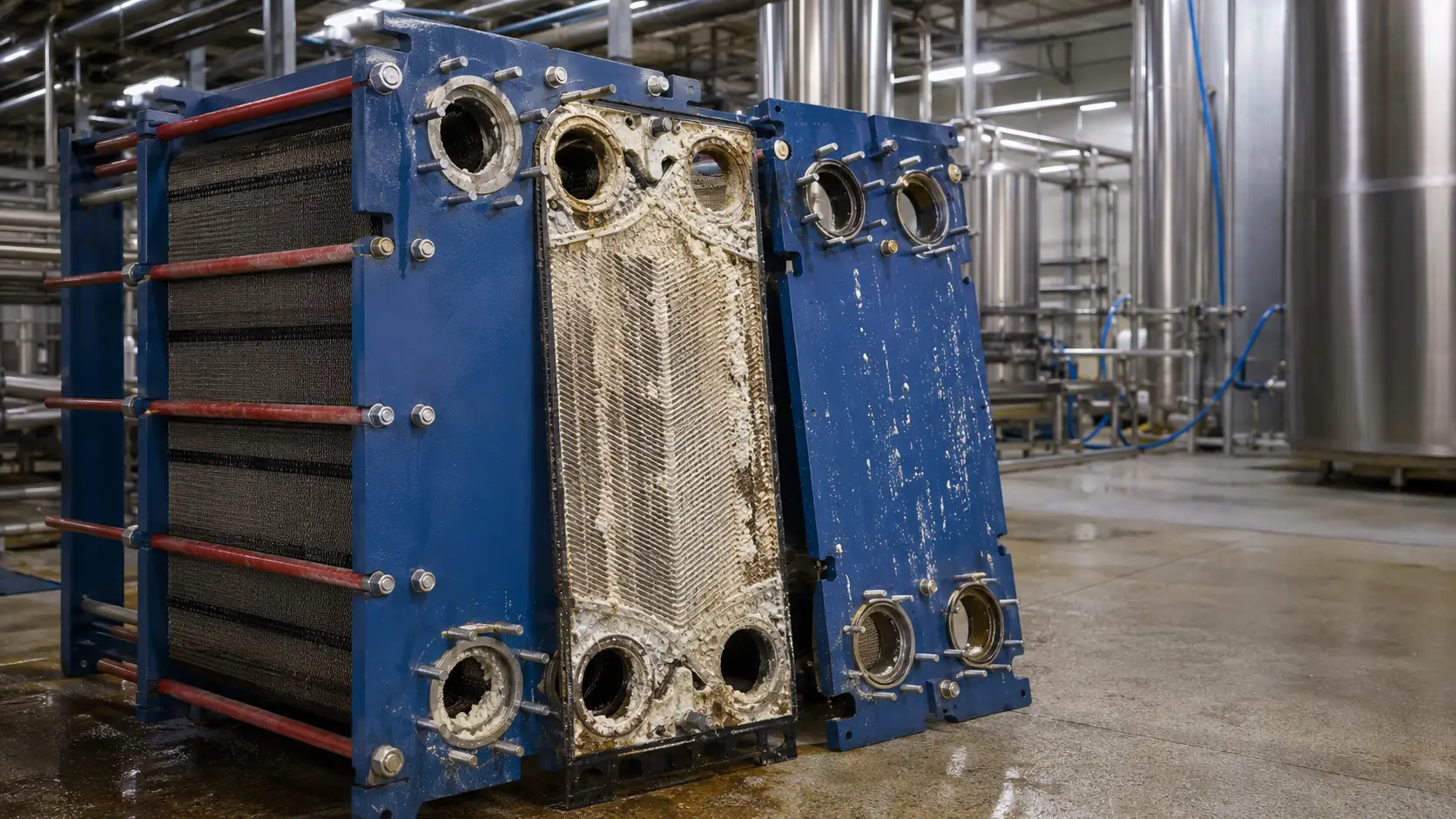
A gasketed plate heat exchanger can be opened, cleaned, checked, and rebuilt. This matters when water quality is not perfect. Scale on the plate surface reduces heat transfer and wastes energy. Grano also provides service support for heat exchanger maintenance, spare parts, packaging, shipping, and after-sales needs, which is useful for buyers who want long-term support rather than a one-time purchase.
|
Grano Product Type |
Heat Exchange Area |
Maximum Working Pressure |
Maximum Operating Temperature |
Typical Materials |
|
Plate Heat Exchanger |
Up to 5000 m² |
25 MPa |
200°C |
Stainless Steel, Titanium Alloy, Carbon Steel |
|
Brazed Plate Heat Exchanger |
Up to 2500 m² |
40 MPa |
300°C |
Stainless Steel, Titanium Alloy, Aluminum Alloy |
When Should Buyers Choose a Brazed Plate Heat Exchanger?
A brazed plate heat exchanger is different from a gasketed plate heat exchanger. It does not use rubber gaskets between plates. The plates are joined by brazing, so the body is compact and sealed. This design is often selected for clean media, small installation space, high pressure, and systems that do not require frequent opening.
High Pressure Working Conditions
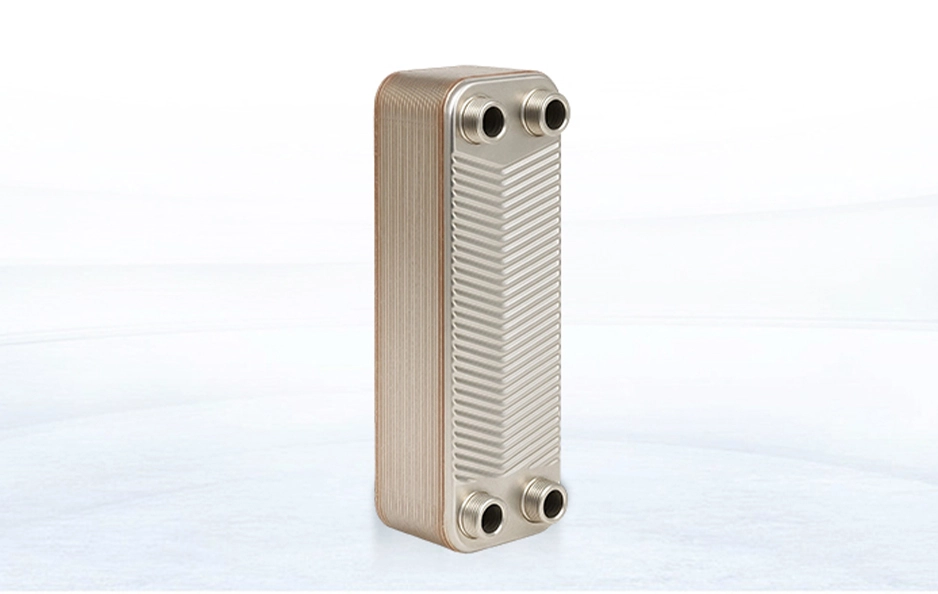
The Brazed Plate Heat Exchanger from Grano is suitable for high temperature and high pressure service. Product data lists a maximum working pressure of 40 MPa and a maximum operating temperature of 300°C. These numbers are important for petroleum, natural gas, chemical, and power applications where a normal light-duty unit may not be enough.
Small Equipment Space
Brazed plate heat exchangers are known for small size. Grano’s brazed unit keeps the usual strengths of plate exchangers, such as high heat transfer efficiency and compact structure. It can be a good fit for machine rooms, packaged systems, and skid-mounted equipment where every square meter is counted. Small space does not sound exciting, but many project delays start exactly there.
Stable Heating and Cooling Duty
Brazed units respond quickly to temperature change because metal plates have close contact and high heat conduction efficiency. They are also useful for small temperature difference duties. One practical note: because brazed exchangers are not designed for easy opening, they are better for clean media. If the fluid contains particles or heavy scaling risk, a detachable plate exchanger may be the more comfortable choice.
|
Gasket Material |
Working Temperature Range |
Common Medium Fit |
|
EPDM |
-54°C to 150°C |
Water, Steam, Air-Water Exchange |
|
High Temperature EPDM |
-54°C to 170°C |
Water, Steam, Superheated Water |
|
Ultra-High Temperature EPDM |
-54°C to 200°C |
Water and Severe General Duties |
|
Nitrile Rubber |
-30°C to 120°C |
Oil-Water Exchange |
|
High Temperature Nitrile |
-30°C to 150°C |
Oil-Water and Gas-Oil Exchange |
|
Fluororubber |
-29°C to 220°C |
Oil, Acid, Alkali, Salt Media |
|
High Temperature Fluororubber |
-29°C to 300°C |
High Temperature Chemical Media |
|
Silicone Rubber |
-100°C to 230°C |
Low Temperature and Dry Heat Conditions |
Why Choose Grano for Plate and Brazed Plate Heat Exchanger Projects?
After the flow pattern is clear, supplier selection becomes the next concern. The buyer needs more than a price. Material choice, gasket match, pressure rating, delivery packing, spare parts, and service response all affect the final result. A wrong gasket can stop a system faster than people expect.
Grano Plate Heat Exchanger Recommendation
For HVAC, industrial cooling, food processing, and petrochemical duties, Grano’s Plate Heat Exchanger is suitable when the project needs high heat transfer, compact size, and easier cleaning. The detachable frame, plates, gaskets, bolts, and clamping structure make it practical for systems that may need inspection or future capacity change.
Grano Brazed Plate Heat Exchanger Recommendation
For clean media, high pressure, high temperature, and compact installation, Grano’s Brazed Plate Heat Exchanger is worth checking early. It offers a small footprint, high heat conduction efficiency, and lower routine maintenance demand. It is often better for buyers who want a sealed, space-saving unit rather than a removable plate pack.
Custom Selection and Technical Support CTA
Grano supports heat exchanger selection, installation, spare parts, gaskets, plates, maintenance, OEM cooperation, ODM cooperation, and international delivery. For a useful quotation, send the medium name, flow rate, inlet and outlet temperatures, working pressure, allowed pressure drop, material request, and cleaning condition. Buyers can contact Grano Heat Energy Technology for a practical match instead of guessing from a model list.
FAQ
Q1: What Is the Main Difference Between Cross Flow and Counter Flow Heat Exchangers?
A: Cross flow refers to two fluids crossing each other in flow, whilst counter flow refers to two fluids flowing in opposite directions. It is generally accepted that for a liquid-liquid heat exchanger that maximum heat recovery is obtained by utilizing the temperature difference as fully as possible, and this is better achieved by a counter flow arrangement.
Q2: Is Counter Flow Always Better Than Cross Flow?
A: No. Counter flow is often preferred for heat recovery, but cross flow is typical for air heat exchangers, for radiators and for gas cooling systems. This depends on several factors, like the medium, available space, pressure drop and the desired outlet temperature.
Q3: Why Are Plate Heat Exchangers Often Used for Counter Flow Duties?
A: Plate heat exchangers use narrow channels and the thin corrugated plates are placed one on top of the other in a compact housing. The use of Plate heat exchangers for water-to-water applications and other process heating and cooling applications is a popular choice because they are efficient in terms of heat transfer in a small housing.