
Industrial facilities constantly battle rising energy costs and severe space limitations. Picking the right thermal equipment makes a massive difference in your daily operations and bottom line. For decades, massive tubular structures dominated the market. Today, modern compact alternatives are entirely changing the landscape. When a plant needs an upgrade, knowing the cold hard facts helps you avoid costly mistakes.
When searching for reliable industrial hardware, finding a solid supplier is half the battle. Established in 2015, Grano specialize in producing detachable units, vital gaskets, and high-strength plates. Armed with deep technical expertise, this company caters to the exact needs of various industries, delivering products that operate flawlessly under pressure. You get top-tier hardware at preferential prices, making it much easier to keep your plant running smoothly without breaking the budget.
The Core Differences between the Systems
Getting to the bottom of how these two distinct technologies function is step one in making a smart purchase. They look completely different, operate using different mechanics, and handle thermal loads in entirely separate ways.
Basic Mechanics of Plate Systems
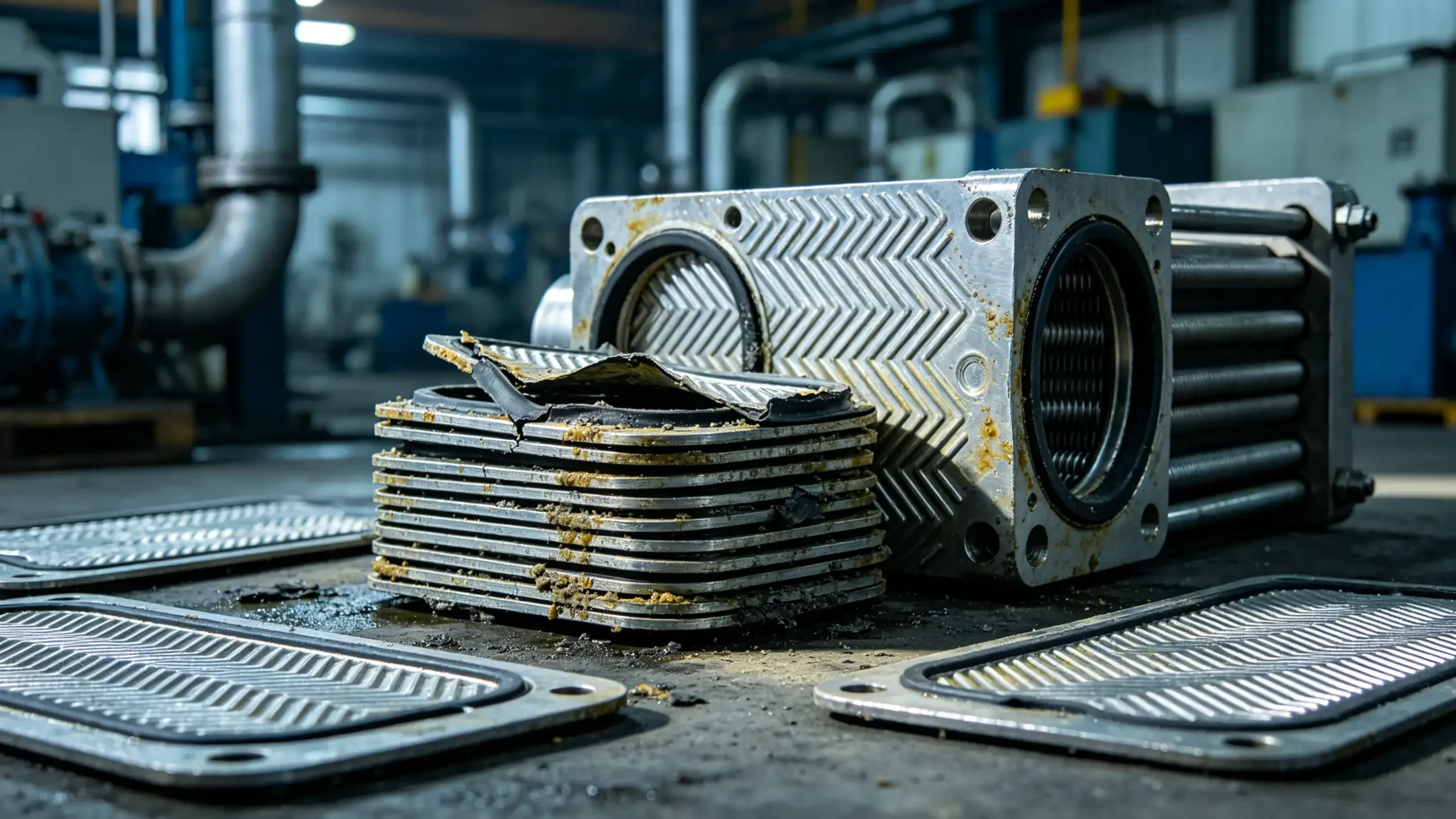
This equipment heavily relies on corrugated heat transfer plates pressed directly from stainless steel. These specific plates feature four flow channel holes and a herringbone corrugation pattern right in the middle, surrounded by sealing grooves. Working fluids flow through narrow, tortuous channels formed between these plates to exchange heat. A high-quality Plate Heat Exchanger uses this intricate design to deliver incredible thermal control within very tight spaces.
Operational Principles of Shell and Tube Configurations
This is the older, more conventional approach to industrial cooling and heating. A Shell and Tube Heat Exchanger adopts a two-part structure containing a heavy tube bundle and an outer shell. These robust units excel at handling large flow rates alongside low pressure drops. They remain structurally simple, highly durable, and very reliable for massive industrial plants.
Key Structural Contrasts
The physical differences are quite stark. Plate models install their metallic sheets inverted, which creates thousands of staggered contacts evenly distributed across the surface. This cross-corrugation provides a remarkably high pressure bearing capacity in a tiny package. Conversely, tubular setups rely mostly on thick metal walls and sheer mass to withstand internal working pressures.
Unmatched Thermal Efficiency and Performance Advantages
Efficiency isn’t just an industry buzzword; it directly impacts your monthly utility bills. Let’s dig into why one specific design typically squeezes more usable energy out of your fluids than the other.
Higher Heat Transfer Coefficients
Corrugated surfaces force fluids to move erratically rather than in straight, calm lines. This specific design makes plate equipment the most efficient among all heat exchanger types currently available. It easily outperforms older models by capturing heat that would otherwise just go to waste.
| Specification | Plate Equipment | Tubular Equipment |
|---|---|---|
| Maximum Working Pressure | 25MPa | 50MPa |
| Maximum Operating Temperature | 200°C | 400°C |
| Heat Exchange Area | Up to 5000m² | Customizable |
| Primary Materials | Stainless steel, titanium | Stainless steel, carbon steel, copper |
Reduced Temperature Approach
Because the fluids flow in opposite directions through very thin channels, the temperature difference between the exiting hot and cold fluids gets incredibly small. This precise temperature control works perfectly for sensitive chemical processing or strict food safety guidelines, where being off by a few degrees ruins a whole batch.
Optimal Flow Turbulence Control
Those herringbone patterns are not there just for visual appeal. Fluid flowing around the numerous contact points generates strong disturbances. This turbulence prevents stagnant boundary layers from forming, meaning you get a very high heat transfer coefficient even at low fluid velocities.
Significant Space Savings and Installation Flexibility
Floor space in any modern industrial plant costs serious money. Cramming oversized equipment into a tight mechanical room is a total nightmare for contractors and facility managers alike.
Compact Footprint Requirements
One major benefit is the naturally small size and minimal footprint. A plate unit might only take up a fraction of the space required by a traditional tubular system doing the exact same job. You can physically fit it into cramped corners where older equipment would simply never go.
Easy Integration into Existing Facilities
When retrofitting an old heating station or HVAC system, getting large machinery through standard doors is tough. Compact modular designs bypass this problem completely. During installation, you just need to keep the lifting rope off the connecting pipes or positioning beams to prevent mechanical damage. Connecting pipes should also be cleaned to stop sand and welding slag from entering and causing blockages.
Scalable Designs for Future Expansions
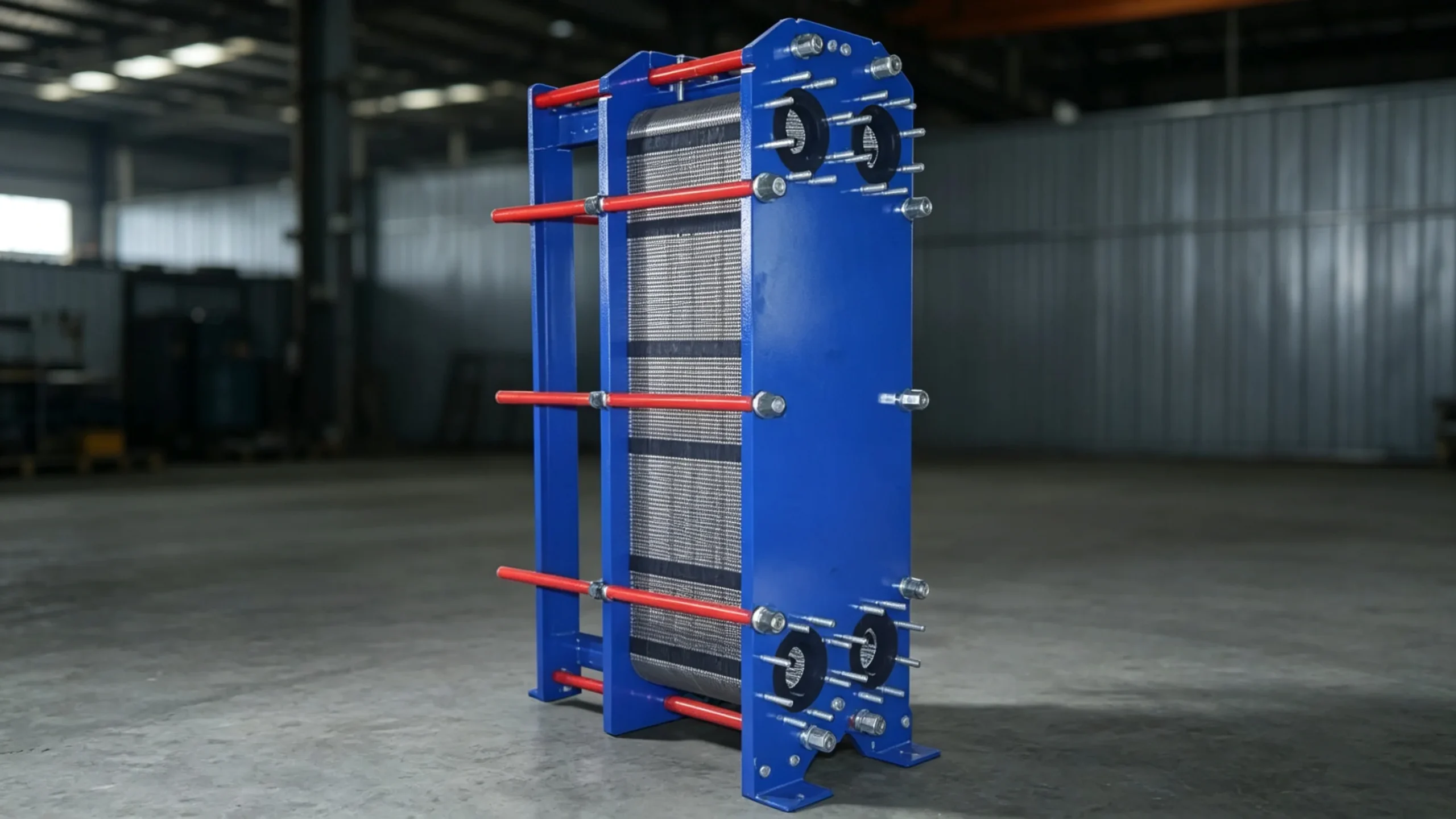
Production needs change constantly. These systems offer incredibly flexible assembly. If you suddenly need more heating capacity next year, you simply loosen the clamping studs and add more plates inside the existing frame. Tubular models force you to rip out the old machine and buy a completely new, larger unit.
Lower Maintenance Costs and Operational Downtime
Every hour your system sits idle for repairs, the factory loses money. Keeping maintenance simple and quick is practically mandatory for a profitable, low-stress operation.
Simplified Cleaning Processes
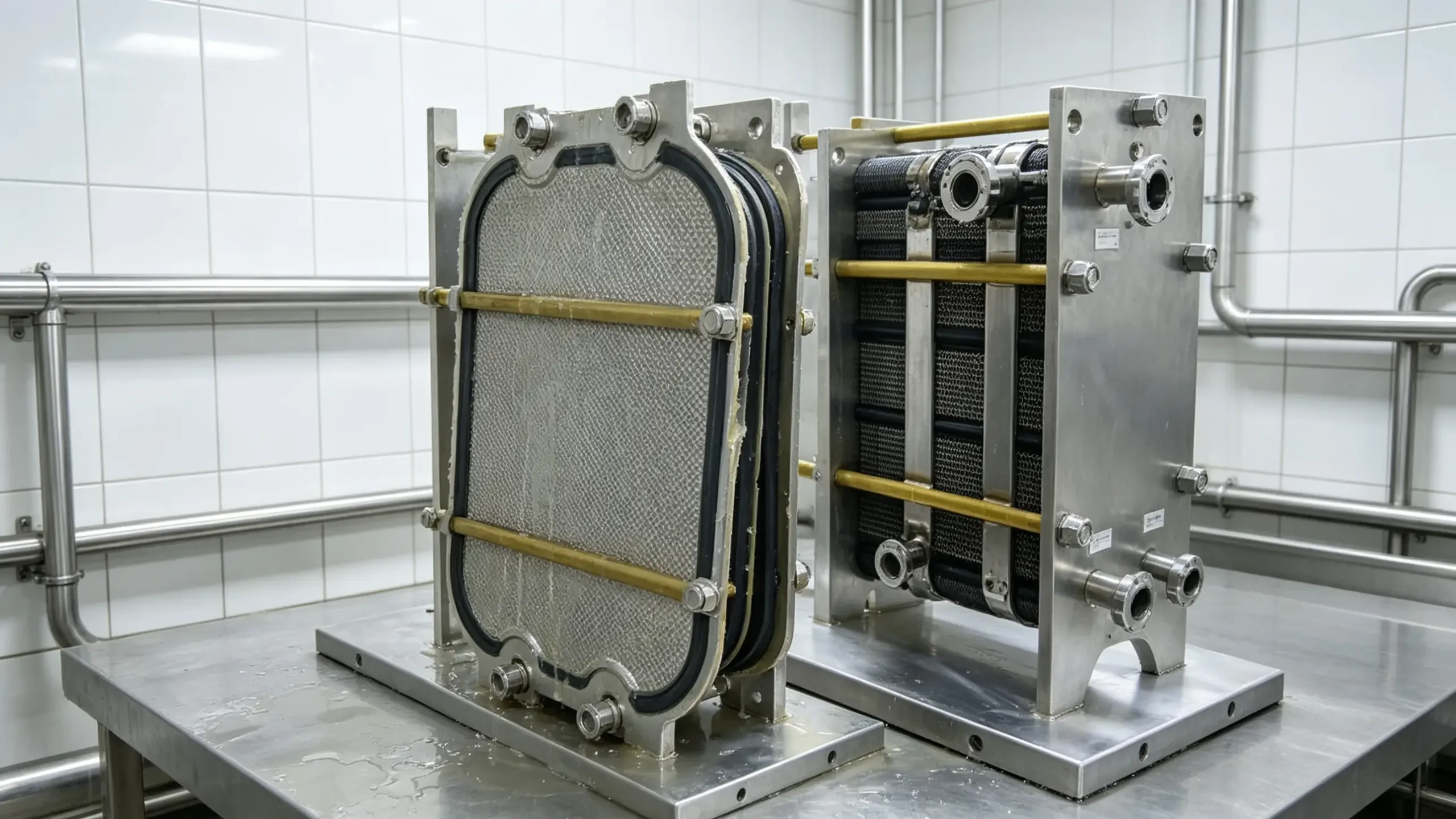
Scaling and fouling will happen eventually when dealing with hard water. But these units are very easy to disassemble, clean, and repair. You can run a chemical wash directly through the system. Open-type flushing before acid washing removes mud and scale, which significantly reduces the total acid consumption. After the acid step, you use sodium hydroxide and softened water for alkali washing to neutralize the environment.
Quick Access to Internal Components
Checking for hidden issues like microscopic cracks, pits, or aging gaskets is straightforward. Workers can use a simple light or penetration method to inspect for perforations right on the shop floor. Damaged pieces are swapped out individually without scrapping the whole machine.
Reduced Frequency of Fouling
High internal turbulence naturally scrubs the metal surfaces clean as the fluid moves. This mechanical self-cleaning effect means dirt and scale have a very hard time sticking to the walls, significantly lengthening the time between your mandatory maintenance shutdowns.
Choosing the Right Equipment for Your Industrial Application
Not every facility needs the exact same setup. You have to match the physical hardware to the specific pressures, chemical fluids, and temperatures of your daily operations.
High-Pressure Scenarios
Standard rubber gaskets sometimes fail under extreme stress. For conditions exceeding 150 degrees Celsius, you need specialized materials. Alternatively, brazed equipment handles up to 40MPa and 300 degrees Celsius by using brazing technology to weld plates into a solid, high-pressure structure.
| Gasket Material | Temperature Range | Ideal Application |
|---|---|---|
| Nitrile Rubber (NBR) | -30°C to 120°C | Oil-water exchange, aliphatic oil |
| EPDM Rubber | -54°C to 150°C | Water-water exchange, steam |
| Fluorine Rubber | -29°C to 220°C | Acid, alkali, corrosive mediums |
| Silicon Rubber | -100°C to 230°C | Extreme temperatures, dry heat |
Large Flow Rate Applications
Sometimes the old ways still hold serious value. If you work in steel, metallurgy, or heavy petrochemicals with massive fluid volumes, tubular structures perform incredibly well in low pressure drop and large flow heat exchange needs.
Custom Solutions from Grano
Finding the exact fit for a unique project often requires bespoke engineering. Learning about us reveals that this manufacturer provides tailored equipment using diverse materials like titanium alloy, carbon steel, and specialized duplex steel. You get exactly what your process fluid demands.
Choose Grano for Your Heat Transfer Solutions
Sourcing reliable industrial hardware is stressful, especially with varying international standards. Partnering with a proven supplier makes the entire procurement cycle infinitely smoother and safer.
Comprehensive Product Portfolio
The catalog goes far beyond just standard units. It includes all-weld versions, storage units, marine seals, and a vast array of spare gaskets. High-quality raw materials are sourced globally, including premium steel from China and imported rubber compounds to maintain high standards.
Professional Maintenance Services
Equipment naturally wears down over time. A dedicated Service team offers on-site cleaning, rigorous pressure testing, and complete component replacements. They even provide remote video support and customized reinforced aluminum box packaging to keep high-value items perfectly safe during transit.
Global Reach and Reliability
Products from this facility successfully operate in Europe, America, the Middle East, and Southeast Asia. From a data center cooling system in Guizhou to a massive seawater desalination plant in Saudi Arabia, their track record is extremely solid. Reach out to the sales team today and secure a competitive quote for your next major upgrade.
FAQ
Q1: What causes the pressure drop to increase suddenly?
A: A sudden spike usually points to unclean media or excessive particles blocking the narrow flow channels, meaning it is time for a thorough cleaning.
Q2: How often should the sealing gaskets be replaced?
A: It strictly depends on your operating temperature and fluid type, but routine inspections during scheduled maintenance will quickly reveal if the rubber is aging, deforming, or losing its elasticity.
Q3: Can these compact units handle corrosive chemicals?
A: Absolutely. By utilizing titanium plates and specialized fluorine rubber gaskets, they easily manage highly corrosive acids, alkalis, and salt mediums.
Q4: What is the maximum working pressure for a standard plate system?
A: They generally operate safely up to 25MPa, depending on the specific model and plate thickness you order.
Q5: Is it difficult to expand the capacity later on?
A: Not at all. Because of the flexible modular design, you just loosen the clamping bolts and insert additional corrugated plates right into the existing frame.