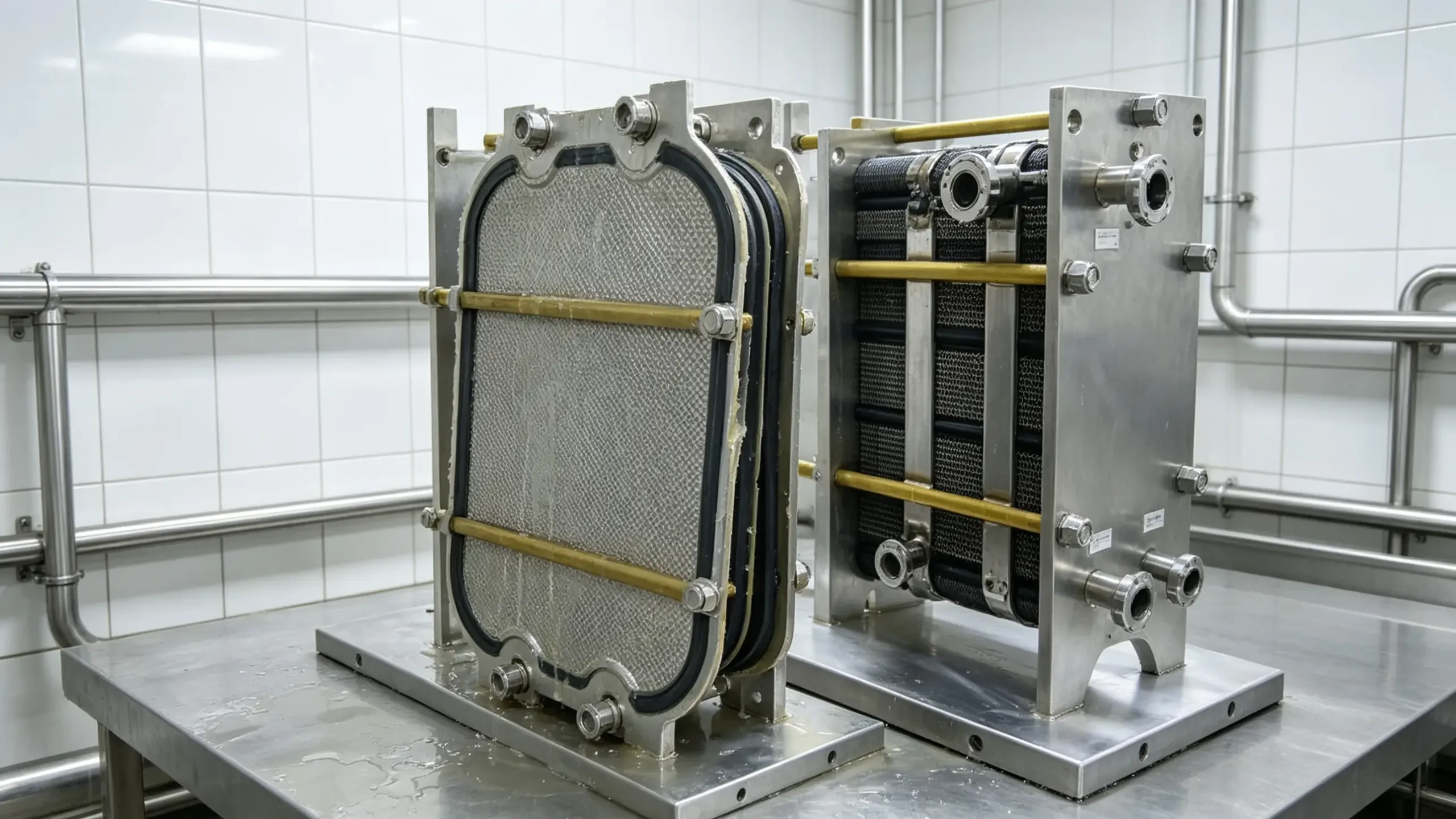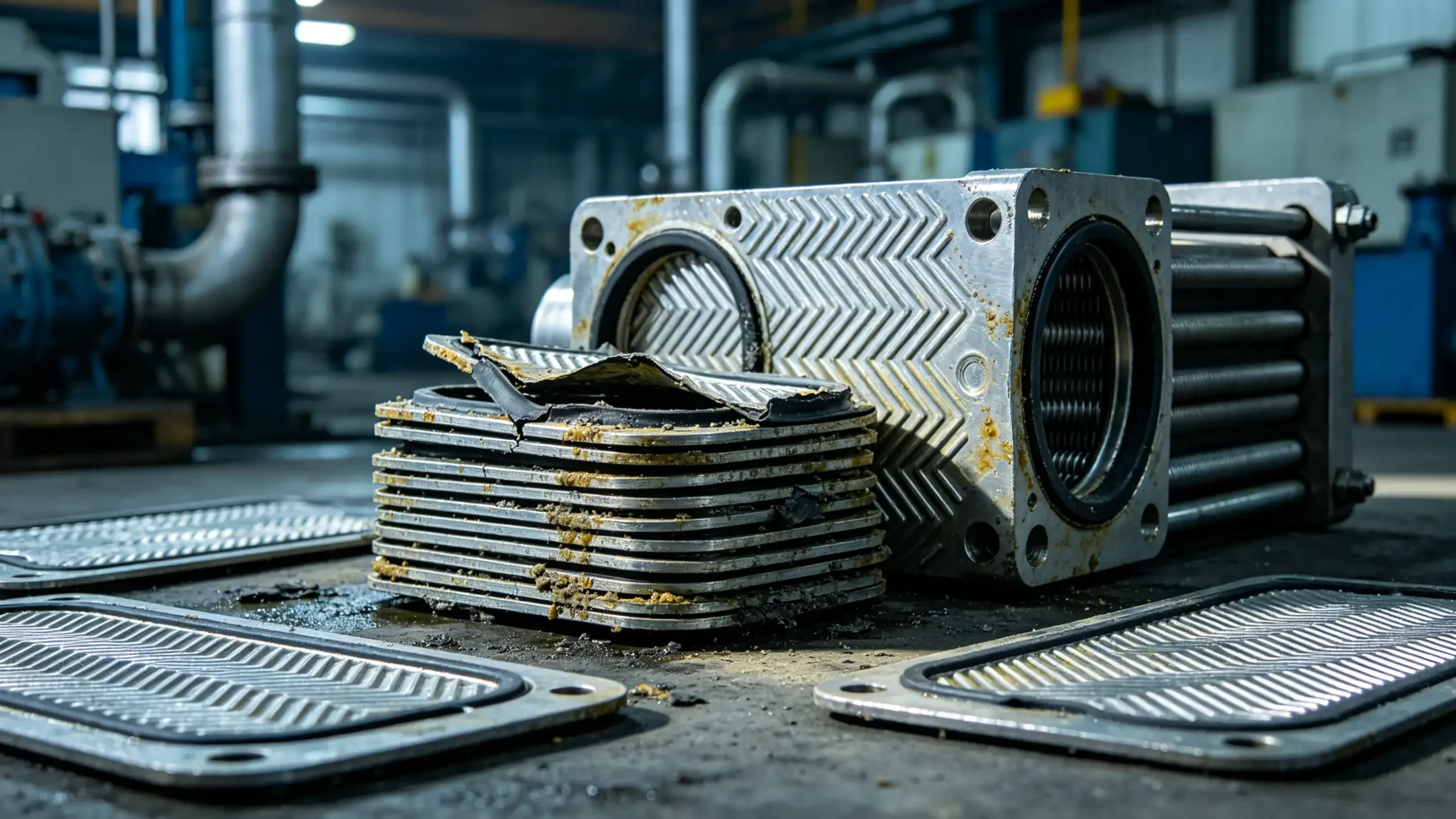

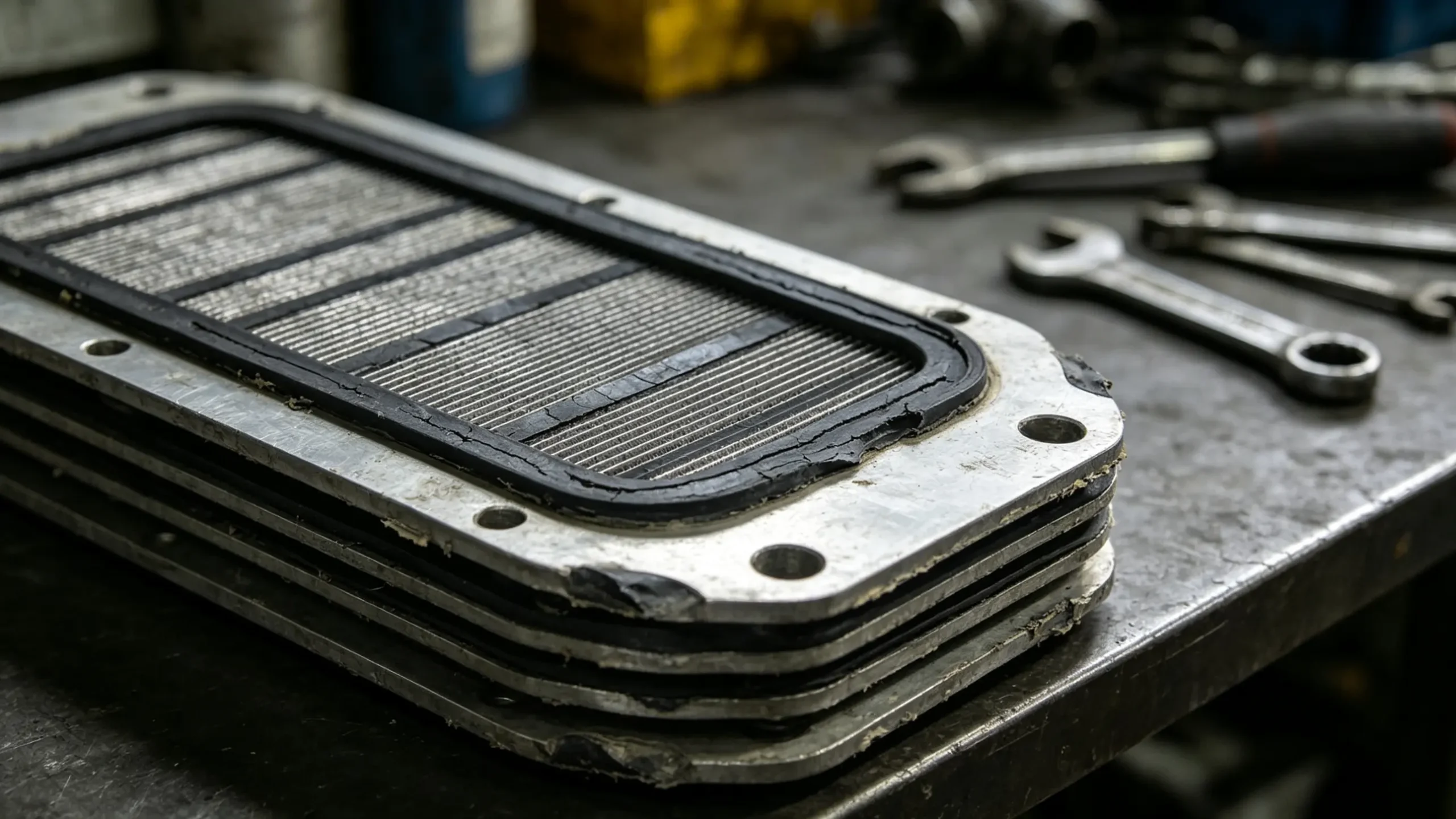
A gasket might look like a cheap strip of rubber, but inside thermal equipment, it completely dictates whether the unit holds pressure or dumps expensive process fluid all over the floor. When rubber degrades, it rarely fails on day one. You usually get a tiny drip or a weird temperature fluctuation first.
For buyers chasing solid thermal hardware, Grano stands as a dedicated supplier of detachable units, Plate Heat Exchanger Gasket components, and heavy-duty plates. They also run a Service division covering everything from standard gasketed models to complex plant setups.
External Leakage Around the Plate Pack
External leakage is the most obvious red flag screaming for maintenance. A leak typically starts small, but thermal equipment doesn’t magically heal itself once a seal loses its original profile.
Small Drips Near the Frame
A couple of puddles near the metallic pack often mean the rubber hardened or a plate warped. Plant operators sometimes just wipe the metal clean. That trick might survive one shift, but definitely not a whole production season.
Wet Gasket Lines
Moisture tracking along the groove points heavily toward dead rubber or uneven bolt tension. The sealing faces must stay perfectly flat, free of flash defects. Once the material gets wavy, holding a safe boundary becomes nearly impossible.
Repeated Bolt Tightening
Cranking down on bolts repeatedly is a terrible strategy. Over-tightening crushes plates and creates new leak paths. For serviceable hardware like a Plate Heat Exchanger, the smarter move involves finding an exact matching spare and torquing the bolts to the factory-recorded length.
Rising Pressure Drop and Poor Flow
Pressure drop gets ignored constantly because the machine technically keeps running. However, climbing pressure resistance means the circulation pump is fighting much harder than it should.
Blocked Flow Channels
When cooling media carries sand or rust, particles settle in the tight passages. As flow becomes restricted, localized stress on the rubber seals spikes sharply, causing premature failure.
Scale on Plate Surfaces
Poor water treatment leaves hard mineral scale baked onto the heat transfer walls. Calcium deposits choke the flow area. In real-world utility plants, this is a tedious headache that ruins a Plate Heat Exchanger Gasket over time.
Higher Pump Load
When a pump motor pulls higher amps for no obvious reason, check the exchanger. Swapping a seal won’t fix a fouled pack, but taking the unit offline lets you acid-wash the metal and install fresh seals simultaneously.
Lower Heat Transfer Efficiency
Rubber obviously doesn’t transfer heat, but it directs the fluid exactly where the heat exchange needs to happen. When a seal flattens out, the internal fluid path gets scrambled.
Lower Outlet Temperature Accuracy
If hitting the target temperature suddenly feels difficult, don’t just blame the control valve. A compromised boundary messes up the entire fluid distribution pattern, causing bypass flow.
Longer Heating Time
Batch reactors and large chillers often exhibit this symptom. Reaching the setpoint takes 45 minutes instead of 20. Electrical usage quietly climbs day after day. It drains the maintenance budget relentlessly.
More Frequent Cleaning
If you tear the unit apart every few months, the rubber compound probably clashes with your chemical media. Picking the correct elastomer is a massive part of predictive maintenance.
| Gasket Material | Working Temperature | Common Use Note |
|---|---|---|
| Nitrile Rubber (NBR) | -20°C to 135°C | Oil resistant, handles general working conditions |
| EPDM Rubber | -50°C to 180°C | Deals with acid, alkali, salt, chloride, corrosive media |
| Fluororubber | -50°C to 250°C | High temp, heavy acids, oil, specific reagent service |
| Neoprene | -20°C to 150°C | General oil resistant duties |
| Silicone Rubber | -65°C to 230°C | Extreme low temps and dry heat resistance |
Media Mixing or Product Contamination
Mixing fluids is vastly more dangerous than a puddle on the floor. It heavily suggests aggressive corrosion, microscopic plate cracking, or a total rupture of the internal barrier.
Synchronized Pressure Changes
When the primary and secondary pressure gauges unexpectedly rise or fall in perfect sync, a plate is likely perforated. This scenario demands an immediate shutdown. Guessing is incredibly dangerous here.
Changed Fluid Color
Any weird discoloration or chemical smell transferring to the clean side serves as a massive red flag. Some technicians only swap the Plate Heat Exchanger Gasket. Metal sheets also require a thorough dye-penetrant test to catch hairline fractures.
Visible Gasket Aging, Swelling, or Hardening
A scheduled preventive teardown offers the best opportunity to catch failing parts before they cause unplanned downtime. Rubber fundamentally changes due to heat baking and constant compression.
Cracks and Flattening
Stiff edges and flattened sealing ribs indicate the polymer lost its elastic memory. Spare inventory goes bad if stored poorly. They need to sit in a cool room below 40°C, isolated from random solvent fumes.
Swelling and Softening
A swollen seal usually means the process fluid is eating the rubber. While Nitrile handles lube oil cooling, EPDM is the go-to for steam. Fluororubber tackles brutal temperatures, but it’s not a universal cure-all.
Poor Fit After Reassembly
If a rubber strip twists or refuses to sit flat, it will almost certainly blow out during startup. Mating surfaces must be surgically clean. Rushing this step breeds mystery leaks later.
Choose the Right Replacement Path Before the Next Shutdown
Replacing parts is a good time to evaluate if the current technology actually fits the application. Some dirty processes desperately need the ability to open and scrub the internals.
Gasketed Unit Replacement
Traditional frames fit systems requiring frequent manual scrubbing and routine inspections. They handle high structural demands depending on plate thickness.
Alternative Tubular Systems
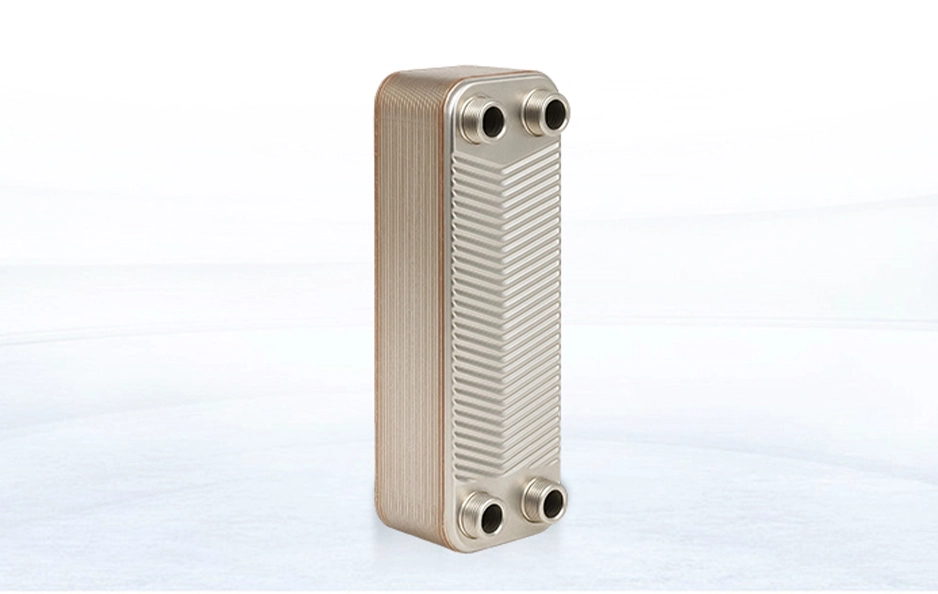
For massive volumetric flows in steel plants where pressure drops must remain incredibly low, a Brazed Plate Heat Exchanger performs flawlessly. Their sheer physical durability is totally unmatched for brutal industrial loads.
| Item | Plate Heat Exchanger | Brazed Plate Heat Exchanger |
|---|---|---|
| Heat Exchange Area | Up to 5000 m², customizable | Up to 2500 m² |
| Maximum Working Pressure | 25 MPa | 40 MPa |
| Maximum Operating Temperature | 200°C | 300°C |
| Main Materials | Stainless steel, titanium alloy, carbon steel | Stainless steel, titanium alloy, aluminum alloy |
Before buying, gather the nameplate data, fluid types, and operating metrics. Taking photos of the leak helps significantly. If you want to dig into their engineering background, check out the About Us page to see their manufacturing history.
FAQ
Q1: How often should you replace a Plate Heat Exchanger Gasket?
A: There is no universal timeline. Swap them when you notice physical hardening, creeping pressure drops, or a loss in thermal efficiency. Running aggressive chemicals shortens lifespan dramatically.
Q2: Will cranking down the frame bolts stop an active leak?
A: It might temporarily pinch off a tiny drip, but it’s a terrible permanent fix. Asymmetrical tightening crushes metal corrugations and pinches rubber right out of the track.
Q3: What material works best for basic hot water and steam loops?
A: EPDM is the heavy favorite for water-to-water or steam duties. Your final pick always hinges on peak operating temperatures and cleaning chemicals flushed through the loop.
Q4: Is a brazed or tubular setup superior to a gasketed frame?
A: It completely depends on plant duty. Brazed blocks and tubular systems handle brutal pressures well, but gasketed frames let you actually open the machine for physical scrubbing.
Q5: What details do suppliers need before quoting replacement seals?
A: Send the original equipment model, total plate count, current rubber type, and peak temperatures. Tossing in photos of the failing parts speeds up the quotation process tremendously.