
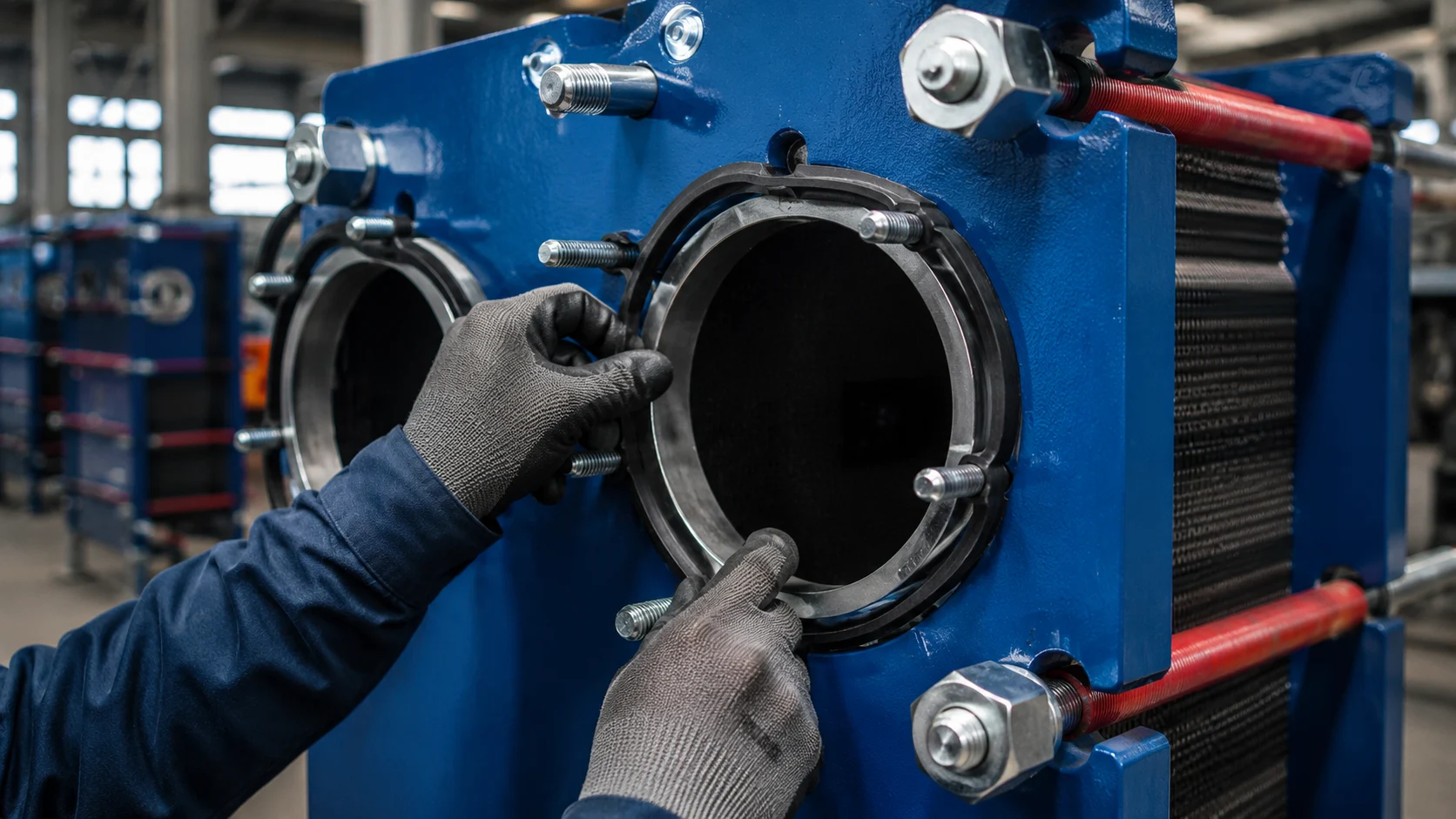
 You get a maintenance ticket for a simple seal replacement. But when your crew tries to press the new rubber into the metal tracks, it feels like putting a size ten shoe on a size twelve foot. It just refuses to sit properly. This is a notorious headache in industrial facilities. For a permanent fix, you need reliable suppliers.
This is where Grano steps in. Established in 2015 as a professional manufacturer , they deliver high-quality heat transfer equipment. Looking at their profile that shows strict ISO9001:2015 quality management. They even provide a brilliant pre-pasted gasket service using environmentally friendly glue applied directly at the factory. This totally saves your mechanics hours of messy scraping on the floor. Let us look at why these tolerance disasters happen and how to stop them.
Awkward On-Site Moments with Sudden Blow-Outs
Nothing stalls a plant turnaround faster than parts that refuse to fit. The equipment is torn down, the maintenance clock is ticking loudly, and the crew suddenly realizes the new seals look slightly thicker than the metal channel. Panic sets in. This leads to some incredibly risky modifications on the factory floor just to get the fluid flowing again.
Forcing Oversized Rubber into the Track
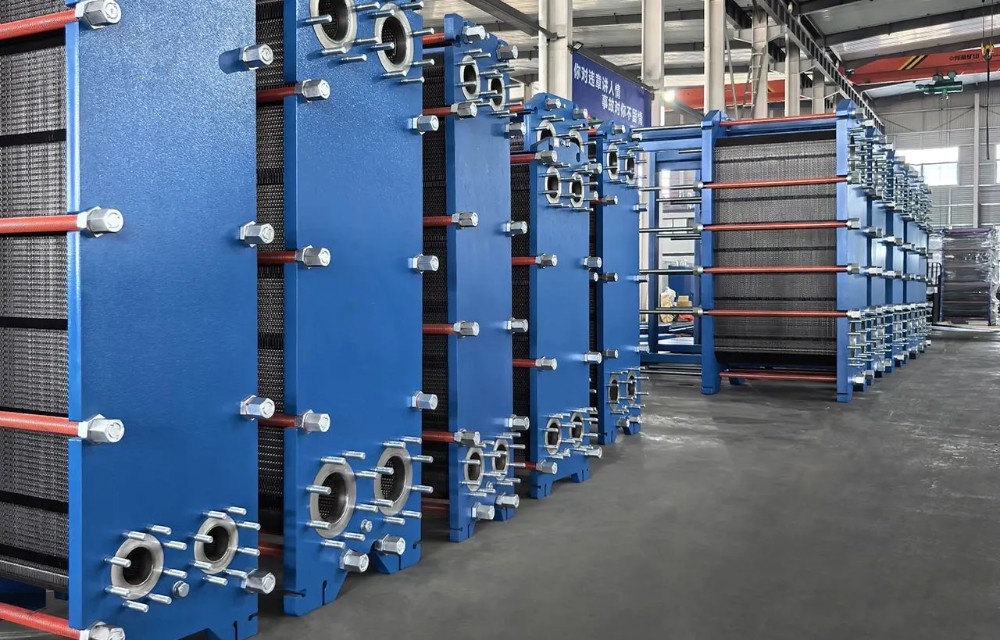
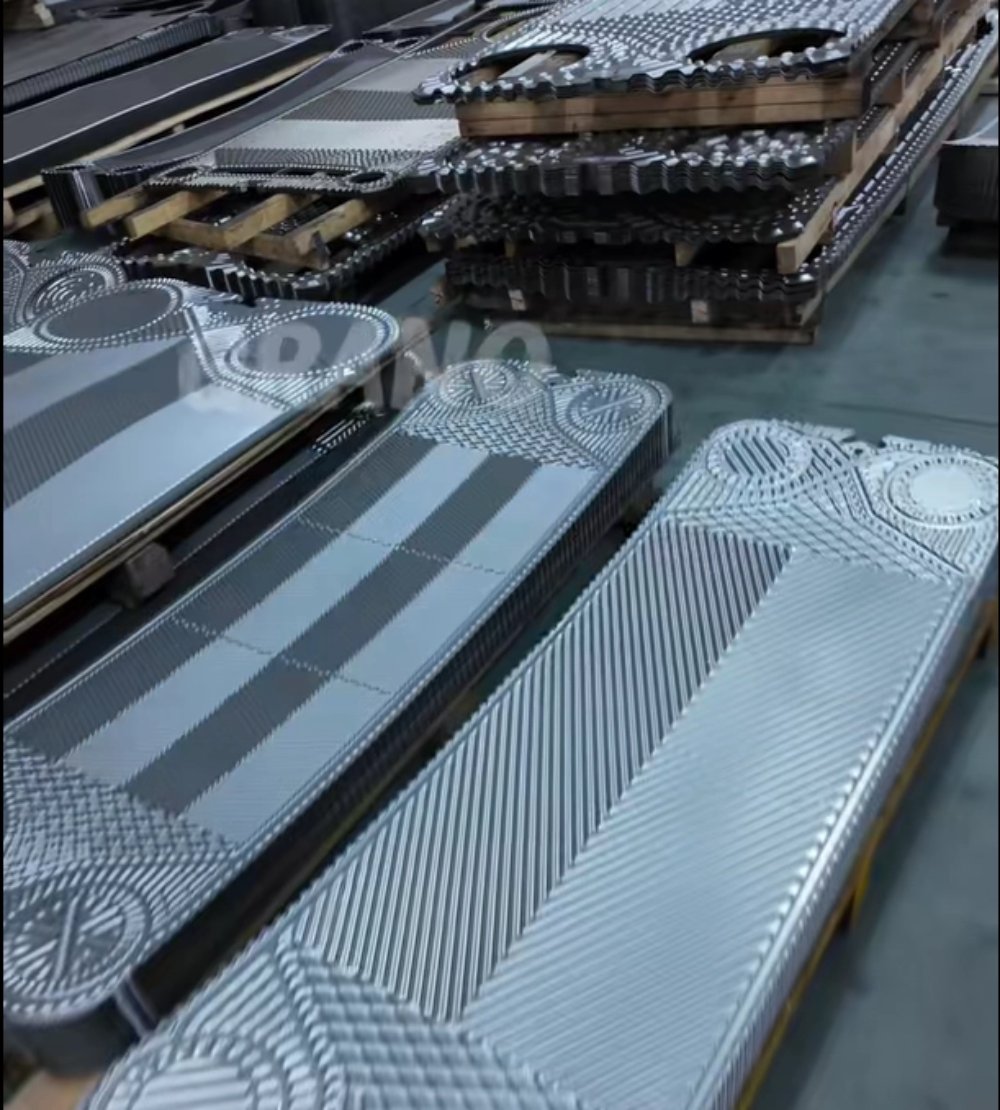
Workers sometimes grab a flathead screwdriver and literally jam the oversized material into the metal channel. The plate heat exchanger consists of heat transfer plates, sealing pads, clamping plates, and clamping bolts. The gasket placed around the plate forms a specific gap to allow fluid passage. When you force a bulky seal into that precise gap, it twists out of shape. The rubber bunches up in the corners, creating uneven high spots that the metal plates cannot compress properly.
Splicing and Cutting Components to Size
When a loop arrives three inches too long, a desperate technician might grab a utility knife, cut a section out, and try to butt the ends together. This trick fails every single time. The upper and lower main sealing surfaces of the gasket should be flat and smooth, without any bubbles, pits, flash, or other defects. A cut seam under heavy clamping force acts like an open highway for high-velocity fluids to escape.
Instant Blow-Outs during System Startup
You finish bolting the stack together and confidently open the main pump valves. Because the rubber was stuffed into the groove unnaturally, it pops out the side as soon as the pressure hits. This blow-out sprays hot, dangerous media everywhere. The temperature that the gasket can withstand is essentially the working temperature of the plate exchanger, and the working pressure is also restricted by the gasket. If the part cannot sit right, it cannot hold back the fluid.
The Core Myth of Just Matching the Material
A lot of purchasing departments try to save the maintenance budget by buying cheap aftermarket parts. They assume rubber is just rubber. If the spec sheet calls for standard Nitrile, they buy the cheapest option available. This is a massive oversimplification that ignores the complex engineering behind heat transfer equipment.
Relying on Cheap Non-Standard Replacements
Facilities buy non-standard knockoffs all the time. They see a lower price tag and ignore the complete lack of dimensional control. But a cheap part that causes a massive leak ends up costing ten times more in ruined product and unplanned downtime. You cannot run a high-pressure chemical line on generic hardware store tolerances.
Ignoring the Specific Tooling Tolerances
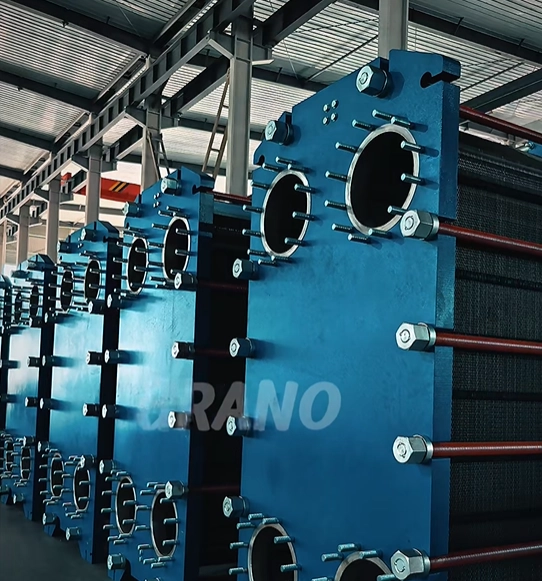 Precision is the only thing keeping the fluids apart. A Plate Heat Exchanger relies on thousands of contacts formed by the cross-corrugation that are staggered and evenly distributed. The mold used to make the seal has to match these exact metal geometries perfectly. Cheap suppliers use severely worn-out molds that drift completely away from the original factory dimensions.
False Confidence in Basic Rubber Compounds
Just because a box has EPDM written in sharpie does not mean it survives your daily process. Standard EPDM works well for air-water and water-water exchange from -54℃ to 150℃. But if your system hits 200℃, you desperately need ultra-high temperature EPDM. A basic compound will literally melt and lose its shape inside the groove.
Here is a quick look at how different materials behave under stress.
|
Material Type |
Working Temperature |
Applicable Media |
Limitations |
|
Nitrile Rubber (NBR) |
-30℃ to 120℃ |
Mineral oil, animal and vegetable oil |
Not resistant to oxidizing acids |
|
Standard EPDM |
-54℃ to 150℃ |
Water, water vapor and superheated water |
Not resistant to petroleum products |
|
Fluorine Rubber |
-29℃ to 220℃ |
Acid, alkali and salt corrosive medium |
Not resistant to acetone or ammonia |
|
Silicon Rubber |
-100℃ to 230℃ |
High and low temperatures |
Poor resistance to severe mechanical wear |
The Fluid Mechanics behind Groove Mismatches
When parts fail to line up, there is a strict physical reason rooted in fluid mechanics and material science. A mismatched seal creates uneven clamping forces across the entire metal pack. Let us dig into why a seemingly tiny fraction of a millimeter creates such catastrophic operational failures.
Tolerance Distortion in Reverse Engineering
Clip-on attachments and grooves require extreme precision. When unauthorized aftermarket shops try to reverse engineer a profile, their molds often suffer from unpredictable shrinkage rates. When you stack fifty or a hundred plates together, that tiny half-millimeter error multiplies wildly. The whole pack becomes slanted and impossible to seal tight.
Blind Spots in Cleaning Hardened Glue
If the original equipment utilized glued seals, the metal channel must be spotless before laying a new one down. The plate should be cleaned before assembly, and there should be no dirt on the gasket groove and corrugated surface. If you paste a new rubber piece over patches of hardened old glue, the thickness instantly exceeds the tolerance limits. To prevent metal from scratching the plate, try not to use metal methods to remove the strips. Liquid nitrogen quenching method or other methods can be used to quench and deform the rubber strips, and then tear them off.
Mismatched Hardness and Compression Rates
Rubber hardness drops drastically under high heat. If a substandard piece gets too soft, it completely loses its physical grip inside the metal track. When the system experiences normal pressure pulses from pumps turning on and off, the overly soft material simply shifts out of place and slips into the fluid stream.
Catching issues early prevents larger disasters. Pay attention to these common symptoms.
|
Fault Phenomenon |
Primary Cause |
Secondary Cause |
|
Pressure drop gradually increases |
Unclean media |
Flow channel is blocked |
|
Medium mixing |
Plate is corroded |
Plate is perforated |
|
Equipment leakage |
Clamping bolts not tightened evenly |
Sealing gasket thickness is uneven |
Golden Rules for Flawless Replacement Operations
You can completely avoid these messy blow-outs by changing how you handle the replacement process. A bit of upfront measurement and proper handling stops the headache before the heavy wrenches ever come out. Following a strict protocol keeps the fluid inside the pipes where it belongs.
Measuring Groove Depths with Calipers
Stop relying on a quick visual check. Before installing anything new, grab a digital caliper to measure the depth of the old metal track against the cross-section of the replacement rubber. You also have to measure the compression length of the plate bundle and make a record before disassembling the unit. It should be compressed tighter than the original size when reinstalling.
Sourcing Dimensionally Accurate Replacements
Get your spares from sources that heavily control their vulcanization shrinkage. You want components that offer a true drop-in fit. Quality manufacturers select high-quality steel from China and imported rubber materials from Japan and the United States. This keeps the physical dimensions locked in perfectly across thousands of batches.
Implementing Proper Storage Conditions
Bad warehousing practices ruin good tolerances fast. You must store these spares in a cool, dry, dark environment. The ambient temperature should not exceed 40°C. Never let them sit under heavy pressure or near organic solvents, or they will warp into an unusable shape before you even take them out of the plastic bag.
FAQ
Q1: Why do new sealing pads blow out immediately when the system starts?
A: It usually happens because the rubber was too large for the groove, or there was residual hardened glue left in the track. The clamping bolts might also have been tightened unevenly, forcing the material outward.
Q2: Can you reuse old sealing components to save time during an overhaul?
A: Absolutely not. The bundle must be compressed tighter than the original size when reinstalling. Old rubber loses its elasticity and will never survive the new compression length without severe leaking.
Q3: How should spare parts be stored in the warehouse to prevent warping?
A: Store them in a cool, dry, and dark environment. The room temperature should never exceed 40°C. Keep them away from heavy pressure, direct sunlight, acids, and alkalis.
Q4: What causes the pressure drop in the equipment to gradually increase over time?
A: This issue is mostly caused by unclean media or too many particles and debris entering the system. These impurities cause the metal to scale up rapidly and block the flow channels entirely.
Q5: Is it safe to use standard NBR material for high-temperature oxidizing acids?
A: No, it is not safe. While Nitrile rubber works excellently for oil-water exchange up to 120°C , it is completely vulnerable to oxidizing acids and strong solvents. The corrosion resistance drops significantly.