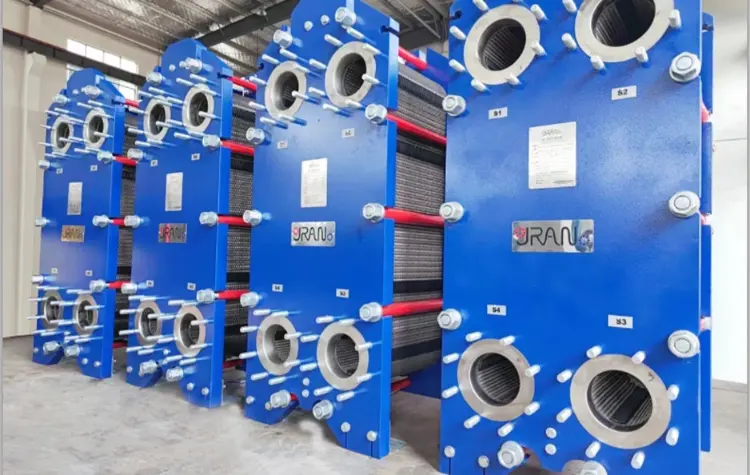

Yes — with verification, and only then. Aftermarket plate heat exchanger plates can be mixed into an existing Alfa Laval, APV or GEA pack, and it is common practice in food, dairy, chemical and district-heating service, especially where original spares are slow or expensive to obtain. What is not acceptable is the lazy version of the answer: “same model, so it must fit.” Plate heat exchanger plates from different manufacturers are not automatically interchangeable, and a pack that mixes unverified plates is how units lose efficiency mysteriously or start leaking at the gasket line. This article is the checklist that turns “can I?” into “yes, verified.”
Why the Same Model Number Is Not the Same Plate
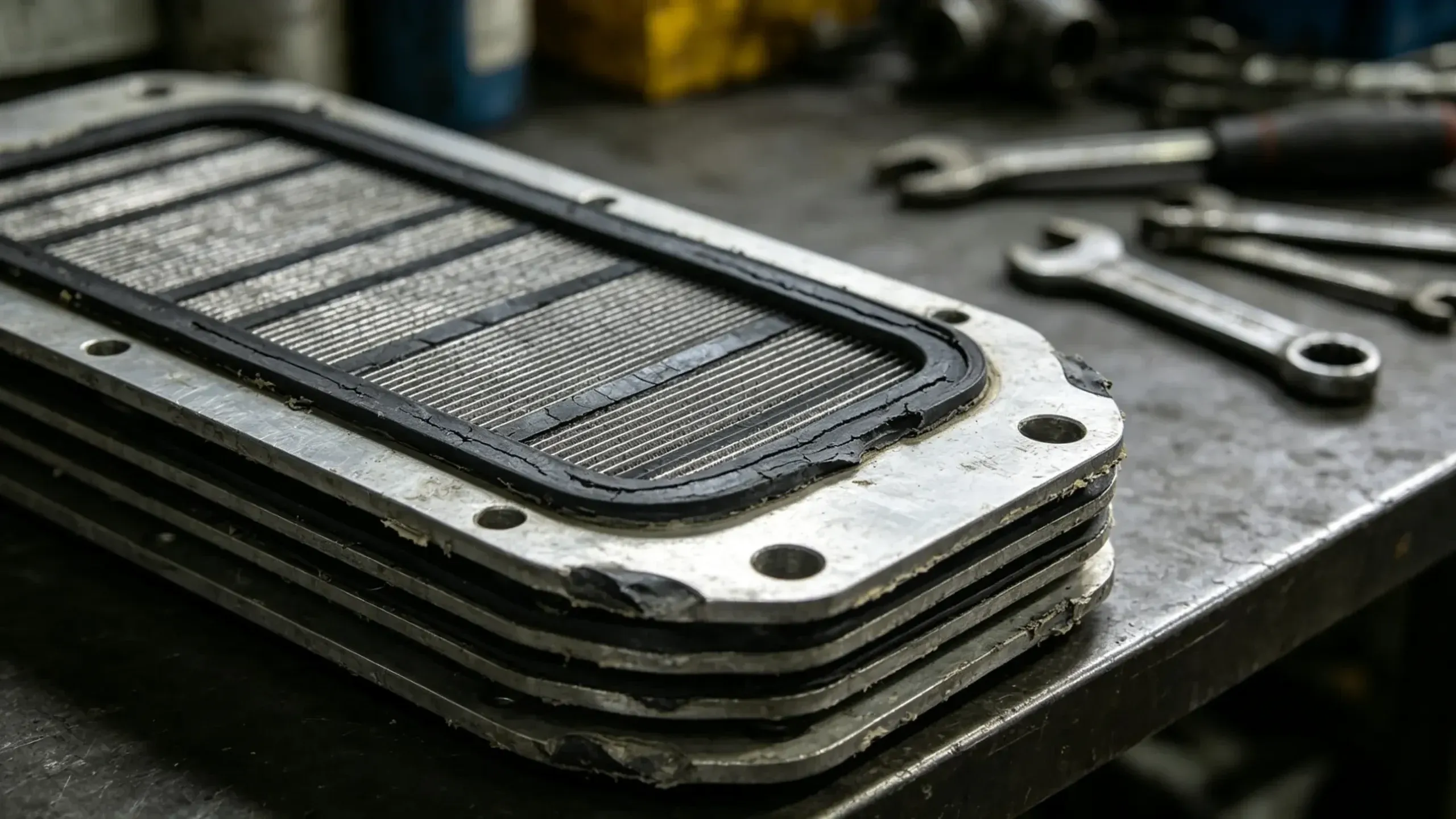
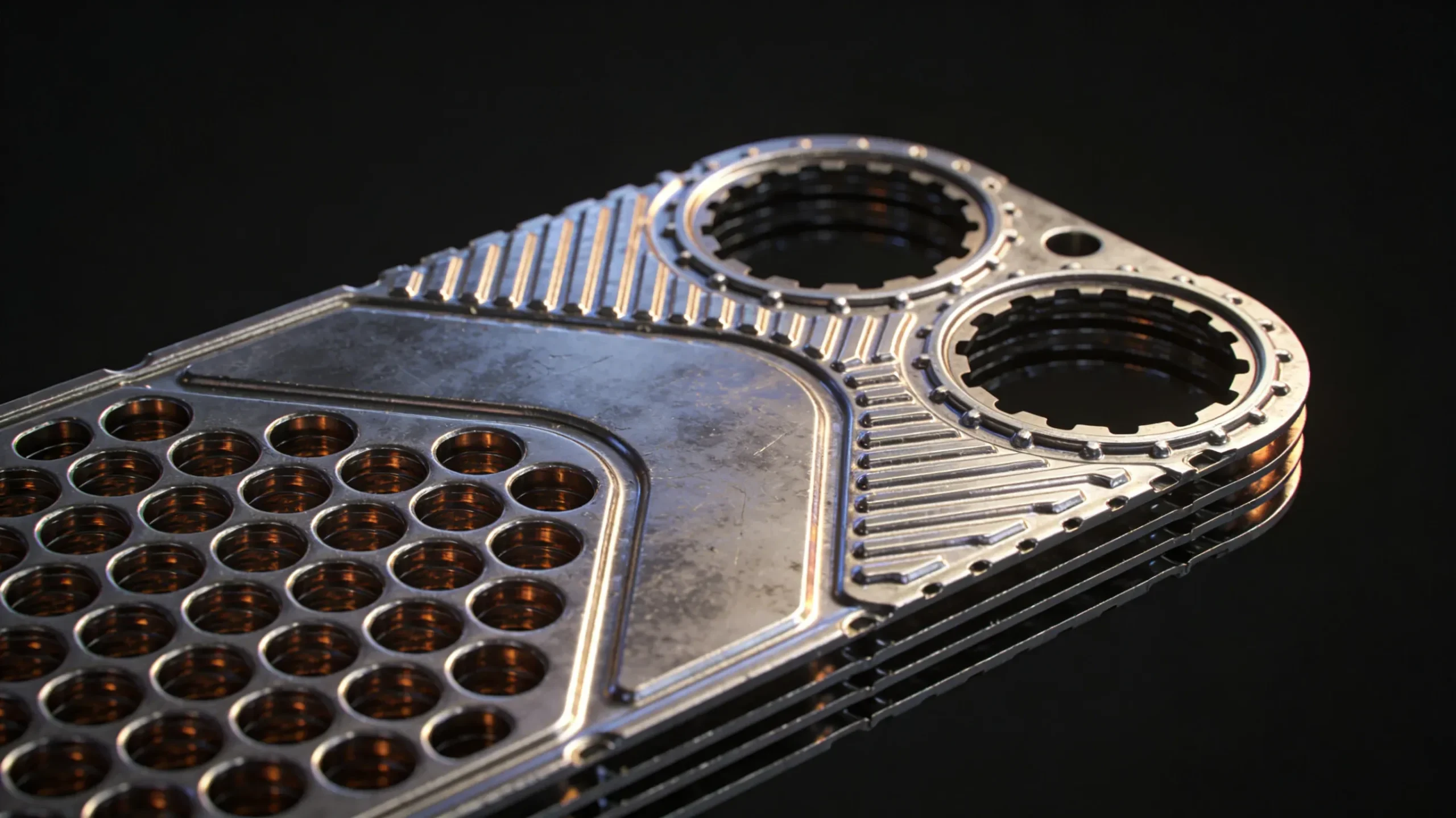
A model number identifies a design generation, not a guaranteed set of dimensions. Between generations, and between manufacturers, the details that decide whether a plate seats and seals move: plate thickness and tolerance, corner-hole position and diameter, sealing-groove dimensions, the gasket system (glued-in, snap-in or clip), the corrugation pattern and the surface condition. Two plates stamped with the same designation from different sources can differ in exactly the dimensions that set the pack’s compression length and its seal.
That is why the industry discipline is verification, not assumption. A plate is acceptable into an existing pack when its critical dimensions and gasket system match the pack, and when the substitution is documented. Grano maintains compatibility lists for the major plate models of Alfa Laval, SWEP-Tranter, APV-SPX and GEA-Kelvion precisely so that the check runs against data, not memory.
The Ten-Point Verification Checklist
Run every candidate plate — new, or pulled from another unit — through this list before it enters the pack:
- Model and generation: the plate designation matches the pack’s design, including any revision suffix.
- Critical dimensions: plate thickness, corner-hole position and diameter measured — not assumed — against the in-service plate.
- Sealing groove: groove dimensions and gasket system (glued-in, snap-in or clip) match, with no mixing of gasket systems inside one pack.
- Gasket compatibility: the gasket model and material match the groove and the media; a plate with different gasket geometry counts as a mismatch.
- Material: the grade (for example 1.4404, 1.4571 or titanium) matches the pack and the service; do not introduce a new material into an existing circuit without checking galvanic and corrosion behavior.
- Corrugation and surface: the pattern matches the design, and the plates are free of dents, pitting and out-of-flat conditions.
- Plate-to-plate alternation: the pack’s A/B (or actual pairing) alternation is preserved — installing the same plate type against itself (A/A, B/B) changes the flow arrangement and the efficiency.
- Compression length: after insertion the plate pack reaches the recorded tightening/compression length, and the unit is re-torqued evenly and symmetrically.
- Pressure test: the reassembled unit passes a full pressure test before commissioning.
- Record: the substitution is logged — which plate, from which source, which dimensions verified, by whom.
Points 7 and 8 are the ones most often skipped in the field, and they are the two that quietly cost capacity: a broken A/B alternation reroutes the flow, and a compression length off by a few millimeters shows up as a gasket leak or a dead corner of the pack.
What the Three Brands Mean in Practice
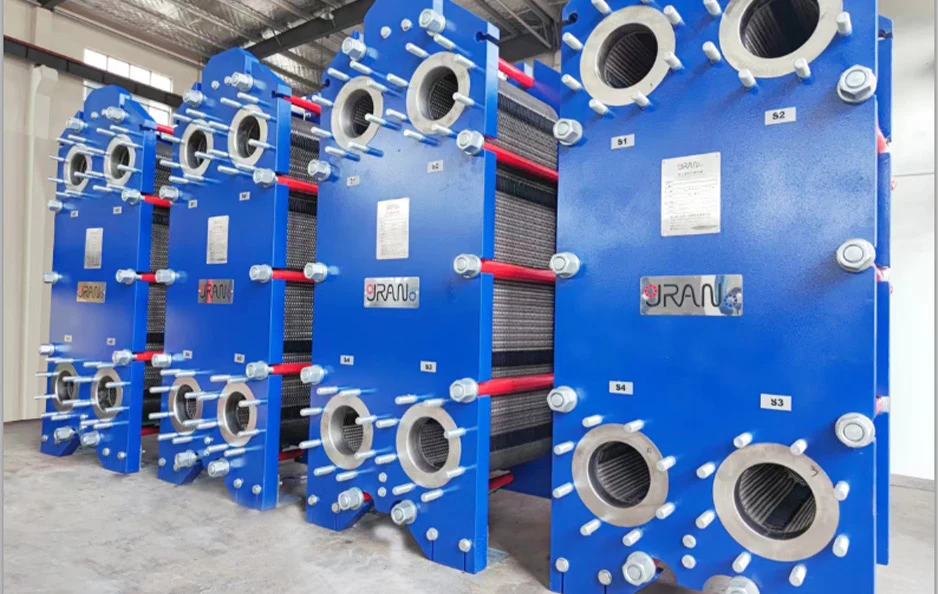
The verification logic is identical for all three brands; what differs is the plate series in play and the gasket system you are matching:
- Alfa Laval. The widest aftermarket plate range in Grano’s compatibility data — from the M and T series (M15B, M20B, T20B and successors) through the P series (P16, P26) and the Clip gasket-system plates. Clip plates are the classic example of why the gasket system matters: a Clip plate will not accept a glued-in gasket, and vice versa. Grano’s compatible Alfa Laval plate range lists the available models.
- APV-SPX. Plates in the Q, R, SR, TR, J, N and B families; the check is designation plus gasket system, and older APV plates in long-service packs often benefit from a full gasket refresh at the same opening. The compatible APV-SPX range covers these families.
- GEA-Kelvion. Plates such as the NT series (for example NT100M), where the modern Kelvion frames pair a snap-on gasket system with automatic plate positioning — so the verification must cover the gasket and positioning system, not just the stamped designation. The compatible GEA-Kelvion range is listed with the gasket systems it carries.
One documented result: a food plant in Italy runs a juice-sterilization exchanger that needed regular replacement of plates and gaskets, and the customer had high requirements on compatibility and delivery speed. Grano supplied plates matched to the Alfa Laval model in high-strength food-grade stainless steel, with gaskets glued using food-grade adhesive; the customer replaced the imported original parts and reported the accessories as highly compatible with the original products, at lower cost and faster delivery. That is the outcome the checklist is designed to make routine — verified match, documented substitution, no surprises at the first opening. Done this way, aftermarket plate heat exchanger plates become a routine, defensible part of spares planning.
Single-Plate Replacement vs. Rebuilding the Pack
Two different jobs. If one plate is damaged — a crack, pitting, a corroded corner hole — the standard move is to replace that plate and its gasket with a verified match, re-torque to the recorded compression length and pressure test. The rest of the pack stays in service.
If several plates are at the end of their life, or the opening is already scheduled for a full gasket change, rebuild the pack from verified aftermarket stock: new plates, new gaskets, a fresh compression-length baseline. Rebuilding is also the moment to fix what a single replacement cannot — inconsistent gasket systems, unknown plate history, or a compression length nobody can document. Either way, the ten-point list applies to every plate heat exchanger plate that crosses into the pack, and the quality system behind the parts is documented on the পৃষ্ঠা সম্পর্কে.
Writing the Purchase Order That Gets the Right Plate
Most wrong-plate deliveries start in the purchase order. Specify:
- The in-service plate designation and brand (for example “M20B, Alfa Laval-type”), not just “spare plates for our exchanger”.
- The quantity, and whether A/B (or the pack’s pairing) alternation is required.
- The material grade required by the service.
- The gasket system and gasket material (glued, snap-in or clip; rubber grade and temperature range).
- Nameplate or plate photos when records are incomplete — the supplier’s compatibility list resolves the rest.
Grano maintains the compatibility lists for the major models and can pre-glue gaskets to plates before delivery with high-performance, environmentally approved adhesive, including food-grade options for food service. If the pack predates good records, send the plate code or nameplate photos to গ্রানো টিমের সাথে যোগাযোগ করুন first — for plate heat exchanger plates, the answer to “can they be mixed in?” is only ever as good as the data behind it.
প্রায়শই জিজ্ঞাসিত প্রশ্নাবলী
Q1: Can Grano (aftermarket) plates be put into an Alfa Laval, APV or GEA heat exchanger?
A1. Yes, provided the plate heat exchanger plates are verified against the pack: designation and generation, critical dimensions, gasket system, material and condition all match, and the substitution is documented and pressure tested. Grano maintains compatibility lists for the major Alfa Laval, APV-SPX and GEA-Kelvion plate models.
Q2: Does the same model number guarantee interchangeability?
A2. No. A model number identifies the design, not a guaranteed set of dimensions. Thickness tolerance, corner-hole position, sealing-groove geometry and the gasket system can differ between sources and generations — which is why the check is measurement, not the stamp. Plate heat exchanger plates carry designations, not interchange guarantees.
Q3: Can glued-in gasket plates and Clip gasket plates be mixed in one pack?
A3. No. One pack uses one gasket system; mixing glued-in and clip plates is not a supported configuration. Convert the pack to a single system when you open it.
Q4: What happens if the same plate type is installed against itself (A/A)?
A4. The A/B alternation the design intends is broken, so the flow arrangement and the efficiency change in ways the nameplate does not cover. Maintain the pack’s alternation pattern.
Q5: How do I order replacement plates when the original records are missing?
A5. Send the plate code stamped on the plate and nameplate photos to the supplier. The compatibility list plus a dimensional check on the in-service plate resolves the model, material and gasket system before anything is manufactured.
মূল বিষয়গুলো
- Aftermarket plate heat exchanger plates can be mixed into Alfa Laval, APV and GEA packs — after verification and with documentation, never on the strength of the model number alone.
- Verify every plate heat exchanger plate that enters the pack through the ten-point list: designation, measured dimensions, gasket system, material, condition, A/B alternation, compression length, pressure test, record.
- Match the gasket system to the brand’s design (glued-in vs. clip vs. snap-on); one pack, one system.
- Replace a single damaged plate with a verified match; rebuild from aftermarket stock when the opening justifies it.
- Write the purchase order with designation, pairing, material, gasket system and photos — that is where wrong-plate deliveries are prevented.