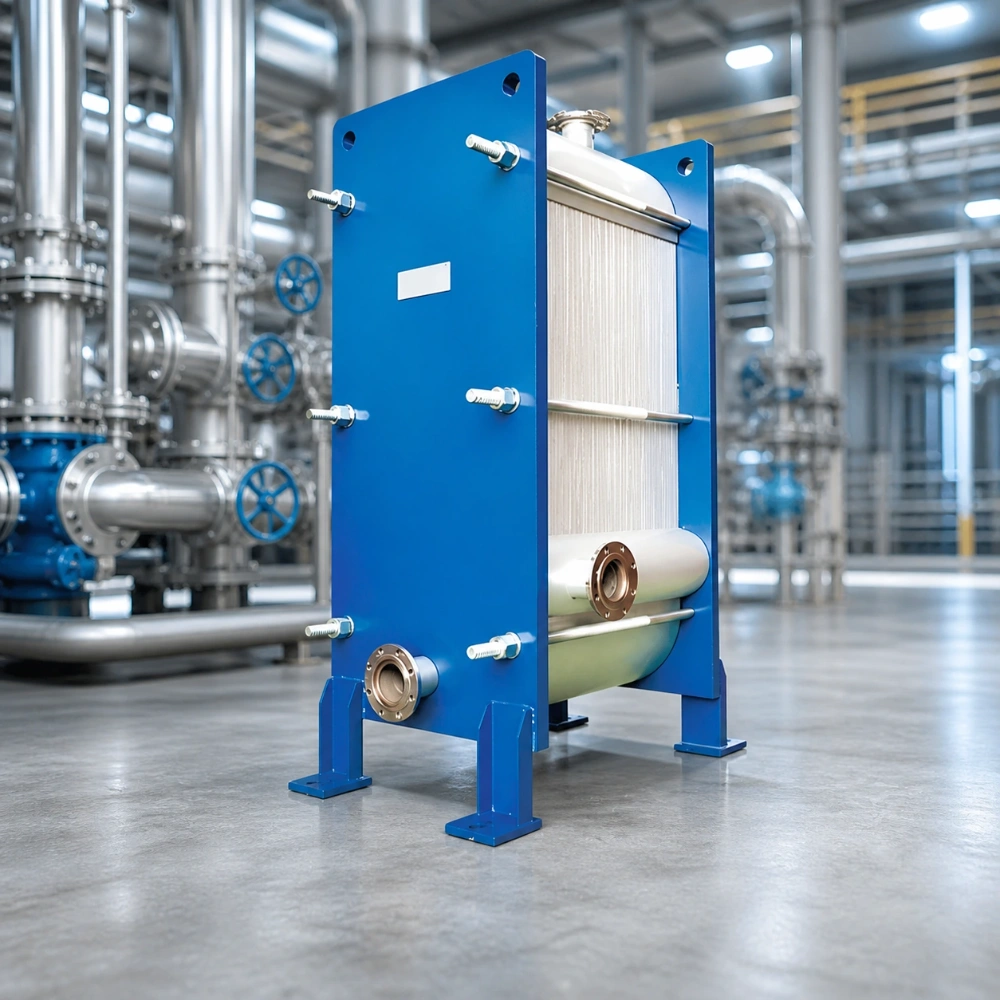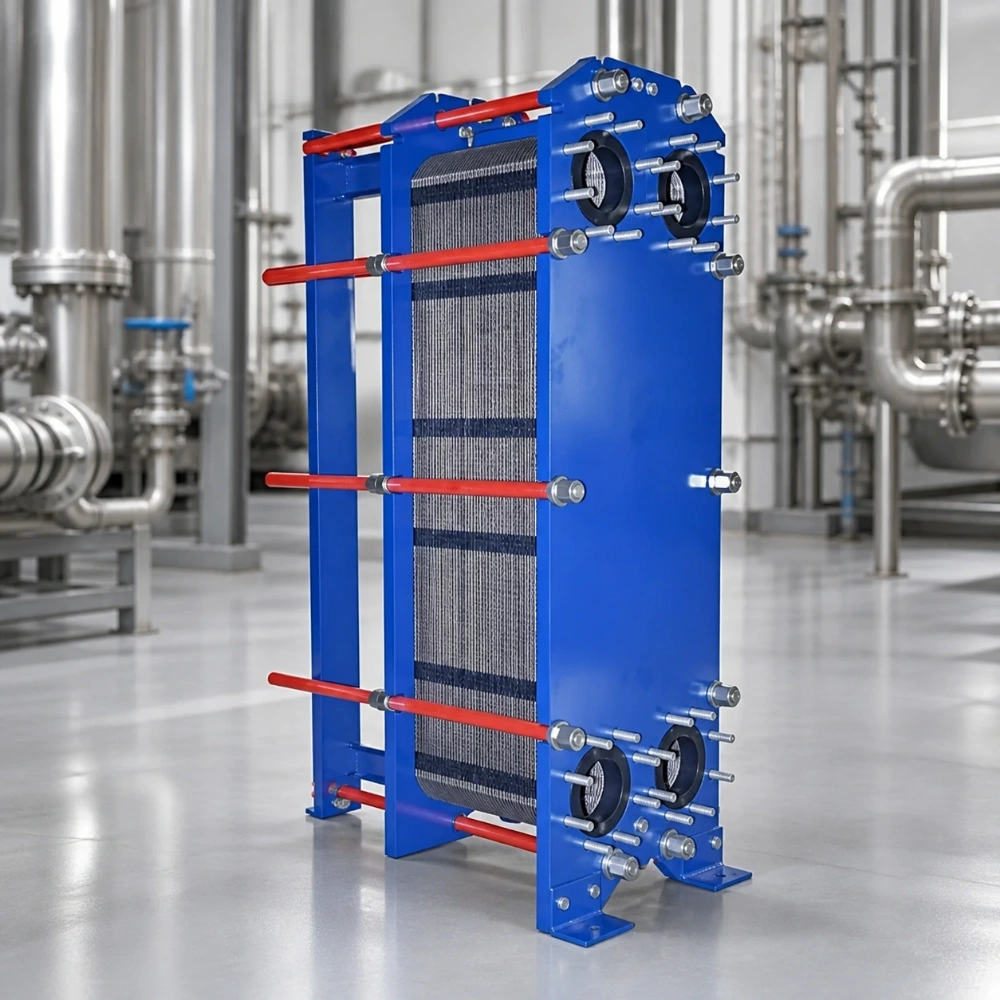

Declining heat transfer, rising pressure drop, unstable flow, leakage, and repeated shutdowns can indicate that a frame plate heat exchanger needs attention. Restoring performance requires dependable operating data, coordinated troubleshooting, suitable cleaning, careful inspection, and controlled reassembly. قمح supports industrial heat-transfer equipment and related components. These eight steps help determine whether the unit needs maintenance, replacement parts, or complete replacement. Before work begins, confirm operating limits, cleaning restrictions, tightening values, and acceptance criteria against approved records and current process conditions.
How Do You Establish a Reliable Frame Plate Heat Exchanger Baseline?
Before opening the unit or ordering components, confirm its configuration and compare current performance with normal operation.
Confirm the Equipment Configuration Before Taking Action
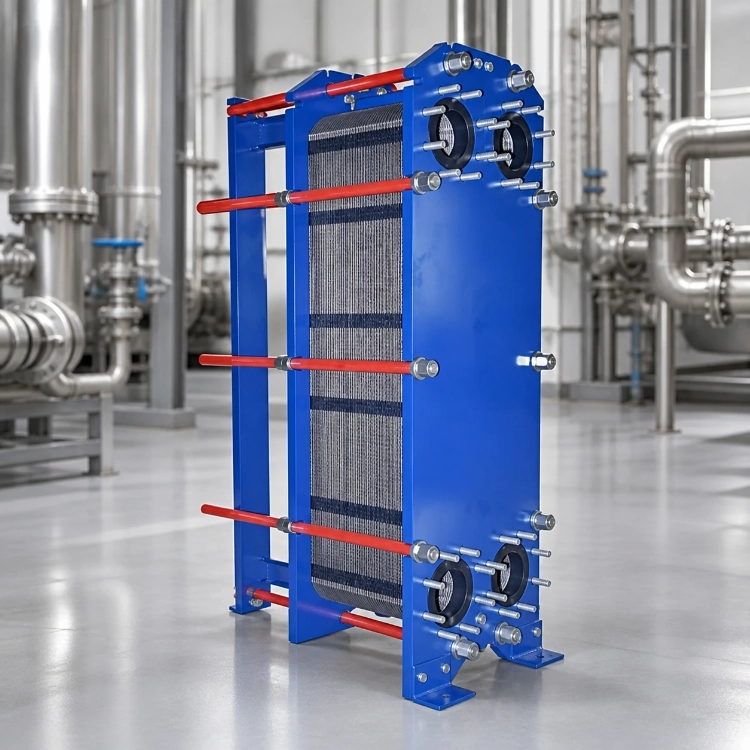
حشية مبادل حراري ذو صفائح consists of corrugated metal plates with four corner ports, assembled between fixed and movable clamping plates within a frame. The plate pack can be opened for cleaning and inspection when site procedures permit.
Confirm the equipment identity, plate arrangement, connections, and maintenance records. Similar-looking components are not necessarily interchangeable.
Step 1: Record the Current Operating Duty
Record inlet and outlet temperatures, flow conditions, pressure readings, fluid identities, operating hours, and recent process changes during stable operation. Document leakage, vibration, unusual noise, contamination, and shutdown history.
Use calibrated instruments, process specifications, and operating logs, noting where and when measurements were taken. Data from inconsistent production conditions can produce incorrect conclusions.
Step 2: Compare Current Conditions With a Valid Reference
Compare readings with commissioning data, an approved design duty, or a verified clean-condition baseline. A difference does not automatically indicate damage.
Production rates, fluid properties, control settings, pumps, or upstream equipment may have changed since the reference was recorded. Compare similar operating conditions, without applying universal efficiency or pressure-drop thresholds to an individual installation.
What Operating Checks Help You Find the Cause of Lost Performance?
Review related variables together. One unusual reading may guide investigation but rarely proves the cause.
Step 3: Review Temperatures, Flow, and Pressure Drop Together
Reduced thermal duty, unstable flow, and changing pressure drop can indicate a developing problem. Before blaming the frame plate heat exchanger, check process demand, valve positions, pump operation, strainers, controls, and measurement accuracy.
Compare temperature, flow, and pressure readings from the same period. A temperature change caused by reduced flow should not be assessed like one recorded at normal flow.
Step 4: Look for Fouling, Blocked Channels, and Leakage
Plate deposits may reduce heat transfer, while particles or debris can restrict channels and increase pressure drop. External leakage may indicate a sealing, gasket, clamping, or assembly problem.
Unexpected cross-contamination can suggest internal fluid mixing. Investigation normally requires controlled isolation, fluid analysis, or an approved test. Do not continue operating without assessing process and safety consequences.
Decide Whether the Problem Is Process-Side or Equipment-Side
Review changes in fluid composition, solids loading, required outlet temperature, and flow. Check filtration and possible upstream contamination before opening the exchanger.
If process inputs remain consistent while performance declines, physical inspection is reasonable. This distinction can avoid unnecessary disassembly and help teams prepare suitable cleaning materials, tools, and replacement components.
How Should You Clean and Inspect the Unit Without Creating New Risks?
Cleaning may restore heat transfer when deposits are responsible, but unsuitable methods can damage plates, gaskets, or sealing surfaces.
Step 5: Select a Cleaning Method for the Deposit and Materials
Identify the likely deposit before selecting mechanical, water-based, or chemical cleaning. Confirm compatibility with plate surfaces, gaskets, process fluids, and site safety requirements.
Aggressive tools can scratch critical surfaces, while unsuitable chemicals may attack plate or gasket material. Establish concentration, temperature, exposure time, handling precautions, and disposal controls from verified material and chemical data. Greater aggression does not guarantee better cleaning.
Step 6: Inspect Plates, Gaskets, Connections, and the Frame
During disassembly, preserve the plate sequence and orientation. Mark or document the arrangement when required.
Inspect accessible components for deposits, deformation, cracks, corrosion, gasket deterioration, damaged connections, and frame problems. Carefully clean gasket grooves and corrugated surfaces. Because visual examination may not establish serviceability, use approved testing methods and replacement limits where required.
Choose Cleaning, Parts Replacement, or Full Equipment Replacement
Cleaning is suitable when deposits can be removed safely and components remain serviceable. Compatible plates or gaskets may be appropriate for localized deterioration.
Full replacement may be more practical when damage is extensive, compatibility cannot be confirmed, or the exchanger no longer meets current process requirements. Procurement teams should compare each option’s scope and risk, not only initial purchase cost.
How Do You Reassemble the Exchanger and Keep Performance Stable?
Reassembly influences sealing, flow distribution, and reliability. Check each stage before returning the unit to production.
Step 7: Reassemble and Return the Unit to Service in a Controlled Sequence
Verify plate order, installation direction, gasket seating, sealing-surface cleanliness, connection condition, and frame alignment. Tighten clamping components evenly and symmetrically, keeping plates parallel.
Follow the equipment-specific tightening sequence and final assembly dimension. Restart gradually while monitoring leakage, pressure stability, flow, and temperature response. Stop and investigate abnormalities instead of applying uncontrolled additional tightening.
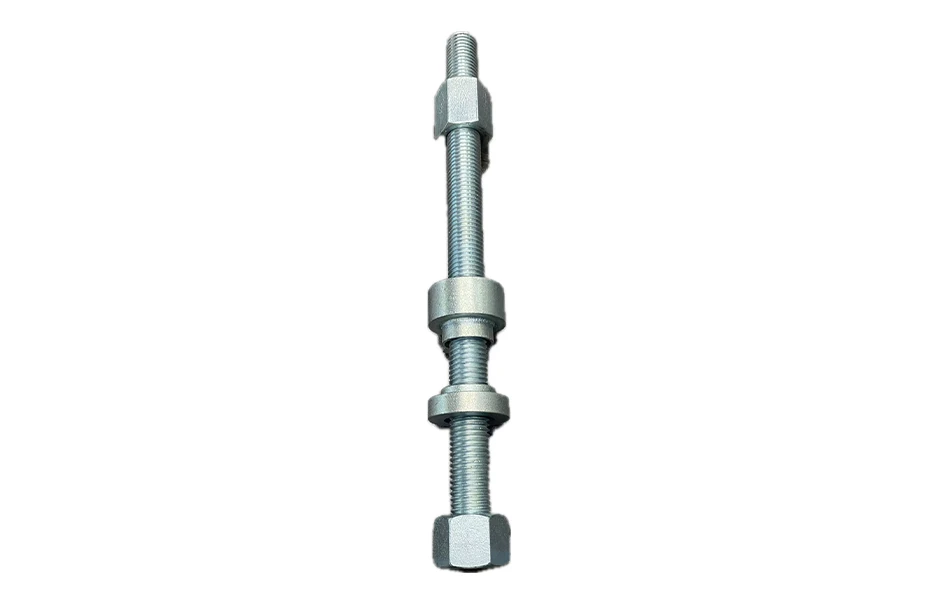
Check the PHE Tie Bolt and Related Clamping Components
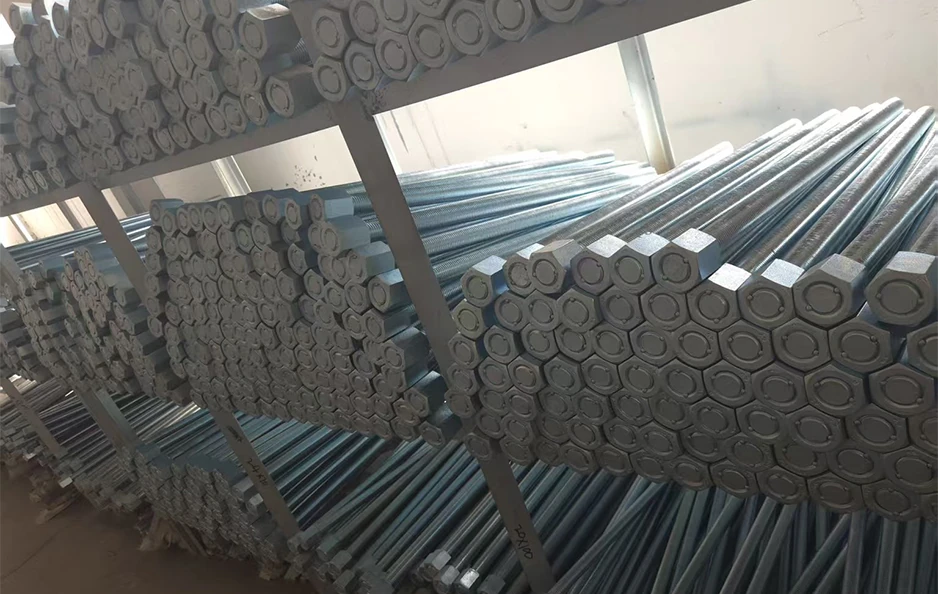
أ مسمار ربط PHE may be required when clamping components have wear, damage, corrosion, or alignment problems. Available sizing includes M48, M24, M39, M45, M42.
Verify size, condition, alignment, material requirements, and compatibility with the installed unit. Size alone does not establish torque, sealing performance, or fit. Confirm these details before ordering or returning the exchanger to service.
Step 8: Set a Preventive Inspection and Maintenance Plan
Base the schedule on fouling tendency, fluid properties, duty cycle, operating stability, leakage history, and the production consequences of downtime.
Track temperatures, flow, pressure drop, cleaning dates, inspection findings, and replaced components. Consistent records reveal gradual deterioration more easily. Review the schedule whenever fluids, operating duty, or process conditions change.
Prepare Complete Data for Repair, Parts, or Replacement Requests
Provide fluid identities and properties, required inlet and outlet temperatures, flow conditions, allowable pressure drop, connection details, and equipment identification. Include the verified plate count, plate sequence, gasket details, drawings, photographs, and inspection findings.
Confirm material and spare-parts compatibility rather than purchasing components by appearance or dimensions alone.
Need Support With Your Frame Plate Heat Exchanger?
Organized technical information helps distinguish operating issues from cleaning, repair, parts-replacement, or equipment-replacement requirements.
Organize the Technical Information Before Making Contact
Prepare operating trends, process requirements, equipment records, photographs, and a concise problem description. Separate measurements from assumptions. Record when the issue began and whether process or operating changes occurred beforehand.
Discuss Inspection, Compatible Parts, or Replacement With Grano
For assistance evaluating a Plate Heat Exchanger, PHE Tie Bolt, compatible replacement components, or replacement equipment, use this technical contact form. Recommendations should reflect verified operating conditions, equipment configuration, inspection results, material compatibility, and required process duty.
التعليمات
How Often Should a Frame Plate Heat Exchanger Be Inspected and Cleaned?
There is no universal interval. Set the schedule according to fluid properties, fouling tendency, operating hours, pressure-drop trends, leakage history, cleaning results, and unplanned-shutdown consequences. Adjust it when process conditions change.
What Signs Suggest That Plates or Gaskets May Need Replacement?
Possible signs include cracks, corrosion, excessive deformation, persistent leakage, gasket deterioration, off-center gasket seating, or recurring internal mixing. Base replacement decisions on suitable inspection and testing, not visual appearance alone.
Which Operating Data Should You Provide When Requesting Repair Parts or a Replacement Unit?
Provide fluid properties, temperatures, flow conditions, allowable pressure drop, connection information, equipment identification, plate count, gasket details, photographs, drawings, and inspection findings. Complete data reduces the risk of selecting incompatible parts or an unsuitable replacement frame plate heat exchanger.