



Managing an oil and gas skid calls for gear that performs well and saves room. You want components that manage strong forces without filling the entire platform. Grano understands this issue more than most others. Since 2015, the company has served as the main source for quality thermal parts, creating items from tailored Brazed Plate Heat Exchanger devices to unique marine seals. They manage the research, development, sales, and maintenance services all in-house, so customers receive more than a simple metal container; they gain access to plenty of practical knowledge from real jobs. Their products operate in places like Europe, the Middle East, and Southeast Asia, showing they can endure rough use in actual settings. No matter if you seek a complete setup or only spare pieces that match properly, the company website offers clear information on their about us page. Grano has earned respect by producing sturdy, well-made goods that provide a dependable choice over famous brands at a cost that fits budgets.
Critical Role of Thermal Management in Oil and Gas Skids
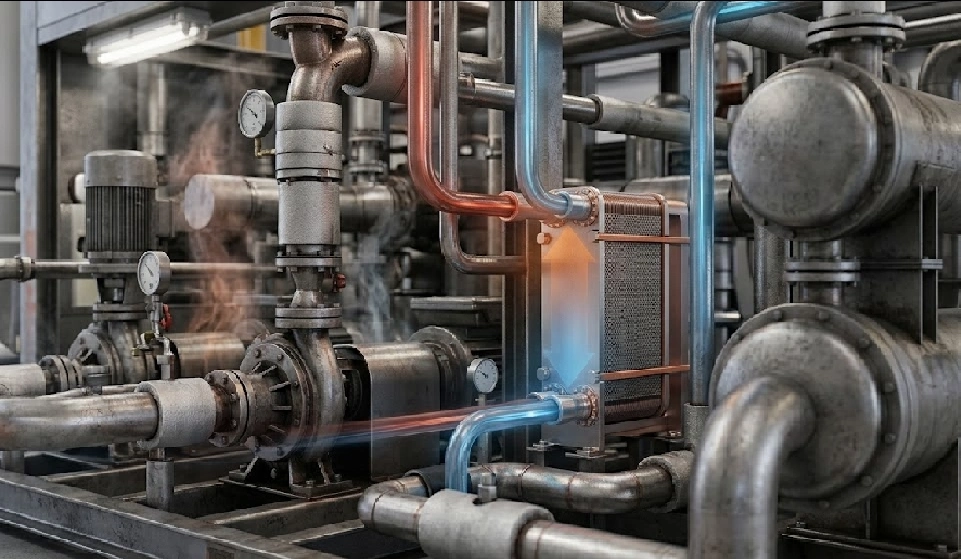
Heat regulation in the oil and gas field presents an ongoing struggle with limited area and rising temperatures. This industry charges high prices for every bit of space on a skid, and if the cooling gear takes too much room, it forces out other key parts. On the other hand, if the system lacks strength, the entire process stops working. To maintain smooth operations, operators must find a good mix of strong heat movement and a small size.
Space-Optimized Thermal Efficiency
Current skids hold more machines than before, so the heat exchanger must deliver a good ratio of surface area to size in order to remain useful.
High Reliability in Extreme Environments
Locations like ocean platforms and far-off sandy areas lack nearby fix-it spots, so the equipment needs to withstand 300℃ without any trouble.
Minimal Pressure Drop Performance
Ensuring liquids flow with little power loss stands as a key goal, and the correct plate shape assists in controlling those pressure changes.
Engineering Advantages of Brazed Plate Heat Exchangers
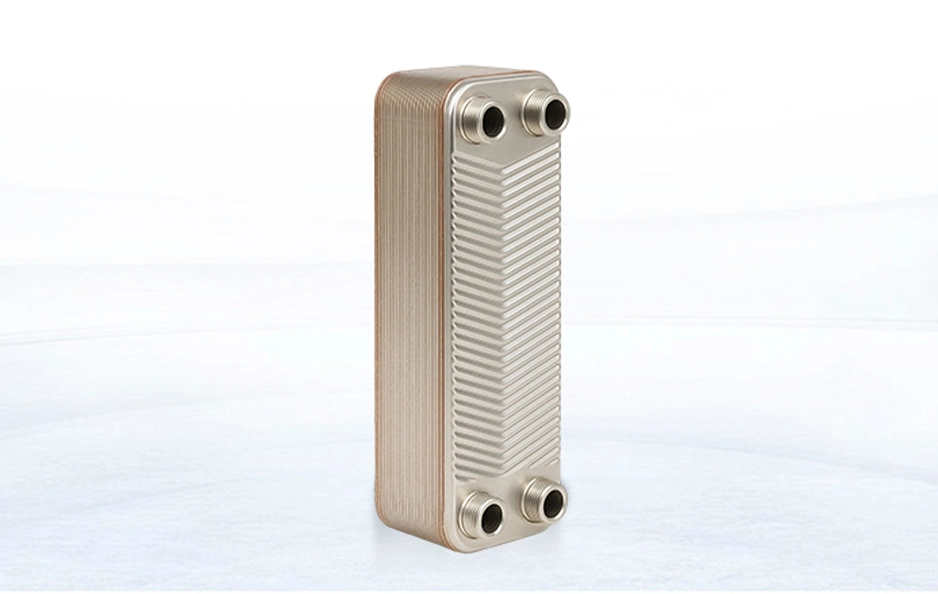
Brazed devices act as the strong performers in the world of heat transfer tools. They avoid using seals to connect parts. Rather, they apply a joining method to connect the plates into one firm unit. This approach makes them very durable when forces increase. In addition, they weigh less than the older tube-and-shell types that once led the market.
High Pressure Resistance Capability
The firm, joined build lets these devices manage operating forces up to 40MPa, an essential feature for processing gases under high strain.
Robust Gasket-Free Sealed Design
Eliminating seals removes the main weak spot in a cooling setup, rendering these devices safer for working with dangerous substances.
Superior Thermal Conductivity Rates
The joined links between plates form a clear route for heat to travel fast, providing a quick reply to any sharp rises in warmth.
Scalable Alternatives with Gasketed Plate Heat Exchangers
At times, a job expands or the liquid in use creates heavy deposits. In such cases, a Plate Heat Exchanger that includes seals offers a better option. It allows users to access the inside for a hands-on clean or to include additional plates down the line if more cooling strength becomes necessary. These tools serve as the reliable mainstays of the sector due to their adaptable nature.
Modular Flexibility for Capacity Expansion
Operators can exchange plates to match fresh output targets without needing to purchase an entire new structure.
Simplified Disassembly for Periodic Cleaning
When buildup covers the plates, workers simply undo the fasteners, remove them, and wash them to restore complete performance.
Massive Customizable Heat Transfer Areas
For large-scale work, these devices can receive construction with as much as 5000m² of surface to tackle the most demanding tasks worldwide.
Operational Durability and Material Selection
Liquids in oil and gas often prove tough on gear. Daily exposure includes salt, acids, and intense warmth. Selecting the proper metal marks the line between a setup that endures and one that quickly corrodes. Stainless steel serves as the usual pick, yet titanium may become required when facing untreated ocean water or strong chemicals. Even top materials demand some regular attention to continue operating well.
Corrosion-Resistant Stainless and Titanium Options
Employing quality substances like titanium or assorted stainless steels ensures the plates avoid small holes and fluid escapes.
Standardized Chemical Cleaning Procedures
Maintaining cleanliness in the unit follows a six-part routine that begins with a water rinse and finishes with a base treatment to balance remaining acids.
High-Performance Marine Sealing Solutions
Seals for sea use, crafted from items like strengthened graphite, manage forces of 50MPa and warmth levels from -30℃ to 250℃.
Global Reliability and Quality Assurance
Quality means more than a term; it involves documents and inspections. Buyers must confirm that the purchased device will not fail right upon arrival in the work area. From locations in Mumbai to Mexico City, people seek tools that align with worldwide rules. Each device undergoes careful reviews, such as the full air-tight and heat checks applied in North American jobs, prior to factory departure.
International Product Certification Compliance
The gear follows key global guidelines like ISO9001:2015 and CE, explaining its application in Europe and America.
Proven Performance in Global Projects
Starting from business areas in India to server rooms for large communication firms, this equipment has seen duty in nearly all kinds of places.
Advanced Logistics and Export Packaging
Orders arrive in specially made wooden crates or tough aluminum containers for costly titanium components to prevent any damage during travel.
Partner with Grano for Expert Heat Exchange Solutions
Choosing a provider that covers the full span of a product represents a smart choice. Customers benefit from support starting at the planning stage through to routine upkeep visits. Whether seeking a basic item or a made-to-order piece, people can contact for an in-person talk or a fast price estimate via message. The focus lies on obtaining the suitable device for the task without facing delays common from certain suppliers.
Professional Research and Technical Expertise
The staff has constructed and planned these arrangements for close to ten years, so they have addressed many issues that users might encounter.
Full Lifecycle Maintenance and Support
Spare plates and seals become available that align exactly with leading worldwide brands, aiding in cost savings for fixes.
Flexible OEM and ODM Cooperation Modes
For a special skid layout, custom heat transfer devices can get produced to suit precise sizes and force requirements.
FAQ
Q1: What is the main difference between a brazed and a gasketed heat exchanger?
A: Brazed units receive welding into a single firm piece to manage high forces and maintain a compact form, while gasketed units permit disassembly for cleaning or adding extra plates to increase size.
Q2: Can these units handle the salt air on an offshore rig?
A: Yes, selections include titanium plates and dedicated marine seals designed to fight rust in areas with heavy salt exposure.
Q3: How do I know when it is time to clean my heat exchanger?
A: Monitor for reduced heat movement or increased pressure reduction, signs that deposits have formed and a chemical rinse becomes needed.
Q4: Do these products come with any quality guarantees?
A: All items undergo checks for function and seals before dispatch, with the production site holding ISO9001:2015 approval.
Q5: Are the replacement parts compatible with other international brands?
A: Yes, various plates and seals get created as solid stand-ins for top brands, frequently matching output at reduced expense.


