



I. Introduction
Factories often depend on equipment that has operated for more than ten years. The nameplate on the plate heat exchanger becomes rusted and difficult to read. Drawings may have vanished as well. If the device begins to leak or clog now, what actions should one take?
You do not have to worry about obtaining original factory components. We can apply Reverse Engineering for an exact substitution. This technique changes a challenging situation into a straightforward solution for your plate heat exchanger. The process addresses immediate problems. At the same time, it enhances the system’s general performance.
We will explain the process step by step. By gathering essential information from the location, we guarantee a Drop-in Replacement that integrates without major interruptions. This initial assessment establishes the groundwork for the following sections.
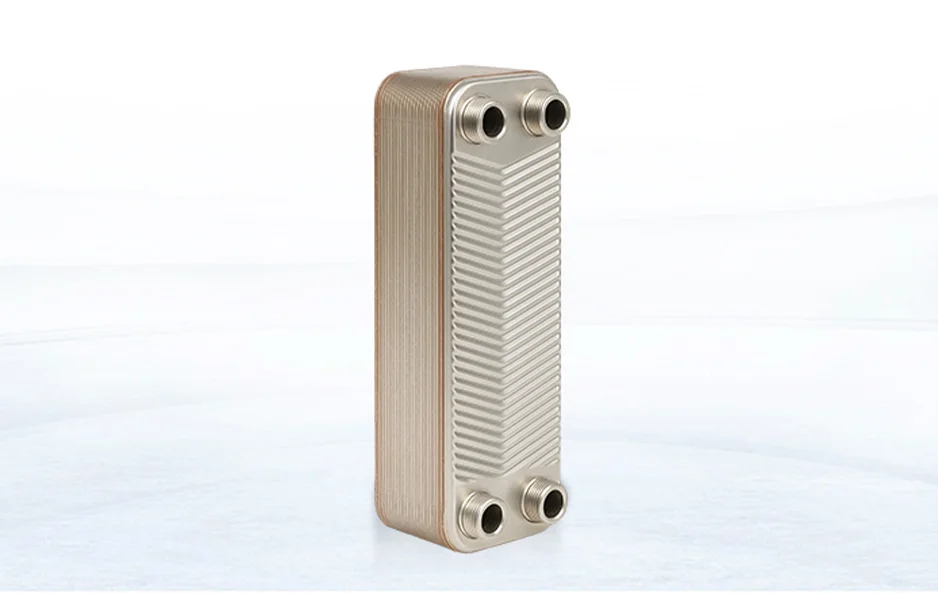
II. On-Site Mapping: Just Provide These Key Dimensions
Gathering information right at the site forms the core of our strategy. It enables us to grasp the configuration without relying on outdated documents. Basic tools like a measuring tape and a camera suffice for this task. These straightforward procedures create a vivid image of your existing plate heat exchanger. They ensure that replacement parts align properly.
With this base in place, we proceed to the particular measurements.
Shape Data: Measure the Guide Rod Length, Plate Height, and Width
Begin by determining the guide rod length. Next, record the plate height and width. These measurements outline the primary structure of your plate heat exchanger. Such information facilitates a swift adaptation to the real structure. Lacking them could result in new components failing to fit correctly.
After capturing the external form, turn attention to the connections. These verify compatibility with your existing setup.
Connection Distances: Inlet and Outlet Center Distances (This Is the Most Critical Installation Dimension, Determining If It Can Connect Directly to Old Pipes)
Concentrate on the distance between the inlet and outlet centers. This measurement determines whether the new unit can link directly to your existing pipes. Approach this area with particular care. Even a minor error might necessitate expensive pipe modifications. Our guidance helps avoid such issues.
Understanding the connections smoothly leads to the internal elements. Counting them reveals the unit’s capacity.
Number of Plates: Count How Many Plates There Are; We Can Back-Calculate the Original Heat Exchange Area
Merely tally the plates within the unit. Based on that count, we compute the initial heat transfer surface. This figure discloses the capacity your system originally handled. It provides a foundation for improved selections.
Having recorded these primary dimensions, we advance to the heart of Reverse Engineering. We construct a model that replicates your current one. Simultaneously, it creates opportunities for superior choices.
III. More Than Just Copying, It Is a “Performance Upgrade”
Duplicating old components goes beyond mere replication. It presents an opportunity to enhance daily operations. Equipment from a decade ago, such as certain outdated models from prominent international brands, typically employs obsolete chevron patterns. These designs restrict flow and efficiency over time.
Grano delivers options that are fully compatible in size. We introduce innovative deep dimple or chocolate block patterns for the replacement plates. Without altering the pipes, processing capacity can increase by 15–35 percent.
To illustrate the benefits clearly, consider this straightforward table:
| Feature | Old Chevron Design | New Dimple/Block Design |
|---|---|---|
| Flow Ease | Moderate, susceptible to clogs | Excellent, broader channels |
| Heat Transfer Rate | Typical | Improved up to 35 percent |
| Maintenance Needs | Frequent cleaning required | Reduced, better self-cleaning |
This Performance Upgrade maintains smooth operation of your plate heat exchanger. It also prolongs its lifespan.
Now, we connect these improvements to the specific problems you encounter.
IV. Inferring “True Needs” from “Fault Symptoms”
Each problem in the system indicates underlying requirements. We examine the indicators to customize solutions that address root causes. This targeted approach minimizes effort and expenses.
Before exploring specific scenarios, remember that symptoms direct our choices. They ensure the solution matches your configuration. Insights from symptoms guide us effectively. They transition into addressing frequent challenges individually.
-
If the old device clogs frequently → it suggests narrow channels or excessive contact points. During replacement, we switch to wide flow channels or free-flow plates for you. Modifications such as these promote consistent performance. They decrease stoppages and prolong equipment durability.
-
If the old device leaks often → the gasket material may be unsuitable for oils or temperatures. We upgrade to resilient sealing materials. Durable seals result in fewer interruptions. Your production remains stable, free from repeated repairs.
-
If the old device consumes high energy → excessive pressure drop may burden pumps. We adjust plate arrangements to reduce resistance and lighten pump load. This adjustment yields lower energy costs. In general, your system becomes more economical to run.
Following the identification of these problems, we integrate solutions into a cohesive plan. This brings us to Grano’s extensive capabilities in managing diverse brands.
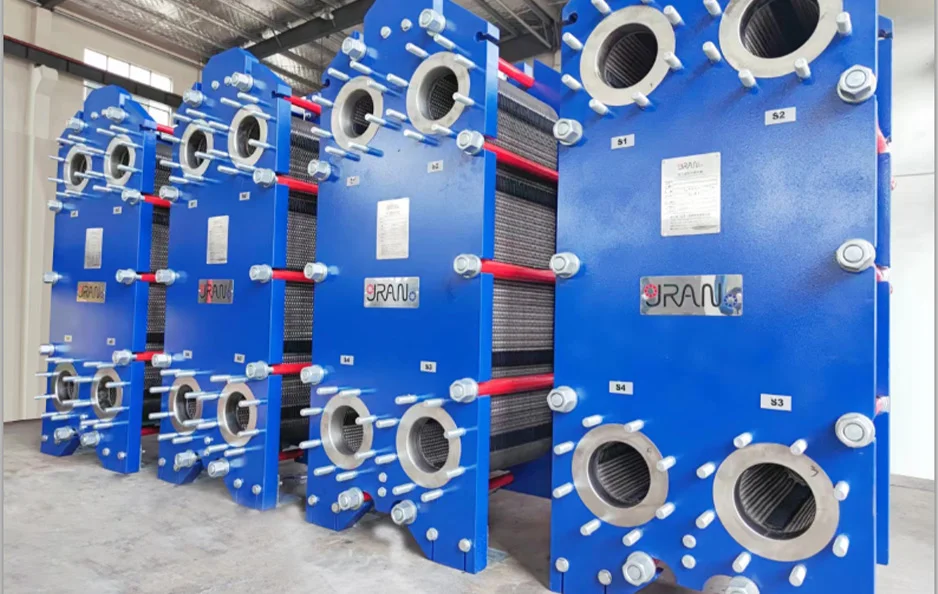
V. Grano’s “Universal Replacement” Ability
Regardless of the mainstream brand of your original equipment, our database includes molds for the vast majority of models. We can supply only the plate pack. It installs directly into your existing frame. This saves more than 50 percent on procurement expenses.
Explore our range of plate heat exchangers on our product page.
This advantage arises from supporting clients across various industries for many years.
Our approach consistently prioritizes tangible benefits. A handful of photographs initiate the journey toward a renewed system. Reach out via our contact page.
VI. Conclusion
Avoid compromising with makeshift repairs on old equipment due to unclear specifications. Take a few photographs and send them to us. Grano will reconstruct and enhance your heat exchange system.
View our complete solutions on the Grano. For specialized variants like brazed models, refer to our brazed plate heat exchanger section.
FAQs
We have outlined the primary steps, yet everyday queries frequently arise in these areas. The following addresses some typical online searches to resolve uncertainties.
Q1: How does Reverse Engineering work for a plate heat exchanger without original specifications?
A: Reverse Engineering entails assessing the unit’s dimensions and performance to develop a suitable substitute. Grano employs it to provide a Drop-in Replacement, eliminating the need for initial documentation. This simplifies upgrades and fosters confidence.
Q2: What is the typical timeframe for replacing a heat exchanger with a lost nameplate?
A: The entire process generally spans 2 to 4 weeks, from initial measurements to delivery. We accelerate it using our database. Your operations resume promptly with minimal disruptions.
Q3: Is it possible to improve efficiency without replacing the entire system?
A: Absolutely. Our Performance Upgrade features, such as updated plate patterns, integrate with your current setup. They enhance output by 15 to 35 percent. Moreover, partial replacements control expenses effectively.


