



Artificial intelligence systems require large amounts of power, and thus they rapidly generate heat. For those responsible for an active data center, it is now also a matter of keeping the temperatures between the individual server racks low.Old-style fans and air conditioners reach a point where they just cannot remove heat quickly enough. This is the reason liquid cooling becomes important, and in particular, why the equipment working behind the scenes plays such a key role. Grano Heat Energy has worked as a key player in this area since 2015, concentrating on the research, development, and production of strong thermal equipment . They supply items from the Plate Heat Exchanger units applied in large facility systems to the detailed gaskets and plates required for regular care. With shipments going to Europe, the Middle East, and Southeast Asia, they have earned a solid name for offering dependable, good-quality options compared to the well-known brands at a far lower cost . You can learn more about their history on their about us page or check how they manage maintenance services for customers around the world.
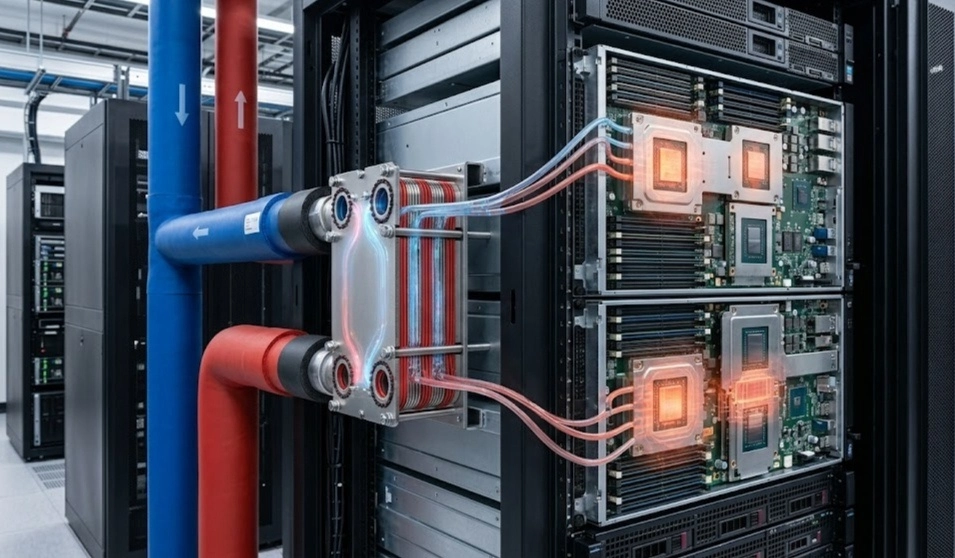
Evolution of Thermal Management in High-Density AI Infrastructure
The time of basic perforated floor tiles and CRAC units is passing because AI chips pack too much power into small areas now. When you fit many high-end GPUs into one rack, the heat output can go beyond 50kW or even 100kW per cabinet. Air does not carry heat well, and attempting to force enough of it through a tight server case often turns into a fight against basic physics that you cannot win.
Rise in Processor Power Densities
Current AI tasks need hardware that creates huge amounts of thermal energy in tiny spaces.
Air Cooling Limits
Standard air systems demand large areas for pipes and fans that in the end cannot keep pace.
Thermal Throttling Risks
Too much heat causes processors to reduce their speed on their own, which destroys the output of costly AI setups.
Core Benefits of Liquid Cooling for Modern Data Centers
Moving to liquid cooling goes beyond just using new technology; it becomes a way to protect your equipment. Liquid can take away thousands of times more heat than the same amount of air. This lets you operate your processors at full speed without fear of an unexpected stop. It also allows you to avoid creating data centers filled with empty room for air flow and instead fill your racks more closely together.
Superior Heat Capacity
Fluids such as water or special dielectric liquids take in heat far better than any system based on air could ever manage.
Facility Footprint Reduction
By getting rid of large air-handling devices, you can greatly raise the count of server racks in the same amount of floor space.
Better Power Usage Effectiveness
Reducing the power used on fans and big chillers right away boosts your facility’s PUE numbers.
Technical Excellence of Grano Brazed Plate Heat Exchangers
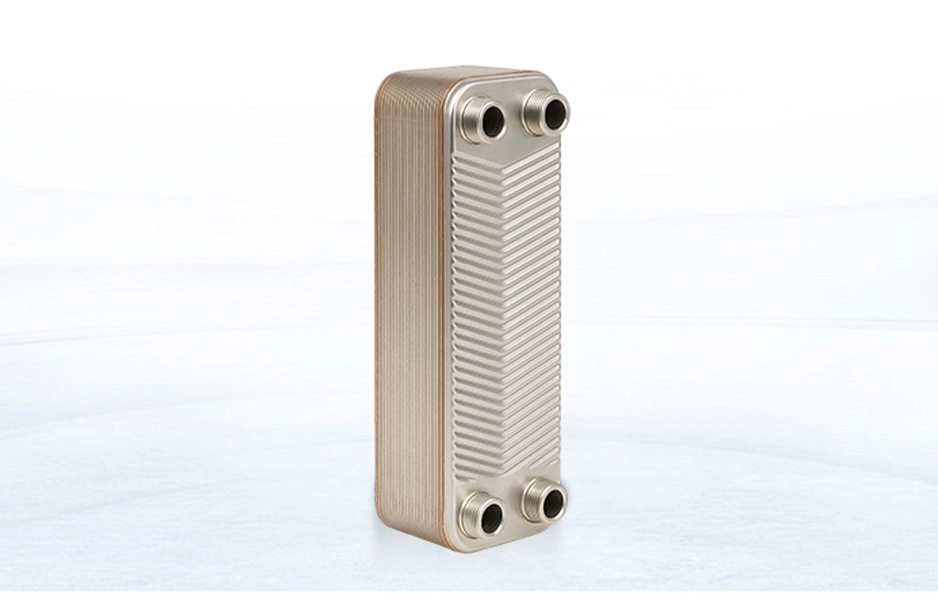
When dealing with cooling at the rack level, limited space acts as your main problem. You require a heat exchanger that can fit inside a 1U or 2U case or at the end of a row without using up too much area. This is exactly where a Brazed Plate Heat Exchanger stands out. These devices apply a unique brazing method to join stainless steel plates into one strong piece. They prove very sturdy, managing pressures up to 40MPa and temperatures reaching 300℃ . Since they lack gaskets, they stay much smaller and face a very small chance of leaking in delicate settings .
Compact Structural Design
The brazing method forms a small, light device that slides right into narrow server rack spaces.
High Pressure Resistance
These devices get made to endure tough pressure situations, which makes them perfect for strong cooling systems.
Rapid Temperature Response
Strong thermal conductivity lets these exchangers respond almost right away to the sudden heat increases common in AI tasks.
Scalability and Efficiency of Grano Gasketed Plate Heat Exchangers
For the backup cooling system, which links your building to the outer environment, you often want something larger and more adaptable. A Plate Heat Exchanger that relies on gaskets usually works best in this spot. These include a set of wavy plates secured in a frame. The greatest advantage comes from the fact that you can open them up to wash them or include extra plates if your data center expands . If you began with a 500kW demand and it grew to twice that, you can frequently just include more plates in the existing frame instead of purchasing an entirely new device.
Flexible Modular Configuration
You can simply grow or reduce the heat transfer power by including or taking out plates from the frame.
Massive Heat Transfer Areas
These setups can get tailored to provide heat exchange surfaces reaching up to 5000m² for big operations.
Simplified Maintenance Access
The design that allows disassembly means you can open the unit, clean the plates, and return it to service soon.
Critical Considerations for Data Center Cooling Optimization
You cannot simply place any heat exchanger into an AI building and expect good results. The materials you pick will decide if your setup lasts ten years or only two. For instance, if your building uses processed water, stainless steel works well, but if you sit near the sea or use tougher liquids, you may require titanium plates. Also, never overlook upkeep. Even the strongest liquid setup will in time collect some mineral deposits, which function like a heat barrier and harm your overall performance.
Durable Material Selection
Picking between stainless steel, titanium, or carbon steel makes sure your equipment handles the particular makeup of your cooling liquid.
Professional Cleaning Protocols
Sticking to a careful chemical cleaning routine, which covers acid and base washes, keeps the plates clear of buildup and dirt .
Sustainable Heat Recovery
Modern setups can truly gather the unused heat from servers and apply it to supply warm water or heating in other places.
| Feature | Brazed Plate Heat Exchanger (BPHE) | Gasketed Plate Heat Exchanger (PHE) |
|---|---|---|
| Max Pressure | 40MPa | 25MPa |
| Max Temperature | 300℃ | 200℃ |
| Max Area | 2500m² | 5000m² |
| Maintenance | Replaced if clogged | Disassembled and cleaned |
| Best Use | Rack-level / Compact | Facility-level / Scalable |
Partner with Grano for Professional Data Center Thermal Solutions
Real experience keeps operations running smoothly. In one job in Mexico City, a client applied several Brazed Plate Heat Exchanger units for a system handling high moisture in HVAC and cooling. Those units passed full tests for air tightness and heat performance before they shipped. After running for two years in a challenging city setting, they showed no problems at all. This level of success explains why groups like China Mobile and Beijing Mercedes-Benz rely on these setups for their cooling requirements.
Comprehensive Thermal Expertise
The group offers many years of production and research knowledge to each item they create .
Proven Global Reliability
From business zones in Mumbai to energy facilities in Guangdong, these items get tested in actual tough conditions .
Full Lifecycle Support
You receive more than a simple package; you gain entry to care instructions and spare parts such as gaskets and plates.
FAQ
Q1: What is the main difference between a brazed and a gasketed heat exchanger?
A: Brazed units get welded into one solid piece for handling high pressure and staying small in size , whereas gasketed units allow you to take them apart for washing or adding extra plates to increase capacity .
Q2: Can these heat exchangers handle corrosive fluids used in some cooling systems?
A: Yes, you can select materials like titanium or different stainless steels, and pair them with gaskets such as Viton or EPDM to deal with certain chemicals .
Q3: How often do I need to clean a gasketed plate heat exchanger?
A: It varies based on your water condition, but once you notice a decline in heat transfer output or a rise in pressure loss, you should carry out the expert chemical cleaning steps .
Q4: What happens if a gasket fails in a data center environment?
A: Gasket breakdown can cause leaks, which is why choosing top materials like EPDM or NBR and making sure bolts tighten evenly holds great importance for steady operation.
Q5: Are these products compatible with major international brands?
A: Yes, numerous plates and gaskets get made as strong, matching substitutes for brands like Alfa Laval or GEA-Kelvion.


