



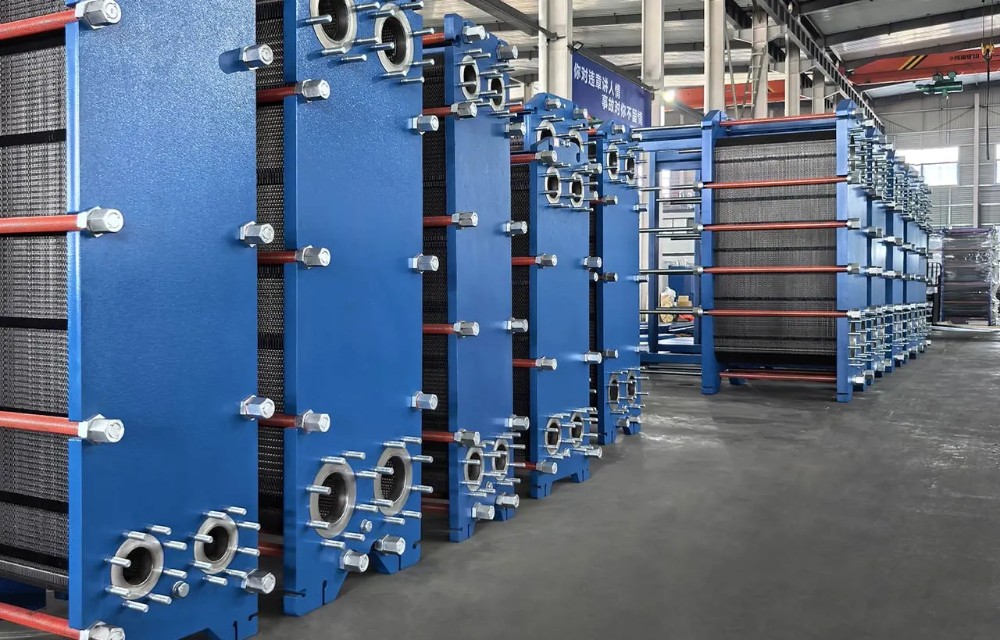
In the area of industrial fluid management and heat regulation, the Plate Heat Exchanger (PHE) functions as a vital part of energy systems, valued for its strong heat transfer performance, small footprint, and easy scalability options. However, as the core piece in steady production processes, it runs into one of the most irritating and hazardous issues: Internal Leakage, something operators also know as cross-contamination.
Since there are often no clear clues of leaks or liquid escape, this kind of trouble stays hidden quite effectively. Plant workers typically spot the problem only after major changes show up down the line in the setup. As an international company with broad knowledge in creating quality heat transfer tools and spare components, Grano grasps the major risks that internal leakage presents.
This thorough article will explore the true reasons behind hidden internal leakage in plate heat exchangers, explain typical upkeep mistakes, and offer useful engineering tips to spot and fix this threat for good. We aim to help readers understand how to keep their systems running smoothly and safely, drawing on real-world insights to make the information practical and easy to apply in everyday operations.
1. The Invisible Threat: Common Signs of Internal Leakage
The main risk of internal leakage comes from the way it avoids detection. Factory teams usually notice the issue only once it affects later parts of the process. Common warning signs include the following points, which point to a possible problem inside the device.
Cooling System Abnormalities: Cooling tower water suddenly shifts in color, starts to bubble up, or takes on a clear scent of working chemicals without any obvious trigger.
Spikes in Water Quality Metrics: A fast, puzzling increase in electrical conductivity or sharp changes in acidity levels in clean water or processed water arrangements.
Contaminated Product Batches: In strict hygiene sectors such as food preparation, drink making, or medicine production, costly batches of goods might end up scrapped because tiny traces of cooling liquid slip into the main product flow.
System Pressure Imbalances: Liquids from the high-pressure side leak over to the low-pressure side, creating uneven pressure swings in the low-pressure pipe network.
These signs can build up slowly over time, and brushing them off often leads to worse troubles later on. Take a busy factory setting, for example; a small blend of fluids might shut down full assembly lines, bringing delays and higher costs. Grano’s team members always point out the value of keeping an eye on these early hints to dodge bigger headaches in the future. By catching them soon, operators can save time, money, and effort while keeping production on track.
2. The Biggest Misconception: “It’s Just a Broken Gasket”
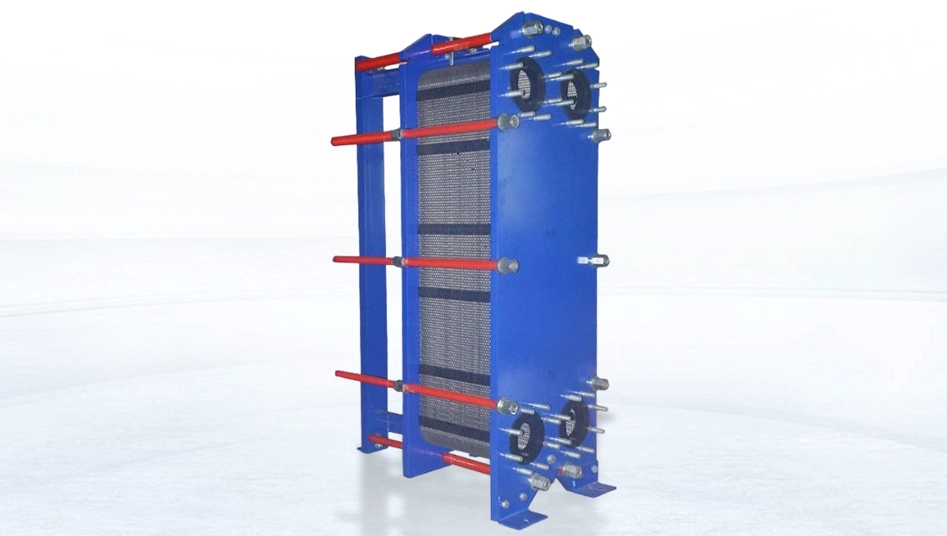
When signs of cross-contamination pop up, less experienced workers tend to jump to a simple fix in their minds: “The rubber seals must have gone bad.”
This quick thought misses the point in a major way when you look at it from an engineering angle. Solid, well-made plate heat exchangers, like the ones Grano builds, use a double-seal design and a “leakage signal groove” close to the entry points. This smart setup makes sure that when the main seal gives out, the liquid follows the signal path and drips out safely from the outside of the machine. That way, it does not head straight into the neighboring channel.
So, in most real cases of internal leakage, seal issues are not the culprit. Instead, the real problem stems from metal plate itself getting holes or breaks.
Seeing this key difference helps groups aim their efforts at the right solutions. Lots of plants lose hours swapping out seals when the true fault lies with the plates, which brings back the same failures and jacks up repair bills. From Grano’s hands-on work, we see that doing checks right from the start can cut down on wasted work and cash quite a bit. This approach not only fixes the immediate concern but also builds better habits for long-term equipment care.
3. The Deep Mechanism of Plate Corrosion and Perforation
To get the best results in heat exchange, PHE plates stay pretty slim, usually measuring 0.4mm to 0.6mm thick. While this thin build allows for great heat flow, it puts a lot of stress on the material’s ability to resist corrosion.
Pitting Corrosion and Chlorides
Even tough stuff like 316L stainless steel can deal with spot corrosion when it comes into contact with cooling water full of chloride particles (Cl-) in warm conditions. This focused wear can eat right through a 0.5mm plate in just a short while.
During actual use, chlorides go after weak spots on the metal’s surface, making little pits that grow fast with heat and movement. Sites that use tap water or recycled liquids run into this often if they do not check regularly. Grano suggests doing water tests on a routine basis to pick up on rising chloride amounts before they cause real harm. Such steps help maintain the integrity of the plates and extend the life of the entire unit.
Crevice Corrosion
Where the ridges on nearby plates touch and press together, slower water movement lets dirt and scale pile up. This buildup blocks oxygen from getting in, which kicks off a chemical reaction like a battery. The metal exactly at those touch spots breaks down quick and forms holes.
Crevice corrosion moves along quietly because the gap hides the damage from plain sight. In a matter of weeks or months, a small opening turns into a big tear, letting fluids leak through. Keeping up with good flow rates and cleaning schedules works well to stop this kind of buildup from happening in the first place. Operators who follow these practices find their equipment lasts longer without unexpected issues.
Real-World Case Study: The “Safe” Chloride Illusion
One chemical plant faced odd blending between cooling water and the main working liquid. Checks on the outside showed nothing leaking. When they opened up the heat exchanger, Grano’s experts found small holes by the ridge contact areas on the 316L stainless steel plates.
The staff there were stumped since their cooling water tests for chlorides hovered around 40 ppm, a level most folks think is fine for 316L. But Grano’s deeper look showed that low flow had led to some scale formation. Under that scale, a tiny spot built up where chlorides got very strong and the water turned acidic, starting heavy crevice corrosion that punched through the 0.5mm plates in only six months. Swapping the plates and tweaking the flow speed fixed everything.
This story shows how basic tests can fool you. Levels that seem low across the board can still cause trouble in tucked-away spots. Grano often steps in to help plants with full reviews, including checks on flow patterns and material choices, so they can catch dangers like this before they grow. After making the changes, the plant had zero more leaks and cut back on lost time by a good margin. Cases like this remind everyone why detailed analysis matters in keeping systems reliable.
Reference Data: Chloride Tolerance by Material
To make material choices easier, we have put together a table with usual PHE plate types and their common limits for chlorides:
|
Plate Material |
Max Operating Temp |
Recommended Max Chloride (Cl-) Limit |
Typical Industrial Applications |
|
SS 304 Stainless Steel |
50°C |
< 50 ppm |
Clean soft water, low-corrosion ambient fluids |
|
SS 316L Stainless Steel |
65°C |
< 200 ppm |
Standard cooling water, typical HVAC systems |
|
SMO 254 Super Austenitic |
80°C |
< 1,000 ppm |
Brackish water, high-chloride wastewater treatment |
|
Titanium (Grade 1) |
130°C+ |
> 80,000 ppm |
Seawater desalination, chlor-alkali processes |
|
Hastelloy (C-276) |
150°C+ |
Extremely High |
Strong acids, highly aggressive chemical mixtures |
The table gives a basic starting point, but picking the right material really depends on the full picture, like changes in temperature and how fast fluids move. Grano stands ready to give custom advice fitted to your exact setup, so the chosen material works well and holds up for years. This kind of personalized support ensures you avoid common pitfalls and get the most from your investment in heat exchange technology.
4. Metal Fatigue Cracks from Pressure Shocks and Alternating Stress
Physical damage hits just as hard as rust from chemicals. If the liquid lines suffer “water hammer” because valves snap open or shut too quick, from too much shaking in pumps, or from lots of start-stop actions, the plates face sudden pressure hits, which we call repeating stress.
As time goes by, this repeated pressure gathers at the low spots in the ridges or where flow spreads out, creating tiny cracks from wear in the metal’s makeup. You cannot see them with the naked eye, but strong pressure can push liquids through these slim cracks right into the weaker pressure area.
These wear cracks start out small but spread with continued use. Plants with older pumps or bad control on valves see this problem come up a lot. Checking pressure logs regularly helps find the patterns that lead to these cracks before they turn into leaks. By addressing the root causes early, like smoothing out valve operations or upgrading equipment, facilities can prevent downtime and keep things running steady.
5. Human-Induced Mechanical Damage During Maintenance
Bad habits during upkeep cause plenty of surprises in tough ways. When workers try to scrub off hard deposits, some pick the wrong tools, like rough wire brushes, or aim high-pressure water blasts from bad directions.
These rough methods gouge deep lines into the slim titanium or stainless steel plates. The gouges make the material thinner and wipe off the safe layer on the outside. After putting the unit back and starting it up again, harsh substances zero in on those weak lines fast, turning them into full-blown holes in no time.
Teaching staff the right ways to clean is crucial to stop this from happening. Grano offers guides and safe tools for cleaning that do not harm the surfaces, helping plants keep their gear in good shape for many years. Proper training not only cuts down on accidents but also boosts overall safety and efficiency in the workplace.
6. Comprehensive Troubleshooting Checklist for Cross-Contamination
If internal leakage seems likely, shut down the system right away to avoid more mixing and carry out a full check:
Test Water Chlorides and pH: Check the water makeup again to see if the current plate kind (like 304/316L) can handle the true corrosion risks while in action.
Review System Pressure Logs: Go over the records from the control setup for big pressure jumps or water hammer moments to track down shake causes that lead to metal wear.
Inspect Plate Contact Points: Once you do a solid chemical wash, look at the plates with good lights or a close view to spot rust areas or thin, star-pattern wear cracks.
Conduct Routine Single-Side Pressure Tests: Close off one side of the exchanger and put pressure on the other with water or air. Keep track of how the pressure drops to gauge hole sizes and find their spots.
Sticking to this list one step at a time makes sure you hit every angle. Plenty of plants learn that pairing these steps with help from Grano leads to fast fixes and fewer problems later. Writing down what you do at each point creates a solid record that aids in smarter planning down the road. This methodical way keeps operations smooth and builds trust in your maintenance routines.
7. Grano’s Engineering Recommendations for Complete Resolution
Effects from internal leakage often hurt how well work flows and how good the products turn out in serious ways.
Critical Warning: When cross-contamination takes place, never try patching up plates with holes using shop glue or welding. Welding throws off the even heat spread in the thin plate, and the hot spot will crack again soon because of how the material weakens.
The Grano Solution:
We urge doing a water pressure test or color check (PT) without delay to find every bad plate. As a top builder of fine heat exchanger parts, Grano can review your unique work conditions. Should your process needs shift, our group can assist in changing over plate types all the way (say, from 316L to Titanium or Hastelloy). Getting top-notch, custom-cut replacement plates from Grano wipes out the hidden dangers of rust and wear right at the beginning, guaranteeing the setup works long-term and stays safe across the board. Our parts fit perfectly and meet high standards, so you get peace of mind with every installation.
Grano’s plan puts lasting answers ahead of band-aid fixes. We team up with clients to look over their whole operation, starting from water quality up to pressure controls, all to stop the same issues from coming back. This full-service tactic saves money in the end and raises faith in the machinery. Many of our customers share stories of steadier runs and lower bills after they take our upgrades. We pride ourselves on turning potential disasters into reliable performance, one project at a time.
FAQ
Q: Why does internal leakage happen even when there is no visible fluid leaking from the outside of the heat exchanger?
A: Today’s well-built plate heat exchangers come with a double-seal gasket setup and leakage signal grooves. Should a gasket break, the liquid gets directed to leak out the side of the unit as a heads-up. For that reason, secret internal leaks mostly come from the metal plates getting small holes or splits due to rust or metal tiredness, letting fluid move straight from the high-pressure path to the low-pressure path on the inside.
This built-in feature works great for spotting seal troubles early on, yet it leaves plate damage unprotected. Steady checks help uncover plate flaws before they spark leaks. Taking this proactive step can prevent costly shutdowns and keep your production humming along without interruptions.
Q: My water analysis shows low chloride levels (around 30 ppm), so why did my 316L stainless steel plates still suffer from pitting corrosion?
A: Sure, if the main water chloride count looks safe, but tiny local spots can still form. When buildup or bits stick at plate touch points, they make a space without oxygen. In that space, chlorides pile up to risky amounts and the pH goes down (getting more acid). This tough small-area setup breaks down the safe film on 316L stainless steel easily, leading to quick holes.
To fight back, plants need to focus on even flow and spotless surfaces. Grano hands out test kits to watch these small zones in normal checks. Using them regularly turns potential weak points into strengths, ensuring your exchanger stands up to daily demands.
Q: If I find a tiny pinhole on a plate, can I just weld it or use high-strength epoxy to fix it?
A: No way. Plates in heat exchangers are super thin (usually 0.4mm to 0.6mm) and shaped with exact presses. Welding’s high heat changes the metal’s inner structure and brings in heat stress, which almost always means new breaks show up next to the weld spot right away. Epoxy just cannot take the ups and downs in heat, the chemical wash, or the force from factory liquids. The only sure and safe fix is to find the hurt plates and swap them out completely with original-quality plates from a trusted source like Grano. This method keeps everything balanced and ready for the long haul.


