
A Plattenwärmetauscher einRohrbündelwärmetauscher und andere Wärmepumpen arbeiten zwar im Gegenstromverfahren, lösen aber völlig unterschiedliche Probleme in der Produktion. Ob in einer Klimaanlage, einer komplexen Lebensmittelverarbeitungsanlage, einem chemischen Kreislauf oder einem industriellen Kühlsystem – die Wahl der richtigen Ausrüstung hängt von Faktoren wie Durchflussrate, Betriebsdruck, Reinigungsintervallen und den beengten Platzverhältnissen im Maschinenraum ab.
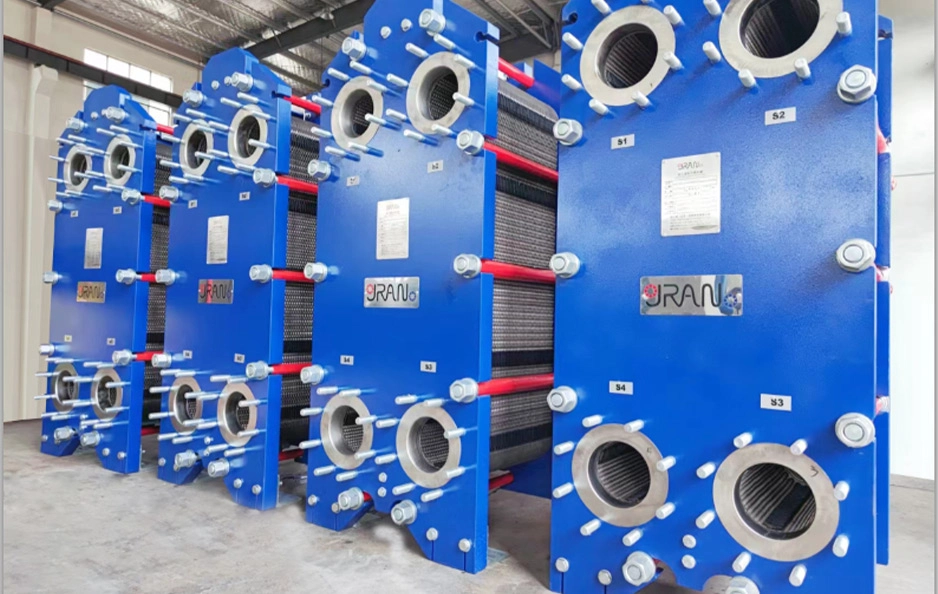
Für Käufer, denen echte Stahlgeräte wichtiger sind als theoretische DiagnosenWidder, Getreide ist eine SerieEin vielversprechender Kandidat, den man sich genauer ansehen sollte. Das Unternehmen wurde 2015 gegründet und ist ein professioneller Hersteller von Wärmetauschern, darunter Plattenwärmetauscher, Platten und Dichtungen. Zum Tagesgeschäft gehören Forschung und Entwicklung, Vertrieb, Installation und Kundendienst vor Ort. Plattenwärmetauscher eignen sich ideal für kompakte, effiziente und leicht zu reinigende Anwendungen und sind mit Rohrbündelwärmetauschern für große Durchflussmengen und geringe Druckverluste vergleichbar.
Die Anlagen des Unternehmens kommen in den Bereichen Klimatechnik, Petrochemie, Lebensmittelverarbeitung, Pharmazie, Stahlindustrie und industrielle Kühlung zum Einsatz. Diese breite Palette bietet Ihnen eine äußerst praxisnahe Ausgangsbasis. Vergessen Sie aktuelle Trends und konzentrieren Sie sich stattdessen auf die Anlagen, die Ihren täglichen Arbeitsbedingungen wirklich gerecht werden.
Was bedeutet Gegenstrom-Wärmeübertragung in industriellen Systemen?
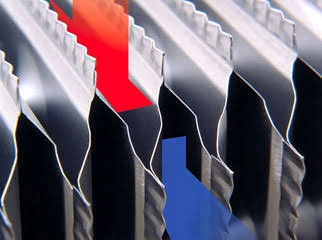
Das Gegenstromprinzip ist recht einfach. Heißes Fluid fließt in die eine Richtung, kaltes Fluid in die entgegengesetzte. Da die beiden Ströme entlang eines deutlich größeren Temperaturgradienten aneinander vorbeifließen, bleibt in dieser Anordnung ein äußerst nützlicher Temperaturunterschied vom Einlass bis zum Auslass erhalten. In der Praxis bedeutet das eine bessere Abwärmenutzung, niedrigere Energiekosten oder einfach die Möglichkeit, einen kleineren Wärmetauscher für die gleiche Wärmeleistung zu verwenden.
Gegenläufige Strömungsrichtung
Bei einer reinen Gegenstromanordnung kann die Austrittstemperatur des kalten Fluids überraschend nahe an die Eintrittstemperatur des heißen Fluids heranreichen. Versucht man dies bei einer Gleichstromanordnung, führt das lediglich zu Energieverschwendung. Ingenieure bevorzugen diese umgekehrte Anordnung üblicherweise für Fernwärme, Prozesskühlung, Kondensatwärmerückgewinnung und Kaltwasserkreisläufe, wo jedes Grad Temperatur zählt.
Konstante Temperaturdifferenz
Der große Vorteil liegt nicht nur in der Theorie. Es geht darum, einen gleichmäßigen Temperaturunterschied über die gesamte Metalloberfläche aufrechtzuerhalten. Wenn dieser Unterschied groß und effektiv bleibt, transportiert der Wärmetauscher die Wärme deutlich schneller über das Metall. Dies ist besonders nützlich, wenn ein Projekt eine sehr genaue Auslauftemperatur erfordert, wie beispielsweise beim Pasteurisieren von Saft, wo ein plötzlicher Temperaturabfall die gesamte Charge verderben kann.
Auswirkungen der Gerätekonstruktion
Die Strömungsrichtung allein kann ein fehlerhaftes System nicht wiederherstellen. Die Form der Kanäle, die gesamte Wärmeübertragungsfläche, der zulässige Druck, der Verschmutzungsgrad des Fluids und die Zugänglichkeit für einen Monteur mit einem Schraubenschlüssel sind genauso wichtig. Selbst eine ausgeklügelte Gegenstromanlage versagt kläglich, wenn der falsche Wärmetauscherrahmen gewählt wird.
Wie funktioniert ein Plattenwärmetauscher im Gegenstromverfahren?
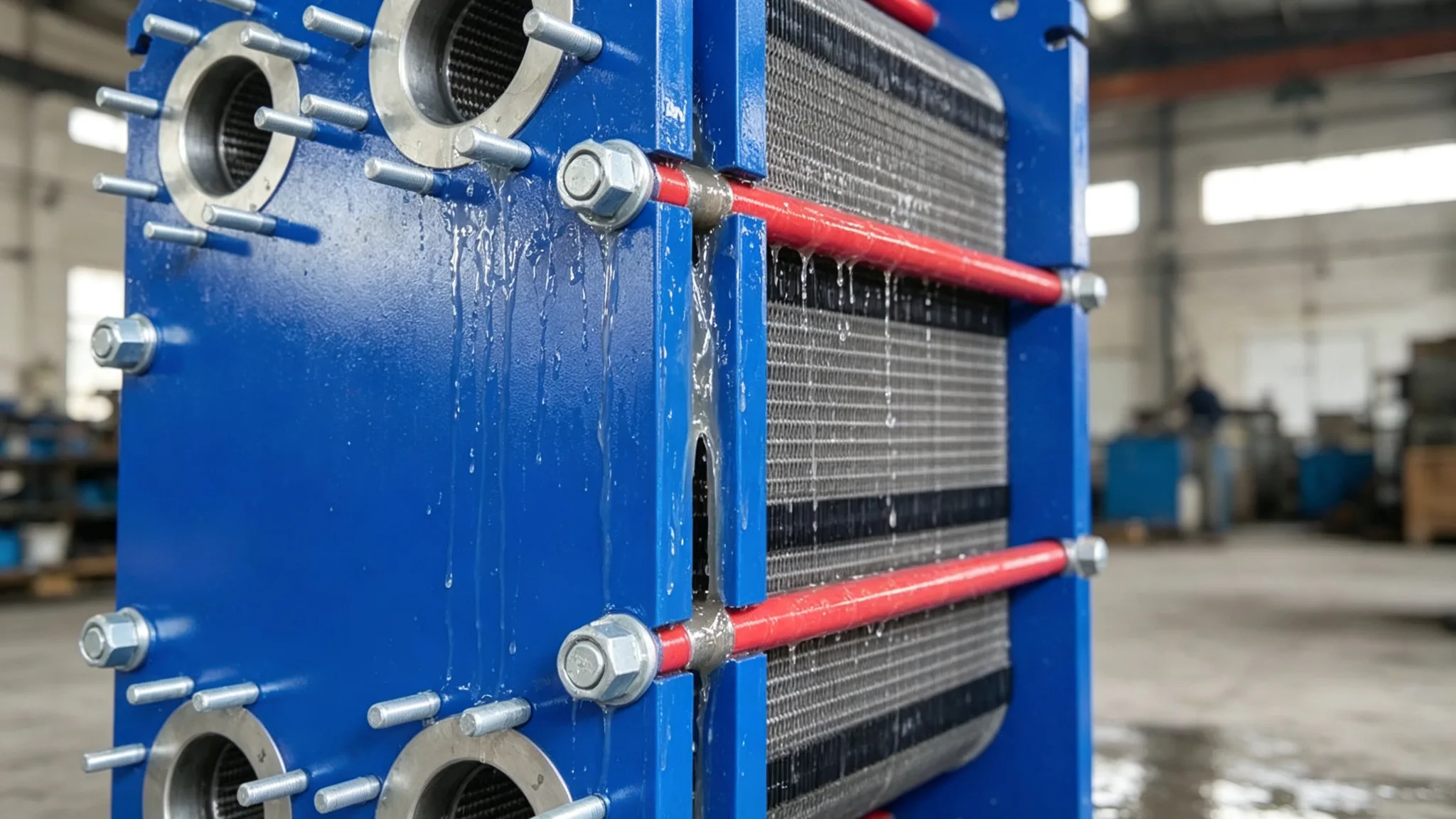
Plattenwärmetauscher eignen sich ideal für die meisten Gegenstromanwendungen, da sie Flüssigkeiten durch extrem enge Kanäle zwischen gewellten Metallplatten pressen. Der Strömungsweg ist eng, die Oberfläche dicht, und die Flüssigkeit wird beim Durchströmen des Plattenmusters stark in Bewegung versetzt.
Wellblechkanäle
Diese Wärmetauscherplatten sind aus Edelstahl gepresst und weisen in der Mitte eine Fischgrätenstruktur mit vier Strömungskanalöffnungen auf. Diese Formgebung erhöht die Strömungsverwirbelung, wodurch die Wärme die Metallbarriere deutlich schneller durchdringt. Für relativ sauberes aufbereitetes Wasser, Klimaanlagenkreisläufe in Gebäuden und leichte Industrieflüssigkeiten bietet diese spezielle Konstruktion eine enorme thermische Effizienz im Verhältnis zu ihrer Größe.
Kompakte Wärmeübertragungsfläche
Die Wärmetauscherfläche dieser Geräte lässt sich auf beeindruckende 5000 Quadratmeter individuell anpassen. Das ist enorm viel für Projekte, die eine hohe Wärmeleistung erfordern, aber kaum Platz im Maschinenraum lassen. Ein Krankenhauskeller ist in der Realität nie so geräumig, wie es die Architektenzeichnung vermuten lässt. Genau hier spielt eine hochkompakte Plattenwärmetauscheranlage ihre Stärken aus.
Abnehmbares Wartungsdesign
Ein abnehmbarer Rahmen ermöglicht es einer einzelnen Person, die Klemmschrauben zu lösen, die schweren Platten zurückzuschieben und den Schmutz mit einem Hochdruckreiniger abzuspülen. Dies ist besonders wichtig, wenn sich im Kühlmedium hartnäckige Ablagerungen bilden oder strenge Lebensmittelhygienevorschriften eine monatliche Reinigung der Geräte vorschreiben. Achten Sie dabei unbedingt auf die Gummidichtungen. Hohe Temperaturen können Standardgummi beschädigen, daher ist die Abstimmung des Dichtungsmaterials auf das Kühlmedium entscheidend.
| Produkttyp | Wärmetauscherfläche | Maximaler Betriebsdruck | Maximale Betriebstemperatur | Hauptmaterialien |
|---|---|---|---|---|
| Plattenwärmetauscher | Anpassbar, bis zu 5000 m² | 25 MPa | 200 °C | Edelstahl, Titanlegierung, Kohlenstoffstahl |
| Mantel- und Rohreinheit | Anpassbar | 50 MPa | 400 °C | Edelstahl, Kohlenstoffstahl, Kupfer |
Wie bewältigt ein Rohrbündelwärmetauscher Gegenstromanwendungen?
Ein Rohrbündelwärmetauscher basiert auf einem großen Rohrbündel, das in einem massiven zylindrischen Gehäuse untergebracht ist. Ein Fluid strömt durch das Innere der Rohre, während ein zweites Fluid außen um das Rohrbündel strömt. Mit der richtigen Anordnung der Strömungswege eignet er sich hervorragend für Gegenstrom- oder nahezu Gegenstromanwendungen. Er ist zwar nicht kompakt, aber extrem robust gebaut.
Rohrbündel- und Mantelstruktur
Die Konstruktion ist bewusst einfach und extrem robust. Das erklärt, warum diese massiven Anlagen noch immer in petrochemischen Anlagen, Stahlwerken und riesigen Pharmafabriken dominieren. Wenn in einer Fabrik den ganzen Tag Hochleistungspumpen laufen und das Kühlwasser mit Flusskies angereichert ist, ist diese enorme mechanische Festigkeit von unschätzbarem Wert.
Große Durchflusskapazität
Rohrbündelwärmepumpen sind dafür bekannt, hohe Fördermengen bei minimalem Druckabfall zu bewältigen. Fördert Ihr System große Mengen dickflüssiger Medien und besteht bereits die Sorge vor einer Überlastung der Pumpenmotoren, ist diese traditionelle Bauweise in der Regel die sicherere Wahl. Besonders schmale Plattenkanäle sind bei dickflüssigen oder verschmutzten Medien nicht immer optimal.
Hochdruckbeständigkeit
Die technischen Daten dieser Geräte sind beeindruckend. Der angegebene maximale Betriebsdruck kann bis zu 50 MPa erreichen, und sie können problemlos bei extremen Temperaturen bis zu 400 Grad Celsius betrieben werden. Diese Werte heben die Rohrbündelwärmetauscher für extreme Einsatzbedingungen in eine ganz andere Gewichtsklasse. Wenn Sie mit siedendem Öl, Hochdruckdampfleitungen oder extremen Prozesskühlungen zu tun haben, sollten Sie diese Option unbedingt in Betracht ziehen.
Plattenwärmetauscher vs. Rohrbündelwärmetauscher: Welcher ist besser für Ihre Anwendung?
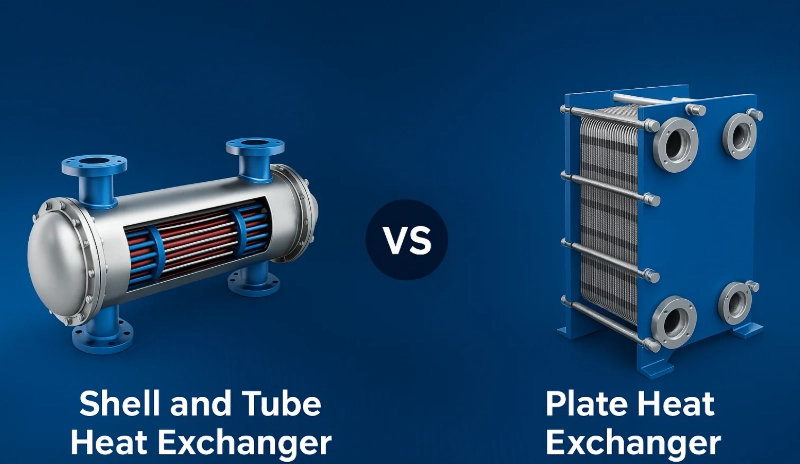
Genau in diesem Moment wird die Kaufentscheidung höchst praktisch. A Plattenwärmetauscher Nur weil etwas modern ist, heißt das nicht automatisch, dass es besser ist. Und ein Rohrbündelwärmetauscher ist nicht veraltet, nur weil er wie ein U-Boot-Teil aus den 1950er-Jahren aussieht. Jede Maschine ist unter ganz unterschiedlichen physikalischen Bedingungen effektiv.
Wärmeübertragungseffizienz
Wenn es Ihnen vor allem auf maximale Kompaktheit und Effizienz ankommt, sind Plattenwärmetauscher meist die beste Wahl. Die gewellten Platten und engen Kanäle sorgen für eine extrem hohe Wärmeübertragung auf kleinstem Raum. Sind Ihre Betriebsflüssigkeiten relativ sauber und bewegen sich Systemdruck und -temperatur im Normbereich, ist ein Plattenwärmetauscher in der Regel die wirtschaftlichste Lösung.
Druckabfallregelung
Der Druckverlust kann maßgeblich über den Erfolg eines gesamten Ingenieurprojekts entscheiden. Plattenwärmetauscher bieten eine hohe thermische Effizienz, erfordern jedoch eine sehr sorgfältige Dimensionierung, wenn das Medium Sand enthält oder die Durchflussrate extrem hoch ist. Rohrbündelwärmetauscher bewältigen große Durchflussmengen bei geringem Druckverlust deutlich besser und sind daher die erste Wahl für raue Industrieanlagen, in denen das Wasser nicht ohne Weiteres gefiltert werden kann.
Reinigungs- und Lebenszykluskosten
Wenn Ihr Wartungsteam die Anlage häufig reinigen muss, spart eine abnehmbare Platteneinheit tagelange manuelle Arbeit. Sie wird einfach abgeschraubt. Benötigen Sie hingegen einen robusten, jahrelangen Dauerbetrieb ohne Eingriff, kann eine Rohrbündelwärmepumpe das Risiko plötzlicher Stillstände verringern. Die tatsächlichen Lebenszykluskosten hängen maßgeblich von der örtlichen Wasserqualität, der Geschwindigkeit der Kalkablagerungen, der Lebensdauer der Dichtungen und der bevorzugten Reinigungsmethode (chemische Spülung oder manuelle Reinigung) ab.
| Käuferbedenken | Bessere Passform | Praktische Gründe |
|---|---|---|
| Begrenzter Installationsraum | Platteneinheit | Kompakte Bauweise ermöglicht hohe Flächendichte auf kleinem Raum |
| Häufige manuelle Reinigung | Platteneinheit | Der abnehmbare Rahmen ermöglicht es den Arbeitern, die Platten leicht auseinanderzuschieben. |
| Großer Durchfluss bei geringem Druckabfall | Rohrbündel | Breite Strömungswege verhindern eine Pumpenüberlastung bei starker Zirkulation. |
| Einsatz bei extrem hohen Temperaturen | Rohrbündel | Die angegebene Betriebstemperatur beträgt bis zu 400 °C. |
| Extrem hoher Druckeinsatz | Rohrbündel | Der angegebene maximale Betriebsdruck beträgt bis zu 50 MPa. |
| Klimaanlage und Standardkühlung | Platten- oder Gehäuseeinheit | Die Auswahl hängt stark von den genauen Druckgrenzen und dem Medientyp ab. |
Wie wählen Käufer den richtigen Wärmetauscher aus?
Sie sparen allen Beteiligten enorm viel Zeit, indem Sie mit Ihren tatsächlichen Produktionsbedingungen beginnen, anstatt einfach ein Produkt aus einem Hochglanzkatalog auszuwählen. Bevor Sie einen Hersteller um ein Angebot bitten, ermitteln Sie die Durchflussraten auf der Heiß- und Kaltseite, die genauen Ein- und Auslasstemperaturen, den Betriebsdruck, die genaue Bezeichnung des Mediums, das Korrosionsrisiko und Ihren Reinigungszyklus. Ein kurzes, präzises Datenblatt ist deutlich besser als zehn lange, verwirrende E-Mails.
Heizungs-, Lüftungs- und Klimatechnik sowie Gebäudesysteme
Für gewerbliche Hochhäuser, Warmwasserkreisläufe, Fernwärmenetze und Standard-Kaltwasserkreisläufe ist ein Plattenwärmetauscher fast immer die sinnvollste Lösung. Er ist äußerst kompakt, thermisch effizient und deutlich einfacher zu demontieren und zu warten, insbesondere bei beengten Platzverhältnissen im Keller.
Petrochemische und Schwerindustrie
Für petrochemische Raffinerien, Stahlwerke, pharmazeutische Anlagen und große Durchflussprozesse sind Rohrbündelwärmetauscher oft die sicherere Lösung. Sie bewältigen mühelos die enormen Drücke, die extremen Temperaturen und die massiven Fördermengen dank ihrer robusten und zuverlässigen Konstruktion.
Material- und Dichtungsabstimmung
Die Wahl des Metalls ist kein unwichtiges Detail, das man vernachlässigen kann. Standard-Edelstahl, teure Titanlegierungen, Kohlenstoffstahl und Kupfer reagieren sehr unterschiedlich auf rohes Flusswasser, aggressive Chemikalien oder heißes Öl. Auch die Wahl der Dichtung beeinflusst die Temperaturgrenzen und das Risiko von Ausblasvorgängen in Plattenwärmetauschern erheblich; daher sollten die Spezifikationen der Gummidichtungen unbedingt beachtet werden.
Wie erhalten Sie eine maßgeschneiderte Gegenstrom-Wärmeübertragungslösung?
Ein seriöser Gerätelieferant stellt Ihnen vor jeder Empfehlung gezielte und unangenehme Fragen. Wenn Ihnen ein Verkäufer einfach nur eine Modellnummer nennt, ohne auf Ihre Druckverlustgrenzen, Temperaturspitzen oder das Verschmutzungsrisiko Ihres Mediums einzugehen, sollten Sie höflich ablehnen. Industrielle Wärmetauscher sind definitiv keine Einheitslösungen.
Unterstützung bei der Produktauswahl
Erfassen Sie Ihre komplexen Prozessdaten und die physikalischen Installationsgrenzen. Für kompakte, saubere Systeme wird in der Regel zunächst die Plattenwärmetauscher-Option empfohlen. Bei Systemen mit hohem Druck oder großen Durchflussmengen kommt meist der Rohrbündelwärmetauscher zum Einsatz.
Service- und Wartungsplanung
Stellen Sie gezielte Fragen zu Ersatzplatten, Dichtungen, hochfesten Schrauben, Grenzwerten für die chemische Reinigung, Druckprüfverfahren und der Verfügbarkeit von Ersatzteilen. Die Zugänglichkeit für Wartungsarbeiten ist ein wesentlicher Bestandteil der Anschaffung und darf nicht erst im Nachhinein bei der ersten Notabschaltung um 2 Uhr nachts bedacht werden.
Angebots- und Projektberatung
Bei einer korrekten Gegenstrom-Wärmeübertragung wird die richtige Lösung in der Regel überaus deutlich, sobald die Arbeitsdaten überprüft werden. Wählen Sie einen Plattenwärmetauscher Wenn kompakte Größe, hohe thermische Effizienz und einfache manuelle Reinigung für Ihren täglichen Betrieb entscheidend sind, wählen Sie ein Rohrbündelwärmetauscher. Dies gilt insbesondere dann, wenn hohe Durchflussmengen, geringe Druckverluste, gefährliche Drücke und extreme Temperaturen Priorität haben.
Häufig gestellte Fragen
F: Wann sollte man einen Plattenwärmetauscher für die Gegenstrom-Wärmeübertragung wählen?
A: Sie sollten es auf jeden Fall wählen, wenn Ihre Systemflüssigkeit relativ sauber ist, der Platz in Ihrem Maschinenraum begrenzt ist und Sie eine hohe Wärmeübertragungseffizienz in Verbindung mit einem einfachen physischen Zugang für die manuelle Reinigung und den Austausch der Dichtung benötigen.
F: Ist ein Rohrbündelwärmetauscher besser für Hochdruck-Gegenstromsysteme geeignet?
A: Ja, für industrielle Anwendungen mit hohem Druck und hohen Temperaturen ist es sehr oft die bessere Wahl. Die angegebenen Produktdaten zeigen, dass diese Geräte bis zu 50 MPa und 400 Grad Celsius aushalten, was deutlich über den Grenzwerten von Standard-Plattenverdichtern liegt.
F: Welche konkreten Informationen sollten Sie vorbereiten, bevor Sie einen Hersteller um ein Angebot für einen Wärmetauscher bitten?
A: Sie müssen die genaue Durchflussrate, die Ein- und Auslasstemperaturen, den maximalen Betriebsdruck, die Art des Mediums, das Korrosionsrisiko, das Verschmutzungsrisiko, die Platzverhältnisse für die Installation und Ihren geplanten Reinigungsplan vorbereiten. Wenn diese Daten vorliegen, kann der Lieferant die Anlage gleich beim ersten Mal richtig dimensionieren.