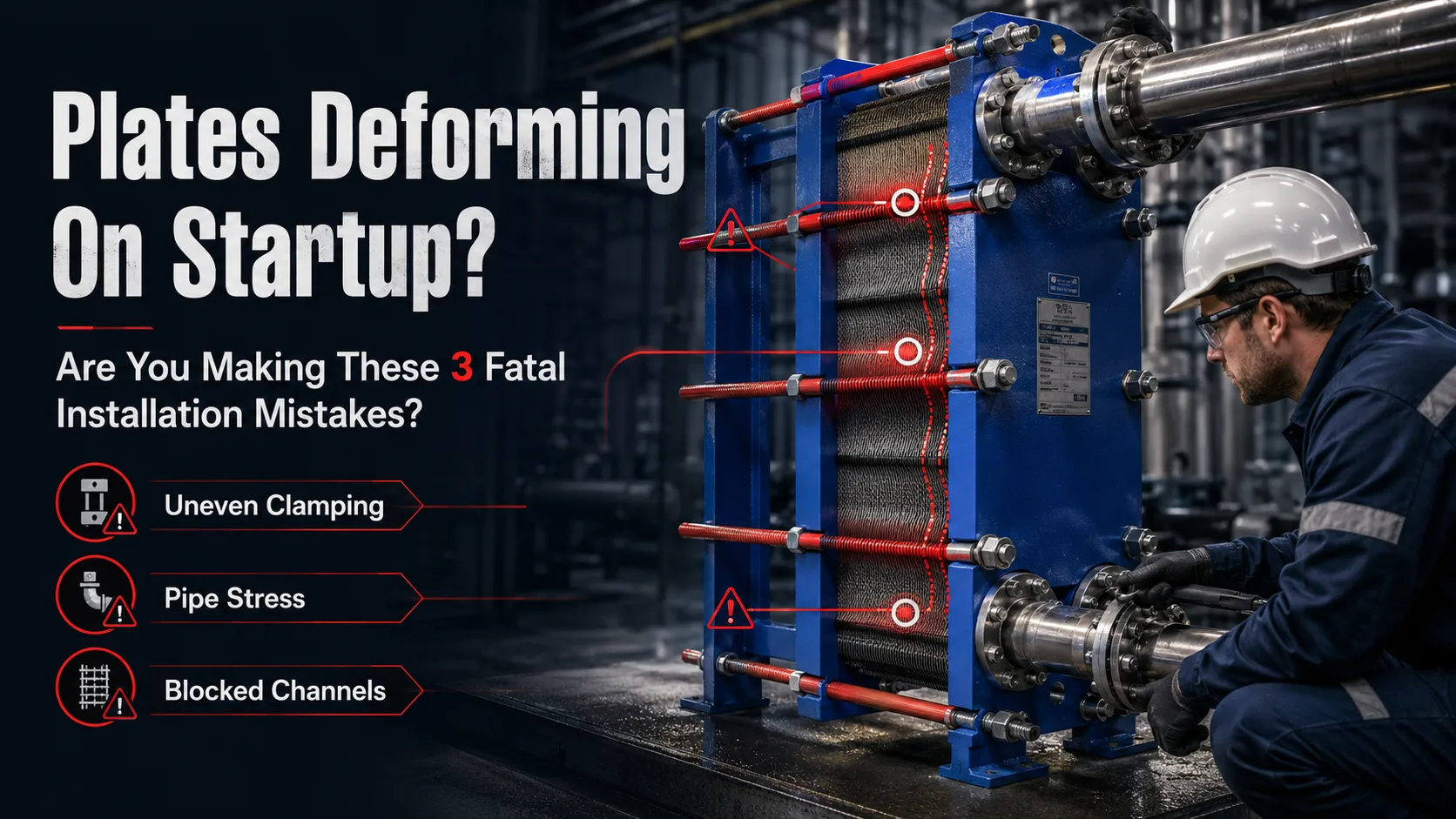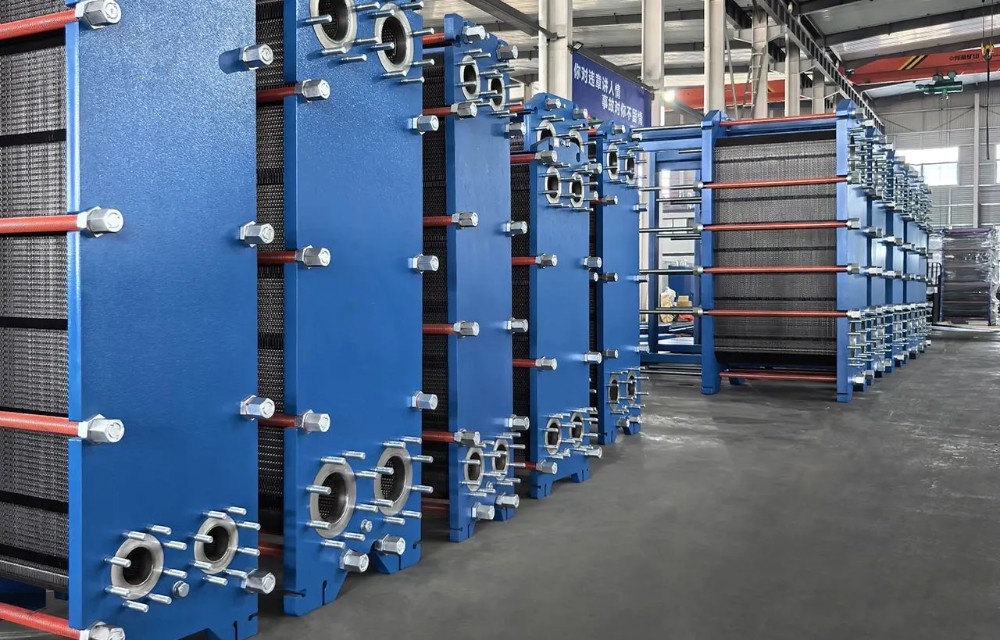

একটি নতুন পাইপলাইন সিস্টেমের প্রথম ওয়াটার টেস্টের সময়ই হিট এক্সচেঞ্জার নষ্ট হয়ে যাওয়ার কথা নয়। অথচ, অনেক প্রজেক্ট টিম যা স্বীকার করতে চায়, তার চেয়েও বেশিবার এই ধরনের ব্যর্থতা ঘটে থাকে। এর মূল কারণ সাধারণত নিম্নমানের প্লেট মেটেরিয়াল, ভুল হিট ট্রান্সফার ডিজাইন বা দুর্ভাগ্য নয়। প্রায়শই ইনলেটে একটি যন্ত্রাংশের অভাব থাকে: একটি সঠিক ফিল্টার।
শস্য ২০১৫ সালে প্রতিষ্ঠিত একটি পেশাদার হিট এক্সচেঞ্জার প্রস্তুতকারক প্রতিষ্ঠান, যা প্লেট হিট এক্সচেঞ্জার, গ্যাসকেট, প্লেট, ইউনিট, ইনস্টলেশন এবং রক্ষণাবেক্ষণ পরিষেবার উপর বিশেষভাবে মনোনিবেশ করে। এর পণ্যের পরিসরের মধ্যে রয়েছে ডিটাচেবল প্লেট হিট এক্সচেঞ্জার, টাইটানিয়াম প্লেট হিট এক্সচেঞ্জার, অল-ওয়েল্ডেড ইউনিট, শেল অ্যান্ড টিউব হিট এক্সচেঞ্জার এবং সংশ্লিষ্ট খুচরা যন্ত্রাংশ। কোম্পানির জ্ঞানভাণ্ডারের প্রধান বৈশিষ্ট্য হলো এর কম্প্যাক্ট গঠন, সহজ পরিচ্ছন্নতা, ব্যাপক শিল্প ব্যবহার এবং হিটিং, এইচভিএসি, রাসায়নিক, ফার্মাসিউটিক্যাল, খাদ্য ও শক্তি সিস্টেমের জন্য সহায়তা। যে সকল ক্রেতা সরঞ্জাম এবং বিক্রয়োত্তর সেবা উভয় বিষয়েই যত্নশীল, তাদের জন্য এর... পরিষেবা সহায়তা এবং কোম্পানির পটভূমি একে শুধু সরবরাহকারী নয়, বরং একটি কার্যকরী অংশীদার হিসেবে গড়ে তুলুন।
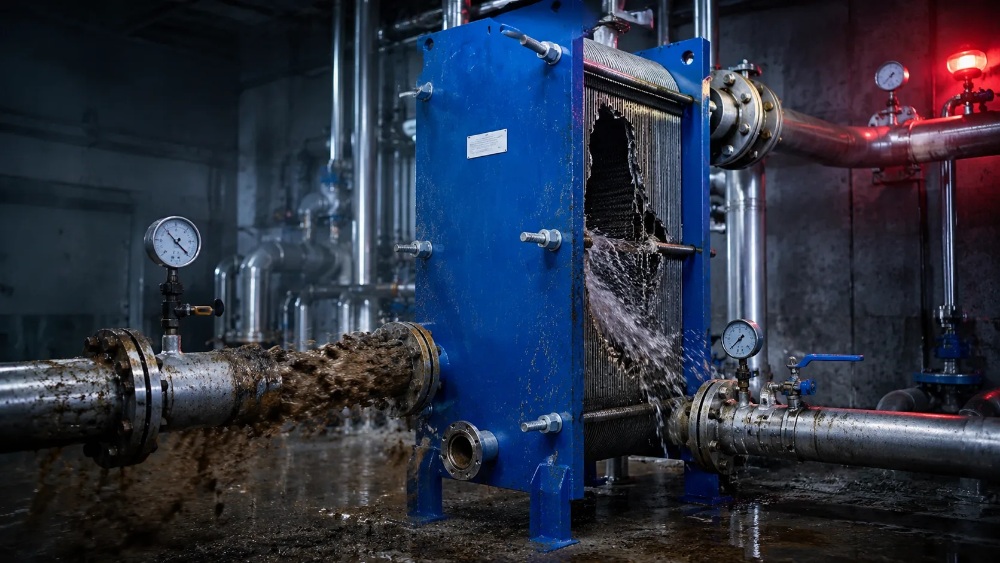
ব্যর্থতার দৃশ্য: চালুর সময় ধাতব ফাটলের শব্দ এবং তরলের তীব্র মিশ্রণ
চালু করার সময় হিট এক্সচেঞ্জার বিকল হওয়াটা সবসময়ই কষ্টদায়ক, কারণ তখন সবকিছু একদম নতুন দেখায়। পাইপগুলো এইমাত্র লাগানো হয়েছে। পাম্পটি সবেমাত্র চালু হয়েছে। ওয়াটার টেস্টের মাধ্যমে শুধু বায়ুরোধী অবস্থা এবং জলের প্রবাহ নিশ্চিত করার কথা। কিন্তু একবার ইউনিটের ভেতরে ধাতব কণা প্রবেশ করলে, একটি নতুন প্লেট হিট এক্সচেঞ্জার মিনিটের মধ্যে, এমনকি কখনও কখনও সেকেন্ডের মধ্যেই বিকল হয়ে যেতে পারে।
প্রথম জল পরীক্ষার সময় দৃশ্যমান ব্যর্থতা
নতুন স্থাপিত পাইপলাইন সিস্টেমের প্রথম জল পরীক্ষার সময়, পাম্পটি চালু হয় এবং হিট এক্সচেঞ্জারের ভেতর থেকে একটি তীক্ষ্ণ ধাতব ঘর্ষণের শব্দ আসে। তারপর সেই শব্দটা একটা ফাটলের শব্দে পরিণত হয়। সিস্টেমের চাপ দ্রুত কমে যায়। গরম ও ঠান্ডা মাধ্যমগুলো মিশতে শুরু করে।
ইউনিটটি খোলার পর ক্ষতিটা স্পষ্ট হয়ে ওঠে। নতুন ধাতব প্লেটগুলোতে বেশ কয়েকটি ছেঁড়া ছিদ্র দেখা যায়। এই ছিদ্রগুলো ধীরগতির ক্ষয়ের মতো নয়। দেখে মনে হয়, কোনো শক্ত বস্তু জোর করে পাতলা ধাতব পৃষ্ঠ ভেদ করে ভেতরে ঢুকে গেছে।
এই পার্থক্যটি গুরুত্বপূর্ণ। ক্ষয়ের ফলে সাধারণত দাগ, রঙের পরিবর্তন, গর্ত বা ধীরে ধীরে পাতলা হয়ে যাওয়ার মতো চিহ্ন দেখা যায়। শক্ত আবর্জনার কারণে হওয়া যান্ত্রিক ক্ষতি আরও সরাসরি হয়। এক্ষেত্রে প্লেটটি কোনো একটি নির্দিষ্ট স্থানে ধাক্কা খায়, কেটে যায় বা ছিঁড়ে যায়। একটি প্লেট হিট এক্সচেঞ্জারে অভ্যন্তরীণ প্রবাহ পথ সংকীর্ণ হয়, তাই পাম্পের চাপে একটি ছোট শক্ত কণাও যন্ত্রের মতো কাজ করতে পারে।
কেন এই ব্যর্থতাকে প্রায়শই ভুলভাবে বিচার করা হয়
অনেক দল প্রথমে প্লেটের গুণমান নিয়ে সন্দেহ করে। এই প্রতিক্রিয়াটি বোধগম্য, কিন্তু এটি সবসময় সঠিক নয়। একটি প্লেট হিট এক্সচেঞ্জার করোগেটেড প্লেট, সিলিং প্যাড, ক্ল্যাম্পিং প্লেট এবং ক্ল্যাম্পিং বোল্ট দিয়ে তৈরি করা হয়। করোগেটেড প্লেটের পৃষ্ঠতল দৃঢ়তা বাড়ায়, তরলের আলোড়ন বৃদ্ধি করে এবং উচ্চ তাপ স্থানান্তরে সহায়তা করে। কার্যকরী মাধ্যমটি প্লেটগুলোর মধ্যে থাকা সরু, সর্পিল নালীর মধ্য দিয়ে প্রবাহিত হয়, আর ঠিক এই কারণেই যন্ত্রটি একটি ছোট আকারের মধ্যেও শক্তিশালী তাপ স্থানান্তর করতে পারে।
সেই একই ছোট আকারের নকশার কারণে যন্ত্রটি ময়লা-আবর্জনার প্রতিও সংবেদনশীল হয়ে পড়ে। ঝালাইয়ের বর্জ্যের একটি টুকরো যা একটি বড় পাইপের মধ্যে দিয়ে চলে যেতে পারত, তা একটি প্লেট চ্যানেলের ভিতরে বিপজ্জনক বস্তুতে পরিণত হতে পারে। যন্ত্রটি কার্যকর, তা ঠিক। কিন্তু এটি কোনো আবর্জনা সংগ্রাহক নয়।
| ব্যর্থতার চিহ্ন | সম্ভাব্য অর্থ | সাধারণ সাইট ক্লু |
|---|---|---|
| চালু করার সময় তীক্ষ্ণ ধাতব শব্দ | প্লেট চ্যানেলে কঠিন ধ্বংসাবশেষ প্রবেশ করছে | নতুন পাইপ বাইপাসের মাধ্যমে ফ্লাশ করা হয়নি |
| হঠাৎ চাপ কমে যাওয়া | প্লেট ছিঁড়ে যাওয়া বা অভ্যন্তরীণ ফুটো | গরম ও ঠান্ডা মাধ্যম মেশানো শুরু হয় |
| প্লেটে বেশ কয়েকটি স্থানীয় ছিদ্র | বিন্দু বলের ক্ষতি | ঝালাইয়ের বর্জ্য, ধাতব কুচি, ছোট পাথর |
| সময়ের সাথে সাথে চাপ হ্রাস বৃদ্ধি | স্কেলিং বা চ্যানেল ব্লকেজ | নোংরা মাধ্যম বা খুব বেশি কণা |
| সেকেন্ডারি সাইডে সমন্বিত চাপ পরিবর্তন | মাঝারি মিশ্রণ | প্লেট ছিদ্র বা ফাটল |
মূল ভুল ধারণা: “পাইপগুলো নতুন এবং পানিও পরিষ্কার, তাই ফিল্টারটা পরে লাগালেও চলবে।”
এই বাক্যটি ঘটনাস্থলে নিরীহ শোনালেও, এটি বিপজ্জনক। নতুন পাইপ শুধু নতুন বলেই পরিষ্কার থাকে না। ঝালাই, কাটা, ঘষা, তোলা এবং সংরক্ষণের সময় একটি পাইপের ভেতরের দেয়ালে আশ্চর্যজনক পরিমাণে ময়লা জমতে পারে। এর কিছু ময়লা এতটাই ছোট যে তা পানির স্রোতের সাথে দ্রুত সরে যেতে পারে, আবার এতটাই শক্ত যে তা ধাতব পাতের ক্ষতি করতে পারে।
কেন নতুন সিস্টেমগুলোকে প্রায়শই খুব হালকাভাবে নেওয়া হয়
তাড়াহুড়োর প্রকল্প সময়সূচীর কারণে, একটি নির্মাণ দল হিট এক্সচেঞ্জারের প্রবেশপথে ওয়াই-স্ট্রেইনার ব্যবহার করা বাদ দিতে পারে। অন্য ক্ষেত্রে, দলটি আনুষ্ঠানিক পরিচালনার আগে হিট এক্সচেঞ্জারটিকে বিচ্ছিন্ন করে না। পাইপলাইনটি প্রথমে বাইপাসের মাধ্যমে ফ্লাশ করা হয় না। পানি সরাসরি হিট এক্সচেঞ্জারের মধ্যে দিয়ে প্রবাহিত হয় এবং সিস্টেমে যা কিছু অবশিষ্ট ছিল তা সাথে নিয়ে যায়।
এর ফলে হিট এক্সচেঞ্জারটি পুরো পাইপলাইনের বর্জ্য সংগ্রাহকে পরিণত হয়। এটি একটি খারাপ সিদ্ধান্ত। একটি সম্পূর্ণ প্লেট প্যাক প্রতিস্থাপন, চালু করার জন্য নষ্ট হওয়া সময় এবং গ্রাহকের আস্থার ক্ষতির তুলনায় একটি ফিল্টারের দাম খুবই কম। শেষের এই অংশটি ক্রয় আদেশে লেখা থাকে না, কিন্তু ইঞ্জিনিয়ারিং সেলসের সাথে জড়িত প্রত্যেকেই জানে যে এটি একটি বাস্তবতা।
নলেজ বেস-এ ইনস্টলেশনের বিষয়ে একটি স্পষ্ট সতর্কতা দেওয়া হয়েছে: হিট এক্সচেঞ্জারের সাথে সংযুক্ত পাইপগুলো পরিষ্কার করা উচিত, যাতে বালি, নুড়ি, ওয়েল্ডিং স্ল্যাগ এবং এই জাতীয় আবর্জনা ইউনিটের ভিতরে প্রবেশ করে প্রতিবন্ধকতা সৃষ্টি করতে না পারে। এতে আরও উল্লেখ করা হয়েছে যে, রক্ষণাবেক্ষণের জন্য ইউনিটের চারপাশে পর্যাপ্ত জায়গা রাখতে হবে এবং ইনলেট ও আউটলেট পাইপিং ফ্যাক্টরি নেমপ্লেটে দেখানো নির্দেশনা অনুযায়ী স্থাপন করতে হবে।
ফিল্টারটি ঐচ্ছিক সুরক্ষা নয়
ইনলেটে একটি Y-স্ট্রেনার হলো প্রাথমিক সুরক্ষা ব্যবস্থা। প্রথমবার চালু করার সময় এবং পরবর্তী অপারেশনের সময়, ফিল্টারটি প্লেট চ্যানেলে পৌঁছানোর আগেই কঠিন কণাগুলোকে আটকে দেয়। অনেক ওয়াটার ও HVAC সিস্টেমের জন্য, ৪০ থেকে ৬০ মেশের ফিল্টার একটি বিচক্ষণ ও বাস্তবসম্মত পছন্দ। সঠিক মাপে তৈরি এবং রক্ষণাবেক্ষণ করা হলে, এটি মোটা ও কঠিন আবর্জনা আটকে দেয়, কিন্তু জলের স্বাভাবিক প্রবাহ বজায় রাখে।
যদি আপনার প্রকল্পে কমপ্যাক্ট সরঞ্জাম ব্যবহার করা হয় যেমন একটি ব্রেজড প্লেট হিট এক্সচেঞ্জার, প্রবাহ পরিষ্কার রাখার প্রয়োজনীয়তা আরও বেশি গুরুত্বপূর্ণ। ব্রেজ করা ইউনিটগুলো ছোট ও নির্ভরযোগ্য, কিন্তু গ্যাসকেটযুক্ত ইউনিটের মতো এগুলো সহজে খুলে ফেলার জন্য ডিজাইন করা হয়নি। প্রথম দিন থেকেই প্রবেশপথে ময়লা নিয়ন্ত্রণ করাটা জরুরি।
প্রযুক্তিগত কারণ: “ধাতব বুলেট” দ্বারা মিলিমিটার-স্তরের প্রবাহ পথ ক্ষতিগ্রস্ত হওয়া
একটি প্লেট হিট এক্সচেঞ্জার ভালোভাবে কাজ করে কারণ এটি সংকীর্ণ চ্যানেলের মধ্যে শক্তিশালী তাপ বিনিময় ঘটায়। সাধারণ ব্যবহারে এটি কোনো দুর্বলতা নয়, বরং এটি একটি শক্তি। কিন্তু প্রথম ফ্লাশের সময় যখন কঠিন বহিরাগত পদার্থ প্রবেশ করে, তখন এই সংকীর্ণ চ্যানেলটি একটি উচ্চ-ঝুঁকিপূর্ণ অঞ্চলে পরিণত হয়।
নতুন পাইপলাইনের ভিতরে লুকানো ধ্বংসাবশেষ
নতুন ঝালাই করা পাইপলাইনে ঝালাইয়ের বর্জ্য, ধাতু কাটার টুকরো, ঘষার ধুলো, নাট, ছোট পাথর, সিলিং টেপের টুকরো এবং সাময়িক সংরক্ষণের কারণে মরিচার কণা থাকতে পারে। এই বস্তুগুলোর কিছু পাম্প চালু না হওয়া পর্যন্ত স্থির থাকে। প্রবাহ শুরু হলে, এগুলো জলের সাথে চলতে থাকে এবং দ্রুত গতিতে প্রবেশপথে প্রবেশ করে।
পাম্পটি ধীরে চালু না করে জোরে চালু করলে সমস্যাটি আরও গুরুতর হয়ে ওঠে। দ্রুত প্রবাহ ময়লার উপর আঘাতের শক্তি বাড়িয়ে দেয়। একটি ছোট ধাতব টুকরো পাইপের ভেতরে একটি কঠিন প্রক্ষেপকের মতো ছুটে যেতে পারে। কারও হাতের তালুতে এটিকে হয়তো ভীতিকর মনে হবে না। কিন্তু একটি হিট এক্সচেঞ্জার চ্যানেলের ভেতরে ব্যাপারটা সম্পূর্ণ ভিন্ন।
বিন্দু লোডিং দ্বারা সৃষ্ট শারীরিক অনুপ্রবেশ
অনেক প্লেট হিট এক্সচেঞ্জারের ভেতরের প্লেটের ফাঁক মাত্র কয়েক মিলিমিটার হয়। মূল নকশায় এর সাধারণ পরিসীমা ২ থেকে ৪ মিলিমিটার এবং পাতলা প্লেটগুলোর পুরুত্ব প্রায় ০.৫ মিলিমিটার উল্লেখ করা আছে। যখন দুটি ঢেউখেলানো প্লেটের সংযোগস্থলের মধ্যে কোনো শক্ত কণা আটকে যায়, তখন পাম্পটি সহজে থেমে যায় না। চাপ ক্রমাগত ধাক্কা দিতে থাকে।
তখন বলটি একটি ক্ষুদ্র সংস্পর্শ ক্ষেত্রে কেন্দ্রীভূত হয়। একে পয়েন্ট লোডিং বলা হয়। একটি বিস্তৃত বল ধাতুকে বাঁকাতে পারে, কিন্তু একটি কেন্দ্রীভূত বল একে ভেদ করতে পারে। ঢেউখেলানো প্লেটের সংযোগস্থলে আটকে থাকা ওয়েল্ডিং স্ল্যাগ একটি ক্ষুদ্র বুলেটের মতো আচরণ করতে পারে। এটি প্লেটটিকে ভেদ করে, ধাতুটিকে ছিঁড়ে ফেলতে পারে এবং দুটি মাধ্যমের মধ্যে একটি পথ তৈরি করতে পারে।
| প্রযুক্তিগত আইটেম | সাধারণ মান বা তথ্য | ব্যবহারিক অর্থ |
|---|---|---|
| অনেক ইউনিটে প্লেট চ্যানেলের ফাঁক | প্রায় ২ থেকে ৪ মিমি | শক্ত আবর্জনা সহজেই আটকে যেতে পারে। |
| ব্যর্থতার ক্ষেত্রে পাতলা প্লেট রেফারেন্স | প্রায় ০.৫ মিমি | স্থানীয় বিন্দুতে বল প্রয়োগ করলে প্লেটটি ছিঁড়ে যেতে পারে। |
| প্রস্তাবিত স্টার্টআপ ফিল্টার | ৪০ থেকে ৬০ মেশ | প্রবেশপথে মোটা কঠিন কণা আটকে দেয় |
| পরিষেবার পর চাপ পরীক্ষার ধারণ সময় | ৩০ মিনিট | ব্যবহারের আগে চাপের কোনো ঘাটতি হচ্ছে না তা নিশ্চিত করতে সাহায্য করে। |
| ক্ষারীয় ধোয়ার পর পরিষ্কার করার জন্য ধোয়ার সময় | প্রায় ০.৫ ঘন্টা | ডেসকেলিং করার পর অবশিষ্টাংশ দূর করতে সাহায্য করে। |
একই জ্ঞানভান্ডার থেকে আরও জানা যায় যে, মাধ্যম অপরিষ্কার হলে অথবা কণা ও আবর্জনা দ্বারা স্কেলিং বা চ্যানেল ব্লকেজ সৃষ্টি হলে প্রেসার ড্রপ বেড়ে যেতে পারে। প্লেট ক্ষয়প্রাপ্ত ও ছিদ্রযুক্ত হলে মাধ্যমের মিশ্রণ ঘটতে পারে। প্লেটের ফাটল, বোল্টের অসম টাইটেনিং, প্লেটের বিকৃতি, গ্যাসকেটের পুরোনো হয়ে যাওয়া, গ্যাসকেটের পুরুত্বের অসমতা, অথবা কেন্দ্রচ্যুত গ্যাসকেট কম্প্রেশনের কারণে লিকেজ হতে পারে।
গ্রানো কমিশনিং মান এবং সুরক্ষা সুপারিশ
সঠিকভাবে চালু করা জটিল কিছু নয়, তবে এটি অবশ্যই নিয়মনিষ্ঠ হতে হবে। সবচেয়ে গুরুত্বপূর্ণ নিয়মটি খুবই সহজ: প্রথম নোংরা জল যেন হিট এক্সচেঞ্জারের মধ্যে দিয়ে না যায়। প্রথমবার জল দেওয়ার উদ্দেশ্য হলো ইউনিটটিকে সুরক্ষিত রাখা, নির্মাণকাজের আবর্জনা সহ্য করার ক্ষমতা পরীক্ষা করা নয়।
স্টার্টআপের জন্য একটি কঠোর নিয়ম প্রতিষ্ঠা করুন
পাইপলাইন সিস্টেমের প্রথম ফ্লাশিং এবং ব্লোয়িং অবশ্যই একটি বাইপাস পাইপের মাধ্যমে করতে হবে। এই পর্যায়ে হিট এক্সচেঞ্জারকে বিচ্ছিন্ন রাখতে হবে। ফ্লাশিং ওয়াটার কোনোভাবেই হিট এক্সচেঞ্জারের মধ্যে দিয়ে প্রবাহিত হবে না।
একটি বাস্তবসম্মত স্টার্টআপ প্রক্রিয়া এই যুক্তি অনুসরণ করতে পারে:
| ধাপ | পদক্ষেপ | উদ্দেশ্য |
|---|---|---|
| 1 | তাপ বিনিময়কারীকে বিচ্ছিন্ন করুন | প্লেট চ্যানেলগুলো থেকে নির্মাণ বর্জ্য দূরে রাখুন। |
| 2 | খোলা বাইপাস ফ্লাশিং রুট | পাইপলাইন থেকে নোংরা জল নিরাপদে বের হতে দিন। |
| 3 | পানি দৃশ্যত পরিষ্কার না হওয়া পর্যন্ত ফ্লাশ করুন। | ঝালাইয়ের বর্জ্য, বালি, নুড়ি এবং আলগা কণা অপসারণ করুন। |
| 4 | অস্থায়ী ফিল্টারগুলি পরিষ্কার করুন বা প্রতিস্থাপন করুন। | সিস্টেমে আটকে থাকা ধ্বংসাবশেষের পুনরায় প্রবেশ বন্ধ করুন। |
| 5 | স্থায়ী ৪০ থেকে ৬০ মেশের ইনলেট ফিল্টার স্থাপন করুন | অপারেশন চলাকালীন ইউনিটটিকে সুরক্ষিত রাখুন। |
| 6 | পাম্প ধীরে ধীরে চালু করুন | প্লেট এবং গ্যাসকেটের উপর আকস্মিক প্রভাব হ্রাস করুন |
| 7 | চাপ এবং তাপমাত্রা পরীক্ষা করুন | হস্তান্তরের আগে স্থিতিশীল কার্যক্রম নিশ্চিত করুন। |
অপসারণযোগ্য প্লেট ইউনিটের ক্ষেত্রে, রক্ষণাবেক্ষণের জন্য প্রবেশাধিকারও গুরুত্বপূর্ণ। নলেজ বেস-এ বলা হয়েছে যে, রক্ষণাবেক্ষণের জন্য হিট এক্সচেঞ্জারের চারপাশে পর্যাপ্ত জায়গা রাখতে হবে এবং উত্তোলনের দড়ি সংযোগকারী পাইপ, পজিশনিং বিম বা প্লেটে ঝোলানো উচিত নয়। এই বিবরণগুলো সাধারণ মনে হতে পারে, কিন্তু মাঠপর্যায়ের ভুলগুলো সাধারণত এই “সাধারণ” বিষয়গুলো থেকেই শুরু হয়।
সাইটের ঝুঁকির সাথে পণ্যের ধরন মেলান
HVAC, শিল্প শীতলীকরণ, খাদ্য প্রক্রিয়াকরণ এবং পেট্রোকেমিক্যাল সিস্টেমের জন্য প্লেট হিট এক্সচেঞ্জার ব্যাপকভাবে ব্যবহৃত হয়, কারণ এগুলি ছোট আকার, উচ্চ তাপ স্থানান্তর, সহজে পরিষ্কার করার সুবিধা এবং নমনীয় সংযোজনের সুবিধা প্রদান করে। পণ্য পরিচিতিতে বলা হয়েছে যে, স্টেইনলেস স্টিল, টাইটানিয়াম অ্যালয় এবং কার্বন স্টিলের মতো উপকরণ ব্যবহার করে প্লেট হিট এক্সচেঞ্জারগুলিকে ৫০০০ বর্গমিটার পর্যন্ত তাপ বিনিময় এলাকা, সর্বোচ্চ ২৫ MPa পর্যন্ত কার্যকরী চাপ এবং সর্বোচ্চ ২০০°C পর্যন্ত পরিচালন তাপমাত্রা সহ কাস্টমাইজ করা যেতে পারে।
উচ্চ চাপ এবং উচ্চ তাপমাত্রার কাজের জন্য, একটি ব্রেজড প্লেট হিট এক্সচেঞ্জার উপযুক্ত হতে পারে। পণ্যের তথ্যে ২৫০০ বর্গমিটার পর্যন্ত তাপ বিনিময় ক্ষেত্রফল, ৪০ মেগাপ্যাসকেল পর্যন্ত সর্বোচ্চ কার্যকরী চাপ এবং ৩০০° সেলসিয়াস পর্যন্ত সর্বোচ্চ পরিচালন তাপমাত্রার উল্লেখ রয়েছে। এটি সাধারণত রাসায়নিক, পেট্রোলিয়াম, প্রাকৃতিক গ্যাস এবং বিদ্যুৎ ক্ষেত্রে ব্যবহৃত হয়।
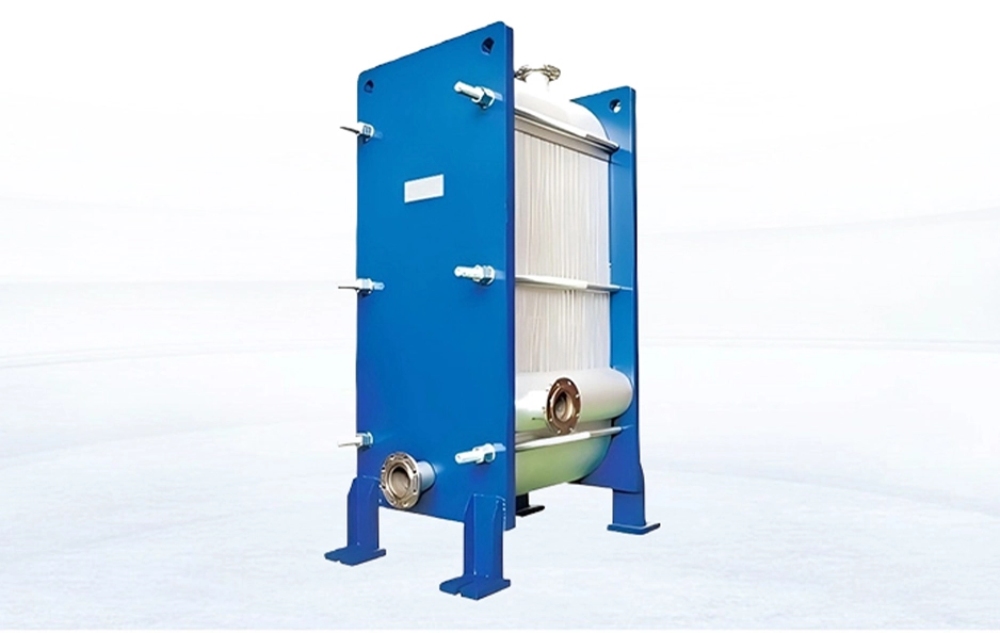
আরও কঠিন কাজের জন্য, যেখানে আরও শক্তিশালী সিলিং এবং গ্যাসকেট নিয়ে কম উদ্বেগের প্রয়োজন হয়, একটি সম্পূর্ণরূপে ঝালাই করা প্লেট হিট এক্সচেঞ্জার প্রকল্প নির্বাচনের সময় এটি বিবেচনা করা যেতে পারে। তবুও, ঝালাই করা কাঠামো পরিষ্কার প্রবেশপথের প্রবাহের প্রয়োজনীয়তাকে বাতিল করে না। পাইপলাইনটি প্রথমে পরিষ্কার করা না হলে কঠিন কণা তখনও প্রতিবন্ধকতা, ক্ষয় বা স্থানীয় ক্ষতির কারণ হতে পারে।
নির্বাচন যাচাই হিসেবে পণ্যের প্যারামিটার ব্যবহার করুন
| সরঞ্জামের ধরন | তাপ বিনিময় এলাকা | সর্বোচ্চ কার্যকরী চাপ | সর্বোচ্চ অপারেটিং তাপমাত্রা | সাধারণ অ্যাপ্লিকেশন |
|---|---|---|---|---|
| প্লেট তাপ বিনিময়কারী | ৫০০০ বর্গমিটার পর্যন্ত | ২৫ মেগাপ্যাসকেল | ২০০°সে | এইচভিএসি, শিল্প শীতলীকরণ, খাদ্য প্রক্রিয়াকরণ, পেট্রোকেমিক্যাল |
| ব্রেজড হিট এক্সচেঞ্জার | ২৫০০ বর্গমিটার পর্যন্ত | ৪০ মেগাপ্যাসকেল | ৩০০°সে | রাসায়নিক, পেট্রোলিয়াম, প্রাকৃতিক গ্যাস, বিদ্যুৎ শক্তি |
| শেল এবং টিউব হিট এক্সচেঞ্জার | কাস্টমাইজযোগ্য | ৫০ মেগাপ্যাসকেল | ৪০০°সে | পেট্রোকেমিক্যাল, ফার্মাসিউটিক্যাল, ইস্পাত, বৃহৎ-প্রবাহ ব্যবস্থা |
| সামুদ্রিক সীল | প্রযোজ্য নয় | ৫০ মেগাপ্যাসকেল | -৩০°C থেকে +২৫০°C | জাহাজ নির্মাণ, পেট্রোলিয়াম, রাসায়নিক, বিদ্যুৎ শক্তি |
পণ্যের নির্বাচন মাধ্যমটির গুণমান, চাপ, তাপমাত্রা, পরিষ্কার করার সুবিধা এবং রক্ষণাবেক্ষণের অভ্যাসের সাথে সামঞ্জস্যপূর্ণ হওয়া উচিত। একটি কম্প্যাক্ট এক্সচেঞ্জার জায়গা বাঁচায়, কিন্তু ত্রুটিপূর্ণ কমিশনিং দ্রুত সেই সুবিধা নষ্ট করে দিতে পারে। যদি জলের দিকটি নোংরা থাকে, তবে ফিল্টারেশন যুক্ত করুন। যদি মাধ্যমে সহজে ময়লা জমে, তবে পরিষ্কার করার পরিকল্পনা করুন। যদি সাইটে দক্ষ রক্ষণাবেক্ষণ কর্মীর অভাব থাকে, তবে এমন একটি কাঠামো বেছে নিন যা সেই বাস্তবতার সাথে খাপ খায়।
ছোট ময়লা বড় খরচে পরিণত হওয়ার আগেই রক্ষণাবেক্ষণ নিয়ন্ত্রণ করুন।
নলেজ বেসটিতে রাসায়নিক ডেসকেলিং-এর ধাপগুলো খুব বাস্তবসম্মতভাবে বর্ণনা করা হয়েছে: প্রথমে ফ্লাশ করুন, ক্লিনিং লিকুইড ইনজেক্ট করুন, ২ ঘণ্টা স্ট্যাটিক সোকিং-এর মাধ্যমে পিকেল করুন, তারপর ৩ থেকে ৪ ঘণ্টা ডায়নামিকভাবে সার্কুলেট করুন, প্রতি ০.৫ ঘণ্টা পর পর ফরওয়ার্ড এবং রিভার্স ক্লিনিং করুন, এরপর অ্যালকালি ওয়াশিং করুন, ০.৫ ঘণ্টা ধরে নরম পানি দিয়ে ধুয়ে ফেলুন, প্রতিটি ধাপ রেকর্ড করুন এবং ক্লিনিং-এর পরে একটি প্রেসার টেস্ট করুন।
স্কেলিং হওয়ার পরে ঐ প্রক্রিয়াটি কার্যকর। কিন্তু নতুন পাইপলাইনের আবর্জনার ক্ষেত্রে প্রতিরোধই শ্রেয়। ওয়েল্ডিং স্ল্যাগের কারণে হওয়া ক্ষতি স্কেলের মতো নয়। স্কেল প্রায়শই পরিষ্কার করা যায়। একটি ছেঁড়া প্লেট সাধারণত প্রয়োজন প্রতিস্থাপন।
ক্রেতাদের তুলনা করার জন্য ব্রেজড প্লেট হিট এক্সচেঞ্জার একটি সহ সম্পূর্ণরূপে ঝালাই করা প্লেট হিট এক্সচেঞ্জার, প্রশ্নটি শুধু তাপীয় কার্যক্ষমতা নিয়ে হওয়া উচিত নয়। এর মধ্যে আরও অন্তর্ভুক্ত থাকা উচিত স্টার্টআপ শৃঙ্খলা, ফিল্টার স্পেস, পরিষ্কার করার পদ্ধতি, অতিরিক্ত যন্ত্রাংশের পরিকল্পনা এবং ইনস্টলেশন টিম কীভাবে প্রথম ফ্লাশটি পরিচালনা করবে।
প্রকল্পটি বড় বা ছোট হওয়ার কারণে একটি হিট এক্সচেঞ্জার সময়ের আগেই নষ্ট হয় না। এটি তখনই সময়ের আগে নষ্ট হয়, যখন এর সুনির্দিষ্ট প্রবাহ পথে ময়লা প্রবেশ করতে দেওয়া হয়। এটাই মূল কথা। ফিল্টারটি ইনস্টল করুন। বাইপাস ব্যবহার করুন। ইউনিটটিতে প্রবাহ শুরু করার আগে পাইপটি ফ্লাশ করুন। এটি কোনো অত্যাধুনিক প্রকৌশল নয়, কিন্তু এটি আপনার বাজেট রক্ষা করে।
প্রায়শই জিজ্ঞাসিত প্রশ্নাবলী
প্রশ্ন ১: কেন একটি নতুন পাইপলাইন একটি নতুন হিট এক্সচেঞ্জারকে ক্ষতিগ্রস্ত করতে পারে?
একটি নতুন পাইপলাইনেও ওয়েল্ডিং স্ল্যাগ, ধাতব চিপস, বালি, কাঁকর, ছোট পাথর এবং অন্যান্য শক্ত আবর্জনা থাকতে পারে। যখন পাম্প চালু হয়, তখন এই কণাগুলো সরু প্লেট চ্যানেলে প্রবেশ করে চাপের অধীনে ধাতব প্লেটগুলোর ক্ষতি করতে পারে।
প্রশ্ন ২: প্রথম ওয়াটার টেস্টের সময় ফ্লাশিং ওয়াটার কি হিট এক্সচেঞ্জারের মধ্যে দিয়ে প্রবাহিত হওয়া উচিত?
না। প্রথম ফ্লাশিং এবং ব্লোয়িংয়ের কাজটি একটি বাইপাস পাইপের মাধ্যমে করা উচিত। পাইপলাইন পরিষ্কার না হওয়া পর্যন্ত হিট এক্সচেঞ্জারটিকে বিচ্ছিন্ন রাখতে হবে।
প্রশ্ন ৩: হিট এক্সচেঞ্জারের ইনলেটে কোন ফিল্টার স্থাপন করা উচিত?
সমস্ত ইনলেট পোর্টে একটি উচ্চ-মানের ৪০ থেকে ৬০ মেশ ফিল্টার ব্যবহার করার পরামর্শ দেওয়া হয়। এটি কঠিন কণাগুলোকে হিট এক্সচেঞ্জারে প্রবেশ করার আগেই আটকে দিতে সাহায্য করে।
প্রশ্ন ৪: উচ্চ-চাপ সিস্টেমে কি ব্রেজড ইউনিট ব্যবহার করা যায়?
এ: হ্যাঁ। পণ্যের তথ্য অনুযায়ী, মডেল এবং উপাদান নির্বাচনের ওপর নির্ভর করে ব্রেজড হিট এক্সচেঞ্জার ৪০ এমপিএ পর্যন্ত কার্যকরী চাপ এবং ৩০০° সেলসিয়াস পর্যন্ত পরিচালন তাপমাত্রা অর্জন করতে পারে।
প্রশ্ন ৫: স্টার্টআপের পর সবচেয়ে বড় সতর্ক সংকেত কী?
তীক্ষ্ণ ধাতব শব্দ, হঠাৎ চাপ কমে যাওয়া, অথবা গরম ও ঠান্ডা মাধ্যমের মিশ্রণকে একটি গুরুতর সতর্কবার্তা হিসেবে বিবেচনা করা উচিত। আরও প্লেট ক্ষতিগ্রস্ত হওয়ার আগেই সিস্টেমটি বন্ধ করুন এবং ইউনিটটি পরীক্ষা করুন।