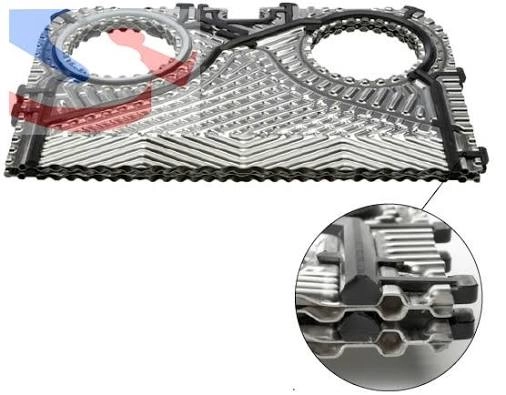

تشمل تكلفة المبادل الحراري ذي الألواح والإطارات جوانب أخرى كثيرة تتجاوز عرض سعر المعدات. قد تتغير ميزانيتك النهائية تبعًا للحمل الحراري، وظروف التدفق، والتكوين، وحدود الإمداد، وسهولة الوصول للتركيب، والأدوات، والصيانة المستقبلية. قد يصبح سعر الشراء المنخفض أقل جاذبية إذا تم استبعاد الملحقات المهمة، وقطع الغيار، أو أعمال الموقع.
بصفتنا موردًا لمبادلات حرارية لوحية، قمح ندعم المشترين في تقييم تكوينات المعدات وعناصر الصيانة ذات الصلة. يتمثل النهج العملي في مقارنة عروض الأسعار بناءً على بيانات العملية ونطاقها بدلاً من الاعتماد على تقديرات أسعار عامة قد لا تناسب تطبيقك.

ما هي مدخلات تحديد الحجم التي لها التأثير الأكبر على التكلفة الأولية؟
يُتيح تحديد المقاسات بدقة للموردين أساساً مشتركاً للاختيار. كما يُساعد فرق الهندسة والمشتريات لديك على تحديد سبب اختلاف التكوينين المقترحين.
حدد حمل نقل الحرارة المطلوب
قم بتوثيق أنواع السوائل ومعدلات تدفقها ودرجات حرارة المدخل ودرجات حرارة المخرج المستهدفة وظروف التشغيل المتوقعة. تحدد هذه المدخلات متطلبات نقل الحرارة وتؤثر على اختيار المعدات.
قد تؤدي البيانات غير المكتملة إلى عروض أسعار تبدو متقاربة ظاهريًا، لكنها تستند إلى افتراضات مختلفة. اطلب من كل مُقدِّم عرض أسعار تحديد شروط العملية المستخدمة في الاختيار، حتى تتمكن من مراجعة الأساس الفني إلى جانب السعر.
مراعاة انخفاض الضغط وخصائص السوائل
تؤثر حدود انخفاض الضغط، واللزوجة، وميل الترسيب، والمواد الصلبة العالقة على تصميم التدفق المقترح وتكوين الألواح. وقد يعكس السعر الأولي المنخفض افتراضات غير مناسبة للعملية الفعلية.
لذا، ينبغي أن يستند الاختيار النهائي إلى حسابات حرارية وهيدروليكية خاصة بالتطبيق. تأكد من حالات التشغيل التي تم تقييمها، لا سيما إذا كانت خصائص السوائل أو معدلات التدفق تتغير أثناء الإنتاج.
ضع في اعتبارك ترتيبات المرور الفردي والمتعدد
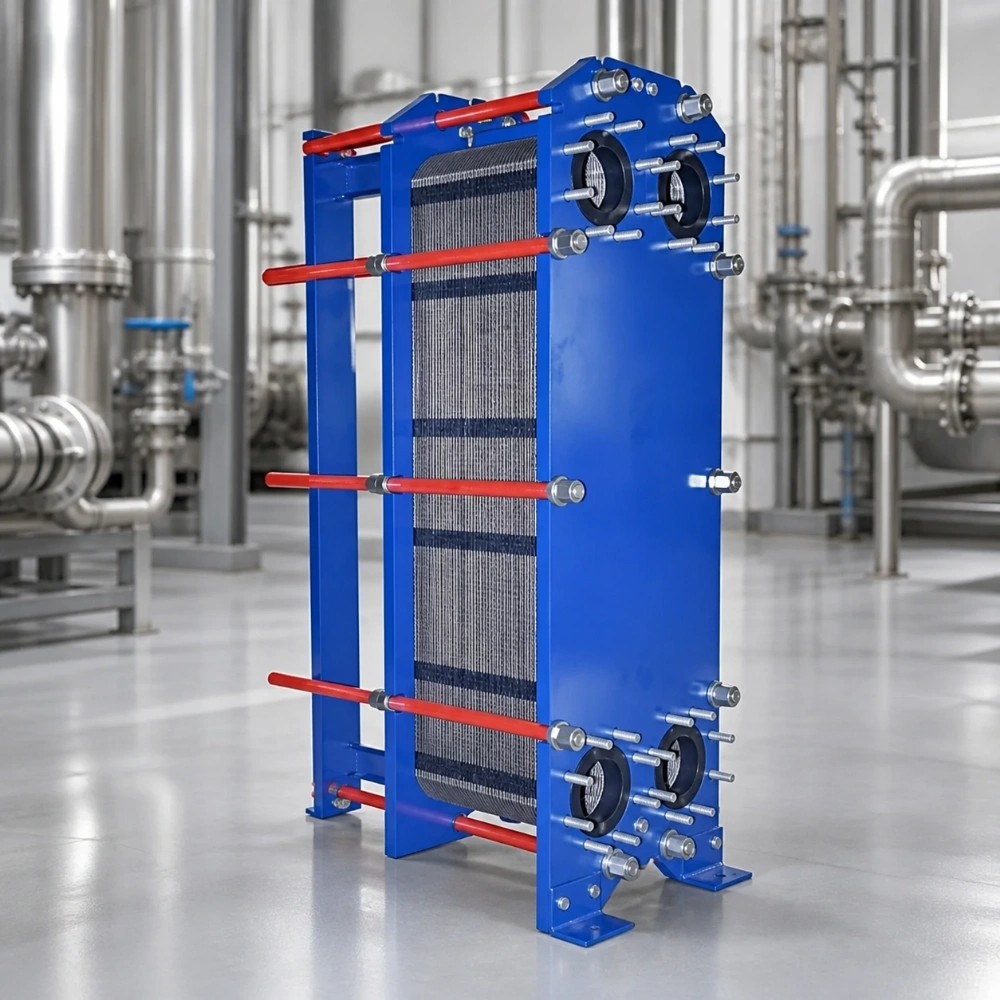
يحتوي المبادل الحراري ذو الألواح المزودة بحشية على ألواح معدنية مموجة مجمعة داخل إطار. في التكوينات أحادية المرور، يتم عادةً وضع وصلات الأنابيب على لوحة التثبيت الثابتة، بينما تستخدم الترتيبات متعددة المرور تخطيطًا مختلفًا للوصلات.
قد يؤثر هذا القرار على مسارات الأنابيب، وسهولة الوصول إلى موقع التركيب، ونطاق التوريد المذكور في العرض. لذا، يُنصح بمراجعة الترتيبات مبكراً بدلاً من اعتبارها تفصيلاً ثانوياً بعد اختيار المعدات.
كيف تؤثر خيارات تصميم المعدات على السعر المُقتبس؟
يعتمد سعر المعدات على التجميع الكامل ومدى ملاءمتها للغرض التشغيلي. عدد الألواح مهم، ولكن لا ينبغي النظر إليه بمعزل عن غيره.
قم بتقييم مجموعة الألواح والإطار كنظام متكامل
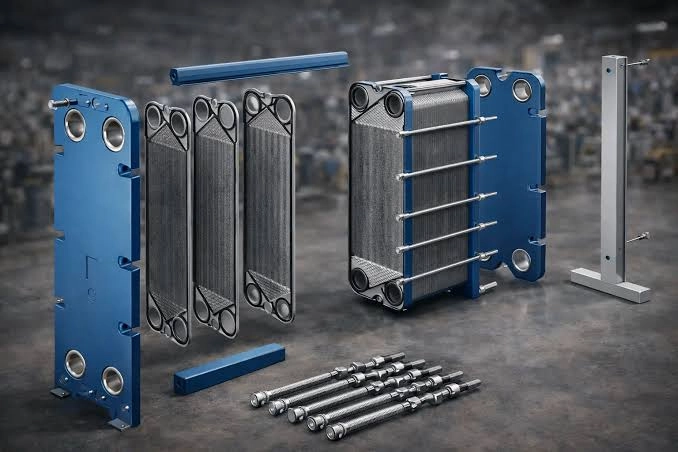
ال مبادل حراري ذو صفائح يستخدم هذا الجهاز مجموعة من الصفائح المعدنية المموجة ذات أربعة منافذ في الزوايا. ويتضمن تركيبه صفيحة ثابتة، وصفيحة تثبيت متحركة، ومكونات تثبيت، وقضبان توجيه علوية وسفلية، وأعمدة دعم.
عند مقارنة العروض، يجب فحص مجموعة الألواح والإطار والوصلات وآلية التثبيت وسهولة الوصول للصيانة كنظام واحد. يوفر هذا نظرة أكثر واقعية لتكلفة المبادل الحراري ذي الألواح والإطار مقارنةً بمقارنة عدد الألواح فقط.
مطابقة التكوين مع ظروف التشغيل
ينبغي أن تُؤخذ في الاعتبار عند تصميم الجهاز عوامل مثل توافق السوائل، ودرجة الحرارة، وظروف الضغط، ومتطلبات التنظيف، وسلوك الترسيب. وقد تتطلب المهام المختلفة اختيارات مختلفة للألواح أو الحشيات أو الإطارات.
اطلب تأكيدًا كتابيًا لتفاصيل البناء المقترحة. يجب أن يربط تقييمك كل اختيار رئيسي بظروف العملية بدلًا من قبول تصميم عام دون توضيح فني.
تحقق مما إذا كانت تغييرات السعة المستقبلية جزءًا من الخطة
قد يكون التصميم المعياري والتكوين المرن مناسبين عند توقع تغييرات مستقبلية في العمليات. مع ذلك، لا ينبغي افتراض إمكانية إضافة ألواح إضافية في كل مرة.
استفسر عما إذا كان الإطار المختار يستوعب التغيير المتوقع في متطلبات التشغيل. يجب تقييم جدوى التوسعة للوحدة والإطار وظروف التشغيل المحددة.
ما الذي يجب على المشترين مراعاته عند مقارنة تكلفة المبادل الحراري ذي الألواح والإطارات؟
تتطلب المقارنة التجارية القابلة للدفاع عنها حدود توريد متسقة. سجّل ما هو مشمول، وما هو مستبعد، وما هي الأصناف التي لا تزال خاضعة للموافقة الفنية.
فصل المعدات الأساسية عن نطاق التوريد الكامل
تأكد من أن كل عرض سعر يشمل مجموعة الألواح، والإطار، والحشيات، وأدوات التثبيت، والوثائق المحددة، والتغليف، وأي عناصر أخرى مطلوبة. يجب التعامل مع الأنابيب، والأساسات، والعزل، والأجهزة، والتشغيل، وقطع الغيار كمسائل محددة ضمن نطاق العمل.
تمنع قائمة التحقق البسيطة من النطاق عرضًا يبدو أرخص من الحصول على ميزة من خلال الاستثناءات.
مراجعة متطلبات شد الأجهزة واستبدالها
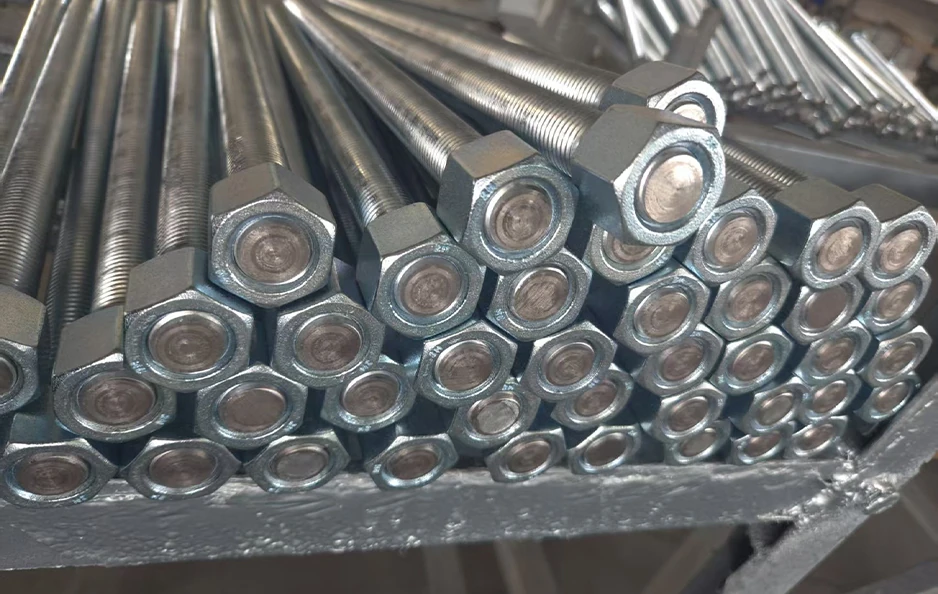
ال مسمار ربط PHE يُعد هذا الأمر ذا صلة عند التخطيط لاستبدال الأجهزة أو شراء معدات الصيانة. وتشمل مواصفاته M48 وM24 وM39 وM45 وM42.
قبل الطلب، تحقق من الأبعاد، وتوافق المعدات، ومتطلبات منع التسرب، واحتياجات الربط الخاصة بالمبادل الحراري. لا تفترض أن القطع المتشابهة في الشكل قابلة للتبديل.
مقارنة الوثائق والتوضيحات الفنية
اطلب وصفًا واضحًا لمدخلات التصميم، والتكوين المقترح، وترتيبات التوصيل، وتفاصيل البناء، وتصريح الصيانة المطلوب. سجّل الانحرافات الفنية والاستثناءات التجارية بجانب السعر المُقتبس.
يجب توضيح الافتراضات غير الواضحة قبل إصدار أمر الشراء. هذا يقلل من مخاطر حدوث تغييرات لاحقة في التوصيلات أو الملحقات أو أعمال الموقع.
كيف يؤثر التركيب والصيانة على تكلفة دورة الحياة؟
يمكن أن يؤثر تصميم التركيب وتخطيط الصيانة على تكلفة الملكية لفترة طويلة بعد التسليم. لذا، ينبغي مراجعة كليهما بينما لا يزال من الممكن تغيير ترتيب المعدات.
خطط لمساحة التفتيش والتنظيف
يُسهّل تصميم الألواح والإطارات عمليات الفحص والتنظيف، ولكن يجب أن يوفر التركيب مساحة كافية للصيانة. ينبغي مراعاة سهولة الوصول إلى لوحة التثبيت المتحركة، ومجموعة الألواح، ومكونات الشد، والأنابيب المجاورة.
قد يؤدي ضيق المساحة إلى زيادة الجهد المبذول، أو وقت التوقف عن العمل، أو تعقيد عملية التفكيك. ولا يكون التصميم المدمج مفيدًا إلا عندما يتمكن الفنيون من العمل بأمان واتباع تسلسل الصيانة المطلوب.
استخدم الأدوات الصحيحة واتبع إجراءات الربط الصحيحة
ال طقم مفتاح ربط بسقاطة يدعم هذا الجهاز أحجام البراغي M20، M24، M30، M36، M39، وM48. يتميز بنطاق عزم دوران يتراوح بين 20 و2000 نيوتن متر، مع قدرة تحمل براغي M48 لعزم دوران مسبق يصل إلى 2400 نيوتن متر. كما يوفر الجهاز إمكانية التبديل السريع بين الوضعين السداسي وذو الاثني عشر نقطة، بالإضافة إلى توافقه مع رؤوس البراغي القياسية ISO/DIN.
يجب أن تأتي قيم الشد الفعلية دائمًا من الإجراء المعتمد للمبادل الحراري المحدد.
أدرج تكاليف التنظيف والتفتيش وقطع الغيار في الميزانية.
خطط لأساليب التنظيف، وفحص الألواح، وفحص حالة الحشيات، واستبدال أدوات الربط. تؤثر جودة السوائل، وسلوك الترسيب، ودورات التشغيل، وممارسات التنظيف على متطلبات الصيانة.
استخدم ظروف الموقع وسجلات التشغيل لوضع خطة صيانة. نادراً ما تعكس الفترات الزمنية العامة أو نسب التكلفة الثابتة جميع المهام.
كيف يمكنك بناء ميزانية إجمالية أكثر قابلية للدفاع عنها؟
يجب إشراك أقسام الهندسة والعمليات والصيانة والمشتريات في عملية مراجعة واحدة. يرى كل فريق مخاطر مختلفة قد تكون مخفية في سعر المعدات الأولي.
إنشاء قائمة مرجعية للمقارنة الفنية والتجارية
يجب تضمين متطلبات التشغيل، وحدود انخفاض الضغط، والتكوين، والبناء، والوصلات، وإمكانية الوصول للصيانة، والملحقات، والوثائق، والتغليف، والاستثناءات. يجب تطبيق قائمة التحقق نفسها على كل عرض.
هذه الطريقة تجعل مقارنة تكلفة المبادل الحراري ذي الألواح والإطارات أسهل لأن الاختلافات التجارية تظل مرتبطة بالنطاق التقني.
اختبار الميزانية في ضوء المخاطر التشغيلية
ضع في اعتبارك عواقب التلوث، وتغييرات العمليات، وصعوبة الوصول، والتوقف غير المخطط له، وعدم توفر قطع الغيار. افصل المتطلبات المؤكدة عن الافتراضات التي لا تزال بحاجة إلى توضيح.
يمكنك حينها تحديد المسؤولية عن كل نقطة مفتوحة قبل الشراء بدلاً من اكتشافها أثناء التركيب أو الصيانة.
استخدم تكلفة المبادل الحراري ذي الألواح والإطارات كقرار متعلق بدورة الحياة
ينبغي أن يشمل تقييمك تحديد الحجم، ونطاق المعدات، والتركيب، والأدوات، والتنظيف، وتخطيط الاستبدال. قد لا يؤدي أقل سعر للمعدات إلى أقل تكلفة دورة حياة.
استند في القرار النهائي إلى مدخلات التشغيل الموثقة، وإمكانية الوصول المناسبة للصيانة، وحدود التوريد المحددة بوضوح.
ناقش طلبك مع غرانو
تبدأ مناقشة التكوين المفيدة بمعلومات كاملة عن العملية والموقع. إن إعدادها مسبقاً يجعل التوضيحات الفنية والتجارية أكثر تركيزاً.
قم بإعداد معلومات العملية والصيانة الخاصة بك
قم بتجميع بيانات السوائل، ومعدلات التدفق، ودرجات حرارة المدخل والمخرج، وحدود انخفاض الضغط، ومتطلبات التوصيل، والمساحة المتاحة، وممارسات التنظيف، وجدول التشغيل المتوقع. أضف حالات التشغيل المتغيرة أو غير الاعتيادية عند الاقتضاء.
طلب مراجعة التكوين والنطاق
اطلب مراجعة لتصميم المبادل الحراري المقترح، والملحقات ذات الصلة، وحدود عرض الأسعار. يمكنك ناقش طلبك ونطاق التوريد الخاص بك بمجرد أن تصبح معلومات العملية والصيانة جاهزة.
التعليمات
ما الذي يشمله سعر المبادل الحراري ذي الألواح والإطارات؟
قد يشمل ذلك إطار المبادل الحراري، ومجموعة الألواح، والحشيات، وأدوات التثبيت، والتغليف، والوثائق المحددة. تأكد مما إذا كانت الأنابيب، والأجهزة، والعزل، والتركيب، والتشغيل، والأدوات، وقطع الغيار مشمولة أم مستثناة.
ما هي بيانات التشغيل المطلوبة لتحديد حجم مبادل حراري لوحي؟
تحتاج عمومًا إلى تحديد خصائص السوائل، ومعدلات تدفقها، ودرجات حرارة مدخلها، ودرجات حرارة مخرجها المستهدفة، وحدود انخفاض الضغط، وخصائص السوائل، وحالات التشغيل المتوقعة. كما يجب تحديد ميل السوائل للتلوث، والمواد الصلبة، وطرق التنظيف، وتغيرات العملية.
كيف ينبغي تقييم إمكانية الوصول للصيانة قبل الشراء؟
راجع المساحة اللازمة للوصول إلى مجموعة الألواح، ولوحة التثبيت المتحركة، والمسامير، وقضبان التوجيه، والوصلات. ضع في اعتبارك أيضًا الأنابيب المجاورة، واحتياجات الرفع أو المناولة، وحركة الفنيين، وإجراءات الفحص والتنظيف المُخطط لها.