
عندما تحتاج إلى تبريد عملية إنتاجية في مصنع أو تدفئة مبنى تجاري، فإن اختيار المعدات المناسبة أمر بالغ الأهمية. ربما تُفاضل الآن بين تصميم المبادل الحراري ذي التدفق المعاكس وتصميم المبادل الحراري ذي التدفق المتقاطع لتحديد الأنسب لنظامك.
إذا كنت ترغب في شريك موثوق به لإدارة الحرارة، قمح تُعدّ الشركة مُصنِّعًا مُتخصصًا منذ عام 2015، حيث تُركِّز على الوحدات والصفائح والحشيات المدمجة عالية الكفاءة. يمتلك فريقها سنوات من الخبرة لتقديم أفضل تقنيات التصميم والإنتاج لمختلف الصناعات. الخلفية إلى شامل قمح يقدمون خدمات شاملة، بدءًا من المبيعات والتركيب وصولًا إلى الصيانة. ستحصل على عمليات مستقرة وتكاليف أقل. دعونا نلقي نظرة فاحصة على كيفية عمل ديناميكيات التدفق وتأثيرها على عملياتك اليومية.
أساسيات ديناميكيات تدفق المبادلات الحرارية
تؤثر حركة السوائل على مدى كفاءة انتقال الحرارة من مكان لآخر. لذا، من الضروري معرفة هذه الأنماط الأساسية قبل إنفاق المال على معدات باهظة الثمن.
أساسيات انتقال الحرارة
تعتمد عملية انتقال الحرارة على قاعدة بسيطة، حيث تنتقل الطاقة الحرارية من مادة ساخنة إلى مادة باردة. في المعدات الصناعية، يفصل حاجز معدني بين السائلين مع السماح للحرارة بالمرور. وتؤثر طريقة مرور هذين السائلين فوق بعضهما البعض على سطح الصفيحة المعدنية على أداء الوحدة بالكامل. لذا، يُفضل تحقيق أعلى فرق ممكن في درجات الحرارة عند كل نقطة على طول الصفيحة لتسريع انتقال الحرارة عبر المعدن.
أهمية أنظمة التدفئة والتهوية وتكييف الهواء
في أنظمة التهوية والتدفئة بالمباني، تُحدث تغييرات طفيفة في تدفق الهواء فرقًا كبيرًا في فواتير الطاقة. تعمل أنظمة التكييف والتهوية باستمرار، فإذا كان نقل الحرارة ضعيفًا، سيتعين على المضخات والضواغط العمل بجهد أكبر للوصول إلى درجة الحرارة المطلوبة. اختيار تصميم تدفق يُحسّن استعادة الطاقة يعني أن نظامك يستهلك طاقة أقل من الشبكة الكهربائية كل دقيقة على مدار اليوم.
دورها في العمليات الصناعية
تتطلب المصانع الكيميائية ومصانع الأغذية درجات حرارة دقيقة. أي انخفاض طفيف في درجة الحرارة يُفسد دفعة كاملة من العصير، وهو أمر شائع في مصانع الأغذية القديمة. تتطلب العمليات الصناعية تحكمًا حراريًا دقيقًا للحفاظ على لزوجة السوائل ضمن مستويات آمنة أو لضمان بسترة المنتجات بشكل مثالي. يؤثر تصميم التدفق الذي تختاره بشكل مباشر على مدى استقرار درجات الحرارة هذه عند زيادة سرعة الإنتاج.
ميكانيكا المبادلات الحرارية ذات التدفق المعاكس
يوفر هذا النظام أعلى كفاءة لتبادل الحرارة متوفرة في السوق اليوم. دعونا نلقي نظرة على سبب تفضيل المهندسين عادةً لهذه الطريقة في مهام التبريد الدقيقة.
تعريف التدفق المعاكس
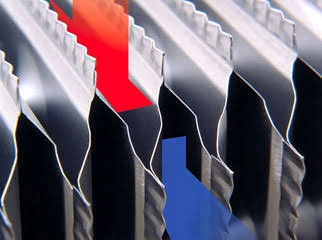
في هذا التصميم، يسير السائل الساخن والسائل البارد بالتوازي ولكن في اتجاهين متعاكسين. يدخل السائل الأبرد إلى الوحدة من نفس نقطة خروج السائل الساخن. يحافظ هذا التصميم على فرق ثابت في درجة الحرارة بين السائلين على امتداد كامل طول الصفائح المعدنية، دون أي مساحة سطح مهدرة.
مزايا في الكفاءة الحرارية
ستحصل على أعلى فرق ممكن في متوسط درجة الحرارة اللوغاريتمي باستخدام هذه الطريقة. بل إنها تسمح بتداخل درجات الحرارة، مما يعني أن السائل البارد يمكن أن يغادر الوحدة بدرجة حرارة أعلى من السائل الساخن الخارج منها. مبادل حراري ذو صفائح يستخدم هذا التصميم نفسه للتدفق المعاكس. ولأن الألواح مثبتة بشكل مقلوب، فإن آلاف نقاط التلامس تُحدث اضطرابًا قويًا في السائل. وهذا يمنح الوحدة معامل نقل حرارة عاليًا للغاية وقدرة تحمل ضغط عالية.
التطبيقات الصناعية المثالية
يُلاحظ تألق هذا التصميم في مصافي النفط، ومصانع البتروكيماويات، وأنظمة التبريد الدقيقة. أي عملية تتضمن استعادة الحرارة المهدرة تستفيد بشكل كبير من هذا التصميم. عندما تحتاج إلى استخلاص كل قطرة من الطاقة الحرارية من مياه العادم لتسخين المياه الداخلة مسبقًا، لا شيء يضاهي نظام التدفق المعاكس.
ديناميكيات المبادلات الحرارية ذات التدفق المتقاطع
أحيانًا تتقاطع السوائل بزاوية قائمة. لهذا التصميم فوائده، لكنه يأتي مع قيود فيزيائية محددة.
المبادئ الأساسية للتدفق المتقاطع
يعمل المبادل الحراري ذو التدفق المتقاطع النموذجي عن طريق تحريك سائل من اليسار إلى اليمين بينما يتحرك سائل آخر من الأعلى إلى الأسفل. يتقاطع السائلان بزاوية 90 درجة. ولأن السائلين لا يتحركان في اتجاهين متعاكسين تمامًا، فإن فرق درجة الحرارة يتباين بشكل كبير على مساحة السطح. بعض أجزاء المعدن تبذل جهدًا كبيرًا بينما تبذل أجزاء أخرى جهدًا ضئيلًا.
التأثير على انخفاض الضغط
قد تظن أن انخفاض الضغط مجرد رقم في ورقة المواصفات، لكنه يؤثر بشكل مباشر على فاتورة الكهرباء الشهرية لأن المضخات تضطر للعمل بجهد أكبر لدفع السائل. يُنتج المبادل الحراري ذو التدفق المتقاطع عادةً انخفاضًا أقل في الضغط على جانب الغاز، مما يجعله مفيدًا لنقل كميات كبيرة من الهواء ذي الضغط المنخفض. مع ذلك، فإن كفاءته الحرارية أقل بشكل ملحوظ من المبادل الحراري ذي التدفق المتوازي المعاكس.
تطبيقات شائعة لأنظمة التدفئة والتهوية وتكييف الهواء
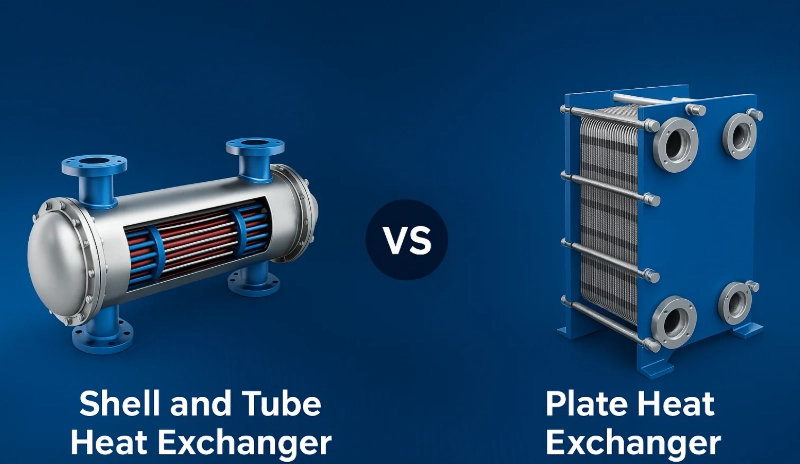
كثيراً ما نرى مبادل حراري ذو تدفق متقاطع في مشعات السيارات أو قنوات التهوية البسيطة. عندما نحتاج فقط إلى نفخ هواء خارجي فوق أنبوب سائل ساخن، يكون هذا المبادل فعالاً. ولكن عندما تضيق المساحة في المصنع ونحتاج إلى التعامل مع سوائل ذات ضغط عالٍ، يستبدل المهندسون عادةً هذه الملفات الضخمة بتصاميم ألواح أكثر تطوراً.
مقارنة شاملة بين كلا التكوينين
يساعدك عرض البيانات جنبًا إلى جنب على اتخاذ القرار النهائي بشأن منشأتك. عليك الموازنة بين التكاليف الأولية ونفقات التشغيل طويلة الأجل.
الاختلافات في الكفاءة الحرارية
بالمقارنة مع المبادل الحراري ذي التدفق المتقاطع، يحقق تصميم التدفق المعاكس كفاءة أعلى بكثير في مساحة أقل. نقيس ذلك باستخدام معامل تصحيح.
| تكوين التدفق | تصحيح فرق متوسط درجة الحرارة اللوغاريتمي (LMTD) | أقصى كفاءة عملية | مجال التطبيق النموذجي |
|---|---|---|---|
| التدفق المعاكس النقي | 1.0 (الأمثل) | من 90% إلى 95% | سائل إلى سائل |
| التدفق المتقاطع النقي | 0.75 to 0.85 | من 60% إلى 75% | هواء إلى هواء / هواء إلى سائل |
المصدر: المعايير العامة للهندسة الحرارية
تحافظ وحدة التدفق المعاكس على أقصى قوة دافعة عبر كامل الصفيحة. أنت حرفياً تحتاج إلى كمية أقل من المعدن لإنجاز نفس المهمة تماماً.
متطلبات مساحة التركيب
مساحة أرضية المصنع باهظة الثمن. وحدة الأنابيب التقليدية ذات التدفق المتقاطع تشغل مساحة كبيرة. أما وحدات الألواح ذات التدفق المعاكس فهي صغيرة الحجم بشكل مذهل. يمكنك توفير مساحة كبيرة لنقل الحرارة في زاوية صغيرة من غرفة الآلات. هذا يوفر لك مساحة أكبر لتركيب مضخات إضافية أو ببساطة يمنح عمالك مساحة للتنقل بأمان.
مقارنة تكاليف الصيانة
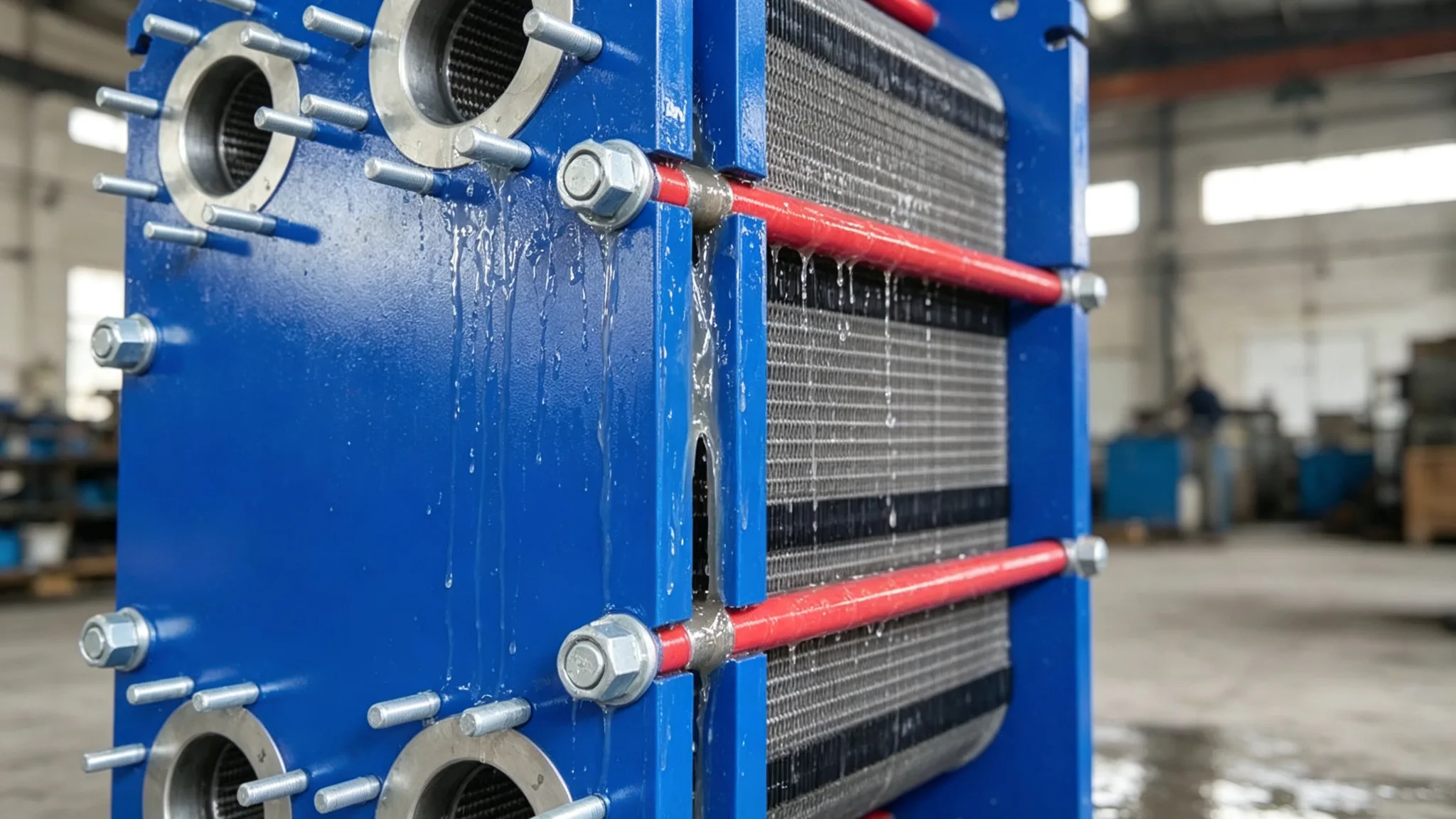
يكره عمال الصيانة تنظيف ملفات الأنابيب الملحومة. باستخدام وحدة الألواح القابلة للفصل، يمكن لعامل واحد فك البراغي، وإعادة الألواح إلى مكانها، وغسل الأوساخ بالماء المضغوط في غضون ساعات قليلة.
| نوع المعدات | البصمة لكل ميغاواط | طريقة التنظيف | عمر الحشية/مانع التسرب |
|---|---|---|---|
| وحدة الأطباق (العداد) | صغير جداً | افتح يدويًا واغسل | من 3 إلى 5 سنوات |
| وحدة الملف (متقاطعة) | كبير | شطف كيميائي فقط | يصعب استبداله |
المصدر: سجلات الصيانة الصناعية
استبدال الحشية في وحدة الألواح أمر بسيط. أما إصلاح التسريب في عمق ملف التبريد ذي التدفق المتقاطع فيتطلب عادةً قطع المعدن أو التخلص من الملف بأكمله.
معايير الاختيار لتلبية احتياجاتك الخاصة
والآن انظر إلى أرضية مصنعك. كل مشروع له معوقات فريدة تحدد المعدات التي يجب عليك شراؤها بالفعل.
تقييم حدود درجة الحرارة
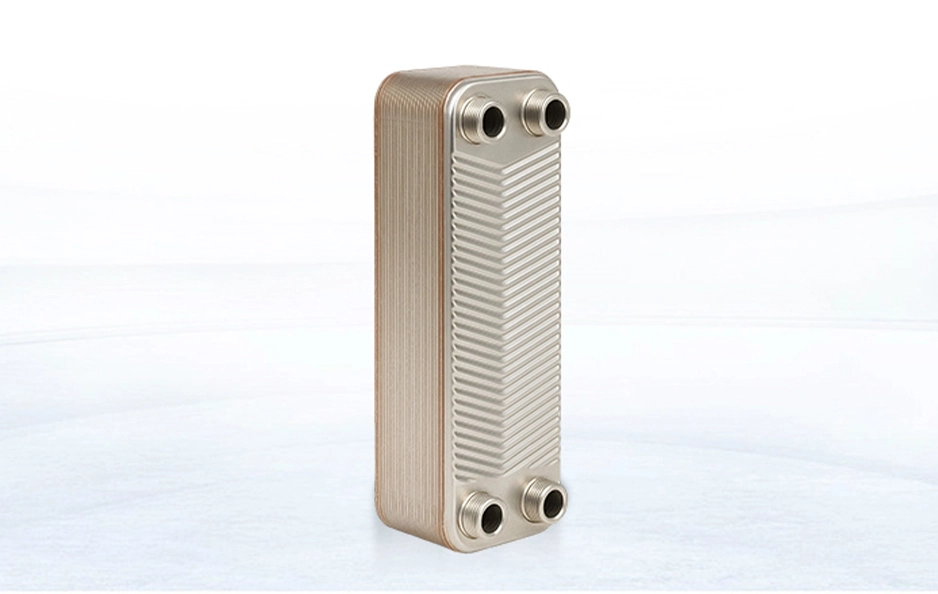
يجب مراعاة أقصى درجة حرارة قد يتعرض لها نظامك. إذا كانت السوائل ساخنة للغاية، فإن الحشيات المطاطية العادية ستذوب. وهنا يأتي دور المبادل الحراري ذي الألواح الملحومة. تستخدم هذه الوحدات لحام النحاس لإحكام إغلاق الألواح معًا دون الحاجة إلى المطاط. وهي تتحمل الظروف القاسية التي تصل إلى 300 درجة مئوية وضغط 40 ميجا باسكال بكفاءة عالية.
تقييم القيود المكانية
إذا كانت غرفة المعدات الميكانيكية في قبو ذي أبواب ضيقة، فلن تتمكن من إدخال وحدة هيكلية ضخمة عبر الدرج. أنت بحاجة إلى معدات معيارية. تسمح لك التصاميم ذات الألواح بنقل الهيكل والألواح الفردية عبر مدخل قياسي وتجميع الآلة بأكملها في الموقع.
مراعاة أهداف الميزانية
لا تنظر فقط إلى السعر المكتوب على العلبة. عليك حساب التكلفة الإجمالية للملكية على مدى عشر سنوات. فالوحدة الأرخص ذات التدفق الضعيف ستستنزف ميزانيتك بسبب استهلاكها العالي للكهرباء والحاجة المتكررة للتنظيف الكيميائي. أما دفع مبلغ إضافي بسيط مقدمًا مقابل كفاءة حرارية عالية، فسيوفر عليك المال خلال السنة الأولى من التشغيل.
تعاون مع Grano للحصول على حلول تبادل حراري متميزة
إن الحصول على المعدات المناسبة يوفر عليك الكثير من المتاعب لاحقاً. سواء كنت ترغب في استبدال مبادل حراري قديم ذي تدفق متقاطع أو بناء مصنع معالجة جديد كلياً، فلدينا المعدات التي تحتاجها بالضبط.
مبادلات حرارية لوحية عالية الأداء
توفر وحداتنا القابلة للفصل مساحات لتبادل الحرارة تصل إلى 5000 متر مربع. تتميز هذه الوحدات بكفاءة عالية في استهلاك الطاقة، وتشغل مساحة صغيرة، ويمكن فكها بسهولة عند الحاجة لتنظيفها. نصنع ألواحنا من الفولاذ المقاوم للصدأ والتيتانيوم عالي الجودة لتلبية احتياجاتكم الخاصة من السوائل.
مبادلات حرارية متينة ذات صفائح ملحومة
عندما يضخ مصنعك السوائل في درجات حرارة عالية للغاية، فإن وحداتنا الملحومة بالنحاس هي الحل الأمثل. فهي تتميز بمقاومة فائقة للتآكل وهيكل صغير الحجم للغاية. نختبر كل وحدة على حدة للتأكد من إحكام إغلاقها قبل مغادرتها المصنع، لضمان تحملها لأقسى الظروف.
الصيانة الشاملة و خدمات مخصصة
نحن لا نبيع المعادن فحسب، بل نقدم الدعم الفني، والصفائح الاحتياطية، والحشيات المصممة حسب الطلب، وخدمات التنظيف في الموقع. تواصلوا معنا اليوم للحصول على عرض سعر مخصص، ولضمان تشغيل نظام التدفئة والتبريد الخاص بكم بكفاءة عالية لسنوات طويلة.
التعليمات
س: لماذا يكون تصميم التدفق المعاكس أكثر كفاءة بشكل عام من تصميم المبادل الحراري ذي التدفق المتقاطع؟
أ: يحافظ التدفق المعاكس على حركة السائلين في اتجاهين متعاكسين، مما يضمن فرقًا ثابتًا وعاليًا في درجة الحرارة عبر كامل الصفيحة المعدنية. أما المبادل الحراري ذو التدفق المتقاطع، فيحرك السوائل بزاوية 90 درجة، مما يؤدي إلى انخفاض سريع في فرق درجة الحرارة في مناطق معينة، وهو ما يهدر مساحة السطح ويقلل الكفاءة.
س: هل يمكنني توسيع نظام التدفئة الخاص بي بسهولة في المستقبل إذا اشتريت وحدة تسخين الآن؟
ج: نعم. من أفضل مزايا وحدة الألواح القابلة للفصل هيكلها المعياري. فإذا توسع مصنعك واحتجت إلى مزيد من قوة التبريد في العام المقبل، ما عليك سوى فك البراغي الرئيسية وإضافة المزيد من الألواح المعدنية إلى نفس الهيكل.
س: كم مرة أحتاج إلى تنظيف هذه الوحدات؟
ج: يعتمد ذلك بشكل كبير على جودة السائل المستخدم. إذا كنت تستخدم مياه معالجة نظيفة، فقد لا تحتاج إلى فتح الوحدة إلا كل بضع سنوات. أما إذا كنت تعالج سوائل غذائية لزجة أو تسحب مياه التبريد مباشرة من نهر ملوث، فقد تحتاج إلى فتح الوحدة وغسل الألواح بالماء المضغوط كل ستة أشهر للحفاظ على كفاءتها العالية.