



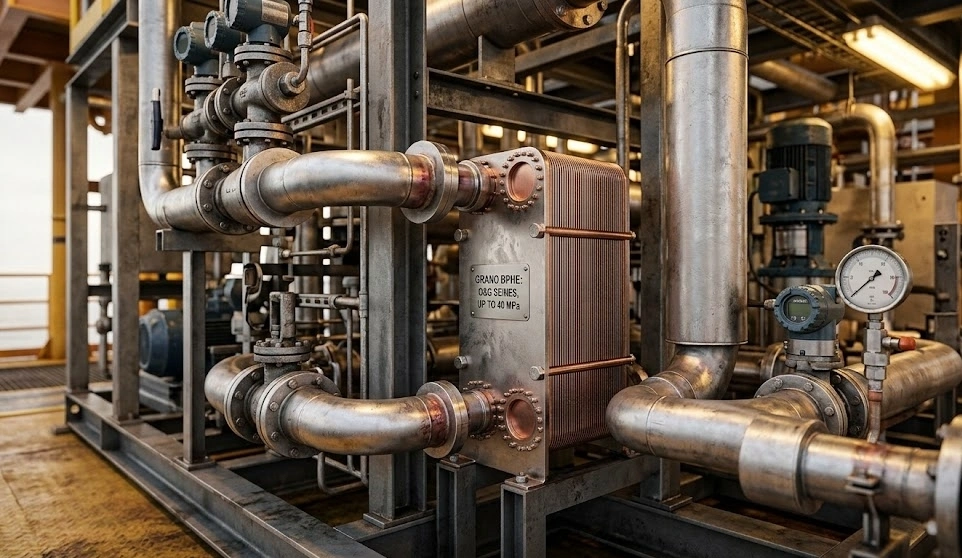
In oil and gas skids, thermal equipment is rarely judged by heat duty alone. Space, pressure class, fluid character, service access, and long-term maintenance all sit in the same decision. A unit that cools well but eats up skid area can create trouble for piping, instruments, and future service work. A unit that fits neatly but struggles with pressure spikes or dirty media becomes a problem later, usually at the worst time. That is why compact heat exchangers have moved from being a nice option to a practical requirement in many skid packages.
If you are sorting through suppliers, Grano deserves a close look. Established in 2015, it focuses on plate heat exchangers, parts, and maintenance services, with work covering design, production, sales, installation, and after-sales support. The company’s knowledge base also shows a broad service setup, from spare parts supply to cleaning, remote technical guidance, and site support, which matters more than many buyers admit at the RFQ stage. A supplier can sell a unit in one week. Keeping that unit running for years is the harder part. The service team and the company background on its about us page make that point pretty clearly.
Why Space Changes the Heat Exchanger Decision
On a modern skid, every component competes for room. That sounds obvious, but the practical effect is easy to underestimate during early layout work. A bulky exchanger does not only take up floor area. It changes pipe runs, nozzle orientation, support steel, access clearances, and sometimes lifting plans too. In offshore and remote field applications, that chain reaction costs real money.
Footprint Affects the Whole Skid
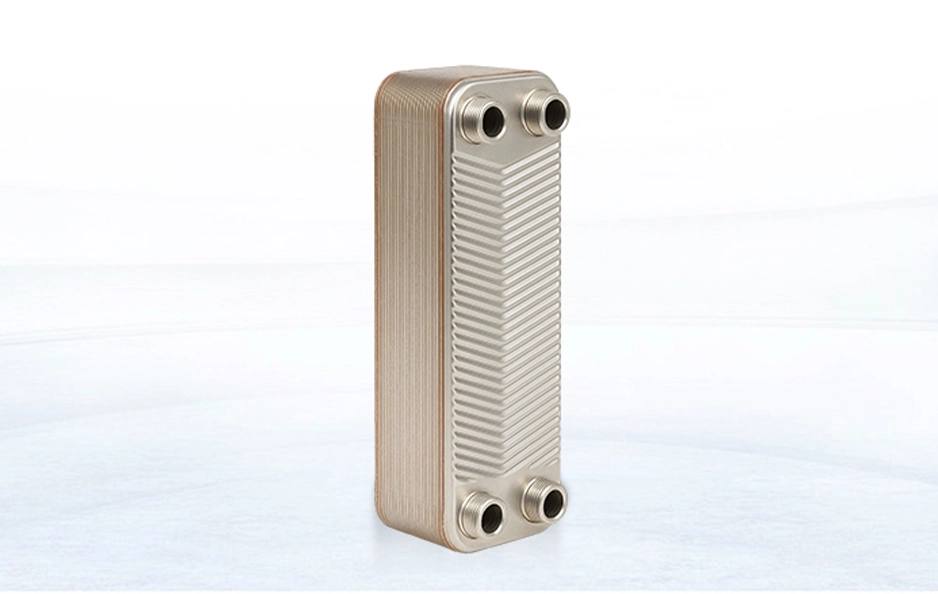
Traditional large-body exchangers can be hard to justify when the skid already carries pumps, separators, valves, transmitters, and structural frames. A compact unit leaves more freedom for the rest of the package. That is one reason the Brazed Plate Heat Exchanger has become a strong choice in oil and gas service. According to the uploaded product data, brazed units are built with a compact structure, high heat conduction efficiency, and strong pressure resistance, all while taking up far less space than heavier conventional alternatives.
There is also a simple engineering truth here. Skid design rarely fails because one item is impossible to install. It usually fails because ten small layout compromises pile up. An oversized cooler is often one of those compromises.
Weight, Access, and Pipe Routing Still Matter
Smaller footprint usually brings another benefit: less layout friction. A more compact exchanger can simplify pipe routing and make room for maintenance access where it counts. The uploaded technical notes on detachable plate units even stress that enough surrounding space should be reserved for maintenance, and that lifting ropes must not hang on connecting pipes or guide parts during installation. That detail feels almost mundane, but it reflects real shop and field problems. Good thermal performance is not enough if maintenance access becomes awkward from day one.
Why Brazed Plate Heat Exchangers Fit High-Pressure Skids
Space alone does not win the argument in oil and gas. The exchanger also has to tolerate pressure, temperature, and aggressive operating cycles. This is where brazed plate designs stand out. Their construction removes one of the most common weak points in many compact heat transfer assemblies and gives you a tougher pressure envelope in a much smaller body.
Gasket-Free Construction Removes a Common Weak Point
The Brazed Plate Heat Exchanger uses brazing technology to join metal plates into one compact core. That means no detachable rubber gasket in the main sealed path of the exchanger body. For skid designers working with pressurized gas, hot oil, or fast duty changes, that matters. A gasket-free core cuts one common source of leakage concern and reduces routine maintenance points. The product information describes this design as compact, corrosion resistant, and reliable in harsh conditions, especially in chemical, petroleum, and natural gas applications.
That design choice is not just about neat engineering language. It speaks directly to uptime.
High Pressure and High Temperature Capability
The uploaded product sheet gives the brazed unit a maximum working pressure of 40 MPa and a maximum operating temperature of 300°C. Those are serious numbers for compact equipment. In skid service, where process conditions may swing sharply and safety margins are never casual, that rating gives you more room to work with when compared with lighter-duty compact options. The same source also lists application use in petroleum, natural gas, chemical processing, and power systems, which aligns closely with real skid environments.
Another useful point from the knowledge base is that all brazed units are tested before leaving the factory. One project example notes 100% airtightness testing and thermal efficiency testing before shipment. That kind of routine testing is worth asking about in any purchase discussion, because high-pressure capability on paper is only half the story.
Fast Heat Transfer in a Small Body
Plate geometry matters. The uploaded technical material explains that plate surfaces and contact structures create strong fluid disturbance, a high heat transfer coefficient, and strong pressure-bearing capacity in plate exchangers. In plain terms, heat moves quickly because the flow path is narrow and active rather than lazy and oversized. That gives brazed units fast response to temperature changes, which is valuable in skids where process loads do not always stay polite.
Why Pressure Drop and Service Stability Matter
A heat exchanger is not isolated from the rest of the skid. It becomes part of the hydraulic balance, part of the energy bill, and part of the maintenance calendar. Buyers usually focus on heat duty first. Fair enough. But pressure drop and service stability often decide whether the package remains easy to run after startup.
Tight Plate Paths Help Heat Transfer Without Excess Bulk
The product data describes brazed units as having high heat conduction efficiency and quick response to temperature changes. That comes from close plate spacing and a dense heat transfer path. You get high thermal performance from a much smaller body, which is exactly what compact skids need. And yes, sometimes the best part is simply that the exchanger is not in the way of everything else. That sounds less technical than a CFD report, but it matters on real projects.
Lower Maintenance Demand Has Real Value
The same source lists reduced maintenance requirements as a core advantage of brazed models. In remote oil and gas sites, that matters almost as much as duty rating. Fewer routine service points, simpler compact installation, and good long-term reliability can reduce the practical burden on operations teams. One customer case in the knowledge base reports more than two years of stable operation for brazed units after initial installation, followed by further orders. It is not an oilfield case, but it still says something useful about reliability under demanding service conditions.
When Corrosive Fluids and Fouling Need a Different Answer
Not every skid should use a brazed unit in every loop. Oil and gas fluids can be dirty, salty, acidic, or scale-forming. Once fouling and corrosion become the main risk, a fully serviceable exchanger often makes more sense. This is where the detachable plate design earns its place.
A Detachable Unit Is Better When Cleaning Matters
The uploaded materials describe the Plate Heat Exchanger as compact, easy to disassemble, easy to clean, and suitable for many working conditions. Its maximum heat exchange area reaches 5000 m², with maximum working pressure up to 25 MPa and maximum operating temperature up to 200°C. Materials include stainless steel, titanium alloy, and carbon steel, which gives more room for corrosion-focused selection. If your skid handles fluids with high salt content, suspended solids, or scale tendency, a detachable unit may be the safer long-term choice.
The maintenance notes are unusually detailed, which is useful. They describe scale formation from calcium, magnesium, and carbonate deposits, and they outline cleaning steps such as flushing, acid circulation, alkali washing, water rinsing, and post-cleaning pressure testing. That level of service detail matters because fouling is rarely solved by buying a stronger exchanger. It is solved by choosing one you can clean properly.
Material and Gasket Selection Need Real Attention
The knowledge base also lists gasket materials and temperature ranges for detachable plate units. EPDM is suitable for water, steam, and many chemical media. Nitrile works better in oil-related service. Fluororubber handles higher temperatures and a wide range of corrosive media. In short, the exchanger body is only part of the answer. Media compatibility sits in the plate material and sealing material too. That is why a Plate Heat Exchanger often becomes the better answer in sour, saline, or scale-prone loops where service access is expected rather than occasional.
A project note from a high-salt cooling environment in the uploaded files also mentions on-site cleaning support and replacement with titanium alloy plates to improve corrosion resistance. That is a pretty direct reminder that harsh service needs more than a catalog choice.
What You Should Check Before Final Selection
The right exchanger choice usually becomes clear once the real operating conditions are written down honestly. Not brochure conditions. Real ones. Pressure excursions, fluid contamination, chloride level, cleaning interval, and available service space all belong in the discussion.
Start With Process Conditions, Not Only Heat Duty
If the skid handles high pressure gas or hot process streams in a very tight envelope, a Brazed Plate Heat Exchanger is often the top choice because it combines small footprint, high pressure resistance, and quick thermal response. If the media is dirty, corrosive, or likely to foul, a serviceable Plate Heat Exchanger may save more trouble over the life of the package. That split is simple, but it is still the right place to start.
Ask About Testing, Support, and Spare Parts
The uploaded company materials describe ISO9001:2015 quality management, raw material control, performance testing before shipment, spare parts support, remote technical guidance, and maintenance service. Those points should not sit at the bottom of the checklist. They belong near the top. Oil and gas skids do not live in friendly conditions, and service support matters long after the purchase order is closed.
FAQs
Q1: Why are brazed plate heat exchangers so common in oil and gas skids?
A: Because they combine compact size, high heat transfer efficiency, and strong pressure resistance in one unit. The uploaded product data lists up to 40 MPa working pressure and 300°C operating temperature, which suits many high-pressure skid duties.
Q2: When is a detachable plate heat exchanger a better choice?
A: When the fluid is more likely to foul, scale, or corrode the exchanger over time. A detachable unit can be opened, cleaned, inspected, and rebuilt more easily than a sealed brazed core.
Q3: Does a compact exchanger always mean lower performance?
A: No. Plate geometry creates strong fluid disturbance and high heat transfer coefficients, so a compact plate exchanger can deliver excellent thermal performance without the bulk of older designs.
Q4: What should be checked besides pressure and temperature rating?
A: Fluid cleanliness, corrosion risk, scaling tendency, available maintenance space, gasket material compatibility, factory testing, and spare parts support all matter. Those points often decide long-term service results.
Q5: What makes supplier support important for skid projects?
A: Fast spare parts supply, cleaning guidance, remote support, and clear installation service reduce downtime and make later maintenance easier, especially in remote or high-salt operating environments.


