



Se você supervisiona frotas de navios comerciais, manter o sistema de refrigeração central em pleno funcionamento é essencial. A parceria com um fornecedor confiável para upgrades em placas de titânio e opções eficazes de vedação marítima pode fazer toda a diferença entre viagens tranquilas e paradas dispendiosas. É aí que entra a importância da parceria. Grão A empresa, fundada em 2015, atua como fabricante especializada em trocadores de calor, com foco em sistemas térmicos sólidos. soluçõesA equipe especializada fornece equipamentos personalizados, construídos para suportar as condições adversas do mar. Isso evita que as embarcações precisem ser levadas para doca seca. A Grano mantém um estoque suficiente e atua como fornecedora constante de peças, garantindo o fornecimento sempre que necessário. Desde entregas rápidas de peças de reposição até serviços completos de manutenção, os produtos e serviços atendem às rigorosas exigências do transporte marítimo.
O fenômeno: falhas rápidas nos resfriadores da sala de máquinas
O sistema central de refrigeração em um navio de alto mar funciona como o núcleo da casa de máquinas. Ele gerencia a troca de calor em larga escala entre a água do mar e os circuitos internos de água doce. No entanto, muitos gestores de frotas enfrentam um problema difícil: o trocador de calor central falha completamente em menos de um ano.
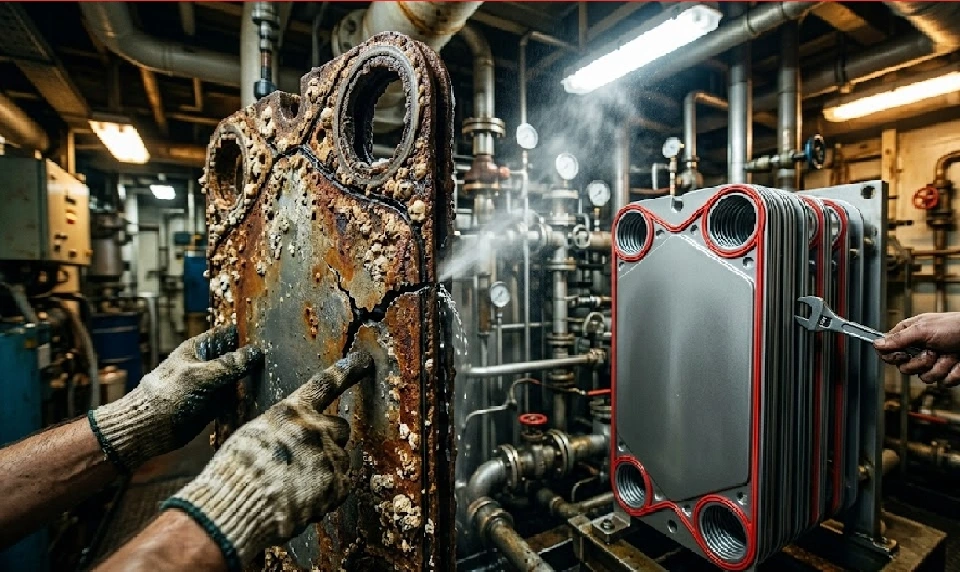
Durante verificações de emergência, a abertura da unidade frequentemente revela corrosão profunda nas peças metálicas. Em casos graves, essa corrosão se transforma em grandes buracos. Como o trocador de calor utiliza canais estreitos e sinuosos entre placas empilhadas, qualquer ruptura permite que a água do mar se misture imediatamente com o circuito de água doce selado. Essa mistura põe em risco a segurança do motor principal, causando quedas abruptas de potência e exigindo reparos imediatos.
Sintomas de falha iminente
Antes que ocorra um vazamento grave, o sistema emite sinais claros. A queda de pressão pode aumentar lentamente ao longo do dispositivo. Isso resulta de bloqueios nos canais de fluido devido a resíduos marinhos ou acúmulo de material espesso. Os operadores também podem observar a mistura de fluidos, com a pressão no lado secundário variando em etapas. Isso indica uma vedação interna danificada.
O equívoco: subestimar a quantidade de água do mar para reduzir custos.
Por que esses sistemas de refrigeração essenciais quebram tão rapidamente? O principal motivo geralmente está ligado a soluções improvisadas e arriscadas em reparos, atualizações ou compras de peças das embarcações.
Rebaixamento de materiais
Para reduzir os custos iniciais, alguns gerentes optam pelo aço inoxidável 316L ou SMO 254 em vez de uma placa de titânio adequada. O aço inoxidável comum funciona bem em sistemas básicos de ar condicionado ou em aplicações químicas leves. No entanto, ele não é adequado para as condições adversas da área de máquinas de um navio.
Comprometimentos de juntas
A escolha da junta apresenta outro erro comum. Pode-se pensar que uma junta básica de borracha nitrílica (NBR) industrial seja suficiente para as placas. Mas a NBR de uso comum só serve para configurações padrão. As condições marítimas expõem o equipamento a calor intenso, vapores de óleo, vibrações constantes e mudanças bruscas de pressão. As juntas básicas endurecem, racham e se deslocam rapidamente. Quando a espessura da junta varia ou se desgasta prematuramente, ocorrem grandes vazamentos externos. Isso coloca em risco a equipe e o motor. Portanto, trocar uma junta de borracha comum por uma junta de vedação marítima de verdade acarreta grandes riscos.
O princípio: íons cloreto e ataques biológicos
Para resolver definitivamente esse problema, é preciso considerar os efeitos químicos e biológicos exatos da água do mar bruta sobre o equipamento.
Penetração Química
A água do mar contém uma grande quantidade de íons cloreto (Cl-). Na sala de máquinas aquecida, esses íons tornam-se muito reativos. Eles atingem e rompem a fina camada protetora do aço inoxidável comum. Uma vez rompida, iniciam-se reações localizadas, causando corrosão rápida e profunda.
Incrustação biológica e corrosão em frestas
Ao mesmo tempo, a água do mar traz consigo micróbios marinhos, algas e partículas finas. Os trocadores de calor utilizam muitos pontos de contato das ondas das placas para agitar os fluidos e aumentar o fluxo de calor. Mas em locais onde o fluxo diminui um pouco perto dessas ondas, organismos e partículas aderem e se acumulam.
Esse acúmulo forma pequenos espaços apertados que desencadeiam uma forte corrosão por frestas. O metal sob a lama se deteriora muito mais rapidamente do que nas áreas abertas. A resistência da chapa diminui rapidamente. Isso leva diretamente à formação de furos que inundam as peças do motor.
Tabela 1: Desempenho de materiais e riscos de falha em ambientes marinhos
|
Material da placa |
Resistência aos íons cloreto |
Risco de corrosão em frestas |
Adequação para resfriamento oceânico |
|
Aço inoxidável 316L |
Baixo |
Alto |
Não recomendado |
|
Aço inoxidável SMO 254 |
Moderado |
Moderado |
Compromisso de Alto Risco |
|
Liga de titânio |
Excelente |
Muito baixo |
Altamente recomendado |
Chapas de titânio e soluções de vedação marítima para atualizações de 2026
O mar exige respeito. Para proteger a frota durante toda a sua vida útil e evitar a mistura com água do mar, adote configurações de hardware robustas e adequadas ao mar.
A Defesa Definitiva: Titânio Puro
Comece por substituir os resfriadores centrais por placas de titânio puro de grau 1. Testes em ambientes severos, como fábricas de água salgada, mostram que uma placa de titânio suporta água do mar quente e salgada ao longo do tempo sem problemas.
Para linhas de refrigeração primárias, adicionar um sólido Trocador de calor de placas Maximiza a troca de calor em espaços limitados. Esses modelos possuem uma estrutura removível. As equipes podem abri-la para verificar os trajetos e fazer reparos rápidos sem cortar os tubos. As placas apresentam padrões ondulados nítidos para maior resistência. Elas impulsionam a água do mar em fluxos giratórios. Isso aumenta as taxas de transferência de calor e os limites de pressão.
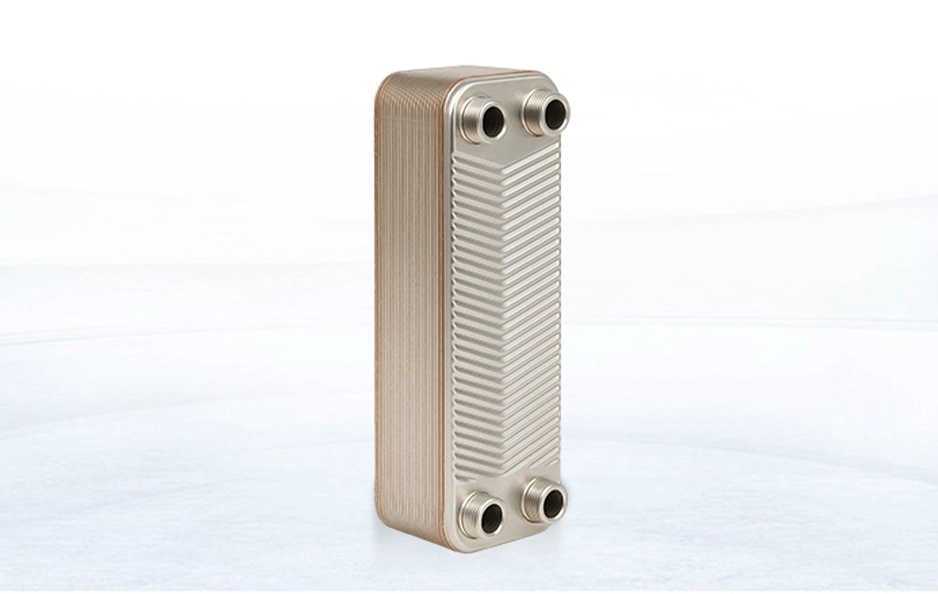
Para sistemas compactos que lidam com fluidos refrigerantes de alta pressão ou circuitos de água locais, um Trocador de calor de placas brasadas Proporciona alta qualidade de construção. A brasagem une as placas em uma unidade compacta. Oferece alta resistência à pressão, até 40 MPa, e resposta rápida às variações de temperatura.
Configurações de juntas de alto desempenho
Em seguida, reforce a instalação com peças de vedação marítima específicas. Borrachas comuns não durarão. Selecione vedações feitas para as condições adversas do mar, capazes de suportar alta pressão e fluidos agressivos.
A junta ao redor da placa impede vazamentos e define a folga do fluido. Ela também limita o nível de pressão de todo o dispositivo. Escolher o polímero certo é crucial.
Tabela 2: Especificações de juntas de vedação marítimas de alto desempenho
|
Código do material |
Material da junta |
Temperatura de operação |
Mídias aplicáveis e vantagens marítimas |
|
HN |
Butironitrila de Alta Temperatura |
-30°C a 150°C |
Excelente resistência à corrosão por óleos alifáticos; ideal para troca óleo-água em altas temperaturas. |
|
HF |
Flúor de alta temperatura |
-29°C a 300°C |
Resistência superior a óleos, ácidos fortes, álcalis e meios corrosivos salinos. |
|
Q |
Silício |
-100°C a 230°C |
Excelente hidrofobicidade e isolamento; suporta flutuações extremas de temperatura. |
|
EU |
Butilo |
-54°C a 150°C |
Super hermeticidade, impermeabilidade e excelente estabilidade química. |
Protocolos de manutenção para máxima vida útil
Materiais de alta qualidade precisar Os bons cuidados são essenciais para a durabilidade. Com o tempo, elementos como cálcio, magnésio e carbonatos presentes na água não tratada podem formar camadas rígidas nas superfícies aquecidas. Essas camadas conduzem o calor de forma ineficiente, resultando em uma queda acentuada na eficiência.
Para manter a nova placa de titânio e prolongar a vida útil da vedação marítima, as tripulações devem realizar limpezas químicas regulares. Isso significa remover primeiro a sujeira solta. Em seguida, utilize uma solução ácida para dissolver o cálcio e remover o acúmulo de resíduos. Finalize com um enxágue com NaOH para equilibrar os ácidos e bases. Isso protege as placas contra deterioração adicional. A combinação de peças resistentes com manutenção rigorosa garante viagens tranquilas.
Conclusão
Evite soluções baratas que prejudicam a eficiência e a segurança. Investir em uma placa de titânio genuína com um sólido sistema de vedação marítima é a maneira mais segura de evitar problemas com o sistema de refrigeração, proteger o motor principal e reduzir custos contínuos. Atualize seu sistema de refrigeração central agora mesmo para uma navegação tranquila.
Perguntas frequentess
P: Por que meu refrigerador central apresenta defeito em menos de um ano, mesmo sendo feito de aço inoxidável?
A: Os altos níveis de íons cloreto na água do mar bruta penetram a camada protetora do aço inoxidável padrão, causando corrosão por pite rápida. Além disso, o crescimento de algas e sujeira marinhas provoca corrosão profunda em frestas nos pontos de menor fluxo da placa.
P: Por que uma placa de titânio é estritamente necessária para sistemas de refrigeração em alto-mar?
A: Ele suporta impactos contínuos de calor, água do mar agitada e íons cloreto fortes. Ao contrário de outros metais, resiste ao acúmulo de incrustações. Isso garante a segurança do motor do navio durante toda a sua vida útil.
P: Posso usar juntas industriais padrão de NBR para meus trocadores de calor da sala de máquinas?
R: Não. As juntas industriais básicas não suportam o calor, as vibrações e os vapores de óleo presentes nas áreas do motor. Opte por uma vedação marítima adequada, como a borracha fluorada de alta temperatura ou o HNBR. Esses materiais oferecem a resistência à compressão e a estabilidade a fluidos necessárias em ambientes marítimos adversos.


