



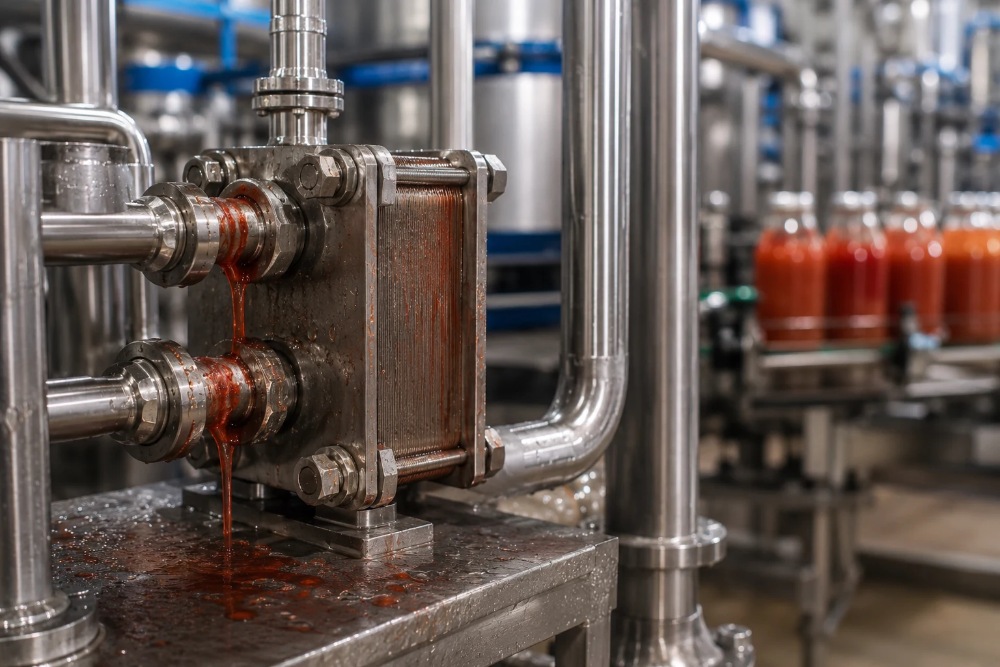
Pengolahan makanan asam menghadirkan masalah tersendiri. Saat jus atau bubur yang sangat asam mengenai peralatan termal Anda, hitungan mundur menuju korosi dimulai. Kebocoran pada sistem ini menyebabkan kehilangan produk yang besar dan risiko kontaminasi yang serius. Sebagai seseorang yang sangat terlibat dalam perpindahan panas industri, Anda membutuhkan solusi termal yang andal yang tidak akan gagal di bawah tekanan. Di sinilah GRANO HEAT ENERGY TECHNOLOGY CO., LTD hadir.
Didirikan pada tahun 2015, Grano beroperasi sebagai produsen papan atas yang berfokus sepenuhnya pada penelitian, penjualan, dan layanan instalasi Peralatan termal canggih. Mereka mengkhususkan diri dalam peralatan berkinerja tinggi dan hemat ruang. solusi pertukaran panas Dirancang untuk mengatasi kondisi industri yang berat, menawarkan desain khusus hingga 5000 meter persegi. Anda mendapatkan kinerja tugas berat yang menjaga jalur produksi tetap aman dan higienis sepenuhnya.
Tantangan Pengolahan Makanan Asam
Menangani tingkat pH ekstrem dalam produksi harian memberikan tekanan serius pada seluruh fasilitas Anda. Peralatan yang memproses cairan yang mudah menguap ini mengalami kerusakan besar seiring waktu. Situasi menjadi lebih rumit ketika Anda mencampur agresi kimia dengan siklus termal yang intens.
Risiko Korosi Parah
Produk yang sangat asam seperti jus jeruk atau pasta tomat dapat mengikis logam standar dengan cepat. Degradasi yang dipercepat ini melemahkan saluran internal. Begitu logam menjadi cukup tipis, kontaminasi silang menjadi ancaman sehari-hari, bukan lagi kecelakaan yang jarang terjadi.
Suhu dan Tekanan Ekstrem
Pasteurisasi kontinu menuntut daya tahan fisik yang tinggi dari unit termal. Anda mungkin menjalankan sistem pada tekanan hingga 40MPa atau 50MPa sambil mendorong suhu jauh di atas 200°C. Pergantian konstan antara uap panas dan produk dingin menciptakan guncangan termal, menguji batas setiap lasan dan sambungan.
Standar Sanitasi Ketat FDA dan GMP
Industri makanan tidak memberikan toleransi kesalahan sedikit pun terkait kebersihan. Badan pengatur menuntut lingkungan produksi yang bersih tanpa cela. Mencegah pencampuran bahan merupakan prioritas kepatuhan mutlak karena kebocoran kecil saja dapat merusak seluruh batch dan mengundang sanksi berat.
Faktor-faktor Kunci dalam Mencegah Kebocoran Penukar Panas
Mencegah kebocoran sebelum terjadi membutuhkan pengamatan cermat terhadap konstruksi peralatan Anda. Unit standar yang dijual bebas tidak akan bertahan lama dalam lingkungan dengan kadar asam tinggi. Anda harus mengandalkan detail konstruksi khusus untuk menjaga agar media asam tetap berada di tempatnya.
Pemilihan Material Unggul
Baja karbon standar sama sekali tidak cocok di sini. Membuat komponen inti dari material premium seperti baja tahan karat bermutu tinggi atau paduan titanium adalah hal yang mutlak. Logam-logam ini secara aktif menahan serangan asam dan mempertahankan integritas strukturalnya selama bertahun-tahun.
Integritas Struktural yang Kuat
Kerangka fisik harus mampu menahan tekanan mekanis yang sangat besar. Dengan tekanan kerja yang sering mencapai 25MPa hingga 50MPa tergantung pada jenis unitnya, pelat penjepit dan baut harus menahan semuanya dengan kuat. Jika struktur tersebut melentur bahkan satu milimeter pun, cairan akan keluar.
Teknologi Penyegelan Canggih
Gasket karet menerima beban paling berat. Segel khusus untuk bahan makanan sangat diperlukan. Misalnya, gasket Food Fluorine (SF) mampu menahan suhu hingga 220°C dan menghalangi semua jenis media korosif asam dan basa. Food EPDM (SE) mampu menahan air superpanas hingga 150°C dengan sempurna. Polimer yang tepat menjaga penghalang tetap kuat.
Mengapa Penukar Panas Pelat yang Dilas Sepenuhnya Unggul di Lingkungan Asam
Terkadang cara terbaik untuk mencegah kegagalan gasket adalah dengan menghilangkan gasket sepenuhnya. Kedengarannya sederhana, tetapi beralih ke desain yang dilas memecahkan banyak masalah sekaligus untuk aplikasi asam yang paling ekstrem. Ini secara fundamental mengubah cara unit menangani tekanan.
Penghilangan Gasket yang Rentan
Struktur pelat las sepenuhnya menghilangkan bantalan penyegel karet. Tanpa penghalang fleksibel ini, titik kegagalan utama di lingkungan yang sangat korosif hilang. Cairan asam tidak memiliki sesuatu yang lunak untuk dikikis.
Ketahanan Tinggi terhadap Tekanan Ekstrem
Pengelasan pelat-pelat tersebut menciptakan blok logam padat. Konstruksi ini memberikan daya tahan yang tak tertandingi. Konstruksi ini dengan mudah menangani lonjakan tekanan yang intens dan fluktuasi suhu yang cepat yang lazim terjadi pada sterilisasi makanan berat tanpa mengalami kerusakan pada sambungannya.
Integrasi Tanpa Celah untuk Keamanan Pangan
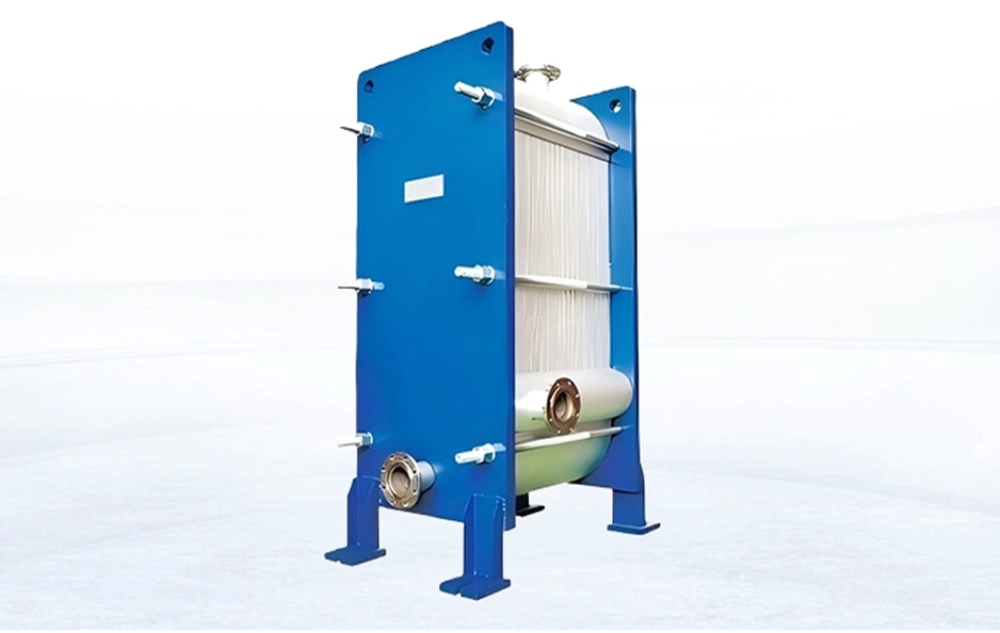
Inti logam padat tidak memberikan ruang sama sekali untuk kontaminasi silang. Untuk menjamin tingkat keamanan pangan ini dan menghilangkan risiko pencampuran, peningkatan ke Penukar Panas Pelat yang Dilas Sepenuhnya Ini sangat masuk akal. Integrasi yang erat menjaga proses tetap murni sepenuhnya.
Peran Penukar Panas Pelat yang Dilas dalam Pencegahan Kebocoran
Ketika ruang lantai pabrik terbatas tetapi Anda tetap membutuhkan ketahanan korosi yang tinggi, unit yang disolder adalah solusinya. Unit ini memiliki kemampuan transfer termal yang sangat besar dalam paket yang sangat kecil.
Desain Ringkas untuk Efisiensi Ruang
Unit-unit ini memiliki ukuran yang sangat ringkas. Mereka menghemat ruang instalasi yang berharga di pabrik makanan yang padat. Anda mendapatkan efisiensi tinggi tanpa mengorbankan ruang untuk mesin pengolahan penting lainnya.
Peningkatan Kemampuan Ketahanan Korosi
Teknologi pengelasan brazing menyatukan pelat logam menjadi struktur yang rapat, biasanya dengan material seperti tembaga atau baja tahan karat. Teknologi ini menawarkan ketahanan korosi yang sangat baik dan mampu menahan tekanan tinggi hingga 40 MPa. Cairan asam tetap aman terkandung di dalam saluran.
Respons Cepat terhadap Fluktuasi Suhu
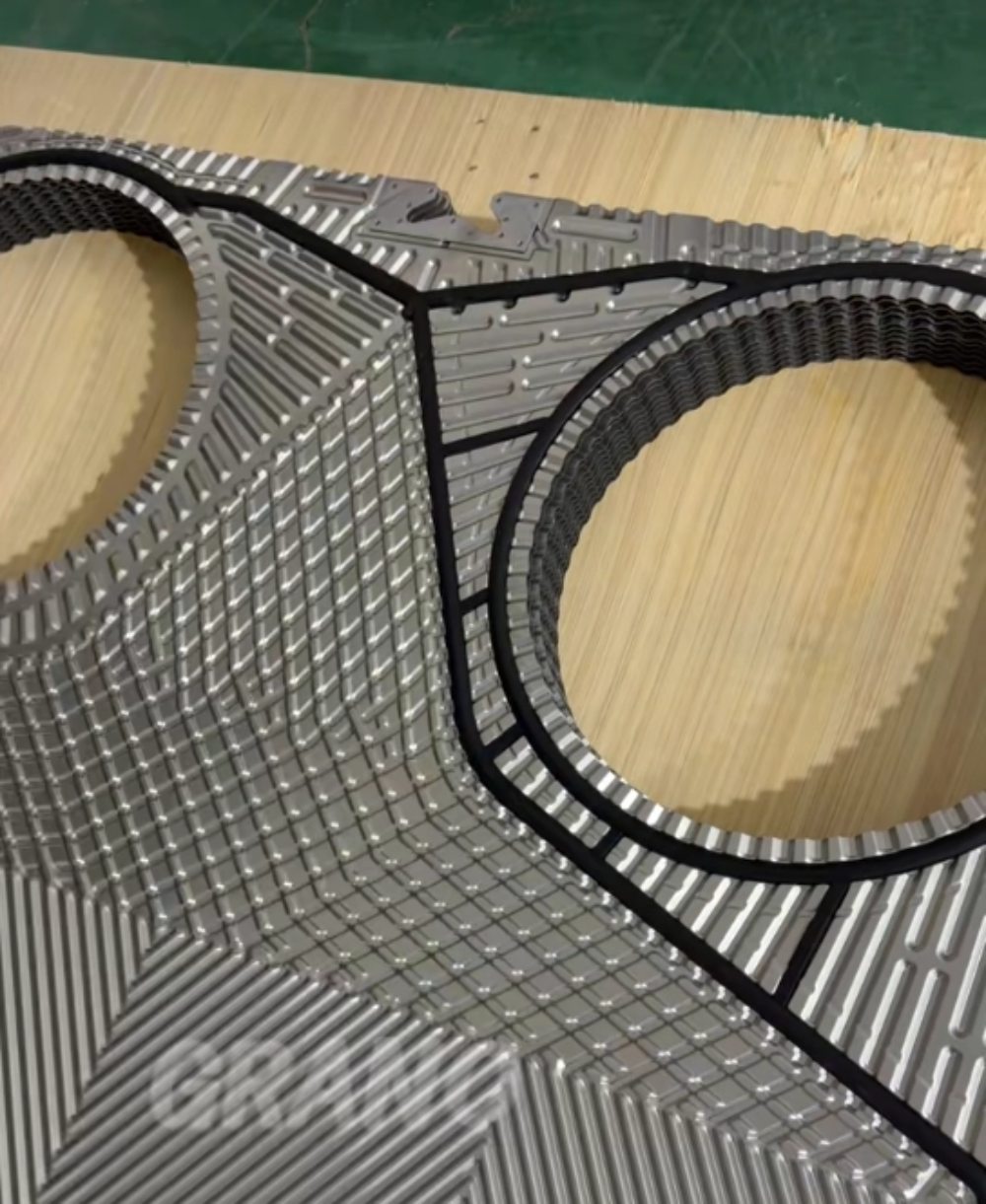
Karena pelat-pelat tersebut terikat dengan sangat kuat, efisiensi konduksi panasnya sangat baik. Pelat-pelat tersebut merespons perubahan suhu dengan cepat, mengurangi tekanan termal pada logam. A Penukar Panas Pelat yang Dilas Menangani siklus cepat dengan aman, secara efektif mencegah kebocoran.
Strategi Pemeliharaan untuk Keandalan Jangka Panjang
Bahkan logam yang paling keras pun membutuhkan perawatan yang tepat. Mengoperasikan unit termal hingga rusak adalah strategi yang sangat mahal. Memantau bagian internal dan mengikuti jadwal pembersihan yang ketat akan memperpanjang umur peralatan secara drastis.
Inspeksi Integritas Rutin
Penurunan tekanan abnormal perlu dipantau secara berkala. Saat membuka unit, periksa pelat perpindahan panas untuk melihat tanda-tanda keausan, terutama perhatikan adanya lubang, retakan, atau deformasi yang tidak dapat diterima yang dapat terjadi sebelum kegagalan total.
Protokol Pembersihan yang Tepat
Kerak merusak efisiensi termal. Penghilangan kerak secara kimia harus dilakukan secara sistematis. Pertama, lakukan pembilasan tipe terbuka untuk menghilangkan lumpur, kemudian tuangkan asam dan diamkan selama 2 jam. Kemudian sirkulasikan selama 3 hingga 4 jam, lalu lakukan pencucian alkali untuk menetralkan, dan kemudian bilas selama 0,5 jam.
Penggantian Komponen Tepat Waktu
Bantalan karet akan menua dan kehilangan daya lenturnya. Mengganti gasket penyegel lama sebelum mengeras sangat penting. Pastikan gasket baru memiliki ketebalan yang merata dan terpusat sempurna di dalam alur. Mengganti pelat yang berubah bentuk dengan segera akan menghentikan kebocoran sebelum terjadi.
Bermitra dengan Grano untuk Penukar Panas Sanitasi yang Andal
Menemukan peralatan yang tepat menghilangkan tebak-tebakan dalam pengelolaan pabrik. Bekerja sama dengan produsen yang berdedikasi berarti Anda mendapatkan perangkat keras yang benar-benar sesuai dengan kebutuhan pemrosesan asam spesifik Anda.
Keahlian dan Inovasi yang Komprehensif
Grano sangat berfokus pada penelitian dan pengembangan, manufaktur, dan instalasi peralatan termal. Dengan tim teknis yang berdedikasi tim Dengan pengalaman yang kaya, Anda akan mendapatkan saran yang tepat tentang cara menangani cairan asam yang rumit dengan aman.
Solusi Khusus untuk Industri Makanan
Setiap lini produksi beroperasi secara berbeda. Kemampuan untuk menyesuaikan area pertukaran panas hingga 5000 meter persegi berarti unit tersebut sangat sesuai dengan volume produksi Anda. Anda menerima peralatan yang dirancang khusus untuk laju aliran harian Anda.
Layanan dan Dukungan Purna Jual yang Spesial
Waktu henti (downtime) merugikan biaya. Ketersediaan panduan teknis jarak jauh dan perawatan ahli di lokasi menjaga kelancaran operasional. Pengiriman suku cadang yang cepat meminimalkan gangguan dan menjaga kelancaran aliran listrik.
Pertanyaan yang Sering Diajukan (FAQ)S
Q1: Apa bahan terbaik untuk menangani jus asam?
A: Paduan titanium dan baja tahan karat bermutu tinggi biasanya menjadi pilihan utama karena sangat tahan terhadap korosi asam dan mencegah degradasi logam.
Q2: Seberapa sering segel karet harus diganti?
A: Tergantung pada suhu operasi dan agresivitas cairan, tetapi Anda harus memeriksanya setiap kali membongkar dan segera menggantinya jika menunjukkan tanda-tanda penuaan, pengerasan, atau ketebalan yang tidak merata.
Q3: Dapatkah unit yang dilas menangani suhu sterilisasi yang tinggi?
A: Ya, struktur yang dilas dan disolder sepenuhnya mampu menangani panas ekstrem dengan sangat baik, dengan beberapa konfigurasi yang dapat beroperasi dengan nyaman pada suhu 300°C hingga 400°C tanpa risiko kerusakan gasket.
Q4: Mengapa penurunan tekanan tiba-tiba meningkat?
A: Peningkatan tekanan secara bertahap atau tiba-tiba biasanya berarti saluran fluida tersumbat oleh kerak, kotoran, atau penumpukan partikel dari media yang tidak bersih.
Q5: Bagaimana cara Anda membersihkan kerak keras dari piring dengan aman?
A: Gunakan proses penghilangan kerak kimia yang ketat. Setelah membilas kotoran yang lepas, rendam unit dalam larutan asam tertentu untuk melarutkan kerak, kemudian lakukan pencucian alkali untuk menetralkan asam, diikuti dengan pembilasan akhir menggunakan air bersih.


