



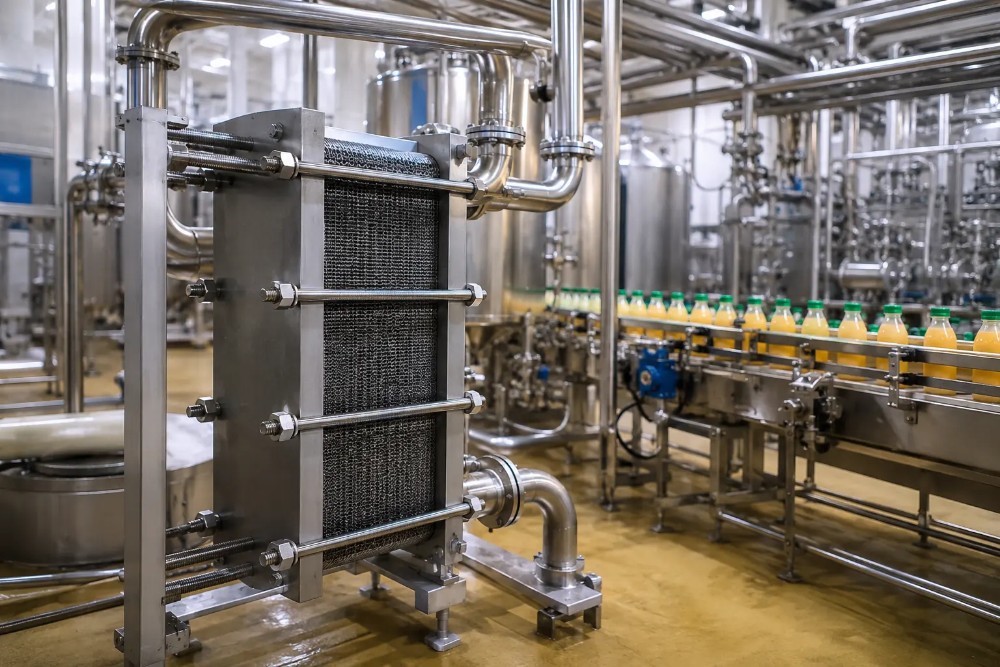
Bekerja di bidang pengolahan makanan berarti berurusan dengan standar kebersihan yang ketat setiap hari. Satu wabah bakteri saja dapat menghancurkan perusahaan dalam semalam. Anda membutuhkan peralatan termal yang benar-benar tahan terhadap pencucian kimia yang keras dan perubahan suhu ekstrem. Di situlah peran peralatan tersebut. BULIR Grano hadir sebagai solusi. Didirikan pada Januari 2015, Grano beroperasi sebagai produsen besar yang berfokus langsung pada penelitian dan pengembangan (R&D), penjualan, dan produk unggulan. layanan instalasiMereka mengkhususkan diri dalam solusi pertukaran panas yang sangat efisien dan hemat ruang yang dirancang khusus untuk kondisi industri yang keras. Anda mendapatkan kinerja tugas berat yang menjaga jalur produksi tetap sepenuhnya sesuai dan higienis. Tim teknik bahkan membangun area pertukaran panas khusus hingga 5000 meter persegi untuk memenuhi kebutuhan pabrik yang tepat.
Persyaratan Inti FDA dan GMP dalam Pengolahan Makanan
Memastikan pabrik makanan memenuhi standar yang berlaku adalah pekerjaan yang sangat sulit. Badan pengatur memeriksa setiap inci persegi lantai produksi. Aturan tersebut menentukan secara tepat apa yang bersentuhan dengan produk dan bagaimana fasilitas tersebut dibersihkan setelah satu shift, sehingga tidak ada ruang untuk jalan pintas.
Peraturan Material yang Ketat
Permukaan peralatan yang bersentuhan langsung dengan makanan tidak boleh mencemari makanan. Baja karbon standar tidak dapat digunakan karena berkarat dan mengelupas ke dalam produk. Kode keselamatan menuntut bahan yang tidak beracun dan tidak menyerap, serta tahan terhadap penggunaan sehari-hari tanpa rusak.
Strategi Pencegahan Kontaminasi Silang
Tujuan utamanya adalah untuk menjauhkan cairan mentah dari produk yang telah dipasteurisasi. Jika susu yang tidak dipasteurisasi bercampur dengan susu yang sudah bersih melalui celah kecil, semuanya akan terbuang percuma. Desain fisiknya harus benar-benar menghalangi jalur apa pun antara kedua media tersebut.
Standar Desain Higienis dan Kemudahan Pembersihan
Zona mati di dalam mesin merupakan tempat berkembang biaknya bakteri dengan cepat. Operator pabrik mengandalkan sistem pembersihan di tempat (clean-in-place) dan sterilisasi di tempat (sterilization-in-place) untuk menjaga agar semuanya tetap berjalan. Peralatan tersebut membutuhkan desain yang memungkinkan cairan pembersih berkecepatan tinggi mencapai setiap sudut tanpa memaksa kru untuk membongkar semuanya setiap hari.
Fitur Utama Penukar Panas Sanitasi yang Sesuai Standar
Memenuhi aturan sanitasi yang ketat berarti memperhatikan dengan saksama perangkat keras itu sendiri. Anda tidak bisa begitu saja mengambil peralatan industri siap pakai dan memasangnya di pabrik jus. Detail konstruksi tertentu membuat perbedaan antara lulus dan gagal selama audit kebersihan.
Piring Stainless Steel Kelas Makanan
Logam standar akan cepat berkorosi jika terpapar makanan asam seperti pasta tomat. Unit sanitasi menggunakan pelat baja tahan karat atau titanium bermutu tinggi, yang ditekan dengan lekukan khusus. Material ini mencegah asam mengikis logam dan menjaga makanan tetap aman dari kontaminasi logam berat.
Bahan Gasket Penyegel yang Disetujui FDA
Bantalan karet yang terletak di antara pelat menahan banyak tekanan dan harus memenuhi kode keamanan pangan. Misalnya, Food EPDM sangat cocok untuk air panas dan uap. Jika prosesnya menjadi lebih panas, Food Fluorine dapat menahan suhu hingga 220°C dengan mudah.
|
Kode Gasket |
Nama Material |
Kisaran Suhu (℃) |
Aplikasi Terbaik |
|
SE |
Makanan EPDM |
-54 hingga 150 |
Air superpanas, uap, udara |
|
SF |
Fluorin dalam Makanan |
-29 hingga 220 |
Suhu tinggi, asam kuat, garam |
|
SN |
Makanan Butironitril |
-30 hingga 120 |
Minyak hewani dan nabati |
Desain Saluran Cairan Tanpa Celah
Pelat logam dipasang terbalik, menciptakan ribuan kontak yang berselang-seling. Cairan mengalir di sekitar titik-titik ini, menghasilkan turbulensi yang hebat. Turbulensi ini membersihkan permukaan pelat selama pengoperasian, sehingga tidak ada sudut tenang yang dapat menjadi tempat persembunyian bakteri.
Peran Penukar Panas Pelat Standar dalam Operasi Sanitasi
Pabrik makanan sangat bergantung pada unit-unit ini karena alasan sederhana. Unit-unit ini bekerja lebih baik daripada alternatif yang besar dan berat, sekaligus mengemas daya pemrosesan yang sangat besar ke dalam ruang yang sangat sempit di lantai pabrik.
Efisiensi Perpindahan Panas Tinggi
Mesin-mesin ini memiliki efisiensi pertukaran panas tertinggi di antara semua jenis peralatan termal. Saluran-saluran yang sempit dan berkelok-kelok memaksa cairan ke dalam keadaan yang sangat turbulen, sehingga suhu turun atau naik dengan cepat.
Pembongkaran Mudah untuk Pembersihan CIP
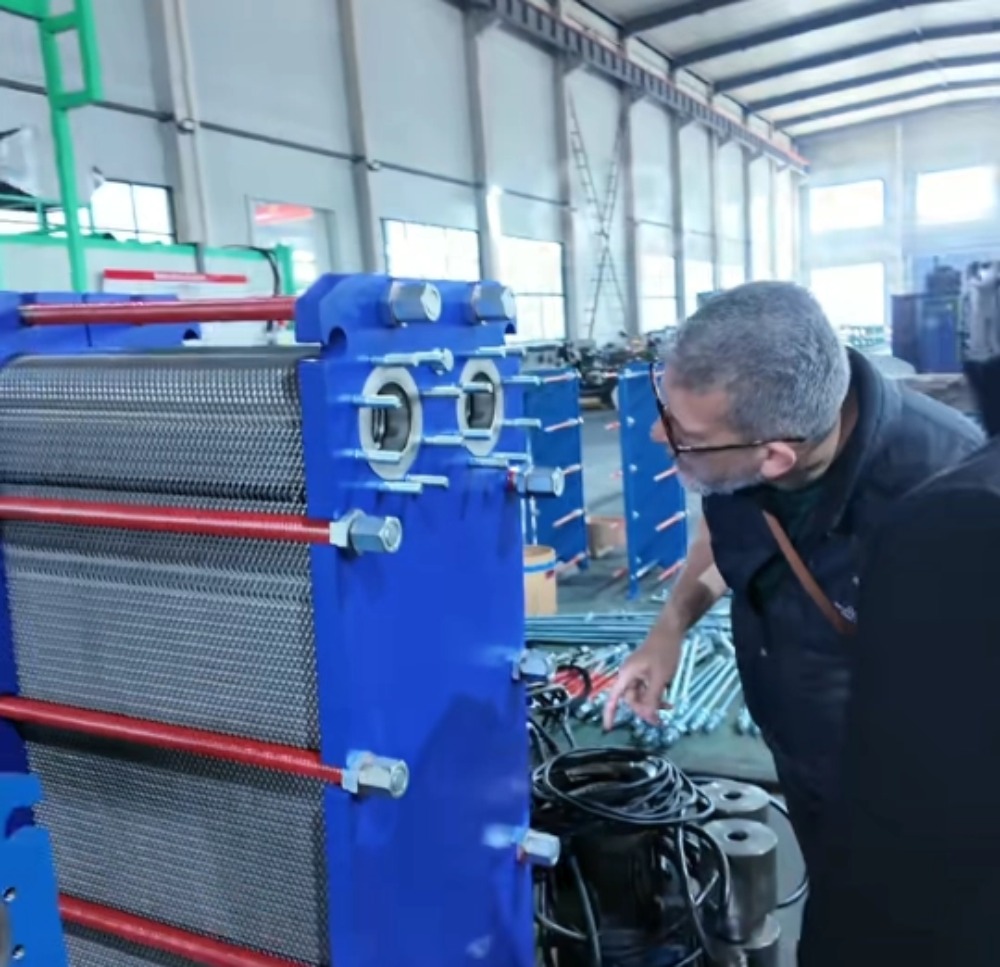
Terkadang, kru pabrik hanya perlu membuka mesinnya. Sebuah standar. Penukar Panas Pelat Menggunakan desain yang dapat dilepas. Pekerja dapat melepas baut rangka, menggeser pelat logam ke belakang, dan memeriksa atau membersihkan permukaan secara manual.
Desain Modular Fleksibel untuk Ekspansi
Volume produksi berubah seiring waktu. Jika sebuah pabrik menambahkan lini produksi jus baru, mereka tidak perlu membeli unit pemanas baru secara keseluruhan. Mereka hanya perlu menambahkan lebih banyak pelat ke rangka yang sudah ada, sehingga biaya modal tetap rendah.
Perlindungan Tingkat Lanjut dengan Penukar Panas Pelat Semi-Las
Terkadang, gasket karet standar tidak mampu menahan tekanan atau agresivitas kimia dari bahan pembersih tertentu. Ketika risiko kebocoran terlalu tinggi, fasilitas produksi beralih ke desain struktural yang lebih kuat untuk menjaga agar jalur produksi tetap berjalan lancar.
Kaset yang Dilas Laser untuk Media Agresif
Susunan ini menggunakan dua pelat dan mengelasnya dengan laser menjadi satu kaset. Cairan berbahaya atau bertekanan tinggi mengalir di dalam kantong yang dilas, sepenuhnya terisolasi dari lingkungan luar.
Penghilangan Kebocoran di Zona Tekanan Tinggi
Dengan melepas gasket karet dari saluran fluida yang agresif, titik kegagalan terbesar akan hilang. Hal ini secara drastis mengurangi kemungkinan kebocoran media berbahaya selama lonjakan tekanan tinggi pada saluran.
Kombinasi Optimal antara Pengelasan dan Gasket
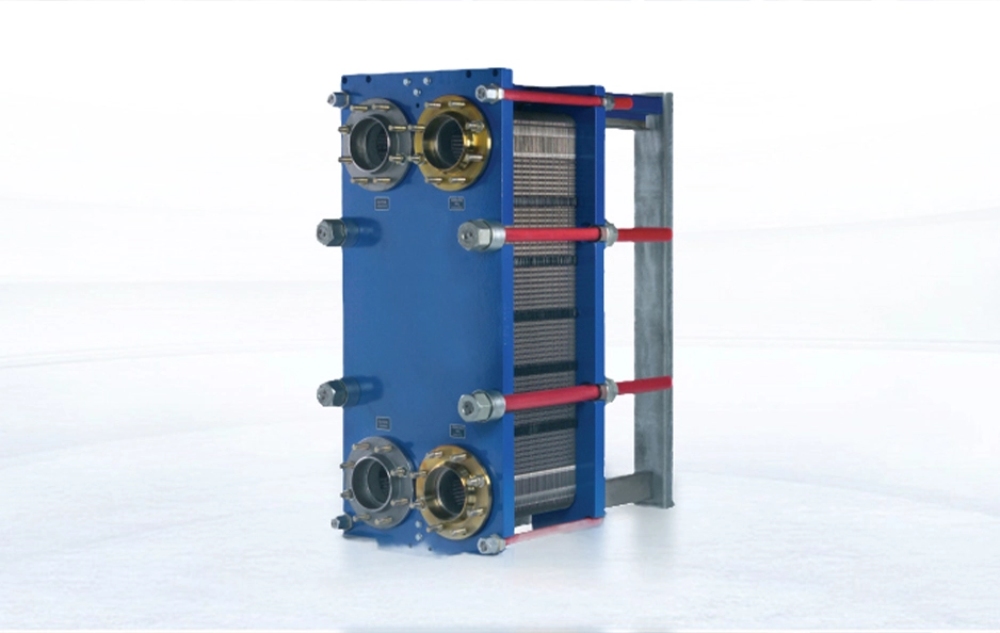
Anda tetap mendapatkan manfaat dari membuka mesin untuk pemeriksaan. Kaset yang dilas saling menyegel menggunakan gasket standar di sisi cairan yang aman. Peningkatan ke Penukar Panas Pelat Semi-Las Memberikan ketenangan pikiran yang serius untuk aplikasi makanan yang rumit.
Pemeliharaan Penting untuk Kepatuhan Keselamatan yang Berkelanjutan
Memasang peralatan yang baik hanyalah langkah pertama. Menjaga kebersihannya selama lima atau sepuluh tahun membutuhkan jadwal perawatan yang ketat. Mengabaikan penumpukan kerak atau penuaan karet akan langsung menyebabkan kontaminasi produk dan kerugian finansial yang besar.
Protokol Penggantian Gasket Rutin
Karet menua dan kehilangan daya lenturnya seiring waktu. Teknisi pabrik harus terus memantau penurunan tekanan. Jika terjadi kebocoran, saatnya untuk melepas gasket lama tanpa menggunakan alat logam yang dapat menggores pelat.
Prosedur Penghilangan Kerak Kimia yang Efektif
Kerak keras dari kalsium dan magnesium merusak efisiensi termal dan menciptakan tempat berkembang biak bagi bakteri. Anda harus menggunakan larutan asam untuk melarutkan dan menghilangkan kerak dari logam secara efektif.
|
Melangkah |
Tindakan |
Lamanya |
Tujuan |
|
1 |
Pembilasan tipe terbuka |
Sampai jelas |
Singkirkan lumpur dan kerak yang lepas. |
|
2 |
Perendaman Asam Statis |
2 jam |
Melarutkan kerak kalsium yang keras |
|
3 |
Sirkulasi Dinamis |
3 hingga 4 jam |
Singkirkan sisa endapan |
|
4 |
Pencucian Alkali |
Bervariasi |
Menetralkan asam sisa |
|
5 |
Bilas dengan Air Bersih |
0,5 jam |
Bilas sisa residu hingga bersih. |
Metode Pengujian Tekanan Sistematis
Setelah memasang kembali semuanya, jangan pernah langsung menghidupkan pompa utama. Tutup pipa saluran masuk bagian bawah, isi dengan air, dan gunakan pompa uji untuk menahan tekanan selama 30 menit. Jika jarum pengukur tetap stabil, unit aman untuk dioperasikan.
Bermitra dengan Grano untuk Solusi Termal Sanitasi Bersertifikat
Mengurus peraturan keamanan pangan sudah cukup memakan waktu, apalagi jika harus khawatir tentang kerusakan peralatan. Bekerja langsung dengan produsen yang andal menghilangkan perantara dan mempercepat pengoperasian kembali pabrik.
Keahlian Pertukaran Panas yang Komprehensif
Sejak 2015, Grano telah membangun tim teknis yang sangat baik dengan pengalaman yang kaya di bidang termodinamika. Mereka tahu persis bagaimana menangani pengaturan pengolahan makanan bertekanan tinggi dengan andal.
Peralatan Industri Makanan yang Disesuaikan
Setiap pabrik beroperasi sedikit berbeda. Mereka menyediakan pengaturan yang disesuaikan, mengatur area pertukaran panas dan memilih karet berkualitas pangan yang tepat yang dibutuhkan untuk produk jus atau susu tertentu.
Layanan Instalasi dan Pemeliharaan Khusus
Ketika terjadi kerusakan, menunggu berminggu-minggu untuk suku cadang bukanlah pilihan. Mereka menawarkan pengiriman pelat dan gasket yang cepat, ditambah panduan teknis langsung di lokasi untuk membantu Para kru memastikan sistem tertutup rapat dan berjalan dengan kecepatan penuh.
Pertanyaan yang Sering Diajukan (FAQ)S
Q1: Bagaimana Anda tahu kapan waktunya membersihkan piring?
A: Peningkatan tekanan secara bertahap biasanya berarti saluran fluida tersumbat oleh kerak atau kotoran dari media yang tidak bersih.
Q2: Mengapa pelat standar bocor selama pengoperasian?
A: Baut penjepit mungkin tidak dikencangkan secara merata, pelat logam mungkin telah berubah bentuk, atau gasket penyegel karet telah menua dan mengeras.
Q3: Apa yang menyebabkan tekanan meningkat di sisi sekunder?
A: Hal ini terjadi ketika terjadi pencampuran media, seringkali karena pelat logam telah berkorosi dan berlubang, sehingga memungkinkan cairan untuk saling menembus.
Q4: Bisakah Anda menggunakan EPDM biasa untuk sistem minyak goreng?
A: Tidak, EPDM tidak tahan terhadap korosi dari minyak bumi atau minyak. Anda membutuhkan Butyronitrile (Butironitril) khusus makanan untuk menangani minyak hewani dan nabati dengan aman.
Q5: Bagaimana cara menyimpan gasket cadangan di pabrik?
A: Simpan di tempat yang sejuk, kering, dan gelap di bawah 40°C, dan jauhkan sepenuhnya dari asam, basa, minyak, dan tekanan tinggi.


