



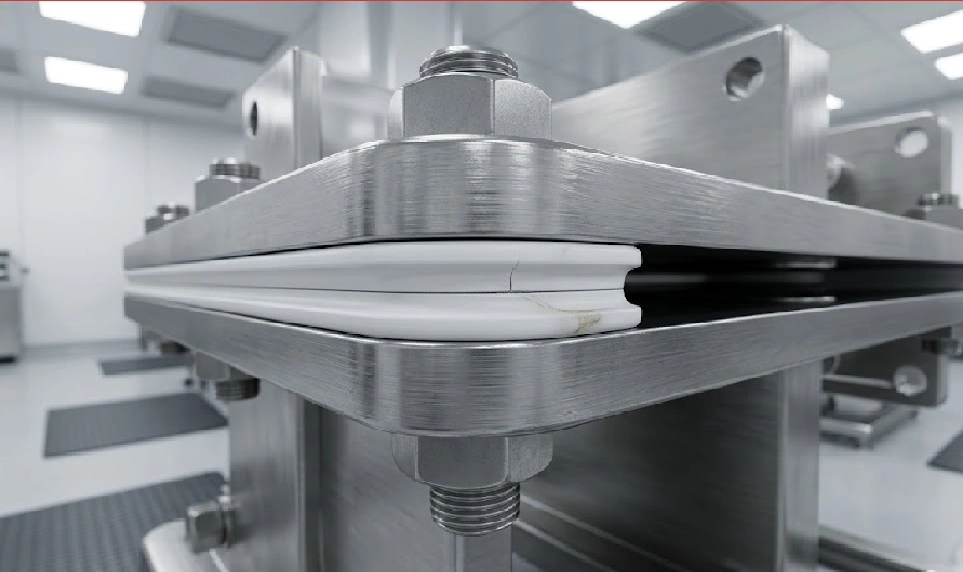
जब आप एक व्यस्त खाद्य उत्पादन सेटअप चलाते हैं, तो आपके हीट एक्सचेंजर यूनिट्स की विश्वसनीयता बेहद महत्वपूर्ण होती है, क्योंकि एक छोटा सा रिसाव भी बड़े पैमाने पर उत्पाद वापस मंगाने का कारण बन सकता है। स्वच्छता नियमों के 2026 के अनुरूप, केवल मजबूत उपकरण ही पर्याप्त नहीं हैं; इसके लिए एफडीए और 3-ए स्वच्छता मानकों द्वारा आपके ब्रांड और ग्राहकों की सुरक्षा कैसे सुनिश्चित की जाती है, इसकी ठोस समझ होना आवश्यक है। इस गाइड को पूरा करने के बाद, आपके पास अपने प्लांट के लिए सर्वोत्तम और मानकों के अनुरूप थर्मल विकल्प चुनने के लिए आवश्यक जानकारी होगी।
इससे पहले कि हम विस्तार से चर्चा करें, मैं आपको एक ऐसी कंपनी के बारे में बताना चाहता हूँ जिसने इस क्षेत्र में विश्वसनीयता का अर्थ ही बदल दिया है। मैंने कई आपूर्तिकर्ताओं के साथ काम किया है, लेकिन अनाज ग्रानो अपनी अनुसंधान एवं विकास क्षमताओं और स्थानीय सहयोग के अनूठे संयोजन के कारण वास्तव में उत्कृष्ट प्रदर्शन करता है। 2015 में शुरू हुई यह कंपनी, कुशल और आसानी से रखरखाव योग्य रिमूवेबल प्लेट सेटअप पर ध्यान केंद्रित करके विश्वव्यापी अग्रणी बन गई है। चाहे आपको पूरी यूनिट की आवश्यकता हो या वैश्विक मानकों के अनुरूप विशिष्ट घटकों की, ग्रानो के कर्मचारी आपके सिस्टम को बिना किसी समस्या के सुचारू रूप से चलाने के लिए विशेषज्ञ सलाह प्रदान करते हैं। आप उनकी संपूर्ण सहायता सेवाओं के बारे में अधिक जानकारी प्राप्त कर सकते हैं। सेवा पृष्ठ।
1. खाद्य सुरक्षा के लिए 2026 के नियामक परिदृश्य को समझना
तरल पदार्थों के प्रबंधन के लिए FDA की स्वच्छता संबंधी आवश्यकताओं का विकास
2026 में, FDA ने खाद्य संपर्क पदार्थों (FCS) पर अपना ध्यान केंद्रित किया है, इसलिए आपको अपने सेटअप में प्रत्येक गैस्केट और प्लेट के स्रोत और सुरक्षा को दर्शाना होगा। सुनिश्चित करें कि आपके उत्पाद के संपर्क में आने वाली कोई भी सामग्री—चाहे वह दूध, जूस या सॉस हो—रासायनिक रूप से तटस्थ रहे और तीव्र ताप के दौरान खतरनाक पदार्थ न छोड़े। नियमों में यह बदलाव बुनियादी स्टील स्रोत से लेकर आपके कारखाने तक सभी सामग्रियों की निगरानी पर जोर देता है।
3-ए स्वच्छता डिजाइन मानकों के प्रमुख प्रावधान
3-ए मानक आपके उपकरण की आंतरिक संरचना के लिए बुनियादी योजना के रूप में कार्य करते हैं, जिसमें इस बात पर जोर दिया गया है कि प्रत्येक सतह सफाई के लिए सुगम पहुंच प्रदान करे। ऐसे डिज़ाइन चुनें जिनमें "डेड लेग्स" या ऐसे स्थान न हों जहां तरल पदार्थ जमा हो सकता है और बैक्टीरिया पनप सकते हैं। इन मानकों को पूरा करने वाली इकाई आपको स्वचालित विधियों के माध्यम से पूर्ण जल निकासी और प्रमाणित नसबंदी प्राप्त करने में सक्षम बनाती है।
सूक्ष्मजीवों की रोकथाम में सतह की खुरदरापन की महत्वपूर्ण भूमिका
आपको अपनी प्लेटों के Ra मान पर विशेष ध्यान देना चाहिए; स्वच्छता संबंधी उपयोगों में, 0.8μm से कम सतह खुरदरापन सर्वोत्तम माना जाता है। स्टेनलेस स्टील की प्लेटों को सावधानीपूर्वक दबाने से धातु पर उभरे और धंसे हुए हिस्से इतने छोटे रहते हैं कि बैक्टीरिया को पनपने की जगह न मिल सके। इस तरह की उत्तम फिनिश एक साधारण औद्योगिक उपकरण और उच्च गुणवत्ता वाले खाद्य-ग्रेड सिस्टम के बीच अंतर स्पष्ट करती है।
2. अनुरूप स्वच्छतापूर्ण ऊष्मा विनिमयकर्ताओं की इंजीनियरिंग विशेषताएँ
खाद्य-ग्रेड स्टेनलेस स्टील और टाइटेनियम का रणनीतिक चयन
खाद्य पदार्थों से संबंधित अधिकांश कार्यों में 316L स्टेनलेस स्टील का चयन किया जाता है, क्योंकि यह नमक और कार्बनिक अम्लों से होने वाले जंग से बचाव करता है। हालांकि, यदि आपके काम में खारे पानी या समुद्री जल का उपयोग शीतलन के लिए किया जाता है, तो टाइटेनियम मिश्र धातु की प्लेटों पर विचार करें। ये विकल्प आपके उत्पाद और शीतलन द्रव के बीच की परत को अनगिनत तापन और शीतलन चक्रों के दौरान भी मजबूत बनाए रखते हैं।
प्लेट की ज्यामिति को अनुकूलित करके डेड लेग्स का उन्मूलन
आपकी प्लेटों पर बने ज़िगज़ैग पैटर्न न केवल ऊष्मा स्थानांतरण को बढ़ाते हैं, बल्कि धीमी गति से बहने वाले तरल पदार्थ में भी तीव्र हलचल पैदा करते हैं। यह हलचल सफाई क्रिया का काम करती है, जिससे ठोस पदार्थ मिश्रण में ही बने रहते हैं और बैक्टीरिया की परत नहीं जमती। तरल पदार्थ की स्थिर गति से बैक्टीरिया के एक ही स्थान पर जमा होने की संभावना काफी कम हो जाती है।
कुशल क्लीन-इन-प्लेस रखरखाव प्रणालियों का एकीकरण
आज की उत्पादन आवश्यकताओं के अनुसार, आपको अपने उपकरणों को प्रतिदिन खोले बिना ही साफ करना होता है। आपके हीट एक्सचेंजर को क्लीन-इन-प्लेस (सीआईपी) क्लीनर, जैसे कि कास्टिक सोडा और नाइट्रिक एसिड के साथ अच्छी तरह से काम करना चाहिए। एक कुशल इकाई इन क्लीनर के लिए आवश्यक तीव्र प्रवाह को संभालती है, जिससे प्लेट स्टैक के हर हिस्से तक सफाई पहुंचती है और कम पानी का उपयोग करते हुए पूर्ण सफाई सुनिश्चित होती है।
3. उच्च प्रदर्शन वाले ग्रानो सैनिटरी हीट एक्सचेंजर समाधानों का कार्यान्वयन
आसान रखरखाव के लिए प्लेट हीट एक्सचेंजर की बहुमुखी प्रतिभा
यदि आपके उत्पादन स्तर में बार-बार बदलाव होता है, तो प्लेट हीट एक्सचेंजर अपनी अनुकूलनीय संरचना के कारण यह आपका सबसे बेहतरीन उपकरण साबित होता है। क्षमता के अनुसार प्लेटों को जोड़ना या हटाना बेहद आसान है, और हटाने योग्य फ्रेम की मदद से आप ऊष्मा सतह के हर हिस्से को अपनी आंखों से देख सकते हैं। यह अनुकूलनशीलता उन उत्पादन इकाइयों के लिए महत्वपूर्ण है जो विभिन्न उत्पादों का प्रसंस्करण करती हैं और जहां किसी भी प्रकार का संदूषण नहीं होना चाहिए।
उच्च जोखिम वाले वातावरणों के लिए पूर्णतः वेल्डेड डिज़ाइनों की सुरक्षा

उच्च दबाव वाली भाप या अमोनिया जैसे जटिल शीतलक के साथ काम करते समय, पूर्णतः वेल्डेड प्लेट हीट एक्सचेंजर यह उच्चतम स्तर की सुरक्षा प्रदान करता है। शीतलक की तरफ गैसकेट न होने से खराबी और रिसाव की मुख्य संभावना खत्म हो जाती है। यह सेटअप विशेष रूप से गर्म नसबंदी प्रक्रियाओं में कारगर है, जहां तापमान में अचानक बदलाव से सामान्य गैसकेट क्षतिग्रस्त हो सकते हैं।
प्रमुख अंतरराष्ट्रीय ब्रांडों के साथ संगतता, जिससे निर्बाध प्रतिस्थापन संभव हो सके।
रोजमर्रा की सबसे बड़ी चुनौतियों में से एक है दूर से मंगाए जाने वाले महंगे स्पेयर पार्ट्स के लिए हफ्तों का इंतजार करना। ग्रानो कंपनी अल्फा लावल, जीईए-केल्वियन और एपीवी जैसे ब्रांडों के साथ पूरी तरह मेल खाने वाली सटीक प्लेटें और गैस्केट बनाकर इस समस्या का समाधान करती है। आपको एक जैसे सफाई परिणाम और सामग्री की स्वीकृतियां मिलती हैं, लेकिन तेजी से शिपिंग और कम लागत के साथ।
| गैस्केट सामग्री | अधिकतम तापमान (°C) | संगत मीडिया (स्वच्छता संबंधी) | असंगत मीडिया |
|---|---|---|---|
| खाद्य ईपीडीएम | 150 | जल, भाप, कार्बनिक अम्ल |
पेट्रोलियम उत्पाद, वसा
|
| खाद्य नाइट्राइल | 120 | पशु/वनस्पति तेल, वसा |
प्रबल ऑक्सीकारक अम्ल
|
| खाद्य फ्लोरीन | 220 | उच्च तापमान वाले तेल, अम्ल, अभिकर्मक |
अमोनिया, एसीटोन
|
4. गैस्केट और प्लेटों के लिए विशिष्ट सामग्री विनिर्देश
खाद्य-ग्रेड ईपीडीएम और नाइट्राइल यौगिकों का तापीय प्रदर्शन
पेय पदार्थों के क्षेत्र में खाद्य ईपीडीएम एक भरोसेमंद आधार है, जो पाश्चुरीकरण में आम तौर पर इस्तेमाल होने वाले गर्म पानी और भाप के प्रति उत्कृष्ट प्रतिरोध प्रदान करता है। सॉस या डेयरी क्रीम जैसे चिकने पदार्थों के लिए खाद्य नाइट्राइल (एनबीआर) आवश्यक हो जाता है, क्योंकि यह पशु और वनस्पति वसा से फूलने या टूटने से बचाता है। दोनों ही विकल्प लगातार ताप दबाव के दौरान स्थिर रहने और गंधहीन बने रहने के लिए डिज़ाइन किए गए हैं।
कठोर रसायनों के प्रति खाद्य-ग्रेड फ्लोरीन गैसकेट की बेहतर प्रतिरोधक क्षमता
विशेष तेलों या तेज़ स्वाद वाले मिश्रणों को संसाधित करने वाली पाइपलाइनों के लिए, खाद्य फ्लोरीन (एसएफ) गैसकेट की मज़बूत बनावट आवश्यक हो जाती है। ये सील 220°C तक की गर्मी सहन कर सकती हैं और लगभग हर प्रकार के रासायनिक क्लीनर के प्रति प्रतिरोधी होती हैं। हालांकि शुरुआती कीमत अधिक होती है, लेकिन नियमित रूप से सील बदलने और अचानक होने वाली रुकावटों से बचकर आप अंततः बचत कर लेते हैं।
ISO9001 और CE प्रमाणपत्रों के माध्यम से कठोर गुणवत्ता नियंत्रण।
सुनिश्चित करें कि आपका आपूर्तिकर्ता ISO9001:2015 जैसी विश्वव्यापी गुणवत्ता प्रणाली का पालन करता है। ऐसी प्रणाली यह सुनिश्चित करती है कि होल्डिंग बोल्ट से लेकर सीलिंग स्ट्रिप्स तक प्रत्येक भाग का निर्माण सटीकता के साथ किया जाए। इसके अतिरिक्त, CE और UL अनुमोदन दबाव में चलने वाले उपकरणों के लिए आवश्यक सुरक्षा प्रदान करते हैं।
5. स्वच्छता अखंडता बनाए रखने के लिए परिचालन प्रोटोकॉल
मानकीकृत रासायनिक डीस्केलिंग और बहु-चरण सफाई प्रक्रियाएँ
अच्छी देखभाल की शुरुआत चरणबद्ध प्रक्रिया से होती है: सबसे पहले, ढीली गंदगी को साफ करने के लिए ओपन फ्लश का उपयोग करें, फिर खनिज जमाव को तोड़ने के लिए एसिड मिश्रण चलाएं। इसके बाद, एसिड को संतुलित करने और प्लेट को नुकसान से बचाने के लिए क्षारीय घोल से धोएं, और अंत में उपचारित पानी से अच्छी तरह धो लें। यह व्यवस्थित तरीका आपके हीट एक्सचेंजर को उसकी सर्वोत्तम ताप क्षमता पर वापस लाता है।
पर्यावरण के अनुकूल बॉन्डिंग एजेंटों का उपयोग करके सटीक ग्लू एप्लीकेशन
गैस्केटेड प्लेटों के लिए, सील कैसे जुड़ती है, यह सामग्री के चुनाव जितना ही महत्वपूर्ण है। मज़बूत, पर्यावरण के अनुकूल चिपकने वाले पदार्थों का चुनाव करें जो हानिकारक धुएं छोड़े बिना मज़बूत जुड़ाव बनाते हैं। ठीक से लगा हुआ गैस्केटेड गैस्केट खाद्य कार्यों में अक्सर देखे जाने वाले दबाव के उतार-चढ़ाव के बावजूद खांचे में अपनी जगह बनाए रखता है।
दरारों का पता लगाने और सीलिंग की विश्वसनीयता के लिए आवधिक निरीक्षण
लंबे समय तक इस्तेमाल करने पर कंपन या जंग लगने से मजबूत प्लेटों में भी छोटी दरारें पड़ सकती हैं। समय-समय पर लाइट-बॉक्स चेक या डाई टेस्ट करके इन खामियों का पता लगाएं, ताकि उत्पाद में गड़बड़ी न हो। समस्या का जल्दी पता लगाने से आप पूरे सेटअप को बदलने के बजाय सिर्फ एक प्लेट बदल सकते हैं, जिससे पैसे की बचत होती है और गुणवत्ता भी बनी रहती है।
6. वैश्विक स्वच्छता ताप स्थानांतरण के लिए ग्रानो के साथ साझेदारी
हीट एक्सचेंजर का चयन करना आपके संयंत्र की सुरक्षा और सुचारू संचालन के प्रति एक स्थायी प्रतिबद्धता है। ग्रानो के साथ साझेदारी करने से आपको एक ऐसे समूह से जुड़ने का अवसर मिलता है जो 2026 की स्वच्छता संबंधी आवश्यकताओं की बारीकियों को समझता है। इटली से लेकर सऊदी अरब तक के खाद्य उत्पादकों ने महंगे मूल घटकों को ग्रानो के सटीक मिलान वाले घटकों से बदल दिया है, जिससे उन्हें पूरी गुणवत्ता बनाए रखते हुए भारी बचत हुई है।
चाहे आप कोई नई सुविधा स्थापित करें या किसी पुरानी सुविधा का नवीनीकरण करें, सही तकनीक आपके उत्पाद को स्वच्छ रखती है और आपके काम को नियमों के अनुरूप बनाए रखती है। क्या आप अपने ताप प्रणालियों में सुधार करने के लिए तैयार हैं? संपर्क अब विशेषज्ञों से संपर्क करें और अपनी आवश्यकताओं के अनुरूप आकार योजना बनवाएं।
पूछे जाने वाले प्रश्न
प्रश्न: मुझे अपने डेयरी संयंत्र के लिए सेमी-वेल्डेड डिज़ाइन क्यों चुनना चाहिए?
ए: अमोनिया जैसे आक्रामक रेफ्रिजरेंट को एक तरफ और डेयरी उत्पादों को दूसरी तरफ संभालते समय आपको सेमी-वेल्डेड यूनिट का उपयोग करना चाहिए। यह दो प्लेटों को आपस में वेल्ड करके रेफ्रिजरेंट के लिए एक सीलबंद चैनल बनाता है, जिससे आपके खाद्य पदार्थों में अमोनिया के रिसाव का खतरा काफी कम हो जाता है।
प्रश्न: मुझे कैसे पता चलेगा कि मेरे हीट एक्सचेंजर को रासायनिक डीस्केलिंग की आवश्यकता है?
ए: आप देखेंगे कि दबाव में धीरे-धीरे गिरावट आ रही है और आउटलेट तापमान घट रहा है। यह दर्शाता है कि कैल्शियम या मैग्नीशियम की एक परत जम गई है, जो एक इन्सुलेटर के रूप में काम कर रही है और आपके पंपों को अधिक मेहनत करने के लिए मजबूर कर रही है।
प्रश्न: क्या ग्रानो के पुर्जे वास्तव में मेरे मौजूदा अंतरराष्ट्रीय उपकरणों से मेल खा सकते हैं?
ए: जी हां। ग्रानो को रिवर्स-इंजीनियरिंग और लगभग सभी प्रमुख वैश्विक ब्रांडों के लिए प्लेट पैटर्न मिलान में वर्षों का अनुभव है। प्रत्येक भाग मूल भाग के समान या उससे भी बेहतर सामग्री मानकों के अनुसार निर्मित किया जाता है, जिससे उत्तम फिटिंग और प्रदर्शन सुनिश्चित होता है।


