
Que una enorme red de refrigeración industrial se apague por una varilla roscada rota suena ridículo, pero lo vemos ocurrir constantemente en la práctica. Las instalaciones pasan semanas debatiendo sobre las aleaciones más adecuadas para sus sistemas de fluidos, pero los equipos de mantenimiento suelen usar cualquier pieza que encuentren en el armario de almacenamiento para cerrarlo todo. Grano adentrarse en esta misma realidad caótica.
Hemos estado operando desde enero de 2015, centrándonos específicamente en bloques de intercambio de calor desmontables, juntas y componentes de fijación de alta resistencia. Si su equipo local carece de la experiencia mecánica para el ensamblaje a alta presión, puede recurrir a nuestro servicios de mantenimiento Por lo general, soluciona el problema. Conseguir el hardware de alta tensión adecuado durante una reparación urgente de fin de semana es mucho más rápido si trabaja directamente con un proveedor que dispone de un inventario suficiente. Siempre puede consultar nuestro credenciales técnicas y antecedentes para ver cómo apoyamos las redes industriales pesadas.
Escena de desastre: Los pernos se rompen durante la prueba de presión.Agarrotamiento o bloqueo durante la revisión
Las fallas de hardware rara vez ocurren un martes por la tarde, cuando la actividad es escasa. Casi siempre se presentan en el peor momento posible, como justo después de un tedioso turno de limpieza química de 12 horas o en medio de una prueba de presión hidrostática.
Los pernos rotos crean graves riesgos para la seguridad.
Durante una parada típica de la planta, un trabajador toma una llave inglesa pesada para cerrar el marco metálico. La herramienta apenas comienza a ejercer tensión cuando la pieza se rompe con un crujido violento y seco que resuena en el suelo de hormigón. Esto es mucho más que un simple retraso en la reparación.
Una varilla de acero gruesa que se rompa bajo ese tipo de tensión extrema puede herir gravemente a cualquiera que se encuentre cerca. En cualquier unidad industrial estándar, el perno del intercambiador de calor de placas hace mucho más que simplemente sujetar holgadamente dos cubiertas de acero pintadas. Realiza varias funciones críticas simultáneamente:
- Mantener todo el paquete de metal comprimido a una medida específica y estrictamente controlada en milímetros.
- Fijar las juntas de goma gruesas con precisión en sus ranuras de sellado designadas sin deformarlas.
- Ayuda a que los estrechos canales de fluido se mantengan estructuralmente estables bajo la intensa presión pulsante de la bomba.
Si falla una sola varilla, la presión de sellado local cae casi instantáneamente. Poco después se produce una fuga repentina de fluido, que en ocasiones rocía sustancias altamente corrosivas durante la fase de prueba.
Los hilos atascados ralentizan el siguiente ciclo de reparación.
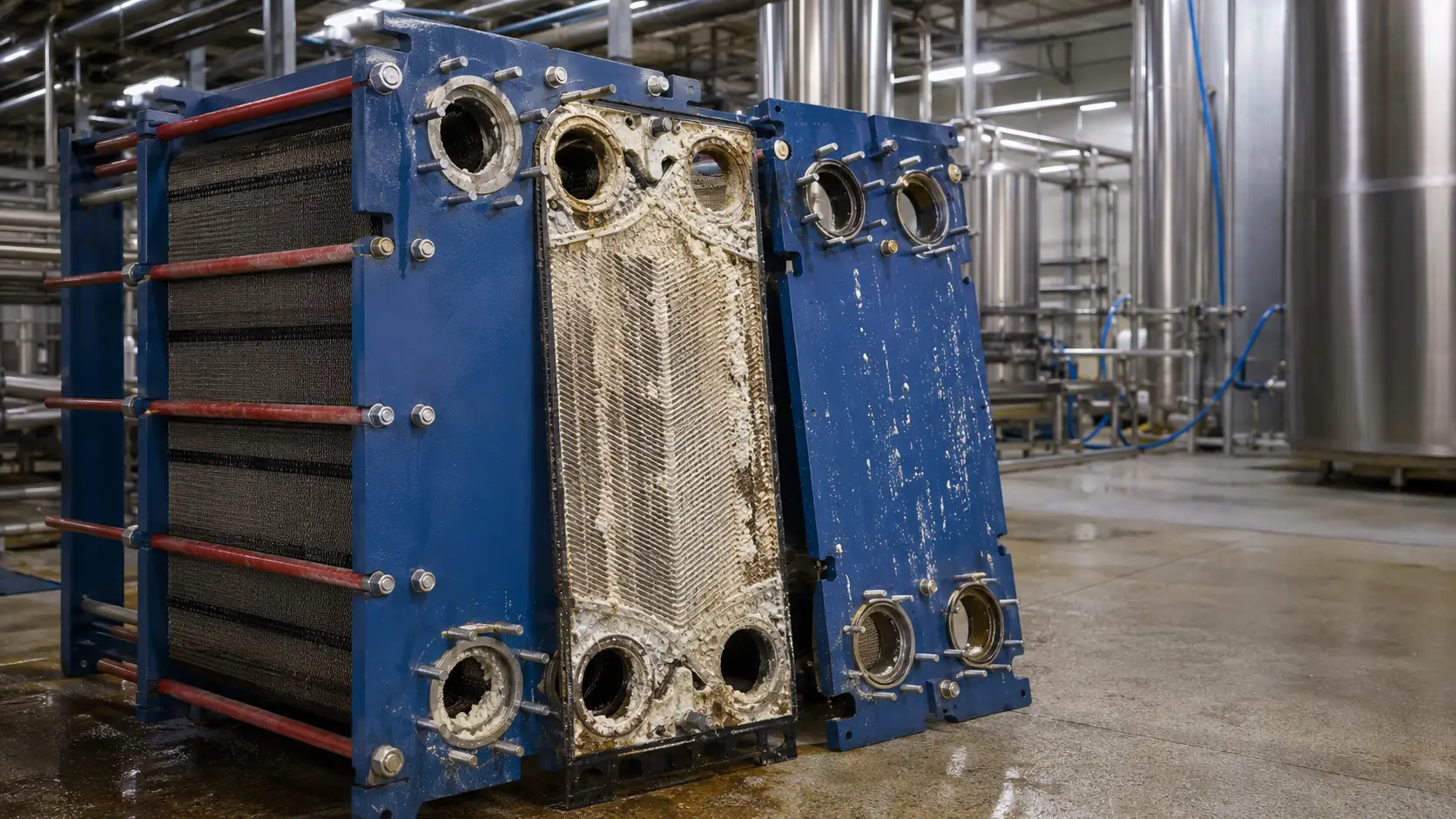
Otro problema bastante común surge durante la próxima revisión programada de la planta. El equipo de mantenimiento aplica una llave inglesa pesada a la tuerca, pero esta simplemente se niega a moverse.
Las roscas de acero están completamente atascadas. Tras perder un par de horas intentando usar lubricantes penetrantes y palancas largas, el equipo, exhausto, finalmente tiene que recurrir a una amoladora angular para cortar el grueso metal pieza por pieza. Saltar chispas por todas partes en una zona de procesamiento químico nunca es una buena idea.
Ese pequeño ahorro al comprar componentes baratos en la ferretería se convierte rápidamente en 48 horas de tiempo de producción perdido. Terminas pagando horas extras de fin de semana solo para desechar piezas inservibles.
Idea errónea común: Los pernos de fijación no son piezas comunes de acero al carbono.
Muchos problemas mecánicos parten de la misma lógica errónea. La gente supone que basta con apretar el marco, así que cualquier pieza de metal roscada servirá. Para un principiante, esa lógica suena totalmente razonable, pero ignora el arduo trabajo mecánico que realmente se realiza.
Los pernos de acero al carbono baratos siempre cuestan más a la larga.
Los componentes de acero al carbono galvanizado de bajo costo pueden verse brillantes y en perfecto estado al sacarlos de la caja. Sin embargo, su verdadera calidad solo se comprueba después de soportar meses de presión hidráulica, calor intenso, humedad constante y el paso del tiempo.
Una varilla fundamentalmente débil comenzará a estirarse muy lentamente. Esta deformación plástica es prácticamente imposible de detectar a simple vista durante el funcionamiento diario de la planta. Sin embargo, la carga mecánica crucial sobre las juntas internas disminuye milímetro a milímetro con el tiempo.
Cuando la compresión cae por debajo de cierto umbral físico, el fluido comienza a gotear por los bordes. Para un ojo inexperto, la falla simplemente parece una junta de goma desgastada, pero la causa real suele ser el estiramiento del metal.
El grado del perno debe coincidir con el uso previsto.
Al observar las clasificaciones métricas estándar de los herrajes, se entiende perfectamente por qué la elección de este componente es tan importante. Una pieza de ferretería estándar de grado 4.8 y un sujetador industrial de alta tensión de grado 10.9 no pertenecen en absoluto a la misma categoría de uso.
|
Clase de propiedad Bolt |
Resistencia a la tracción nominal |
Límite elástico nominal aproximado |
Riesgo práctico en el uso industrial |
|
4.8 |
400 MPa |
320 MPa |
Más fácil de estirar bajo una carga de sujeción elevada |
|
8.8 |
800 MPa |
640 MPa |
Opción común para una sujeción del marco más resistente. |
|
10.9 |
1000 MPa |
900 MPa |
Más adecuado para presiones elevadas y ciclos de mantenimiento exigentes. |
Optar por un grado superior no se trata solo de comprar un metal más duro para presumir de ello. Le brinda al robusto marco de acero muchas más posibilidades de mantener su presión de sellado crítica tras años de funcionamiento y desmontajes repetidos. Para la gran mayoría de las reparaciones, usar acero aleado de grado 8.8 o 10.9 es una opción técnica mucho más segura que conformarse con alternativas de menor grado.
Verdad mecánica 1: Los pernos deben resistir enormes fuerzas de separación hidráulica.
Cuando las bombas de la instalación se ponen en marcha y la unidad comienza a procesar el fluido, la presión interna del líquido intenta activamente separar con fuerza las tapas de sujeción fijas y móviles. Los ingenieros denominan a esta reacción física específica fuerza de separación hidráulica.
La presión interna separa el marco
En el interior de la pila, corrientes de fluidos calientes y fríos fluyen rápidamente a través de canales corrugados increíblemente estrechos. El metal corrugado, el caucho comprimido y los robustos pernos comparten la enorme tarea de mantener esos canales sellados herméticamente. La superficie metálica en sí puede ser lo suficientemente delgada como para doblarse con la mano, pero toda la estructura soporta una presión extrema simplemente porque las láminas, la fuerza de sellado y los pernos de sujeción funcionan conjuntamente como un sistema unificado.
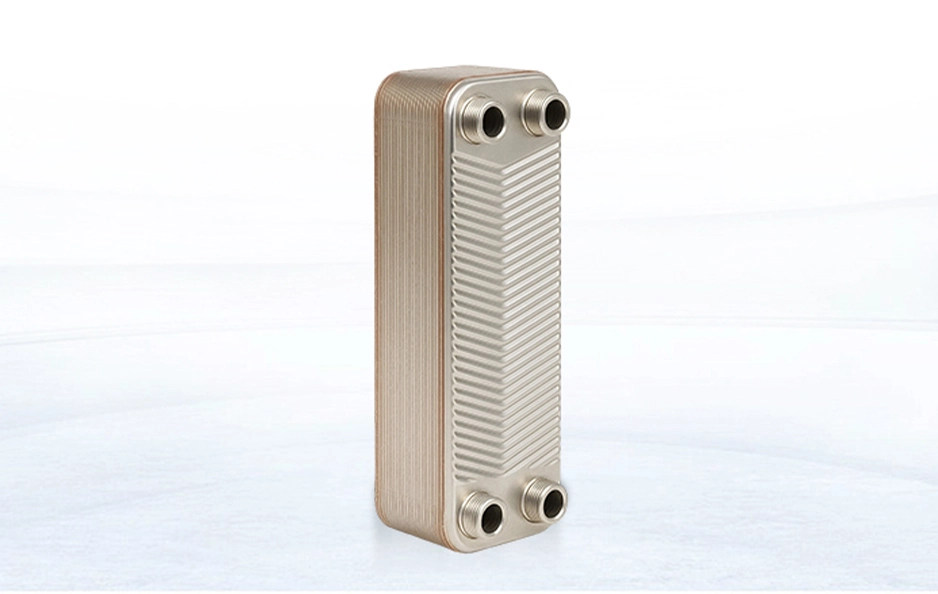
Si sus instalaciones necesitan manejar algo brutal, incluso podría actualizarse a un intercambiador de calor de placas soldadas para eliminar por completo las juntas de goma. Sin embargo, los marcos desmontables siguen siendo el estándar para todo lo que requiere limpieza manual.
Los datos de funcionamiento de los equipos demuestran claramente lo exigente que puede ser físicamente este campo en las operaciones diarias.
|
Datos de referencia del equipo |
Parámetro real |
|
Área de intercambio de calor personalizada |
Hasta 5000 m² |
|
Presión máxima de trabajo |
25 MPa |
|
Temperatura máxima de funcionamiento |
200°C |
|
Materiales comunes |
Acero inoxidable, aleación de titanio, acero al carbono |
|
Accesorios relacionados |
Placas, juntas, pernos, elementos calefactores |
Una varilla roscada utilizada en este tipo de entorno intenso no es, evidentemente, un simple accesorio secundario. Es una parte fundamental del sistema de contención de presión.
Un apriete deficiente puede provocar fugas directamente.
El problema no radica únicamente en elegir el tipo de metal adecuado. El método de apriete es igualmente importante. Los pernos de sujeción deben apretarse de manera uniforme y simétrica siguiendo un patrón cruzado específico, para que las pesadas cubiertas metálicas permanezcan perfectamente paralelas.
Si un mecánico aprieta un lado mucho más rápido que el otro, todo el conjunto se inclinará. Los sellos de goma podrían salirse de sus ranuras, lo que provocaría que algunas zonas de sellado se compriman con demasiada presión, mientras que otras apenas tendrían contacto físico.
Antes de desmontar la unidad, el personal de mantenimiento siempre debe medir la longitud de compresión existente con una cinta métrica y anotarla. Durante el reensamblaje, el paquete debe ajustarse a esa longitud exacta utilizando una llave dinamométrica calibrada.
Verdad mecánica 2: El estrés térmico y el desgaste de las roscas arruinan los componentes.
Una red de calefacción industrial pesada no se mantiene a una temperatura constante y estable indefinidamente. Se calienta a niveles extremos, se enfría hasta la temperatura ambiente, se apaga por completo y, ocasionalmente, pasa por agua sucia de río. Estos ciclos térmicos interminables hacen que la selección del hardware sea un proceso mucho más complejo que simplemente marcar una casilla en una orden de compra.
Los ciclos de calor generan fatiga silenciosa.
Durante su funcionamiento, el metal se expande y contrae constantemente con los cambios de temperatura del fluido. Este movimiento físico, invisible y repetitivo, genera una enorme tensión térmica con el tiempo. Si el material elegido es fundamentalmente débil, está mal mecanizado o ya presenta corrosión profunda, la fatiga estructural se acumula mucho más rápido.
La elección del caucho también afecta directamente a la estabilidad del sellado, ya que los distintos polímeros toleran los límites de temperatura de forma muy diferente. La temperatura que puede soportar la junta determina en gran medida la temperatura de funcionamiento de toda la unidad.
|
Material de la junta |
Rango típico de temperatura de funcionamiento |
Nota de uso común |
|
Caucho de nitrilo |
-20°C a 135°C |
Resistente al aceite, condiciones de trabajo generales |
|
Caucho EPDM |
-50°C a 180°C |
Agua, vapor, ácido, álcali, medios salinos |
|
Caucho fluorado |
-50°C a 250°C |
Alta resistencia a temperaturas, aceites, ácidos y álcalis. |
|
caucho de silicona |
-65°C a 230°C |
Resistencia a bajas temperaturas y al calor seco |
Si el caucho está muy envejecido, se presiona completamente descentrado o se combina a ciegas con el medio químico incorrecto, el riesgo de fuga se dispara. Pero, al fin y al cabo, los pernos metálicos siguen cumpliendo la función de sujeción física final. Un sellado realmente bueno depende de todo Intercambiador de calor de placas El conjunto funciona a la perfección.
El desgaste de la rosca se produce por la fricción directa.
El agarrotamiento de la rosca es, básicamente, un efecto de soldadura en frío. Durante un apriete intenso, la tuerca y la rosca de la varilla rozan entre sí bajo una carga mecánica extrema. Si la superficie de la rosca es rugosa, está muy seca o tiene una fabricación deficiente, las superficies metálicas pueden fusionarse físicamente en ese mismo punto.
Unos meses después, la tuerca se atasca por completo. Un tratamiento antiagarrotamiento adecuado ayuda a evitar esta pesadilla. Algunas soluciones prácticas comunes incluyen la aplicación de lubricante a alta temperatura, la adición de un recubrimiento de disulfuro de molibdeno o el uso de un tratamiento superficial básico de tipo PTFE. El objetivo no es que las piezas luzcan brillantes, sino garantizar que el mantenimiento futuro sea físicamente posible.
Conclusión: La selección adecuada de pernos previene fallas importantes.
Cada una de las varillas estructurales de una unidad de procesamiento de fluidos trabaja incansablemente para mantener sus instalaciones en funcionamiento. No puede permitirse el lujo de ignorarlas hasta que se rompan.
Protegiendo su inversión en equipos
Estos gruesos componentes metálicos deben mantener el paquete pesado firmemente comprimido, conservar la presión crítica del caucho y, sobre todo, permanecer intactos hasta el siguiente ciclo de mantenimiento programado. Si el metal es demasiado débil, se estirará. Si el tratamiento superficial de fábrica es deficiente, las roscas se soldarán en frío y se atascarán por completo.
Antes de pedir una caja de repuestos, dedique cinco minutos a verificar la presión de trabajo del sistema, la temperatura máxima de funcionamiento, el material polimérico específico y las dimensiones del bastidor. Utilice acero aleado de alta resistencia donde el uso diario lo requiera.
Anote siempre la longitud de compresión antes de usar una llave inglesa. Apriete las tuercas de forma uniforme y simétrica en cada ocasión. Unos cuantos componentes baratos pueden parecer inofensivos al revisar la factura mensual. Sin embargo, no lo parecen en absoluto cuando una prueba crítica de presión hidrostática falla estrepitosamente un viernes por la tarde.
Preguntas frecuentes
P1: ¿Por qué se rompen estos pernos mecánicos pesados durante el mantenimiento rutinario?
A: Suelen romperse porque la resistencia del metal es demasiado baja para la carga pesada, la varilla se ha estirado permanentemente por soportar una carga prolongada o el mecánico apretó el marco de forma desigual. Las enormes fuerzas de sujeción combinadas con el óxido oculto aumentan considerablemente el riesgo de una rotura repentina.
P2: ¿Qué es exactamente lo que provoca que las tuercas se atasquen por completo durante una revisión?
A: Se bloquean cuando la fricción extrema de la rosca, la gran carga física, los ciclos diarios de calentamiento y un tratamiento superficial deficiente provocan una reacción adversa llamada agarrotamiento. Una vez que se produce este efecto de soldadura en frío, es probable que la tuerca no vuelva a moverse a menos que se corte físicamente con una amoladora.
P3: ¿Son adecuadas las varillas estándar de grado 4.8 para este tipo de equipo industrial?
R: Por lo general, no. Una unidad básica de 4,8 tiene una resistencia a la tracción significativamente menor en comparación con las alternativas industriales de 8,8 o 10,9, y es probable que se estire bajo la constante fuerza de separación hidráulica que empuja hacia afuera.
P4: ¿Cómo puede un equipo de mantenimiento reducir las fugas de fluidos justo después del reensamblaje?
A: Tómese el tiempo necesario para limpiar a fondo las superficies y ranuras metálicas, verifique que la goma no esté dañada físicamente, anote siempre la longitud de compresión original y apriete todo con cuidado y de manera uniforme utilizando una llave dinamométrica calibrada en forma de cruz.
P5: ¿Cuándo es el momento exacto para desechar y reemplazar el hardware?
A: Deséchelos en el contenedor de reciclaje cuando las roscas se vean visiblemente desgastadas, el óxido sea muy notorio, las tuercas comiencen a atascarse al retirarlas, el metal se haya estirado de forma evidente o el sistema simplemente se niegue a mantener la presión hidrostática después de realizar una revisión interna adecuada.