



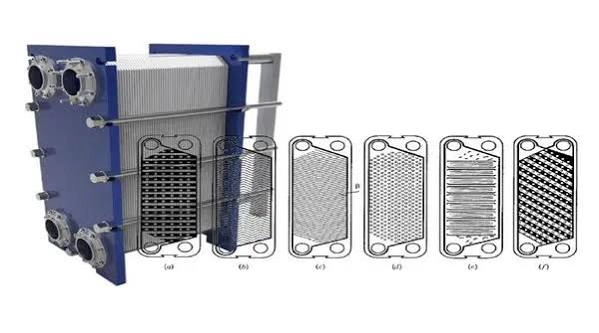
Die Bestellung eines kundenspezifischen Plattenwärmetauschers ist nicht mit der Auswahl einer Pumpe aus einem Katalog vergleichbar. Der Lieferant benötigt exakt abgestimmte thermische, hydraulische, steuerungstechnische und standortspezifische Daten. Widersprechen sich die Grenzwerte für Temperaturen, Durchfluss und Druck, kann es passieren, dass die fertige Einheit die gewünschte Austrittstemperatur nicht erreicht oder zu viel Pumpenleistung verbraucht.
Gegründet im Jahr 2015, Getreide konzentriert sich auf Plattenwärmetauscher, Platten, Dichtungen, komplette Wärmetauschereinheiten und WartungsdiensteDas Team von Grano deckt Forschung, Auswahl, Produktion, Installation und Service ab – ein Vorteil, wenn ein Projekt mehr als nur einen einfachen Wärmetauscher umfasst. Für Aufgaben, die ein Öffnen und Reinigen erfordern, empfiehlt Grano seine modularen Systeme. PlattenwärmetauscherWo der Platz begrenzt ist und die Flüssigkeiten sauber sind, ist es dichtungsfrei. Gelöteter Plattenwärmetauscher kann besser passen.
Welche Medien und Temperaturen definieren einen kundenspezifischen Plattenwärmetauscher?
Beginnen Sie mit den zwei Fluiden und den vier Auslegungstemperaturen. Diese Eingangsgrößen bestimmen die thermische Triebkraft und bestimmen die Material- und Kanalauswahl. Die Angabe „Wasser“ allein reicht oft nicht aus. Aufbereitetes Heizwasser, Meerwasser, Glykollösung und Prozesswasser verhalten sich unterschiedlich.
Beide Medien deutlich identifizieren
Benennen Sie beide Medien. Geben Sie bei einem Fluidgemisch die Konzentration sowie die relevanten Werte für Dichte, Viskosität, Feststoffgehalt, Chloridgehalt und korrosive Komponenten an. Geben Sie an, ob es auf einer der Seiten zu Ablagerungen oder Kristallisation kommen kann. Wellplatten erzeugen starke Turbulenzen, aber auch in engen Kanälen sind genaue Fluiddaten erforderlich.
Eine mit Dichtung versehene Einheit ist praktisch, wenn regelmäßige Inspektionen oder mechanische Reinigungen vorgesehen sind, und ihre Plattenanzahl kann bei steigender Beanspruchung angepasst werden. Eine gelötete Einheit verwendet Kupferlot anstelle von Gummidichtungen. Sie eignet sich für saubere, kompakte Heiz- und Kühlkreisläufe, kann aber normalerweise nicht zur internen Reinigung geöffnet werden.
Geben Sie die erwartete Größe und Konzentration der Partikel an, die von der Flüssigkeit transportiert werden. Ein vorgeschaltetes Sieb kann erforderlich sein, da verstopfte Kanäle den Druckverlust erhöhen und die Wärmeübertragung verringern. Erläutern Sie außerdem die Wasserhärte und das geplante Reinigungsverfahren vor der Fertigung.
Geben Sie alle vier Temperaturen an.
Geben Sie die Ein- und Auslasstemperaturen für beide Seiten an. Ergänzen Sie die Werte für Normal-, Minimal- und Maximalwerte, falls die Lasten variieren. Teilen Sie dem Lieferanten mit, welche Werte fest vorgegeben und welche berechnet werden können.
Wie definiert man Durchflussrate, Wärmeleistung und Druckverlust?
Als Nächstes folgt die thermische Bilanzierung. Fördermenge, Wärmeleistung und Druckverlust müssen denselben Betriebspunkt beschreiben. Probleme entstehen, wenn ein Wert vom Typenschild der Pumpe und ein anderer aus einer veralteten Zeichnung stammt.
Durchflussmenge an Wärmeleistung anpassen
Geben Sie den Massenstrom in kg/s oder den Volumenstrom in m³/h für jede Seite an, wobei die Fluidtemperatur zur Umrechnung verwendet wird. Die Wärmeleistung folgt der Standardformel Q = m × cp × ΔT. Für Wasser in der Nähe üblicher Heiztemperaturen wird cp für eine erste Berechnung üblicherweise mit etwa 4,18 kJ/(kg·K) angenommen.
| Beispiel-Eingabe | Wert | Berechnung oder Ergebnis |
|---|---|---|
| Heißwasser-Massenstrom | 2,0 kg/s | Gegebener Designablauf |
| Warmwassertemperaturen | 80 °C bis 60 °C | ΔT = 20 K |
| Ungefähre Wärmeleistung | 167,2 kW | 2.0 × 4.18 × 20 |
| Kaltwassertemperaturanstieg | 20 °C bis 40 °C | Der erforderliche Volumenstrom beträgt etwa 2,0 kg/s, externe Wärmeverluste werden vernachlässigt. |
Diese einfache Prüfung erkennt fehlerhafte Abfragedaten, bevor die Plattenauswahl beginnt. Bei Glykol-, Öl- oder chemischen Lösungen sollten die tatsächlichen Stoffdaten den Wasserwert ersetzen.
Legen Sie für jede Seite einen Druckverlustgrenzwert fest.
Geben Sie den zulässigen Verlust für jeden Kreislauf an. Ein höherer zulässiger Verlust kann eine höhere Kanalgeschwindigkeit und ein kleineres Plattenpaket ermöglichen, führt aber zu einer höheren Pumpenbelastung. Ein niedriger Grenzwert kann mehr parallele Kanäle erfordern. Grano kann die Plattenanzahl und -anordnung an die verfügbare Förderhöhe der Pumpe anpassen.
Welche Arbeits- und Konstruktionsanforderungen müssen Sie angeben?
Die Druckangaben beeinflussen die Auswahl von Rahmen, Platten, Dichtungen, Anschlüssen, Ventilen und Pumpe. Geben Sie Werte für beide Kreisläufe an; diese müssen nicht gleich sein.
Betriebsdruck vom Auslegungsdruck trennen
Der Betriebsdruck gilt im Normalbetrieb. Der Auslegungsdruck deckt realistische Betriebszustände wie Anfahren, Abschalten und Pumpenabschaltung ab. Geben Sie den normalen und den maximalen Betriebsdruck sowie den spezifizierten Auslegungsdruck an. Fügen Sie gegebenenfalls erforderliche Prüfnormen oder Zertifizierungen hinzu.
Erwähnen Sie Differenzdruck und Druckstöße.
Angenommen, eine Seite bleibt unter Druck, während die andere leer ist, da sich die Druckdifferenz auf alle Platten auswirkt. Wasserschläge, schnelles Schließen von Ventilen und plötzliche Pumpenstarts können ebenfalls Platten verformen oder Dichtungen beschädigen.
Welche Pumpen-, Ventil- und Steuerungsdetails werden benötigt?
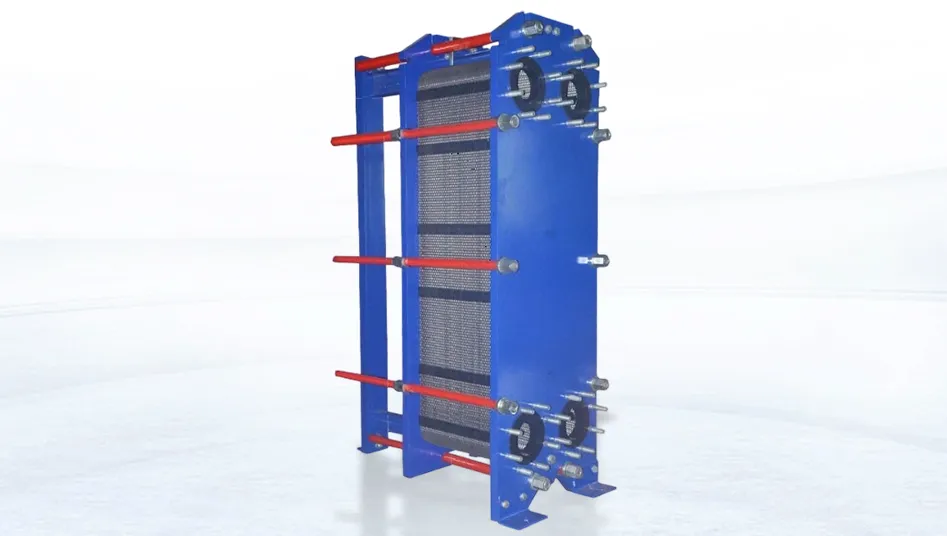
Eine individuelle Plattenwärmetauscher Ein Wärmetauschsystem funktioniert erst dann einwandfrei, wenn Pumpen, Ventile, Instrumente und Steuerungslogik optimal zusammenarbeiten. Eine reine Wärmeleistungsangabe gibt nicht an, wie das Gerät reagieren soll, wenn der Bedarf um die Hälfte sinkt.
Pumpen- und Ventilanordnung definieren
Geben Sie Fördermenge, Förderhöhe, Motorleistung und Anzahl der Pumpen an. Teilen Sie mit, ob Sie eine einzelne Pumpe, ein Zweipumpen-System (Betrieb und Reserve) oder eine Pumpe mit variabler Drehzahl benötigen. Zu den erforderlichen Ventilen gehören Absperr-, Rückschlag-, Regel-, Entleerungs-, Entlüftungs- und Sicherheitsventile. Wählen Sie die passenden Werkstoffe und Druckklassen für die Betriebsbedingungen.
Beschreiben Sie die Kontrollmethode
Geben Sie die Regelgröße an, üblicherweise die Sekundärauslasstemperatur, und deren zulässigen Bereich. Legen Sie fest, ob die Regelung über die Pumpendrehzahl, ein Zweiwegeventil oder ein Dreiwegeventil erfolgt. Ergänzen Sie die Angaben zu Sensorpositionen, Alarmen, Verriegelungen, Umschaltlogik, lokaler oder Fernsteuerung sowie gegebenenfalls erforderlichen Kommunikationsprotokollen.
Welche Standort-, Stromversorgungs- und Verbindungsdaten vervollständigen die Auswahl?
Die letzte Gruppe von Eingangsgrößen wandelt die thermische Auslegung in Geräte um, die tatsächlich in den Anlagenraum eingeführt und an die bestehenden Versorgungsleitungen angeschlossen werden können. Das klingt selbstverständlich, doch Türbreite und Wartungsfreiheit sind immer noch häufige Überraschungen in späten Projektphasen.
Raum- und Wartungszugang bestätigen
Geben Sie maximale Abmessungen, Fundamentdetails, Hebegrenzen, Zugangswege und Türbreiten an. Ein Plattenwärmetauscher mit Dichtung benötigt ausreichend Platz zum Lösen der Klemmschrauben und zum Entnehmen der Platten. Die Auslegung Ihres individuellen Plattenwärmetauschers sollte zudem den Zugang zu Pumpen, Filtern, Ventilen und dem Schaltschrank gewährleisten.
Liste der elektrischen und Rohrleitungsschnittstellen
Geben Sie Spannung, Frequenz, Phase und verfügbare Kapazität an. Für Rohrleitungen geben Sie Größen, Anschlussnormen, Druckklassen, Düsenrichtungen und bevorzugte Positionen an. Kennzeichnen Sie alle vier Prozessanschlüsse. Anschlüsse für Abfluss, Entlüftung, Instrumente, Kabel und Verankerung gehören auf dieselbe Zeichnung und nicht in eine nachträgliche E-Mail.
Prüfen Sie, ob alle Anschlüsse zur festen Rahmenplatte zeigen müssen oder ob eine mehrstufige Anordnung zulässig ist. Klären Sie dies, bevor der Rahmen und die Rohrleitungen gefertigt werden.
Schlussbetrachtung
Ein zuverlässiger kundenspezifischer Plattenwärmetauscher beginnt mit konsistenten Prozessdaten. Senden Sie die MedienGrano berücksichtigt dabei vier Temperaturen, Durchflüsse, Betriebsart, Druckverlustgrenzen, Drücke, Regelungsanforderungen, Abmessungen, Stromversorgung und Anschlüsse. Anschließend kann Grano Ihnen eine wartungsfreundliche, abgedichtete Einheit oder eine kompakte, gelötete Ausführung für die jeweiligen Betriebsbedingungen empfehlen.
Häufig gestellte Fragen
Frage 1: Kann ein Lieferant das Gerät auswählen, wenn die Wärmeleistung unbekannt ist?
A. Ja, sofern Sie verlässliche Durchflussmengen, Fluideigenschaften sowie Ein- und Austrittstemperaturen angeben. Der Lieferant kann die Wärmeleistung anhand der Wärmebilanz berechnen. Fehlende Austrittstemperaturen oder ungenaue Durchflussdaten beeinträchtigen die Zuverlässigkeit der Auswahl.
Frage 2: Wann ist ein gelöteter Wärmetauscher einem Modell mit Dichtung vorzuziehen?
A. Ein gelötetes Modell eignet sich oft für saubere, kompakte Heiz- oder Kühlanwendungen, bei denen keine interne mechanische Reinigung erforderlich ist. Wählen Sie ein gedichtetes Modell, wenn Sie eine einfachere Inspektion, Reinigung, einen Plattenwechsel oder spätere Kapazitätsänderungen benötigen.
Frage 3: Welche Mindestangaben werden benötigt, um ein Angebot für einen kundenspezifischen Plattenwärmetauscher zu erstellen?
A. Grano benötigt mindestens Angaben zu beiden Medien, vier Auslegungstemperaturen, Durchfluss- oder Wärmeleistung, zulässigem Druckverlust, Betriebs- und Auslegungsdruck sowie Anschlussgrößen. Bei Angeboten für eine komplette Anlage sind außerdem Angaben zu Pumpe, Steuerung, Elektrik und Stellfläche erforderlich.
Frage 4: Warum muss der zulässige Druckabfall für beide Kreisläufe angegeben werden?
A. Die Kreisläufe können unterschiedliche Pumpenköpfe und Rohrleitungswiderstände aufweisen. Separate Grenzwerte tragen dazu bei, die Wärmeleistung zu erbringen, ohne eine der Pumpen zu überlasten.
Frage 5: Welches Detail der Baustelle wird bei der Auswahl von Wärmetauschern am häufigsten übersehen?
A. Die Wartungsfreiheit wird häufig übersehen. Eine Anlage passt zwar auf die Stellfläche, bietet aber möglicherweise nicht genügend Platz für die Demontage der Platte oder die Wartung der Pumpe. Prüfen Sie daher vor der Fertigung die Zugangswege und die Ausrichtung der Düsen.


