



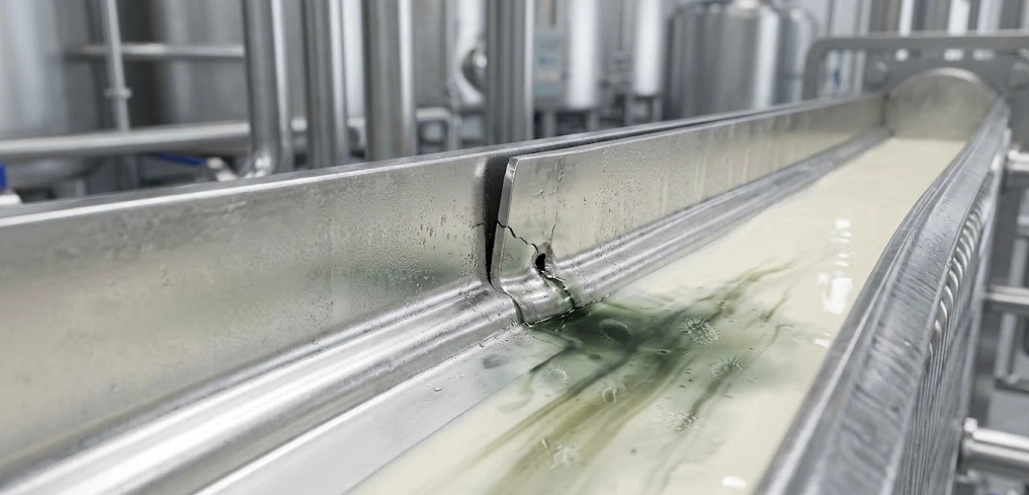
عند إدارة مصنع لتصنيع منتجات الألبان، ينصبّ اهتمامك الرئيسي على الحفاظ على نقاء منتجك بالكامل، حتى مع التعامل مع مواد تبريد قوية كالأمونيا. وفي بيئة بسترة الحليب الصعبة، يبقى خطر التلوث المتبادل عاملاً مؤثراً في قراراتك المتعلقة بالمعدات. وهذا ما يفسر... شبه ملحوم أصبحت التكنولوجيا الخيار المفضل للمهندسين الذين لا يقبلون بأي تنازل عن سلامة الغذاء. فمن خلال تقليل استخدام الحشيات الخارجية في مسارات التدفق الرئيسية، يتم بناء جدار قوي يحمي الحليب من مواد التبريد المستخدمة لتبريده.
قبل الخوض في التفاصيل، يجب أن تدرك أن إيجاد شريك يفهم الهندسة الحرارية فهماً عميقاً لا يقل أهمية عن المعدات نفسها. لقد كرست سنوات لدراسة ديناميكيات الموائع، و قمح تتميز الشركة بجودتها العالية ودقتها وموثوقيتها. منذ تأسيسها عام ٢٠١٥، لم تقتصر خدماتها على الإنتاج فحسب، بل تقدم باقة متكاملة من خدمات البحث والتطوير، والتركيب، والصيانة. يتعامل فريقها مع كل مشروع باحترافية عالية، لضمان توافق أنظمة نقل الحرارة مع المعايير وتناسبها مع ظروف مصنعك الخاصة. إذا كنت تخطط لزيادة الإنتاج أو تبحث عن خدمات صيانة محسّنة، ستجد مجموعة حلولها المتخصصة الكاملة على موقعنا الإلكتروني. خدمة صفحة.
1. التحديات الحرجة في سلامة منتجات الألبان
مخاطر التلوث الناتجة عن الحشيات التقليدية
إذا اعتمدت فقط على أنظمة الغلق القياسية، فإنك تواجه العديد من نقاط الضعف المحتملة. مع مرور الوقت، قد تتلف الغلقات المطاطية أو تتصلب أو تتلف بسبب التغيرات الحرارية المستمرة وملامستها لمواد التنظيف القاسية. في مصانع الألبان، قد تتسبب حشية واحدة مهترئة في تسرب بسيط، مما يسمح لمواد التبريد أو المياه غير الآمنة بالاختلاط مع الحليب المعالج. يؤدي هذا إلى سحب كميات كبيرة من المنتج وإلحاق ضرر بالغ بسمعة علامتك التجارية.
نمو الميكروبات في قنوات السوائل
يُعدّ تصميم معداتك عاملاً أساسياً في منع انتشار الجراثيم. قد تحتوي فتحات الألواح العادية أحياناً على "مناطق راكدة" حيث يتوقف تدفق السائل، مما يُشكّل بيئة مثالية لتكاثر البكتيريا. إذا لم تُحقق خطوات التنظيف خلطاً كافياً لتنظيف هذه المناطق، فإنك تُعرّض نفسك لخطر تراكم طبقة من الكائنات الحية الدقيقة. لذا، عليك التأكد من أن معداتك تُشجّع على الخلط القوي للحفاظ على نظافة الأسطح وخلوّها من الجراثيم بين دورات الإنتاج.
الالتزام الصارم بلوائح النظافة
ربما تدرك جيدًا متطلبات قواعد النظافة العالمية الصارمة. يتطلب الالتزام بهذه القواعد استخدام مواد لا تتأثر بالمواد الكيميائية وتتحمل درجات الحرارة العالية في عمليات التنظيف. بدءًا من ملمس الأسطح الفولاذية وصولًا إلى تركيب الأختام، يجب فحص كل عنصر بدقة للتأكد من عدم دخول أي مواد ضارة إلى خط إنتاج الألبان أثناء التصنيع.
2. المزايا التقنية للهندسة شبه الملحومة
مانع تسرب ملحوم بالليزر للوسائط الكيميائية القوية
أ شبه ملحوم تعمل هذه البنية عن طريق دمج لوحين منفصلين وربطهما بالليزر على طول فتحة الإغلاق. ينتج عن ذلك "علبة" محكمة الإغلاق تحتوي على عامل التبريد القوي على الجانب المتصل، بينما يتحرك منتج الألبان على الجانب المغلق. باستبدال مانع التسرب الميكانيكي التقليدي بوصلة ليزرية، يتم تجنب احتمالية انكسار مانع التسرب تحت ضغط عالٍ عند التعامل مع الأمونيا أو غيرها من مواد التبريد القوية.
حاجز مُعزز ضد اختلاط السوائل
تتمثل الفائدة الرئيسية لهذا النظام في وجود فاصل مادي دائم. في حالة حدوث تسرب نادر من الجانب المغلق، سيتسرب السائل إلى الهواء بدلاً من اختلاطه بالمادة الموجودة على الجانب المتصل. توفر هذه الخاصية، التي تُعرف بـ"الكشف عن التسرب"، ميزة أمان كبيرة لمصنعك، مما يسمح لك بتحديد احتياجات الصيانة قبل أن تتأثر جودة منتجك.
تقليل الحاجة إلى مواد مانعة للتسرب خارجية
بتطبيق شبه ملحوم بفضل هذا الإعداد، يمكنك تقليل العدد الإجمالي للحلقات المانعة للتسرب المرئية في نظام التبريد بنسبة 50%. يعني هذا العدد الأقل من الحلقات المانعة للتسرب عددًا أقل من الأجزاء التي قد تتلف أو تتسرب أو تحتاج إلى استبدال. ويرتبط هذا الانخفاض في طول الحلقات المانعة للتسرب ارتباطًا مباشرًا بنظام أكثر استقرارًا وموثوقية، قادر على التعامل مع فجوات ضغط أكبر دون خطر حدوث عطل مفاجئ.
| مادة الحشية | درجة حرارة التشغيل (°مئوية) | الوسائط المناسبة | خصائص المقاومة الكيميائية |
|---|---|---|---|
| مطاط النتريل (N) | من -20 إلى 135 | زيت، ماء، دهون حيوانية/نباتية |
حماية جيدة من الزيوت، مناسبة لمنتجات الألبان الأساسية
|
| مطاط EPDM (E) | من -50 إلى 180 | حمض، قلوي، ملح، ماء |
مناسب تمامًا لوكلاء التنظيف في الموقع (CIP) والبخار
|
| المطاط الفلوري (F) | من -50 إلى 250 | زيت عالي الحرارة، مواد كيميائية |
دفاع قوي ضد الأحماض والقواعد
|
| مطاط السيليكون (Q) | من -65 إلى 230 | درجة حرارة منخفضة/عالية، حرارة جافة |
عزل ممتاز ومقاومة للماء
|
3. الأداء المتميز لمعدات جرانو الصحية
كفاءة عالية مبادل حراري ذو صفائح شبه ملحومة
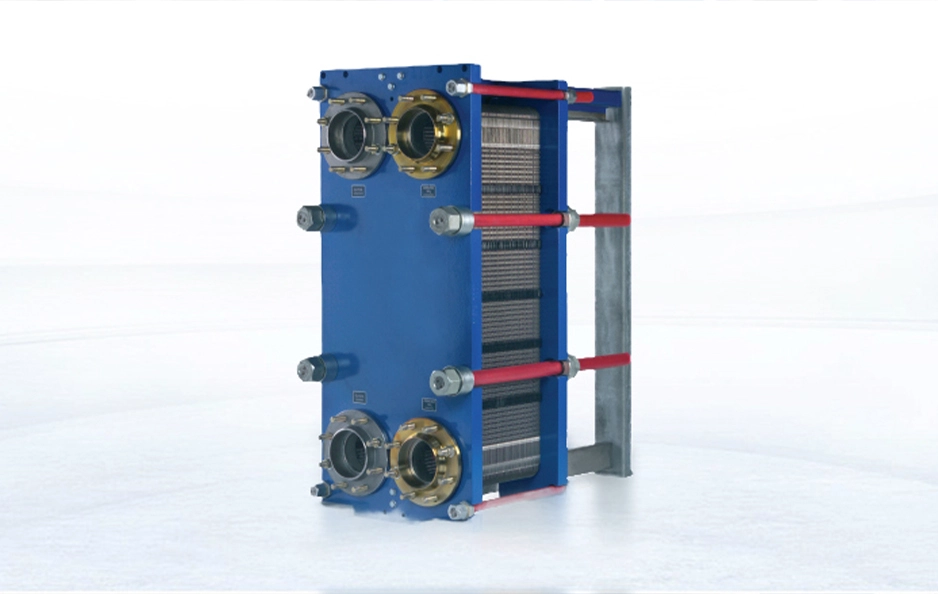
عند اختيارك وحدة شبه ملحومة من Grano، فإنك تستثمر في منتج خضع لاختبارات دقيقة للتأكد من متانته وفعالية نقل الحرارة. تهدف هذه الوحدات إلى تلبية احتياجات التبريد القوية في الوقت الحالي، مع توفير خيار آمن وصغير الحجم لخطوط العلاج. تضمن دقة اللحام بالليزر بقاء الصفائح في مكانها تمامًا حتى في أصعب ظروف العمل.
مبادل حراري مرن ذو صفائح معيارية
إذا كان مصنعك يتطلب تغييرات متكررة في حجم الإنتاج، مبادل حراري ذو صفائح يُوفر هذا النظام هيكلاً قابلاً للتعديل والتوسيع بسهولة. ما عليك سوى إضافة ألواح إضافية إلى الهيكل الحالي لزيادة مساحة تبديل الحرارة، والتي قد تصل إلى 5000 متر مربع حسب احتياجاتك. تضمن هذه المرونة توسع معداتك مع نمو شركتك، مما يوفر حلاً مستداماً يتكيف مع متطلبات السوق المتغيرة.
استخدام مواد EPDM الغذائية
في أعمال الألبان، يُعدّ استخدام مطاط EPDM الغذائي (الرمز: SE) ضروريًا. تستخدم Grano أجود أنواع المطاط لضمان بقاء الأختام محكمة وخالية من الروائح حتى عند درجات حرارة تصل إلى 150 درجة مئوية. توفر هذه الأختام حماية فائقة ضد الماء الساخن والبخار المستخدم في التنظيف، كما أن خاصية عدم الالتصاق تمنع تسرب الماء، مما يحول دون تلف الأختام.
4. استراتيجيات الصيانة لتحقيق أقصى عمر للنظام
التخليل الاحترافي لإزالة ترسبات الكالسيوم
مع مرور الوقت، قد تتراكم الترسبات الكلسية الصلبة من الكالسيوم والمغنيسيوم الموجودين في مصدر المياه على مناطق التسخين، مما يؤدي إلى هدر كبير للطاقة الحرارية وانخفاض الإنتاجية. لذا، يُنصح باتباع طريقة احترافية لإزالة الترسبات الكيميائية، تشمل الشطف والنقع في الأحماض وغسل القاعدة لإزالة هذه الترسبات. تعمل هذه الطريقة متعددة الخطوات على استعادة معدل انتقال الحرارة في الألواح، مما يضمن وصول عملية التسخين إلى درجات الحرارة المطلوبة.
اختبارات صارمة لثقب الصفائح
يجب فحص ألواحك بانتظام بحثًا عن الشقوق أو الثقوب الصغيرة التي قد تؤدي إلى اختلاط المواد. يتيح لك استخدام تقنيات الضوء أو الصبغة اكتشاف الألواح المثقوبة التي لم تعد صالحة للاستخدام الآمن. في حال ظهور أي تلف على أحد الألواح، فإن تصميم الجهاز القابل للفصل يسمح لك باستبدال الجزء المتضرر فقط، بدلاً من التخلص من الجهاز بأكمله.
إمكانية الوصول إلى خدمات صيانة الجرانيت المتخصصة
إذا شعر فريق عملك بالإرهاق، يمكنك الاعتماد على خبراء شركة غران للصيانة الكاملة في الموقع. بدءًا من توفير مرشدين يتحدثون الروسية أو غيرها من اللغات المحلية، وصولًا إلى تقديم الدعم الفني عبر الفيديو عن بُعد، يضمنون صيانة معداتك على أكمل وجه ودون أي مخاطر. كما يمكن لفريقهم تركيب الأختام مسبقًا باستخدام غراء عالي الجودة لا يضر بالبيئة قبل الإرسال، مما يُسرّع عملية تجهيز موقعك ويجعلها أكثر استقرارًا.
5. الفوائد الاقتصادية لتكنولوجيا التبادل الحراري المتقدمة
توفير الطاقة من خلال الكفاءة الحرارية العالية
ينبع معدل نقل الحرارة العالي في معداتك من بنية الصفائح المتموجة، التي تُحدث اضطرابات قوية في مسار السائل. يُمكّنك هذا من الوصول إلى حرارة المعالجة بشكل أسرع وباستخدام كميات أقل من الوقود أو البخار. من خلال تحسين مراحل التسخين، يمكنك خفض تكاليف الطاقة اليومية بشكل ملحوظ وتقليل إجمالي انبعاثات الكربون في محطتك.
بصمة أصغر لتحسين استخدام مساحة المصنع
من أبرز المزايا التي ستلاحظها سريعًا صغر حجم النظام. توفر الوحدة شبه الملحومة مساحة كبيرة لتبادل الحرارة مع شغل مساحة أرضية صغيرة جدًا مقارنةً بأنظمة الأنابيب القديمة. يُعدّ هذا التوفير في المساحة أمرًا بالغ الأهمية إذا كنت تعمل في مصنع مكتظ أو ترغب في إضافة خطوط إنتاج جديدة دون توسيع هيكل المصنع.
انخفاض تكاليف التشغيل على مدى عمر المعدات
على الرغم من أهمية التكلفة الأولية للمعدات الجيدة، إلا أن المكاسب الحقيقية تنبع من تقليل وقت التوقف والصيانة. تهدف مكونات Grano إلى أن تكون بدائل دقيقة لكبرى الشركات المصنعة العالمية، حيث تحل محل الأجزاء الأصلية المستوردة بكفاءة عالية مع أوقات إرسال أسرع. بفضل المعدات الثابتة والموثوقة وسلسلة التوريد السريعة للأجزاء الإضافية، تقل احتمالية توقفات الإنتاج المكلفة.
6. الشراكة مع شركة Grano لحلول التدفئة والتبريد العالمية
منذ عام 2015، قمح لقد تصدرت هذه الشركة مجال تقنيات التدفئة، مقدمةً حلولاً بديلة ممتازة تتجاوز المعايير المعتادة. ولا تقتصر خبرتها على السوق المحلي، بل وصلت إلى أمريكا الشمالية والجنوبية وأوروبا والشرق الأوسط، حيث قدمت حلولاً ناجحة لمشاكل التدفئة. بالتعاون معهم، أنت لا تشتري مجرد جهاز، بل تضمن شريكاً يلتزم التزاماً كاملاً بنظام مراقبة الجودة ISO9001:2015.
تخضع كل قطعة يقدمونها لفحوصات دقيقة للتأكد من متانتها وثباتها في ظروف التشغيل الفعلية. سواء كنت بحاجة إلى علبة ألومنيوم خاصة لشحن ألواح التيتانيوم باهظة الثمن أو قالب قطع دائم للمشتريات الكبيرة، فإن فريقهم قادر على ثني وتشكيل القطع وفقًا لاحتياجاتك. اختيار انضم شبه ملحوم من خلال الهياكل، يمكنك اختيار مسار لإنتاج ألبان آمن وفعال وموفر للمال.
التعليمات
س: ما هي الفوائد الرئيسية للوحدات شبه الملحومة مقارنة بالوحدات ذات الحشيات الكاملة؟
ج: ستحصل على نظام أكثر أمانًا عند التعامل مع مواد قوية مثل الأمونيا. من خلال وصل الصفائح بالليزر، يتم تقليل 50% من موانع التسرب على جانب الدعم، مما يقلل بشكل كبير من احتمالية التسرب ويسمح بتحمل ضغط أكبر في خطوط معالجة الألبان.
س: هل يمكنني استخدام قطع غيار Grano لصيانة معداتي الدولية الحالية؟
ج: نعم. تركز شركة Grano على توفير ألواح وأختام دقيقة تتناسب مع تفاصيل العديد من العلامات التجارية العالمية الكبرى. وهذا يتيح لك الحصول على بدائل ممتازة مع فترات تسليم أسرع وتكلفة أقل.
س: كيف أعرف أي مادة حشية مناسبة لعملية إنتاج الألبان الخاصة بي؟
ج: بالنسبة لمهام الماء والبخار الاعتيادية، يُعدّ مطاط EPDM الغذائي مناسبًا تمامًا لأنه يتحمل درجات حرارة تصل إلى 150 درجة مئوية ومواد التنظيف القياسية. أما إذا كانت منتجات الألبان لديك تحتوي على كميات كبيرة من الدهون الحيوانية أو النباتية، فقد تحتاج إلى مطاط نتريل خاص يقاوم التلف الناتج عن ملامسة الزيت.


