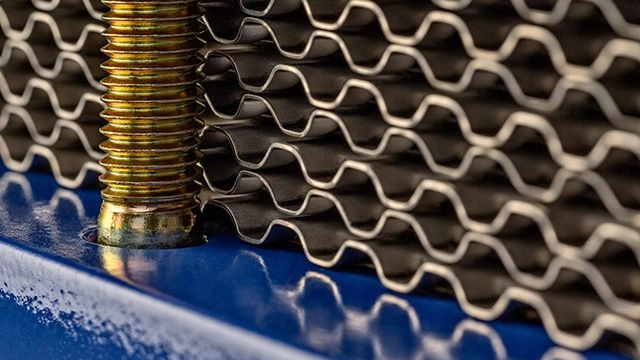

ایک پلیٹ ایوپوریٹر اور نلی نما بخارات ایک ہی وسیع کام کو انجام دے سکتے ہیں، لیکن وہ سیال کی خصوصیات، تھرمل بوجھ، تنصیب کی جگہ، اور دیکھ بھال تک رسائی کو مختلف طریقے سے سنبھالتے ہیں۔ کوئی بھی ڈیزائن عالمی طور پر بہتر نہیں ہے۔ آپ کی پسند کو تصدیق شدہ عمل کی شرائط اور انجینئرنگ، آپریشنز، مینٹیننس، اور پروکیورمنٹ ٹیموں کی عملی ضروریات پر عمل کرنا چاہیے۔ اناج پلیٹ پر مبنی اور نلی نما انتظامات کے لیے صنعتی حرارت کی منتقلی کا سامان فراہم کرتا ہے۔ ذیل کا موازنہ ان کی تعمیر کی وضاحت کرتا ہے اور کسی بھی ٹکنالوجی کے لئے ضمانت شدہ نتیجہ کو مانے بغیر ایک عملی انتخاب کا فریم ورک پیش کرتا ہے۔
پلیٹ اور نلی نما بخارات کے ڈیزائن کیسے مختلف ہیں؟
بنیادی ساختی فرق گرمی کی منتقلی کی سطح کی شکل اور ترتیب ہے۔ یہ اس بات پر اثر انداز ہوتا ہے کہ آلات کے ذریعے سیال کیسے منتقل ہوتے ہیں، بخارات کیسے بنتے ہیں، اور تکنیکی ماہرین اندرونی سطحوں تک کیسے پہنچتے ہیں۔
پلیٹ ایواپوریٹر کو کیسے ترتیب دیا جاتا ہے؟
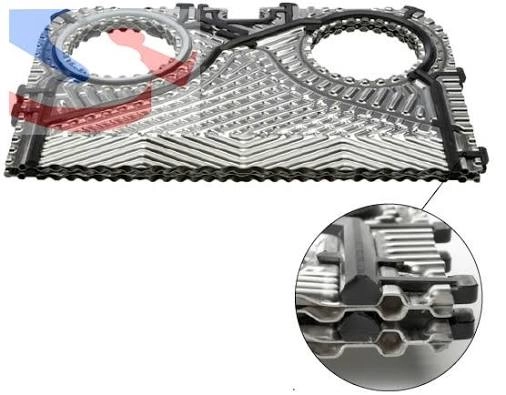
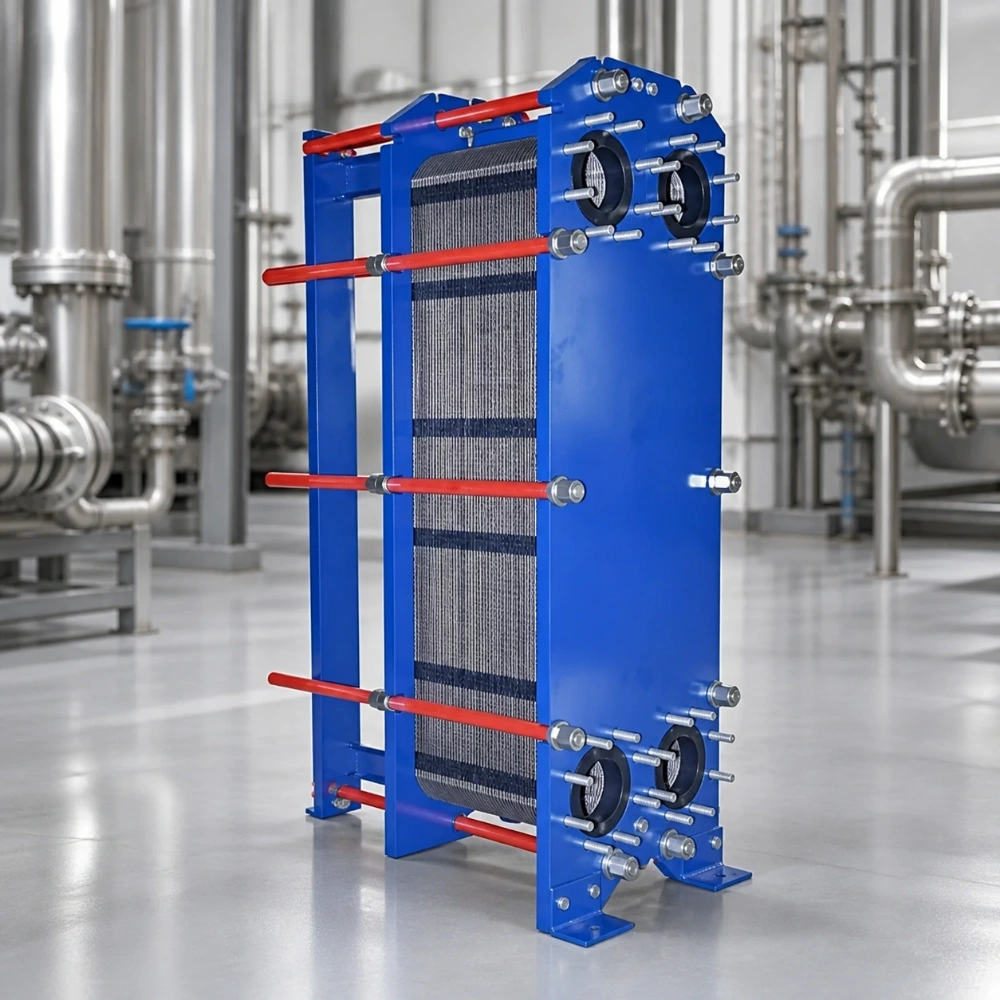
ایک پلیٹ ایوپوریٹر گرمی کو پلیٹ پیک کے ذریعے منتقل کرتا ہے، جس میں سیال ملحقہ پلیٹوں کے درمیان چینلز کے ذریعے تقسیم ہوتے ہیں۔ دی پلیٹ ہیٹ ایکسچینجر چار کونے کی بندرگاہوں کے ساتھ نالیدار دھاتی پلیٹوں کا استعمال کرتا ہے۔ پیک کو فکسڈ اور موو ایبل کلیمپنگ پلیٹوں کے درمیان رکھا جاتا ہے، جبکہ اوپری اور نچلی گائیڈ سلاخیں سیدھ کو سپورٹ کرتی ہیں۔
سنگل پاس کے انتظامات عام طور پر پائپ لائن کنکشن کو فکسڈ سائیڈ پر رکھتے ہیں۔ ملٹی پاس کنفیگریشنز بہاؤ کو اضافی حصوں میں تقسیم کر سکتی ہیں جب تھرمل اور ہائیڈرولک ڈیزائن ان کا مطالبہ کرتا ہے۔
نلی نما بخارات کا اہتمام کیسے کیا جاتا ہے؟
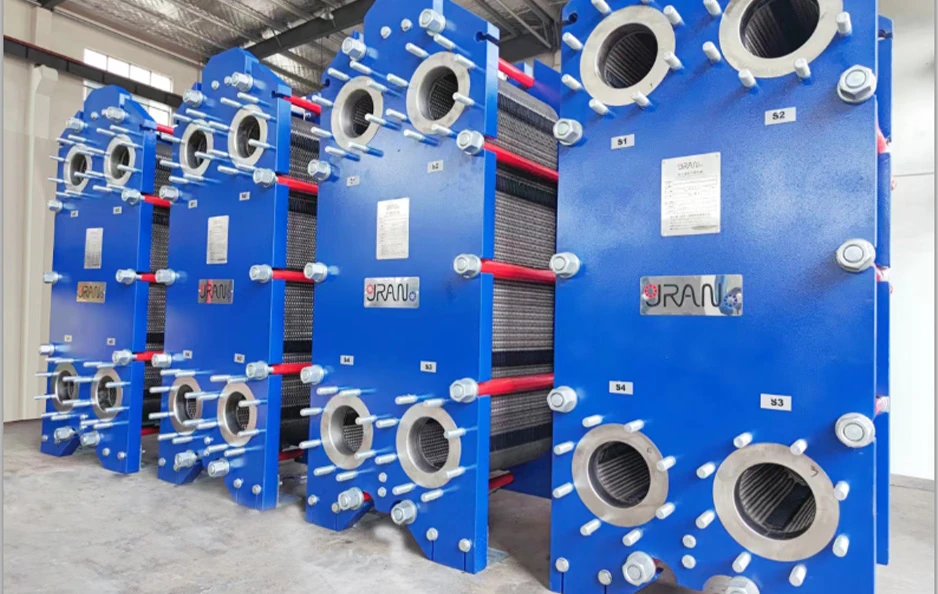
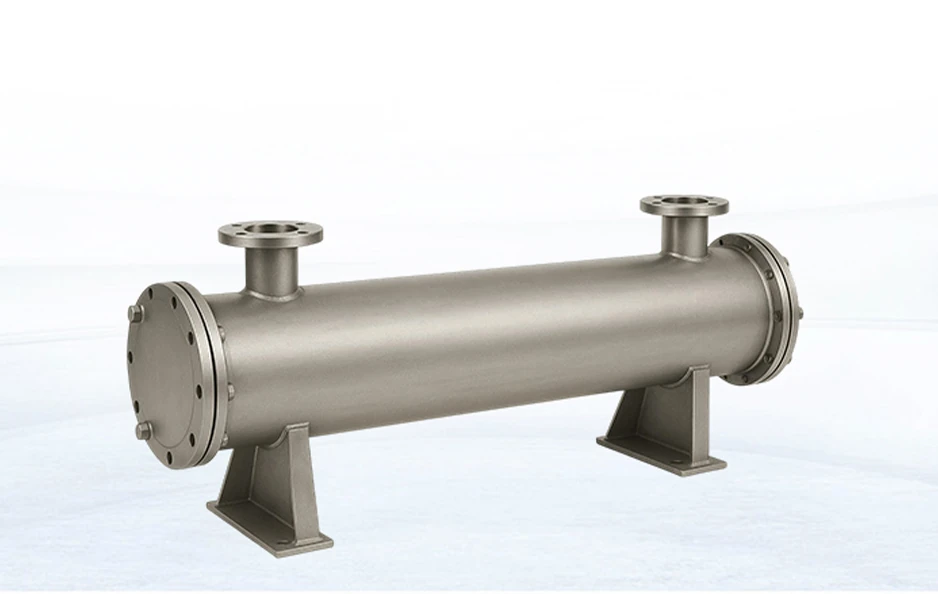
ایک نلی نما ترتیب میں، ایک سیال ٹیوب کی طرف کے راستے کی پیروی کرتا ہے جبکہ دوسرا اسمبلی کے ارد گرد کی طرف قبضہ کرتا ہے۔ دی شیل اور ٹیوب ہیٹ ایکسچینجر اس عمومی صنعتی حرارت کی منتقلی کے تصور کی نمائندگی کرتا ہے۔
ہر پراجیکٹ کے لیے ٹیوب جیومیٹری، مواد، مشترکہ تعمیر، دباؤ کی حد، اور بخارات کی صلاحیت کا تعین ہونا چاہیے۔ عام سامان کی تفصیل پر انحصار کرنے کی بجائے ڈرائنگ اور حساب کتاب طلب کریں جو آپ کے سیالوں، ڈیوٹی، آپریٹنگ پریشر اور بخارات کے حالات سے مماثل ہوں۔
حرارت کی منتقلی کی سطح کیوں اہم ہے؟
سطح کی جیومیٹری سیال کی تقسیم، رفتار، دباؤ میں کمی، خرابی کے رویے، اور دیکھ بھال تک رسائی کو متاثر کرتی ہے۔ نالیدار پلیٹیں ایک کمپیکٹ، ماڈیولر سطح پر سیال کی نقل و حرکت کو فروغ دیتی ہیں، لیکن اصل نتائج کا انحصار چینل کے انتخاب اور آپریٹنگ حالات پر ہوتا ہے۔
براہ راست پلیٹ بمقابلہ ٹیوب کی کارکردگی کے دعوے معنی خیز ہیں جب دونوں تجاویز کو مساوی فرائض، سیال خصوصیات، اور قابل قبول دباؤ کے نقصانات کے لیے شمار کیا جائے۔
خریداروں کو کارکردگی کے کن عوامل کا موازنہ کرنا چاہئے؟
کارکردگی کی جانچ کو پورے عمل کا احاطہ کرنا چاہیے، نہ کہ صرف برائے نام ہیٹ ٹرانسفر ایریا۔ ایک کمپیکٹ ڈیزائن پرکشش ہو سکتا ہے، لیکن اسے اب بھی مناسب ہائیڈرولک رویے، مستحکم کنٹرول، اور مناسب دیکھ بھال کی منظوری کی ضرورت ہے۔
حرارت کی منتقلی کی کارکردگی کا جائزہ کیسے لیا جانا چاہیے؟
مطلوبہ وانپیکرن ڈیوٹی، فیڈ کنڈیشنز، ٹارگٹ آؤٹ لیٹ کنڈیشنز، فیز چینج رویے، درجہ حرارت کے نقطہ نظر، اور قابل استعمال ہیٹ ٹرانسفر ایریا سے شروع کریں۔ نالیدار پلیٹیں اور ہنگامہ خیز بہاؤ پلیٹ کے سامان میں موثر حرارت کی منتقلی کی حمایت کر سکتے ہیں۔
تاہم، آپ کو یہ نہیں سمجھنا چاہیے کہ ایک پلیٹ ایوپوریٹر کا ہمیشہ تھرمل فائدہ ہوتا ہے۔ مماثل آپریٹنگ حالات کی بنیاد پر حسابات کی درخواست کریں اور پوچھیں کہ کون سے ان پٹ مفروضے، کیلکولیٹڈ ویلیوز، یا گارنٹی شدہ اقدار ہیں۔
پریشر ڈراپ اور فلو ڈسٹری بیوشن آپریشن کو کیسے متاثر کرتا ہے؟
تھرمل ڈیوٹی اور پمپنگ ڈیمانڈ کے ساتھ ساتھ قابل اجازت دباؤ کے نقصان پر غور کیا جانا چاہیے۔ چینل یا ٹیوب جیومیٹری، سیال کی رفتار، بخارات کی پیداوار، اور حرارتی سطح پر تقسیم کا جائزہ لیں۔
ایک چھوٹی اکائی خود بخود موزوں نہیں ہوتی اگر اس کے بہاؤ کا راستہ ضرورت سے زیادہ مزاحمت، غیر مستحکم تقسیم، یا بخارات کا غیر موزوں رویہ پیدا کرتا ہے۔ تجویز میں اصل سیال کے لیے تھرمل اور ہائیڈرولک حساب شامل ہونا چاہیے۔
فوٹ پرنٹ اور کنفیگریشن لچک کیسے مختلف ہے؟
پلیٹ کا سامان کمپیکٹ تعمیرات اور پلیٹ پیک کے لچکدار انتظامات پیش کرتا ہے۔ اس کے باوجود سامان کے نشانات تنصیب کا صرف ایک حصہ ہے۔ آپ کے لے آؤٹ میں پائپنگ، کنکشن، معائنہ تک رسائی، افتتاحی کلیئرنس، اٹھانے کی ضروریات، اور مستقبل کی دیکھ بھال بھی شامل ہونی چاہیے۔
منصفانہ موازنہ کے لیے، دونوں ڈیزائنوں کے لیے عمومی ترتیب والی ڈرائنگ حاصل کریں۔ ہر یونٹ کو محفوظ طریقے سے سروس کرنے کے لیے درکار جگہ کو شامل کیے بغیر طول و عرض کا موازنہ نہ کریں۔
جب آپریٹنگ لوڈز تبدیل ہوتے ہیں تو کیا ہوتا ہے؟
ٹرن ڈاؤن، سٹارٹ اپ، شٹ ڈاؤن، بہاؤ کی تبدیلی، اور داخلی درجہ حرارت میں تبدیلی بخارات کی کارکردگی کو تبدیل کر سکتی ہے۔ کنٹرول کے ردعمل کا انحصار والوز، سینسر، گردش، بخارات سے نمٹنے اور حرارت کی منتقلی کی سطح پر بھی ہے۔
پلیٹ کا سامان حساس درجہ حرارت کو کنٹرول فراہم کر سکتا ہے، لیکن اسے ہر عمل کے لیے یقینی نتیجہ کے طور پر نہیں سمجھا جانا چاہیے۔ کنفیگریشن کو منتخب کرنے سے پہلے متوقع بوجھ کی حدود اور کنٹرول کی ضروریات کا جائزہ لیں۔
سیال اور آپریٹنگ حالات انتخاب کو کیسے متاثر کرتے ہیں؟
آپ کا سیال بنیادی سامان کی شکل سے زیادہ اہم ہوسکتا ہے۔ جسمانی خصوصیات اور مصنوعات کے رویے سے گرمی کی منتقلی، دباؤ میں کمی، رہائش کا وقت، فاؤلنگ کا خطرہ، اور صفائی کی فریکوئنسی بدل سکتی ہے۔
سب سے پہلے کون سی سیال خصوصیات کا جائزہ لیا جانا چاہئے؟
اصل آپریٹنگ درجہ حرارت پر viscosity، ٹھوس مواد، crystallization رجحان، corrosiveness، fouling پوٹینشل، اور رہائش کے وقت کی حساسیت فراہم کریں۔ یہ عوامل چینل کے انتخاب، ٹیوب کے طول و عرض، مواد کی مطابقت، اور صفائی کے منصوبوں کو متاثر کرتے ہیں۔
ایپلیکیشن کی مخصوص تشخیص کے بغیر کسی بھی ڈیزائن کو وسیع سیال زمرے میں تفویض کرنے سے گریز کریں۔ مکمل کمپوزیشن اور فزیکل پراپرٹی ڈیٹا زیادہ قابل اعتماد پلیٹ ایوپوریٹر یا ٹیوبلر تجویز کی حمایت کرتے ہیں۔
فاؤلنگ اور پروڈکٹ کی تعمیر فیصلے کو کیسے بدلتی ہے؟
ذخائر گرمی کی منتقلی کو کم کر سکتے ہیں، بہاؤ کو محدود کر سکتے ہیں، دباؤ میں کمی کو بڑھا سکتے ہیں، اور صفائی کے وقفوں کو کم کر سکتے ہیں۔ آپ کو یہ پیشین گوئی کرنے کی ضرورت ہے کہ کہاں تعمیر ہونے کا امکان ہے اور آیا تکنیکی ماہرین اس سطح کا معائنہ یا صفائی کر سکتے ہیں۔
نہ تو پلیٹ چینلز اور نہ ہی نلی نما حصئوں کو خود بخود فاؤلنگ کا کم خطرہ قرار دیا جانا چاہیے۔ آپریٹنگ ہسٹری، صفائی کے طریقہ کار، لیبارٹری کے نتائج، یا تقابلی حالات میں اسی سیال کے ساتھ تجربے کا جائزہ لیں۔
کون سی آپریٹنگ حدود کی تصدیق ہونی چاہیے؟
ڈیزائن کے دباؤ، ڈیزائن کا درجہ حرارت، ویکیوم حالات، تھرمل سائیکلنگ، قابل اجازت پریشر ڈراپ، اور صفائی کیمیکلز کے ساتھ مطابقت کی تصدیق کریں۔ عام آپریشن اور قابل اعتماد پریشان کن حالات دونوں آلات کی تفصیلات میں ہیں۔
کسی بھی مجوزہ آپریٹنگ حد، ٹیسٹ، یا سرٹیفیکیشن کے لیے واضح حسابات، مواد کے ریکارڈ، قابل اطلاق کوڈ کے تقاضے، اور قابل شناخت معاونت کی ضرورت ہے۔
درخواست کی ترجیحات کی درجہ بندی کیسے کی جانی چاہئے؟
درجہ بندی تھرمل ڈیوٹی، سیال رویے، دستیاب جگہ، برقرار رکھنے، آپریٹنگ استحکام، اور سرمائے کی رکاوٹوں کو۔ انجینئرنگ عمل کی کارکردگی پر زور دے سکتی ہے، جبکہ دیکھ بھال کی ٹیمیں رسائی اور صفائی پر توجہ مرکوز کرتی ہیں۔ خریداری میں دستاویزات اور متبادل کی ضروریات پر بھی غور کرنا چاہیے۔
صحیح ڈیزائن وہ ہے جو مکمل عمل سے مماثل ہو، نہ کہ سب سے مضبوط الگ تھلگ خصوصیت والا۔
دیکھ بھال اور حصولی ٹیموں کو کس چیز کی تصدیق کرنی چاہئے؟
خریداری سے پہلے بحالی کی منصوبہ بندی شروع کردی جانی چاہئے۔ رسائی، صفائی کے طریقے، پہننے کے پوائنٹس، متبادل پرزے، اور ڈاؤن ٹائم دونوں میں سے کسی بھی انتظام کی طویل مدتی مناسبیت کو مادی طور پر متاثر کر سکتے ہیں۔
حرارت کی منتقلی کی سطح کا معائنہ اور صفائی کیسے کی جائے گی؟
گاسکیٹڈ پلیٹ کی تعمیر یونٹ کو پلیٹ کے معائنہ یا صفائی کے لیے کھولنے کی اجازت دیتی ہے۔ خریداروں کو اب بھی وضاحت کرنی چاہیے کہ آیا مکینیکل صفائی، کیمیائی صفائی، یا دونوں کی ضرورت ہو سکتی ہے۔
ہر بولی لگانے والے سے رسائی کی ضروریات، صفائی کی فریکوئنسی مفروضوں، ہم آہنگ صفائی کیمیکلز، اور ان حالات کو بیان کرنے کے لیے کہے جن کے لیے جدا کرنے کی ضرورت ہوگی۔ مجوزہ تعمیر کے لیے نلی نما صفائی کے طریقے بھی بتائے جائیں۔
کون سے پہننے اور سالمیت کے خطرات پر توجہ دینے کی ضرورت ہے؟
پلیٹ کے سامان کے لیے، معائنہ پوائنٹس میں پلیٹ کی حالت، گسکیٹ کی حالت، سیدھ، کلیمپنگ، اور سیل کرنے والی سطحیں شامل ہیں۔ ٹیوبلر آلات کے لیے، ٹیوب اور مشترکہ سالمیت کے لیے متعین چیک کی درخواست کریں۔
آپریٹنگ کیمسٹری، بار بار تھرمل سائیکلنگ، صفائی کے طریقے، اور تنصیب کا معیار دیکھ بھال کی طلب کو متاثر کر سکتا ہے۔ اس لیے معائنہ کے وقفوں کو منتخب آلات اور سروس کی شرائط پر عمل کرنا چاہیے۔
تکنیکی کوٹیشن میں کیا ہونا چاہیے؟
ایک تکنیکی کوٹیشن میں بخارات کی ڈیوٹی، ڈیزائن کے مفروضے، سیال ڈیٹا، پریشر ڈراپ الاؤنس، تعمیراتی تفصیلات، مجوزہ مواد، کنکشنز، اور دیکھ بھال کی منظوری کی شناخت ہونی چاہیے۔ اسے گارنٹیوں اور گاہک کی تصدیق شدہ ان پٹس سے حسابی قدروں میں فرق کرنا چاہیے۔
پیکیجنگ اور ٹرانسپورٹ بھی صنعتی آلات کے لیے توجہ کے مستحق ہیں۔ متعلقہ منصوبہ بندی میں شامل ہوسکتا ہے۔ مصنوعات کی پیکیجنگ سروس اور لاجسٹک کی ضروریات۔
لائف سائیکل لاگت کا اندازہ کیسے لگایا جانا چاہئے؟
تنصیب کی جگہ، پائپنگ، پمپنگ کی طلب، صفائی کی مزدوری، استعمال کی اشیاء، ڈاؤن ٹائم، اور متبادل حصوں کے ساتھ خریداری کی لاگت کا موازنہ کریں۔ ایک شہ سرخی کے اعداد و شمار کو استعمال کرنے کے بجائے کئی حقیقت پسندانہ آپریٹنگ اور دیکھ بھال کے منظرناموں کا نمونہ بنائیں۔
بالآخر، پلیٹ ایوپوریٹر کی مناسبیت کا انحصار تصدیق شدہ عمل کے ڈیٹا، ہائیڈرولک حسابات، سیال رویے، اور دیکھ بھال کی ترجیحات پر ہوتا ہے۔
گرانو کے ساتھ اپنے ایواپوریٹر کی ضروریات پر تبادلہ خیال کریں۔
ایک نتیجہ خیز تکنیکی بحث مکمل اور مسلسل عمل کی معلومات کے ساتھ شروع ہوتی ہے۔ ابتدائی تیاری غیر واضح مفروضوں سے پیدا ہونے والے حصولی کے خطرے کو بھی کم کرتی ہے۔
رابطہ کرنے سے پہلے اپنے عمل کا ڈیٹا تیار کریں۔
سیال کی ساخت، بہاؤ کی شرح، داخل اور آؤٹ لیٹ کے حالات، مطلوبہ بخارات کی ڈیوٹی، آپریٹنگ پریشر، قابل اجازت پریشر ڈراپ، فاؤلنگ خدشات، صفائی کا طریقہ، اور تنصیب کی رکاوٹیں جمع کریں۔ جہاں متعلقہ ہو لوڈ کی متوقع تبدیلیاں اور پریشان کن حالات شامل کریں۔
پلیٹ ایواپوریٹر یا نلی نما متبادل کے بارے میں گرانو سے رابطہ کریں۔
اس بات پر بحث کرنے کے لیے کہ آیا آپ کی درخواست کے لیے پلیٹ پر مبنی یا نلی نما نقطہ نظر کا جائزہ لیا جانا چاہیے، اپنے عمل کی ضروریات کے بارے میں گرانو سے رابطہ کریں۔. اپنے دستیاب عمل کے اعداد و شمار کا اشتراک کریں تاکہ گفتگو انتخاب کے معیار، آپریٹنگ حالات، اور تکنیکی معلومات پر توجہ مرکوز کر سکے جس کے لیے ابھی بھی تصدیق کی ضرورت ہے۔
اکثر پوچھے گئے سوالات
کیا پلیٹ ایواپوریٹر ہمیشہ نلی نما بخارات سے زیادہ موثر ہوتا ہے؟
نہیں. کارکردگی کا انحصار بخارات کی ڈیوٹی، درجہ حرارت کے نقطہ نظر، سیال کی خصوصیات، حرارت کی منتقلی کے علاقے، بہاؤ کی تقسیم، دباؤ میں کمی، فاؤلنگ، اور آپریٹنگ بوجھ پر ہوتا ہے۔ اسی عمل کی شرائط کے لیے تیار کردہ تصدیق شدہ حسابات کا موازنہ کریں۔
کون سا ڈیزائن فولنگ یا ٹھوس کے ساتھ سیالوں کے لیے زیادہ موزوں ہے؟
کوئی آفاقی جواب نہیں ہے۔ ٹھوس سائز، ارتکاز، جمع رویہ، viscosity، گزرنے کی جیومیٹری، رفتار، اور صفائی تک رسائی سبھی مناسبیت کو متاثر کرتے ہیں۔ موازنہ سیال کے ساتھ جانچ یا دستاویزی آپریٹنگ تجربہ فیصلے کو مضبوط بنا سکتا ہے۔
ایواپوریٹر کو منتخب کرنے سے پہلے کس پراسیس ڈیٹا کی ضرورت ہے؟
آپ کو سیال کی ساخت، جسمانی خصوصیات، بہاؤ کی شرح، اندر جانے اور آؤٹ لیٹ کے حالات، بخارات کی ڈیوٹی، آپریٹنگ پریشر، قابل اجازت پریشر ڈراپ، لوڈ رینج، گندگی کا رجحان، صفائی کی ضروریات، اور تنصیب کی رکاوٹیں فراہم کرنی چاہئیں۔