



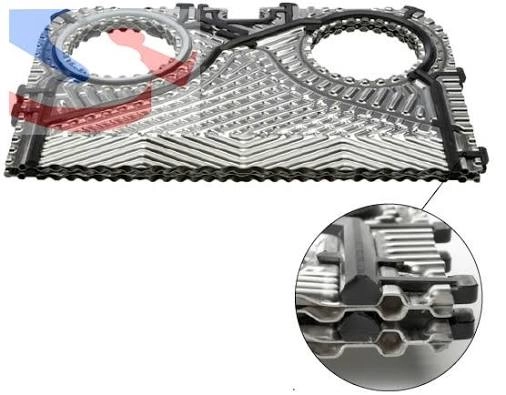
Утечка в контуре печи редко начинается с серьезной поломки. Чаще всего пластинчатый теплообменник начинает работать с образованием влаги по краям, появляется слабый запах теплоносителя или показания давления требуют корректировки после каждой смены. Этот небольшой признак может перерасти в утечку теплоносителя, нестабильную температуру на выходе, смешивание жидкостей или аварийное отключение.
Зерно Имеет опыт работы в области проектирования, производства, консультирования, поставок OEM-продукции, комплектующих и т.д. теплообменников. услуга С 2015 года. Ассортимент включает в себя герметичные, полусварные, паяные и полностью сварные узлы, а также пластины, прокладки, болты, услуги по очистке и техническую поддержку. Для контура печи этот ассортимент предоставляет вам реальный выбор: надежный герметичный узел для умеренных нагрузок или сварную конструкцию, когда важны температура, циклические изменения давления и риск утечек.
Основной ответ очевиден. Полностью сварной блок обеспечивает лучшую защиту от протечек, связанных с прокладками. Блок с прокладками может быть предпочтительнее, если загрязнение сильное, ожидается регулярное открытие или вероятны будущие изменения производительности.
Почему в печных контурах образуются утечки?
Термоциклирование
Нагревание и охлаждение приводят к расширению и сжатию металла. В герметичном соединении эластомер также стареет и подвергается остаточной деформации при сжатии. После потери упругости пластинчатый пакет может перестать обеспечивать равномерное уплотнение.
Неравномерное сжатие
Прокладка может сместиться, если болты крепления затянуты неравномерно или если пакет сжат до неправильной длины. Закрытие клапанов, засорение каналов и запуск насоса могут вызывать кратковременные скачки давления.
Коррозия и повреждение пластин
Некачественная водоподготовка может привести к образованию накипи и увеличению перепада давления. Коррозионно-активный конденсат или неправильный сплав могут вызвать образование точечных повреждений или перфорацию. В технических материалах компании Grano среди распространенных причин утечек указаны изношенные прокладки, неравномерная затяжка болтов, деформация пластин, трещины и проникновение коррозии.
Как каждый пластинчатый теплообменник обеспечивает герметизацию контура?
В обеих конструкциях используются гофрированные пластины, но методы герметизации создают разные пути утечки и требуют различного обслуживания.
Герметичная конструкция
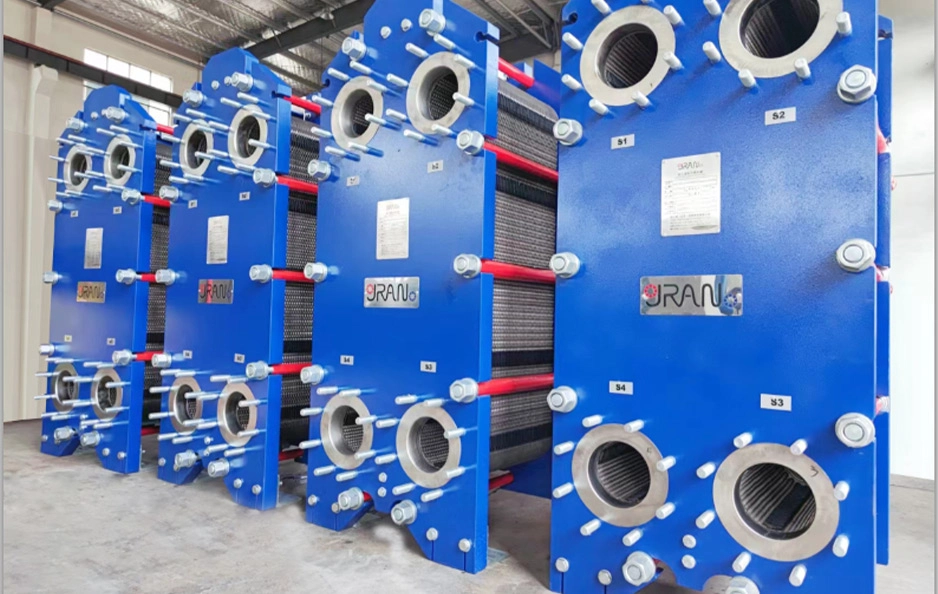
Грано Пластинчатый теплообменник В конструкции используются гофрированные пластины, прокладки, пластины рамы, направляющие стержни и зажимные болты. Прокладки разделяют две жидкости. Вы можете открутить болты, открыть упаковку, очистить отложения и заменить отдельные детали, не снимая все подключенные трубопроводы.
Полностью сварная конструкция
Грано Полностью сварной пластинчатый теплообменник Удаляет межпластинчатые прокладки и герметизирует каналы сваркой. Опубликованные данные указывают на предельные значения температуры до 300°C и давления до 40 бар. Конструкция обеспечивает полностью противоточный поток и выпускается в несъемном, односторонне-съемном и двухсторонне-съемном вариантах.
| Точка выбора | Конструкция с прокладкой | Полностью сварная конструкция |
|---|---|---|
| Межпластинчатое уплотнение | Эластомерные прокладки | Сварные каналы |
| Опубликованный предельный показатель сварных узлов | Непригодный | До 300°C и 40 бар |
| Обычный доступ | Упаковка открывается путем откручивания болтов. | Зависит от конфигурации |
| Главная проблема | возраст прокладки, посадка, компрессия | Состояние сварных швов, листового металла и коррозии. |
| Изменения мощности | Пластины можно добавлять или удалять. | Менее гибкий после изготовления |
Оставшиеся пути утечки
Сварка удаляет длинный периметр прокладки, но треснувшая пластина, некачественный сварной шов, неправильный сплав или сильная коррозия все равно могут привести к поломке. «Без протечек» звучит аккуратно на совещании, но это не является расчетом при проектировании.
Какая конструкция лучше предотвращает утечки в контуре печи?
Для работы в условиях высоких температур и циклической нагрузки полностью сварной вариант обычно имеет преимущество. Отсутствие эластомера между пластинами означает отсутствие затвердевания, набухания, усадки или разрыва прокладки между пластинами.
Работа при высоких температурах
Выбирайте вариант со сваркой, если в вашем контуре высокая температура рабочей жидкости, частые запуски или резкие изменения нагрузки. Он подходит для контуров с чистым термомаслом, горячей технологической водой и рекуперацией тепла, где вскрытие устройства встречается редко.
Совместимость прокладок
Конструкция с прокладкой хорошо работает, когда уплотнение соответствует типу жидкости. Приведенные диапазоны значений взяты из технических материалов, предоставленных компанией Grano. Они не являются автоматическими показателями производительности оборудования; давление, концентрация, время воздействия и точный класс жидкости по-прежнему имеют значение.
| Материал прокладки | Референтный диапазон | Типичное направление |
|---|---|---|
| Нитриловая резина | от -20°C до 135°C | Общий налог, связанный с нефтью |
| Резина EPDM | от -50°C до 180°C | Вода и отдельные химические вещества |
| Фторкаучук | от -50°C до 250°C | Тепло, масло, кислоты и щелочи |
| неопрен | от -20°C до 150°C | Общие маслостойкие условия эксплуатации |
| силиконовая резина | от -65°C до 230°C | Низкая температура и сухое тепло |
Практический вывод
Полностью сварной теплообменник — лучший вариант, если утечка приведет к остановке производства, а рабочая жидкость достаточно чистая. Пластинчатый теплообменник с прокладками лучше всего подходит, когда требуется частая механическая очистка, быстрая замена пластин или ожидается дальнейшее расширение. Обратите внимание, что температура в камере печи НЕ совпадает с температурой на входе в теплообменник. Сообщайте фактическую температуру рабочей жидкости.
В каких случаях конструкция с прокладками всё же предпочтительнее?
Сварной узел, который нельзя очистить для обслуживания, всё равно может оказаться неудачной покупкой.
Сильное загрязнение
Для удаления загрязненной или образующей накипь жидкости может потребоваться прямой доступ к пластине. Герметичный комплект позволяет удалить отложения и заменить только поврежденные детали.
Гибкий режим работы при высоких температурах
Количество листового металла может меняться по мере увеличения объемов производства или изменения целевых показателей сбыта. Это помогает в поэтапном реализации проектов по строительству печей, особенно когда первоначальная оценка тепловой нагрузки была, мягко говоря, несколько завышенной.
Контролируемое техническое обслуживание
Для надежной работы необходимы чистые канавки прокладки, правильный порядок пластин, равномерная затяжка болтов и зафиксированная длина сжатия. Процедура Grano также предусматривает промывку трубопровода перед запуском и 30-минутную выдержку давления после сборки без падения давления перед повторным подключением.
Что вам следует сделать? Уточните перед покупкой.?
Одной лишь площади теплопередачи недостаточно. Необходимо учитывать как нормальные, так и аварийные условия.
Температура, давление и поток
Укажите температуру на входе, целевые значения на выходе, расход, рабочее и расчетное давление, допустимое падение давления и частоту пусков и остановок.
Данные о жидкостях и загрязнениях
Укажите название жидкости, концентрацию, pH, содержание хлоридов, твердых веществ, вязкость, содержание масла и чистящие средства.
Требования к сайту
Укажите размеры форсунок, габариты установки, пространство для технического обслуживания, интервалы простоя и планы дальнейшего расширения.
Почему стоит выбрать Grano для системы отопления?
Зерно Можно сравнить обе конструкции, вместо того чтобы навязывать один ответ. Для контуров с умеренными температурами, требующих регулярного доступа, модель с прокладками обеспечивает компактную передачу тепла, регулируемое количество пластин, низкие потери давления и прямое обслуживание. Для более горячих контуров полностью сварная модель исключает старение прокладок в пакете пластин и соответствует заявленным пределам до 300°C и 40 бар.
Отправьте названия жидкостей.Данные о расходе, температуре, давлении, риске загрязнения и плане очистки. Правильно подобранный пластинчатый теплообменник обеспечивает стабильность контура вашей печи, не превращая каждое отключение в ремонтные работы.
Часто задаваемые вопросы
В1: Можно ли использовать теплообменник с прокладкой в контуре печи?
А: Да. Подходит для умеренных температур, совместимых жидкостей и систем, требующих регулярного вскрытия. Компания Grano может подобрать прокладку в соответствии с вашими данными.
В2: Исключает ли полностью сварная конструкция все риски протечек?
А: Нет. Это устраняет протечки в межпластинчатом уплотнении, но коррозия, трещины в пластинах, дефекты сварных швов и неправильная установка все еще могут привести к поломке.
В3: Какие данные необходимы для выбора пластинчатого теплообменника?
А: Укажите характеристики обеих жидкостей: расход, температуру, рабочее и расчетное давление, допустимое падение давления, риск загрязнения и метод очистки.


