
The Real Problems Facing Old-Fashioned Heat Station Maintenance
In our busy modern cities, managing heat effectively is no longer just a small luxury—it is a vital part of our daily infrastructure. Many traditional heating stations still depend heavily on people to watch them 24 hours a day. Workers often have to turn valves by hand whenever the weather changes or when everyone starts using hot water at the same time. This old way of doing things is becoming much harder to justify because energy prices are swinging wildly and environmental rules are getting much tougher.
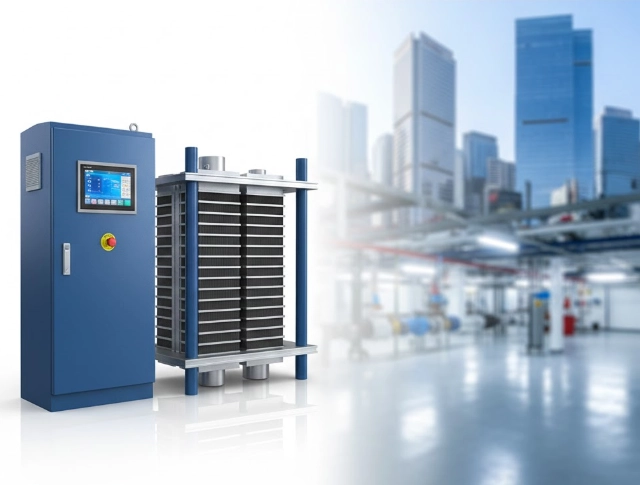
As a top leader in thermal energy technology, グラノ is completely changing how the industry works. By mixing high-performance plate heat exchangers with the latest smart automation, Grano provides much more than just heavy metal machinery. We provide a total, unmanned intelligent heat exchange system. This system is carefully built to make sure everything stays reliable while cutting down the high costs of running a business.
Why the Old Way is Failing
Standard heating setups are often filled with messy inefficiencies that waste both money and time. The biggest problems usually involve:
-
Slow Reaction Times: When you rely on humans to fix things based on the outside temperature or busy times, the system is always “chasing” the problem. It reacts too late, which means the building is either too cold or too hot for a while.
-
Heavy Staffing Costs: Keeping a team of workers on-site every single hour of the day is a massive financial drain for building managers and city utility offices.
-
Energy Being Wasted: Without very tight control, “over-heating” happens a lot when the weather is actually quite mild. This leads to high carbon footprints and utility bills that are much higher than they should be.
Grano’s smart units are built to fix these issues. We replace human guessing with smart, data-driven machines that know exactly what to do.
Climate Compensation: Smart Systems that Watch the Clouds
One of the most important pieces of technology inside a Grano smart unit is what we call Climate Compensation Control. Using special sensors that sit outside and watch the temperature, the system is always checking the weather.
How it Actually Works
The brain of the machine, called a PLC (Programmable Logic Controller), looks at a pre-set plan known as a Heating Curve.
-
When it Gets Warmer: If the temperature outside starts to climb, the system is smart enough to turn down the heat on the supply side immediately.
-
When a Cold Snap Hits: As soon as a freezing wind arrives, the system jumps into action. It boosts the heat load early so that the people inside the building never even feel the chill.
This smooth, constant adjustment makes sure the building gets just the right amount of warmth—never wasting a drop of energy. On average, this Grano technology can cut down energy use by 15% to 20%. This means the system pays for itself very quickly because of the money you save on fuel.
PID Precision: Keeping Things Steady and Comfortable
It is very hard for a person to keep a steady temperature when everyone in a large apartment building starts taking showers at 7:00 AM. These “peak times” cause the water pressure to jump around, which usually leads to the water getting dangerously hot or annoyingly cold.
Grano fixes this problem by using something called PID Control. We use high-quality parts from famous names like Siemens or Schneider. These controllers are incredibly fast. They do math problems every few milliseconds to figure out exactly how much to open or close the electric valves.
-
Exact Accuracy: We keep the water coming out of the machine within a tiny range of ±1°C of the goal.
-
Rock-Solid Stability: By stopping the big swings in the steam or hot water side, the system protects the metal plates inside the heat exchanger. This also stops the building’s pipes from getting stressed by fast temperature changes.
Remote Monitoring & BMS: The Power of a System that Thinks for Itself
The biggest reason to choose a Grano unit is how well it connects to the world. Every unit we build comes with standard plugs and software links. This allows it to talk directly to a BMS (Building Management System).
Watching from Anywhere
Managers do not have to walk down to a dark basement to check on things anymore. They can look at everything—like pressure, heat levels, and water flow—on a computer screen or a simple app on their phone. This means you don’t need people walking around doing “rounds” or checking gauges all day.
Safety That Never Sleeps
Smart Text Alerts: If the system sees that a pump has stopped working or if the pressure drops suddenly (which might mean a pipe broke), it sends a text or email alert to the repair team right away.
Automatic Protection: The machine can actually save itself. It can turn on a backup pump or shut a main valve to stop a flood or a break before a human even has time to put on their work boots. This prevents small accidents from becoming expensive disasters.
Why the Grano Plate Heat Exchanger is Different

The “heart” of our smart units is the Grano プレート熱交換器 (PHE). We have spent years perfecting these designs to get the most heat possible out of every drop of water. Our plates have special features:
-
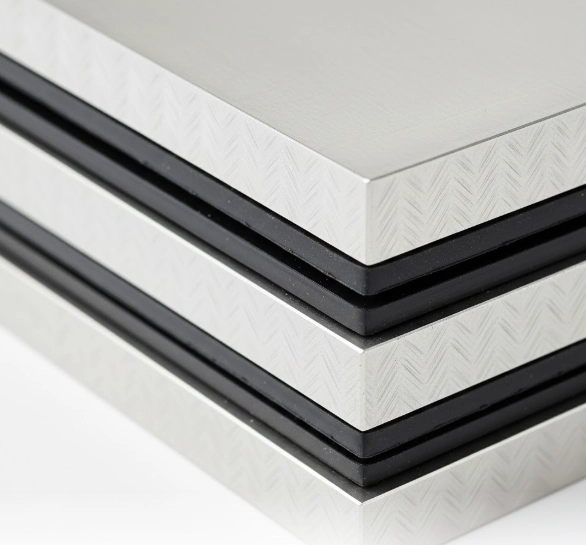
Smart Patterns: The wavy patterns on our plates create “bumpy” water flow. This helps move heat faster and stops dirt or minerals from sticking to the metal.
-
Small Size: Our units are compact. They can fit into small mechanical rooms where older, bulky equipment would never fit.
-
Strong Materials: We use high-grade stainless steel like SS304 or SS316. This, combined with very tough rubber seals, means the machine lasts a long time even when it is working very hard for the city.
If you want to see the different types of plates we offer, you can look at the details here: Grano Plate Heat Exchanger Products.
The Importance of High-Quality Engineering in Local Heating
When you choose a heating system, you are not just buying a box of parts. You are buying a promise that the people in your building will be warm and safe. Grano takes this very seriously. Our smart machines are tested in tough conditions to make sure they can handle the coldest winters.
By using automation, you also remove the risk of “human error.” A tired worker might forget to turn a valve at 3:00 AM, but a Grano PLC never gets tired and never forgets. This level of reliability is why so many property owners are moving away from old manual stations and choosing our unmanned solutions.
Conclusion: The Future is Automated
The world is moving away from systems that need people to watch them every second. Modern heating should be about smart math and great engineering. By picking Grano’s Unmanned Intelligent Heat Exchange Units, you are making a smart choice for the future. You will save money on workers, use less energy, and keep your customers happier with steady, reliable heat.
If you are ready to make your heating system smarter and cheaper to run, please reach out to us. Our team is ready to help you build a system that works perfectly for your specific building. Contact our engineering team today to find out more about our professional solutions.
FAQについて
Q: Can Grano’s smart units be put into a building that already has an old system?
A: Yes, they definitely can. Our units are very flexible. We can take our smart control boxes and valves and fit them onto your current pipes. Or, if you want a fresh start, we can bring in a “skid-mounted” unit. This is a whole system built on a metal frame that we just plug into your existing water lines. It makes the upgrade very fast and easy.
Q: What happens if the internet goes down or the phone signal is lost?
A: You don’t have to worry about the heat turning off. The “brain” inside the Grano unit is local. This means it doesn’t need the internet to think. It will keep watching its own sensors and following the weather plan it already has stored in its memory. It will keep the building warm and safe while you work on fixing the internet connection.
Q: Does an “unmanned” unit still need a lot of repairs or cleaning?
A: Because it is unmanned, it actually needs less frequent attention, but it still needs a “check-up” once a year. We suggest looking at the seals and making sure the sensors are still reading correctly. The great thing is that the system keeps track of how many hours it has been running. It can actually send you a message telling you exactly when it is time for a cleaning. This stops you from spending money on maintenance that you don’t actually need yet.