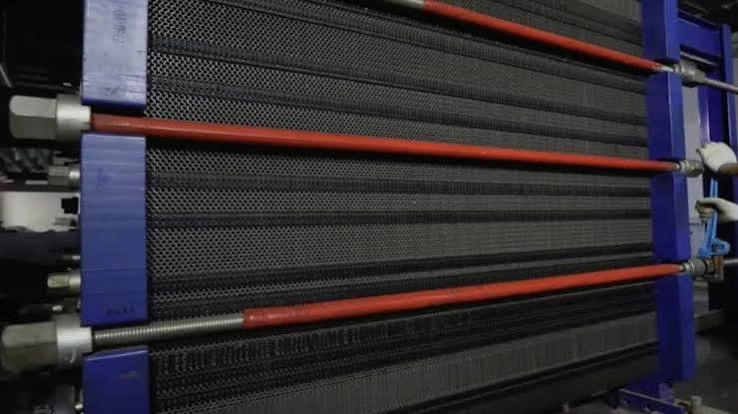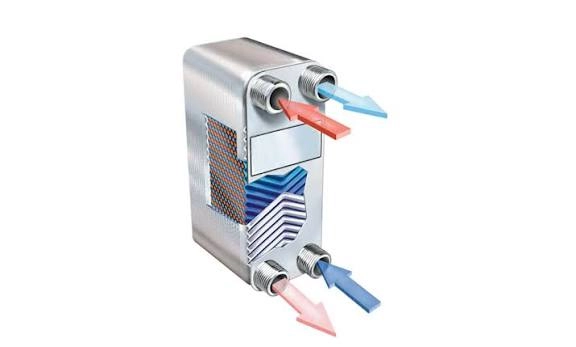

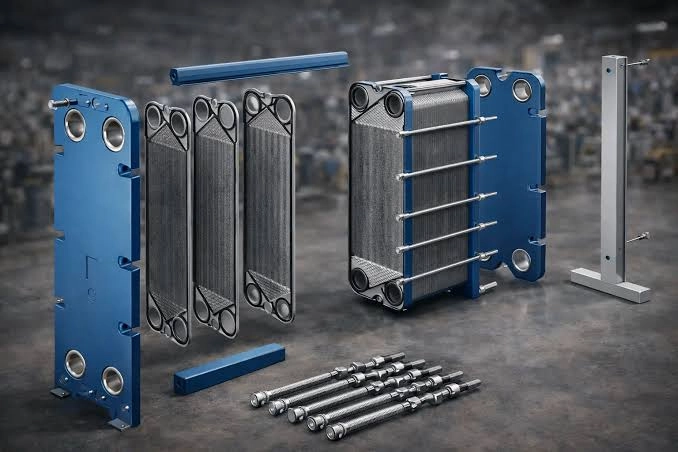
Meskipun pompa beroperasi dan tidak ada kebocoran, penukar panas pelat dapat mengalami penurunan kinerja. Penurunan tekanan yang tinggi biasanya menunjukkan aliran yang terhambat, sedangkan perpindahan panas yang buruk dapat disebabkan oleh endapan, kondisi aliran yang salah, udara di dalam penukar panas, atau bahkan kerusakan internal. Kedua gejala tersebut biasanya terjadi bersamaan, tetapi tidak selalu.
Bulir Perusahaan ini mengkhususkan diri dalam penukar panas yang dapat dilepas, pelat, gasket, unit, dan dukungan pemeliharaan. Sejak 2015, perusahaan ini telah mendukung desain, produksi, instalasi, pembersihan, suku cadang pengganti, dan layanan. Masalah efisiensi jarang berakhir hanya dengan penggantian produk sederhana; Anda mungkin memerlukan paket pelat yang direvisi, bahan gasket yang berbeda, atau rencana pembersihan.
Mengapa Penurunan Tekanan Tinggi dan Perpindahan Panas yang Buruk Muncul Bersamaan?
Sebelum membuka rangka, bandingkan pembacaan saat ini dengan data kondisi bersih: aliran, suhu empat port, tekanan di kedua sisi, dan frekuensi pompa.
Penurunan Tekanan sebagai Peringatan Hidraulik
Penurunan tekanan meningkat ketika fluida memiliki ruang yang lebih sedikit untuk lewat. Kerak, kotoran, aliran berlebih, atau saluran terbuka yang lebih sedikit dapat menyebabkannya. Meningkatkan kecepatan pompa hanya akan menambah penggunaan energi dan kecepatan.
Pendekatan Suhu sebagai Peringatan Termal
Transfer panas yang buruk ditunjukkan oleh perbedaan suhu yang lebih lebar, pemanasan atau pendinginan yang lebih lambat, atau kegagalan mencapai suhu keluaran yang ditargetkan. Periksa kondisi masukan terlebih dahulu.
Data Dasar untuk Diagnosis Akurat
Simpan lembar commissioning yang berisi alur desain, penurunan tekanan bersih, suhu empat port, dan beban kerja yang diharapkan.
Masalah Hidraulik Apa yang Meningkatkan Penurunan Tekanan?
Tiga penyebab pertama membatasi saluran atau mendorong terlalu banyak cairan melewatinya.
Pengotoran dan Penumpukan Kerak
Air sadah dapat meninggalkan endapan kalsium, magnesium, dan karbonat pada permukaan yang dipanaskan. Lapisan tersebut mempersempit saluran dan bertindak sebagai isolasi, sehingga penurunan tekanan meningkat sementara perpindahan panas menurun. Materi teknis terlampir menghubungkan pengolahan air yang buruk dengan kerak sadah dan energi termal yang terbuang.
Padatan Tersuspensi dan Penyumbatan Saluran
Pasir, karat, serat, terak las, dan kotoran dapat tersangkut di antara lekukan. Bersihkan pipa penghubung sebelum memulai pengoperasian dan pasang filter yang sesuai.
Laju Aliran Berlebihan dan Ukuran Pompa yang Terlalu Besar
Di luar titik desain, penurunan tekanan dapat meningkat tajam sementara perolehan panas tetap rendah. Periksa katup, kecepatan pompa, dan penyeimbangan cabang sebelum mengganti penukar panas.
Kesalahan Desain dan Aliran Apa yang Mengurangi Perpindahan Panas?
Saat saluran sudah bersih, periksa bagaimana unit tersebut dipilih dan dirakit. Kemasan pelat yang rapi pun bisa saja berisi barang yang salah di dalamnya.
Aliran Tidak Cukup atau Tidak Seimbang
Aliran rendah mengurangi turbulensi. Ketidakseimbangan besar antara sisi panas dan dingin juga dapat mencegah unit mencapai kinerja optimal. Periksa saluran bypass, katup, saringan, dan pengaturan pompa.
Susunan Pelat dan Arah Aliran yang Tidak Tepat
Pelat herringbone harus disusun berselang-seling dengan benar. Basis pengetahuan yang disediakan menyatakan bahwa pelat A dan B harus disusun menyilang, bukan berpasangan AA atau BB yang berulang. Urutan pemasangan yang salah, pelat terbalik, atau koneksi port yang salah dapat menyebabkan saluran mati dan aliran korsleting.
Jumlah Pelat atau Geometri Saluran yang Salah
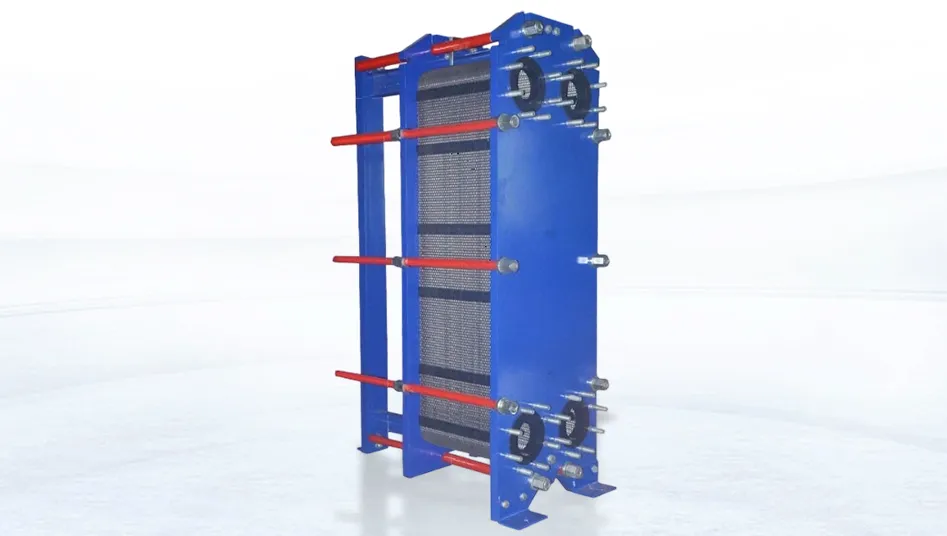
Jumlah pelat yang terlalu sedikit dapat berarti kecepatan tinggi tetapi luas permukaan tidak cukup. Terlalu banyak pelat dapat mengurangi kecepatan dan mendorong terjadinya pengotoran. Sudut pelat, celah, jumlah lintasan, dan viskositas harus diperiksa secara bersamaan. Sistem yang berfungsi dengan baik. Penukar Panas Pelat Hal ini berguna ketika jadwal tugas dapat berubah karena jumlah piring yang disajikan dapat direvisi kemudian.
Gasket tersebut juga menetapkan batasan praktis untuk kompatibilitas suhu dan cairan.
| Bahan Gasket | Rentang Operasi yang Tercantum | Catatan Tugas Khas |
|---|---|---|
| Karet Nitril | -20°C hingga 135°C | Layanan tahan minyak umum |
| Karet EPDM | -50°C hingga 180°C | Air, asam, basa, garam |
| Karet Fluorin | -50°C hingga 250°C | Suhu tinggi, minyak, bahan kimia |
| Karet Silikon | -65°C hingga 230°C | Suhu rendah dan panas kering |
Ini adalah rentang material, bukan persetujuan otomatis untuk setiap proses. Tekanan, konsentrasi, dan bahan kimia pembersih tetap penting.
Kesalahan Mekanis dan Instalasi Apa Saja yang Tersembunyi di Dalam Sistem?
Dua penyebab terakhir mudah terlewatkan karena dari luar mungkin terlihat normal.
Perangkap Udara dan Orientasi Pemasangan yang Buruk
Udara yang terperangkap menyebabkan sebagian permukaan tetap kering, mengakibatkan suhu tidak stabil dan perpindahan panas yang lemah. Beri ventilasi pada titik-titik tinggi dan hindari tata letak pipa yang menahan gas di atas saluran keluar.
Deformasi Pelat, Kegagalan Gasket, dan Kebocoran Internal
Pelat yang berkorosi, retak, baut yang tidak rata, paking yang sudah tua, atau segel yang tidak berada di tengah dapat menyebabkan aliran pintas, kebocoran, atau pencampuran cairan. Perubahan tekanan yang saling terkait dapat mengindikasikan pelat yang berlubang.
Pola Gejala untuk Pemeriksaan Lebih Cepat
Penurunan tekanan tinggi ditambah perpindahan panas yang lemah pertama-tama menunjukkan adanya kerak atau penyumbatan. Penurunan tekanan normal dengan kinerja buruk menunjukkan aliran rendah, udara terperangkap, pengaturan yang salah, atau perubahan kondisi saluran masuk. Campuran fluida perlu segera diperiksa.
Bagaimana Cara Mengembalikan Efisiensi Penukar Panas Pelat?
Mulailah dengan data, lalu bersihkan atau perbaiki hanya apa yang didukung oleh bukti.
Data Operasional dan Pemeriksaan Kualitas Air
Konfirmasikan catatan aliran, suhu, tekanan, viskositas, padatan, dan pengolahan air. Bandingkan dengan titik desain awal.
Pembersihan dan Perakitan Ulang Paket Pelat
Penukar Panas Pelat yang Dapat Dilepas cocok untuk aplikasi di mana penumpukan kerak diperkirakan terjadi, inspeksi berkala diperlukan, atau di mana kapasitas dapat diubah. Rangka dapat dibuka dan pelat individual dapat diperiksa. Gasket yang rusak dapat diganti. Setelah dibersihkan, paket harus dikencangkan secara merata hingga panjang kompresi yang tercatat dan selanjutnya diuji tekanannya sebelum unit dioperasikan.
A Penukar Panas Pelat yang Dilas Cocok untuk cairan bersih, ruang sempit, dan penggunaan yang stabil. Konstruksi permanennya mengurangi perawatan gasket, meskipun akses internal terbatas.
| Jenis Produk | Luas Maksimum yang Terdaftar | Tekanan Kerja Maksimum yang Tercantum | Suhu Maksimum yang Tercantum |
|---|---|---|---|
| Unit Pelat yang Dapat Dilepas | Hingga 5.000 m² | 25 MPa | 200°C |
| Unit Pelat yang Dilas | Hingga 2.500 m² | 40 MPa | 300°C |
Angka-angka ini berasal dari pengenalan produk yang terlampir. Pemilihan akhir masih bergantung pada komposisi kimia fluida, ukuran port, penurunan tekanan yang diizinkan, dan pola pelat.
Validasi Kinerja Pasca-Layanan
Jalankan unit pada beban dasar dan catat penurunan tekanan, suhu, aliran, dan daya pompa. Hasilnya akan terlihat pada angka-angka tersebut.
Mengapa Memilih Grano untuk Pemulihan Performa?
Bulir Kami dapat meninjau media, aliran, suhu, tekanan, padatan, kecenderungan pengotoran, dan ruang Anda sebelum merekomendasikan produk. Kami juga menyediakan pelat, gasket, baut, dan dukungan perawatan, sehingga perbaikan kecil dapat menggantikan pembelian unit lengkap. Pilihan material meliputi baja tahan karat, paduan titanium, dan baja karbon.
Kirim lembar operasi, gejala saat ini, dan detail pelat nama. Penukar Panas Pelat yang dipilih dengan benar seharusnya dapat kembali berfungsi tanpa meminta pompa untuk melawan desain hidrolik yang buruk.
Pertanyaan yang Sering Diajukan (FAQ)
T: Seberapa sering penukar panas pelat harus dibersihkan?
A: Bersihkan berdasarkan pertumbuhan penurunan tekanan, pergeseran suhu keluaran, kualitas air, dan riwayat pengotoran. Interval kalender tetap kurang dapat diandalkan dibandingkan kinerja yang terukur.
T: Bisakah penurunan tekanan tinggi terjadi tanpa kerak yang tebal?
A: Ya. Aliran berlebih, filter tersumbat, padatan terperangkap, susunan pelat yang salah, atau katup tertutup dapat menimbulkan gejala yang sama.
T: Kapan unit yang disolder lebih baik daripada unit yang dapat dilepas?
A: Pilih unit yang disolder untuk cairan bersih, instalasi ringkas, dan kinerja stabil. Pilih unit yang dapat dilepas jika Anda memperkirakan akan terjadi pengotoran, inspeksi, penggantian gasket, atau penyesuaian kapasitas di kemudian hari.