
Memilih di antara desain-desain ini membutuhkan lebih dari sekadar peringkat produk umum. Perbandingan praktis antara penukar panas pelat dan penukar panas tabung dan cangkang harus mempertimbangkan suhu proses, laju aliran, perilaku fluida, ruang yang tersedia, kehilangan tekanan yang diizinkan, dan rencana perawatan. Bulir Menyediakan kedua jenis peralatan untuk proyek perpindahan panas industri. Tidak ada desain yang cocok untuk setiap tugas. Pilihan Anda harus didasarkan pada data operasional yang terverifikasi, bahan konstruksi yang kompatibel, akses perawatan, dan proposal pemasok yang setara secara teknis.
Apa Perbedaan Antara Kedua Desain Penukar Panas Tersebut?
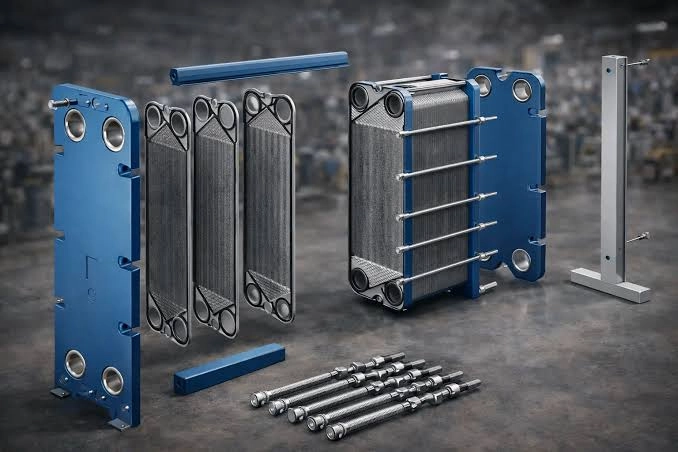
Bagaimana Penukar Panas Pelat Bersegel Dibangun
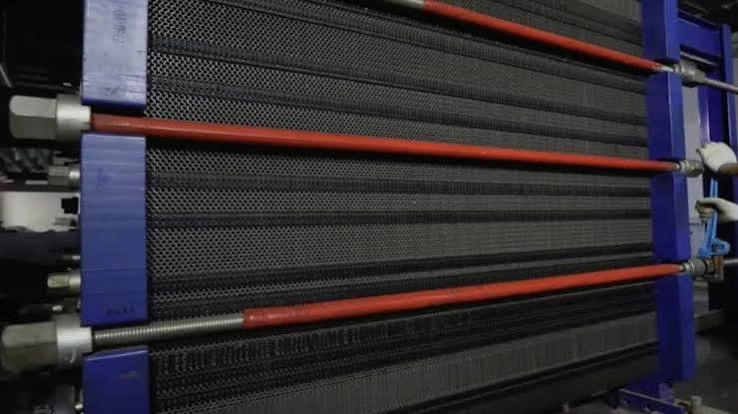
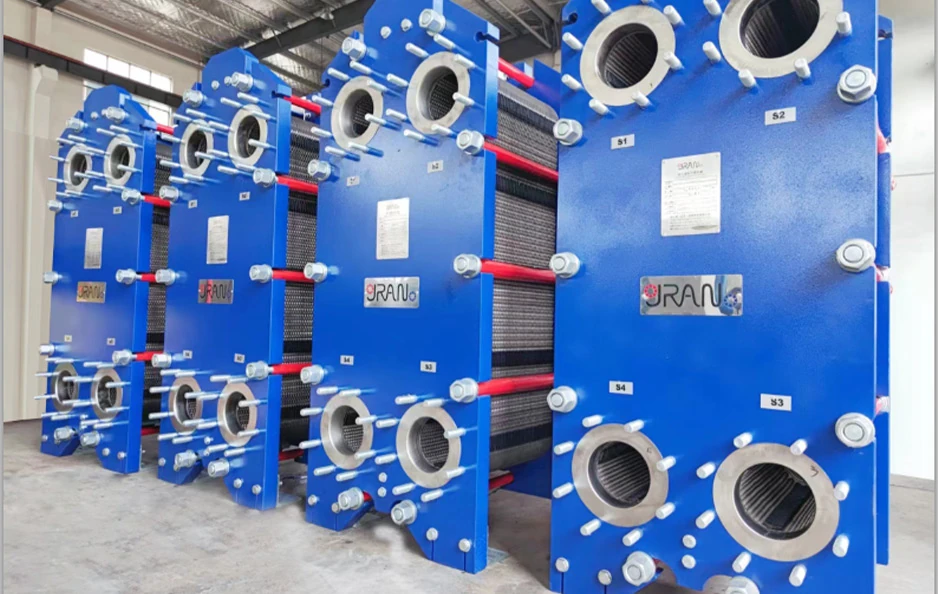
Grano's Penukar Panas Pelat Sistem ini menggunakan tumpukan pelat logam bergelombang dengan empat lubang di sudutnya. Pelat-pelat tersebut dipasang di antara pelat tetap dan pelat penjepit yang dapat digerakkan, dengan batang pemandu yang memberikan dukungan dan penyelarasan. Pengaturan satu jalur (single-pass) umum digunakan, meskipun konfigurasi multi-jalur (multi-pass) juga dapat digunakan.
Konstruksi modular ini memungkinkan operator untuk membuka unit guna melakukan inspeksi dan pembersihan pelat.
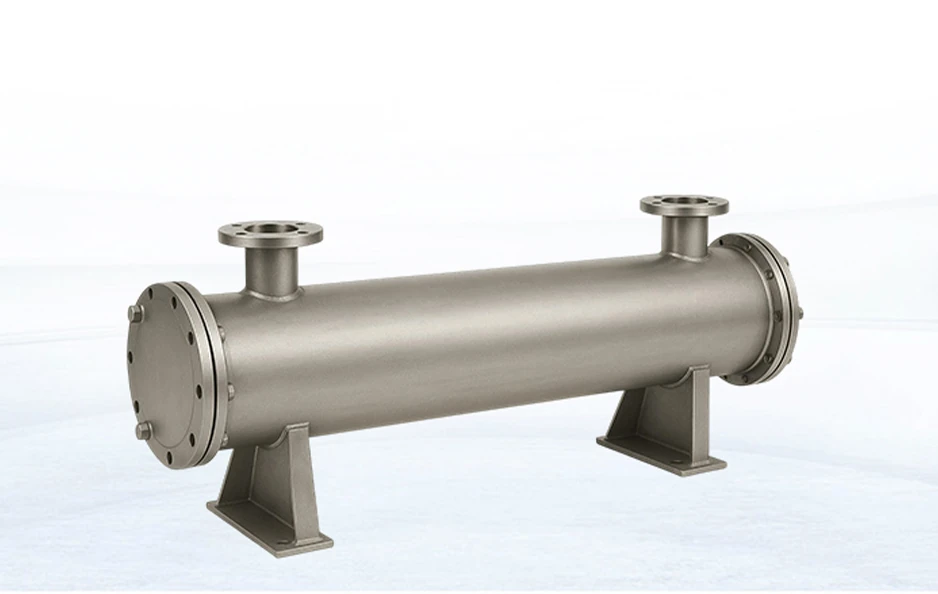
Apa yang Mendefinisikan Konfigurasi Shell and Tube?
Penukar panas tipe shell-and-tube terdiri dari bundel tabung di dalam cangkang luar. Satu fluida mengalir melalui sisi tabung, sementara fluida lainnya mengikuti jalur terpisah melalui sisi cangkang. Panas berpindah melalui dinding tabung tanpa mencampur kedua fluida tersebut.
Pemilihan tidak dapat hanya didasarkan pada pengaturan umum ini saja. Tinjau gambar yang telah disetujui, lembar data peralatan, dokumen desain mekanik, dan standar teknik yang berlaku sebelum mengambil kesimpulan tentang kesesuaian.
Mengapa Konstruksi Mengubah Keputusan Perpindahan Panas dan Pemasangan?
Saluran aliran terpisah dan geometri pelat dapat menciptakan aliran turbulen di dalam peralatan yang ringkas. Grano juga mengidentifikasi kontrol suhu yang sensitif dan konfigurasi yang fleksibel sebagai karakteristik dari desain pelat berpenutupnya.
Perbandingan yang valid antara kinerja penukar panas pelat dan penukar panas tabung dan cangkang tetap memerlukan kondisi kerja yang sesuai. Dimensi, tata letak sambungan, jarak bukaan, jalur pipa, akses pengangkatan, dan ruang perawatan dapat sama pentingnya dengan perhitungan termal.
Kondisi Operasi Mana yang Harus Menjadi Panduan Perbandingan?
Tetapkan satu dasar proses tunggal sebelum meminta atau membandingkan proposal. Jika tidak, perbedaan yang tampak mungkin disebabkan oleh asumsi pemasok, bukan karena kesesuaian peralatan.
Persyaratan Kapasitas Termal Apa yang Harus Dipenuhi Peralatan?
Tentukan suhu masuk, suhu keluar yang dibutuhkan, laju aliran, beban panas, kehilangan tekanan yang diizinkan, dan variasi pengoperasian yang diharapkan. Setiap opsi harus dihitung menggunakan nilai yang sama.
Dokumen pendukung harus mencakup lembar data proses, perhitungan keseimbangan panas, proposal termal yang telah ditinjau, dan hasil pemilihan produsen yang relevan.
Bagaimana Sifat-Sifat Fluida Mempengaruhi Pilihan?
Tinjau viskositas, kandungan padatan, korosivitas, kecenderungan pengotoran, perilaku fasa, dan kompatibilitas dengan material yang dibasahi. Karakteristik fluida yang kompleks dapat memengaruhi pemilihan saluran, distribusi aliran, akses pembersihan, dan jadwal perawatan.
Oleh karena itu, perbandingan tersebut harus mencakup analisis fluida, dokumen kompatibilitas material, dan tinjauan teknik. Tidak ada konfigurasi peralatan yang secara otomatis menyelesaikan setiap masalah pengotoran atau korosi.
Seberapa Luas Ruang dan Seberapa Fleksibelkah Masa Depan yang Tersedia?
Periksa ukuran peralatan, jalur pipa, akses pengangkatan, jarak bukaan, dan area kerja yang dibutuhkan oleh personel pemeliharaan. Desain yang ringkas merupakan karakteristik yang dinyatakan dari penukar panas pelat berseal Grano, tetapi pengaturan instalasi lengkap tetap perlu ditinjau.
Beberapa konfigurasi mungkin dapat menerima pelat tambahan. Kapasitas rangka dan perhitungan termal yang telah direvisi harus dikonfirmasi sebelum menganggap ekspansi di masa mendatang sebagai hal yang memungkinkan. Untuk unit shell-and-tube, mintalah dimensi yang telah diverifikasi, ruang pelepasan bundel, dan opsi modifikasi yang terdokumentasi.
Bagaimana Persyaratan Pemeliharaan dan Siklus Hidup Mempengaruhi Seleksi?
Akses Pembersihan dan Inspeksi Apa yang Dibutuhkan Operator?
Unit pelat dengan segel dapat dibuka untuk memeriksa atau membersihkan pelatnya. Sebelum memilih, tentukan apakah pabrik mengharapkan pembersihan mekanis, pembersihan kimia, pemantauan kondisi, atau inspeksi selama penghentian operasional terjadwal. Pendekatan yang dimaksud harus tercermin dalam tata letak peralatan dan dokumentasi pemeliharaan.
Akses pembersihan untuk peralatan shell-and-tube bergantung pada susunan mekanis yang dipilih. Konfirmasikan prosedur yang diperlukan melalui gambar dan manual perawatan yang disetujui. Jangan berasumsi bahwa setiap konfigurasi dapat dibuka atau dibersihkan dengan cara yang sama.
Bagian dan Risiko Kegagalan Apa yang Harus Ditinjau oleh Bagian Pengadaan?
Periksa kembali gasket, pelat, pengencang, tabung, segel, dan komponen lain yang bergantung pada konfigurasi. Tim pengadaan harus memastikan identifikasi suku cadang, kompatibilitas material, kriteria inspeksi, prosedur penggantian, dan dokumentasi pendukung sebelum melakukan pemesanan.
Dokumen yang berguna meliputi daftar material, manual perawatan, penawaran harga dari produsen, dan metode inspeksi yang direkomendasikan. Masa pakai dan ketersediaan suku cadang tidak boleh diasumsikan begitu saja. Dapatkan konfirmasi tertulis untuk peralatan spesifik yang diusulkan.
Bagaimana Biaya Kepemilikan Total Harus Dievaluasi?
Harga pembelian hanyalah sebagian dari biaya. Pertimbangkan perubahan perpipaan, pondasi atau penyangga, tenaga kerja instalasi, pekerjaan pembersihan, waktu penghentian operasional, akses inspeksi, dan suku cadang pengganti.
Lakukan tinjauan siklus hidup berdasarkan jadwal operasi aktual pabrik dan sumber daya pemeliharaan yang tersedia. Proposal harus menggunakan kondisi kerja, batasan ruang lingkup, aksesori, dan asumsi layanan yang identik. Tidak ada desain penukar panas yang memiliki biaya kepemilikan total terendah di setiap aplikasi industri.
Bagaimana Anda Dapat Memilih Opsi Terbaik untuk Aplikasi Industri?
Kapan Penukar Panas Pelat Layak Ditinjau Lebih Mendalam?
Penukar panas pelat dengan gasket perlu ditinjau lebih cermat ketika konstruksi yang ringkas, inspeksi pelat yang mudah diakses, konfigurasi yang fleksibel, atau kontrol suhu yang presisi penting untuk proyek tersebut. Karakteristik ini tetap harus dinilai berdasarkan kebersihan fluida, kompatibilitas gasket, kondisi operasi, dan keterampilan operator.
Dalam perbandingan antara penukar panas pelat dan penukar panas tabung dan cangkang, kemudahan perawatan praktis harus mendapat perhatian yang sama dengan kesesuaian termal. Konfirmasikan bagaimana unit akan dibuka, dibersihkan, diperiksa, dan dikembalikan ke layanan sesuai dengan rencana perawatan pabrik.
Kapan Unit Shell and Tube Harus Tetap Masuk Daftar Pilihan?
Grano's Penukar Panas Shell dan Tube Hal ini perlu tetap dipertimbangkan apabila persyaratan mekanis proyek, kondisi proses, strategi pembersihan, atau standar pabrik yang telah ditetapkan mendukung pengaturan tersebut.
Spesifikasi bervariasi tergantung desainnya. Mintalah proposal termal dan mekanis yang telah ditinjau oleh produsen sebelum menganggap unit shell-and-tube sebagai pilihan yang disukai.
Informasi apa saja yang harus disertakan dalam permintaan informasi pemasok?
Cantumkan nama dan sifat fluida, laju aliran, suhu masuk dan suhu keluar yang ditargetkan, kondisi operasi dan desain, kehilangan tekanan yang diizinkan, masalah pengotoran, persyaratan material, detail sambungan, ruang yang tersedia, dan metode pembersihan yang direncanakan.
Mintalah gambar dimensi, perhitungan termal, informasi material, persyaratan perawatan, aksesori yang disertakan, dan pengecualian ruang lingkup. Selesaikan asumsi yang bertentangan sebelum membandingkan harga atau menyetujui penawaran teknis.
Diskusikan Kebutuhan Penukar Panas Anda dengan Grano
Diskusi yang bermanfaat dengan pemasok dimulai dengan informasi lengkap tentang pengoperasian, pemasangan, dan pemeliharaan, bukan sekadar merek peralatan yang disukai.
Siapkan Data Proses dan Instalasi Anda
Kumpulkan informasi mengenai beban termal, fluida, batasan ruang, persyaratan koneksi, dan pendekatan pembersihan yang direncanakan. Pastikan bahwa dasar proses yang sama digunakan untuk setiap proposal.
Hubungi Grano untuk Diskusi Berdasarkan Kebutuhan
Para insinyur, operator, distributor, dan tim pengadaan dapat membahas kebutuhan penukar panas mereka menggunakan data proyek sebagai dasar teknis dan komersial.
Bandingkan Kedua Opsi Berdasarkan Dasar Terverifikasi yang Sama
Lengkapi perbandingan proposal penukar panas pelat dan penukar panas tabung dan cangkang dengan meninjau perhitungan termal, pengaturan mekanis, persyaratan perawatan, batasan ruang lingkup, dan asumsi komersial secara berdampingan. Hubungi Grano dengan data proses dan instalasi Anda yang telah diverifikasi untuk membahas konfigurasi peralatan yang sesuai.
Pertanyaan yang Sering Diajukan (FAQ)
Apa perbedaan utama antara penukar panas pelat dan penukar panas cangkang dan tabung?
Penukar panas pelat mentransfer panas melalui pelat bergelombang, sedangkan unit tabung-dan-cangkang mentransfer panas melalui dinding tabung di dalam cangkang. Konstruksi tersebut memengaruhi jalur aliran, ukuran, akses inspeksi, dan perencanaan pemeliharaan.
Jenis mana yang lebih baik jika membandingkan penukar panas pelat dan penukar panas tabung dan cangkang untuk fluida dengan risiko pengotoran?
Tidak ada jawaban universal. Tinjau sifat fluida, kondisi operasi, geometri saluran atau tabung, kompatibilitas material, dan metode pembersihan yang direncanakan dengan pabrikan.
Data proses apa yang dibutuhkan sebelum meminta penawaran penukar panas?
Cantumkan sifat-sifat fluida, laju aliran, suhu masuk dan keluar, kondisi operasi dan desain, kehilangan tekanan yang diizinkan, persyaratan material, ruang yang tersedia, sambungan, masalah pengotoran, dan preferensi pembersihan.