



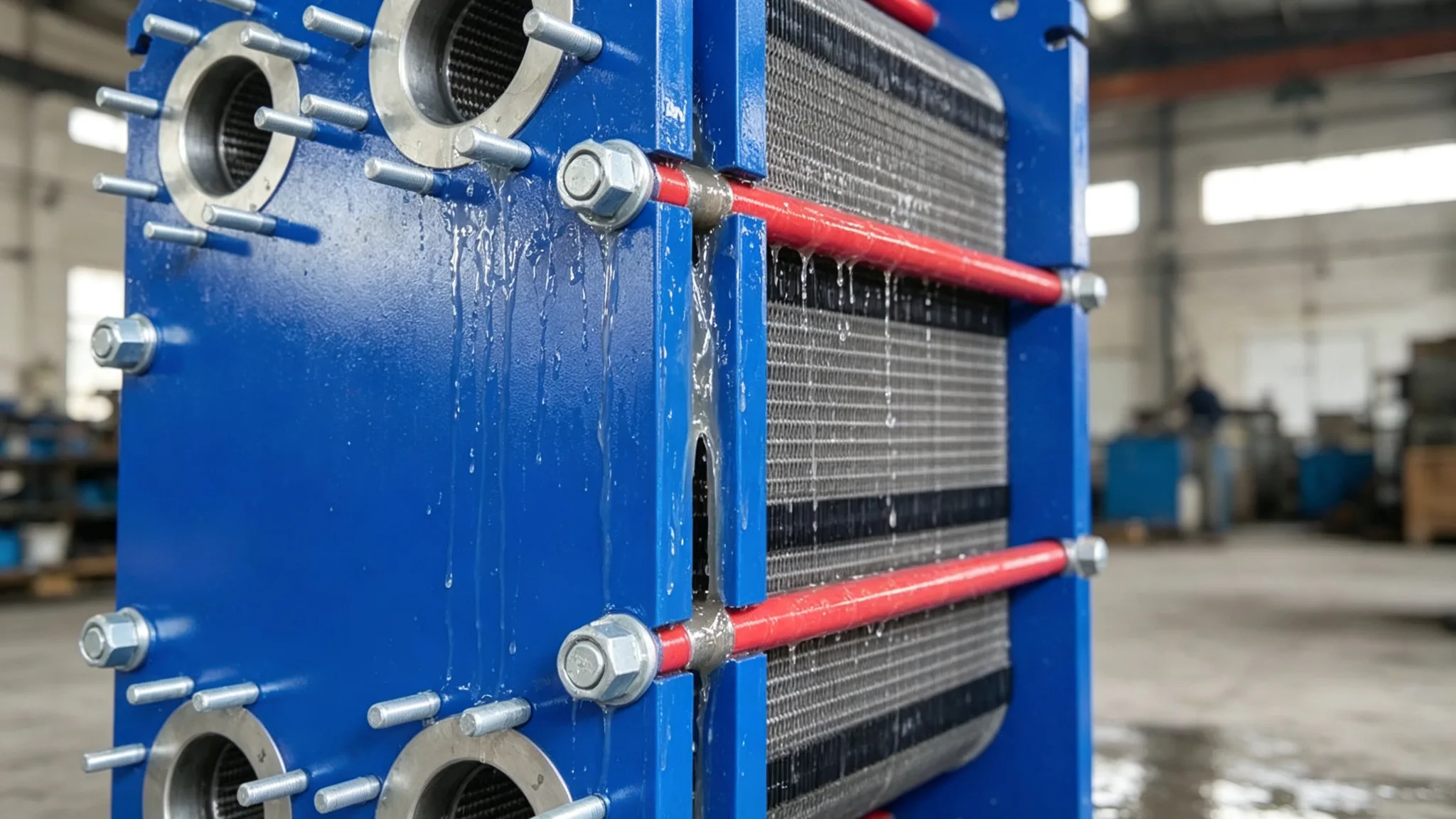
प्लांट मैनेजर अक्सर मैकेनिकल रूम में जाते हैं और फर्श पर एक रहस्यमय पानी का जमाव पाते हैं। थर्मल उपकरण के बोल्ट पूरी तरह से कसे हुए होते हैं, फिर भी प्लेट पैक के ठीक बीच में लगातार रिसाव होता रहता है। इस बेहद निराशाजनक समस्या का कारण क्या है? इसका मुख्य कारण लगभग हमेशा हीट एक्सचेंजर फ्रेम का पतला होना होता है। जब कोई सप्लायर कुछ पैसे बचाने के लिए कार्बन स्टील के ढांचे को चुपके से पतला कर देता है, तो भौतिकी के नियम लागू होते हैं और पूरी यूनिट दबाव में झुक जाती है।
यदि आप इन छिपे हुए खतरों से बचना चाहते हैंयांत्रिक खराबी की स्थिति में, एक विश्वसनीय निर्माता से सामान खरीदना सब कुछ बदल देता है। 2015 में स्थापित। अनाज यह एक के रूप में कार्य करता है पेशेवर हीट एक्सचेंजर निर्माता हम डिटैचेबल यूनिट्स, महत्वपूर्ण गैसकेट और उच्च-शक्ति वाली प्लेटों में विशेषज्ञता रखते हैं। ISO9001:2015 गुणवत्ता प्रबंधन प्रणाली के तहत सख्ती से काम करते हुए, हम आपको संयंत्र के बजट को बढ़ाए बिना, आपकी प्रक्रिया तरल पदार्थों के अनुरूप उच्च-स्तरीय हार्डवेयर प्रदान करते हैं। औद्योगिक प्रणालियों को सुचारू रूप से चलाने में वास्तविक तकनीकी विशेषज्ञता कैसे सहायक होती है, इसके बारे में अधिक जानने के लिए हमारे बारे में देखें।
पूरी तरह से कसे हुए बोल्टों के बावजूद मध्य भाग से रिसाव की विचित्र घटना
ऐसा आमतौर पर अधिक उत्पादन के दौरान होता है। आपको लगातार रिसाव दिखाई देता है, और मामला जल्दी ही गंभीर हो जाता है।
किनारों की सीलिंग और केंद्र से रिसाव के लक्षण
मरम्मत कर्मचारी एक भारी रिंच लेकर फ्रेम के बोल्टों को कसकर टाइट कर देते हैं। चारों कोने पूरी तरह से बंद हो जाते हैं। किनारों से तरल पदार्थ की एक बूंद भी बाहर नहीं निकलती। लेकिन धातु के पैक के ठीक बीचोंबीच से गर्म तरल पदार्थ कमरे में छलक रहा होता है।
बोल्ट को ज़रूरत से ज़्यादा कसने के हताश प्रयास
आम तौर पर लोग यूनिट को और कसने की कोशिश करते हैं। उनका मानना है कि ज़्यादा टॉर्क से बेहतर सीलिंग होती है। लेकिन असल में, बोल्ट को बार-बार कसना एक बहुत ही खराब रणनीति है। ज़रूरत से ज़्यादा कसने से धातु की खांचें टूट जाती हैं और रबर की पटरियां खराब हो जाती हैं।
गैस्केट और प्लेट की अखंडता पर झूठे अलार्म
अंततः, आप सिस्टम को बंद कर देते हैं और पूरी यूनिट को खोलकर उसके पुर्जे अलग कर देते हैं। आपको उम्मीद होती है कि अंदर टूटी हुई स्टेनलेस स्टील की चादरें या फटी हुई रबर की सीलें मिलेंगी। लेकिन हैरानी की बात यह है कि गैसकेट बिल्कुल ठीक दिखते हैं और प्लेटों में एक भी छेद नहीं होता। दरअसल, खराबी का आंतरिक घटकों से कोई लेना-देना नहीं है।
बाहरी फ्रेम के वजन के संबंध में खरीद प्रक्रिया की घातक गलतफहमी
औद्योगिक हार्डवेयर खरीदते समय, खरीद टीमें अक्सर गलत विशिष्टताओं को लेकर अत्यधिक चिंतित रहती हैं।
आंतरिक स्टेनलेस स्टील प्लेटों पर अत्यधिक जोर
खरीदार 304 या 316L स्टेनलेस स्टील की शीटों को ध्यान से देखते हैं। वे 0.5 मिमी की मोटाई और हेरिंगबोन नालीदार पैटर्न की बारीकी से जांच करते हैं। वे यह जानना चाहते हैं कि तरल चैनल वास्तव में कैसे काम करते हैं।
कार्बन स्टील ब्लाइंड प्लेट की मोटाई की उपेक्षा
आंतरिक भाग पर पूरा ध्यान केंद्रित करते हुए, वे मशीन के सबसे भारी और सबसे महंगे हिस्से को पूरी तरह से भूल जाते हैं: बाहरी कार्बन स्टील की ब्लाइंड प्लेटें। ये मोटी बाहरी परतें पूरी मशीन को एक साथ जोड़े रखती हैं।
हल्के फ्रेमों के प्रति खतरनाक प्राथमिकता
शिपिंग इनवॉइस पर हल्का यूनिट देखने में अच्छा लगता है। इंस्टॉलेशन के दौरान इसे कंक्रीट के फर्श पर घसीटना आसान लगता है। लेकिन मुख्य ढांचे को लागत कम करने का जरिया बनाने से आगे चलकर बड़ी विफलता का खतरा पैदा हो सकता है।
अत्यधिक विक्षेपण और झुकाव का यांत्रिक सत्य
भौतिकी को सस्ते बिल से कोई लेना-देना नहीं होता। द्रव गतिकी किसी भी कमजोर संरचना को तुरंत उजागर कर देती है।
अत्यधिक हाइड्रोलिक पृथक्करण बल
जब दर्जनों नालीदार प्लेटें भारी दबाव में तरल से भर जाती हैं, तो वे एक जबरदस्त बाहरी दबाव उत्पन्न करती हैं। दो बाहरी कार्बन स्टील स्लैब को उस हाइड्रोलिक पृथक्करण बल के प्रत्येक पाउंड को अवशोषित करना पड़ता है।
पतले हीट एक्सचेंजर फ्रेम के माध्यम से भ्रामक लागत कटौती
कुछ बेईमान आपूर्तिकर्ता कम बोली वाला ठेका पाने के लिए चुपके से स्टील की मोटाई कम कर देते हैं। तकनीकी रूप से 60 मिमी मोटी कवर की आवश्यकता वाली इकाई को 40 मिमी तक कम कर दिया जाता है। इससे एक बेहद खतरनाक पतला हीट एक्सचेंजर फ्रेम बनता है जो औद्योगिक दबाव को सहन नहीं कर सकता।
केंद्र में सूक्ष्म बाह्य झुकाव
जब यह क्षतिग्रस्त हार्डवेयर अधिकतम परिचालन दबाव पर पहुँचता है, तो बोल्ट से जुड़े कोने मजबूती से टिके रहते हैं। हालाँकि, कार्बन स्टील का केंद्र एक खींची हुई धनुष की डोरी की तरह बाहर की ओर मुड़ जाता है। मानव आँख इस सूक्ष्म विचलन को नहीं देख सकती, लेकिन यह तुरंत केंद्र की प्लेटों से जकड़न का दबाव छीन लेता है, जिससे तरल पदार्थ बाहर निकल जाता है।
संरचनात्मक आपदाओं को रोकने के लिए सही थर्मल उपकरण का चयन करना
सही भौतिक हार्डवेयर का चयन करने से यह झुकाव प्रभाव शुरू होने से पहले ही रुक जाता है।
गैस्केटेड सिस्टम के लिए हेवी-ड्यूटी समाधान
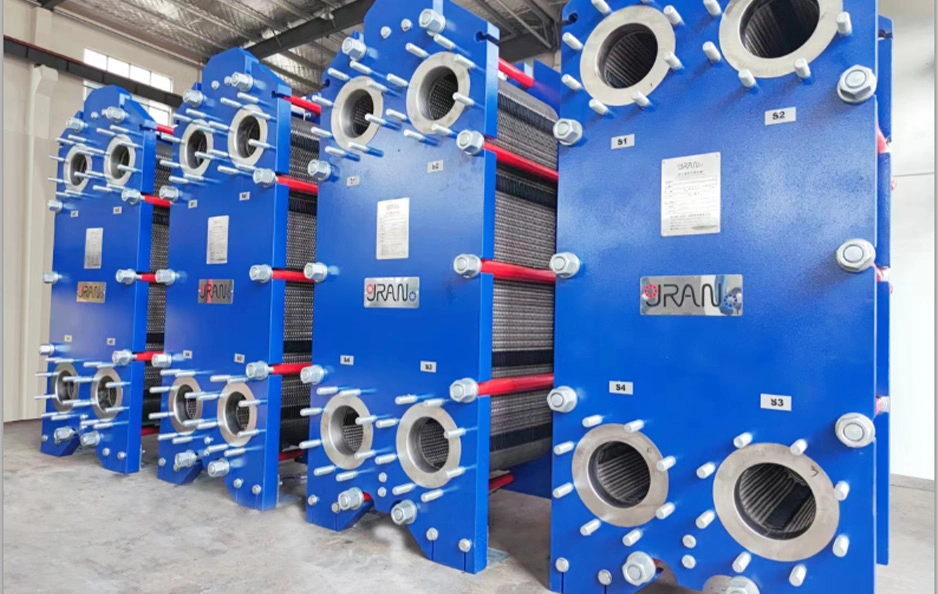
यदि आपके संयंत्र को बड़े पैमाने पर तापीय नियंत्रण और भौतिक सफाई के लिए मशीन को खोलने की क्षमता की आवश्यकता है...का, एक मजबूत प्लेट हीट एक्सचेंजर उचित तरीके से निर्मितस्टील मार्जिन अनिवार्य है। ये सेटअप झुकने के जोखिम के बिना अत्यधिक ताप क्षमता प्रदान करते हैं।
| पैरामीटर | विनिर्देश |
|---|---|
| अधिकतम ऊष्मा विनिमय क्षेत्र | 5000 वर्ग मीटर तक |
| अधिकतम कार्यशील दबाव | 25 एमपीए |
| अधिकतम परिचालन तापमान | 200 डिग्री सेल्सियस |
| मुख्य प्लेट सामग्री | स्टेनलेस स्टील, टाइटेनियम मिश्र धातु, कार्बन स्टील |
छोटे स्थानों के लिए वैकल्पिक ब्रेज़्ड समाधान
कभी-कभी आपको एक विशाल बोल्टेड फ्रेम की बिल्कुल भी आवश्यकता नहीं होती है। तंग एचवीएसी कमरों या उच्च दबाव वाले स्थानों के लिए। रेफ्रिजरेंट लूप, एक ब्रेज़्ड प्लेट हीट एक्सचेंजर कार्य पीपूरी तरह से। तांबे या निकल का उपयोग करके प्लेटों को सीधे एक साथ वेल्ड करके, ये मॉडल बाहरी कार्बन स्लैब पर निर्भर किए बिना 40MPa और 300°C तक का दबाव झेल सकते हैं।
पेशेवर तकनीकी सहायता का महत्व
तरल प्रवाह के लिए सही मॉडल का चयन करने से घटकों की तेजी से खराबी को रोका जा सकता है। दबाव में अंतर और ऊष्मीय दक्षता के बीच संतुलन बनाए रखने के लिए आपको विशेषज्ञ सलाह की आवश्यकता होती है।
कठोर और टिकाऊ फ्रेम मानक
ऑपरेटर की सुरक्षा और संयंत्र की लाभप्रदता के लिए एक मजबूत ढांचा अनिवार्य है।
प्रेशर वेसल मानकों का कड़ाई से पालन
गंभीर निर्माता अपने कवर का निर्माण सख्त औद्योगिक दबाव पोत कोडों का पालन करते हुए करते हैं। आपको एक ऐसी मशीन मिलती है जो भारी दबाव झेलने के लिए डिज़ाइन की गई है, जिससे स्टील के घिसने का खतरा पूरी तरह से टल जाता है।
बेहतर कार्बन स्टील मोटाई मार्जिन
प्रत्येक यूनिट में न्यूनतम मोटाई से कहीं अधिक मोटाई का मार्जिन होना चाहिए। पतले हीट एक्सचेंजर फ्रेम का भारी उद्योग में कोई स्थान नहीं है, विशेषकर खतरनाक रसायनों या अत्यधिक गर्म भाप से निपटने के दौरान।
गारंटीकृत समानांतर क्लैम्पिंग बल नियंत्रण
असेंबली के दौरान, क्लैम्पिंग स्टड को समान रूप से और समरूप तरीके से कसना आवश्यक है। इस सावधानीपूर्वक प्रक्रिया से आंतरिक प्लेटें पूरी तरह से समानांतर रहती हैं, जिससे केंद्र को झुकने से रोका जा सकता है और रबर सील अपने खांचों में मजबूती से लॉक हो जाती हैं।
विश्वसनीय हीट ट्रांसफर सॉल्यूशंस के साथ साझेदारी करें
एक भरोसेमंद उपकरण आपूर्तिकर्ता ढूंढने से आपके अगले मैकेनिकल रूम अपग्रेड से जुड़ी सारी परेशानियां दूर हो जाती हैं।
व्यापक प्लेट और फ्रेम पोर्टफोलियो
एक अच्छी कैटलॉग में टाइटेनियम मिश्र धातु की प्लेटों से लेकर अत्यधिक तापमान सहने वाले सिलिकॉन रबर तक सब कुछ शामिल होता है। आपको ऐसे हार्डवेयर की आवश्यकता होती है जो आपके सटीक रासायनिक वातावरण के अनुकूल हो।
विशेषज्ञ रखरखाव और मूल्यांकन सेवाएं
बेहतरीन हार्डवेयर की क्षमता भी अंततः सीमित हो जाती है।। पेशेवर सेवा टीमें भारी काम संभालती हैं,धातु को नुकसान पहुंचाए बिना जमे हुए कैल्शियम स्केल को घोलने के लिए गतिशील एसिड धुलाई।
| गैस्केट सामग्री | तापमान की रेंज | आवेदन की मुख्य विशेषताएं |
|---|---|---|
| एनबीआर (नाइट्राइल) | -20°C से 135°C तक | तेल प्रतिरोधी, सामान्य कार्य परिस्थितियाँ |
| ईपीडीएम | -50°C से 180°C तक | अम्ल, क्षार, लवण और क्लोराइड प्रतिरोधी |
| फ्लोरोरबर | -50°C से 250°C तक | उच्च तापमान, भारी अम्ल, तेल, विशिष्ट अभिकर्मक |
| सिलिकॉन रबर | -65°C से 230°C तक | कम तापमान और शुष्क ऊष्मा प्रतिरोधक क्षमता |
वैश्विक पहुंच और सिद्ध विश्वसनीयता
डेटा सेंटर कूलिंग लूप से लेकर बड़े पैमाने परसमुद्री जल विलवणीकरण संयंत्रों में, प्रमाणित हार्डवेयर संचालन को सुचारू रूप से चलाने में मदद करता है। पतले हीट एक्सचेंजर फ्रेम की मानसिकता को त्यागें और ऐसे उपकरण खरीदें जो वास्तव में एक दशक तक चलें। संपर्क चैनल पर जाएं निर्माण शुरू करने के लिएआज एक सुरक्षित और अधिक कुशल थर्मल सिस्टम विकसित करना।
अक्सर पूछे जाने वाले प्रश्न
प्रश्न 1: पतले हीट एक्सचेंजर फ्रेम के कारण मध्य में रिसाव क्यों होता है?
ए: जब आंतरिक द्रव दबाव बढ़ता है, तो कार्बन स्टील की पतली परत बीच में थोड़ी बाहर की ओर मुड़ जाती है। इस सूक्ष्म झुकाव के कारण मध्य प्लेटों से दबाव हट जाता है, जिससे कोने के बोल्ट पूरी तरह से कसे होने पर भी द्रव बाहर की ओर फैल जाता है।
प्रश्न 2: मानक गैस्केटेड इकाइयों के लिए अधिकतम कार्यशील दबाव क्या है?
ए: ये आम तौर पर 25 एमपीए तक सुरक्षित रूप से काम करते हैं, जो काफी हद तक विशिष्ट मॉडल और बाहरी कार्बन स्टील कवर की संरचनात्मक मोटाई पर निर्भर करता है।
प्रश्न 3: सीलिंग गैस्केट को कितनी बार बदलना चाहिए?
ए: यह पूरी तरह से आपके परिचालन तापमान और तरल पदार्थ के प्रकार पर निर्भर करता है, लेकिन नियमित रखरखाव के दौरान नियमित निरीक्षण से जल्दी पता चल जाएगा कि रबर पुरानी हो रही है, विकृत हो रही है या अपनी लोच खो रही है। उच्च तापमान और हानिकारक रसायन हमेशा इसके जीवनकाल को कम कर देते हैं।


