



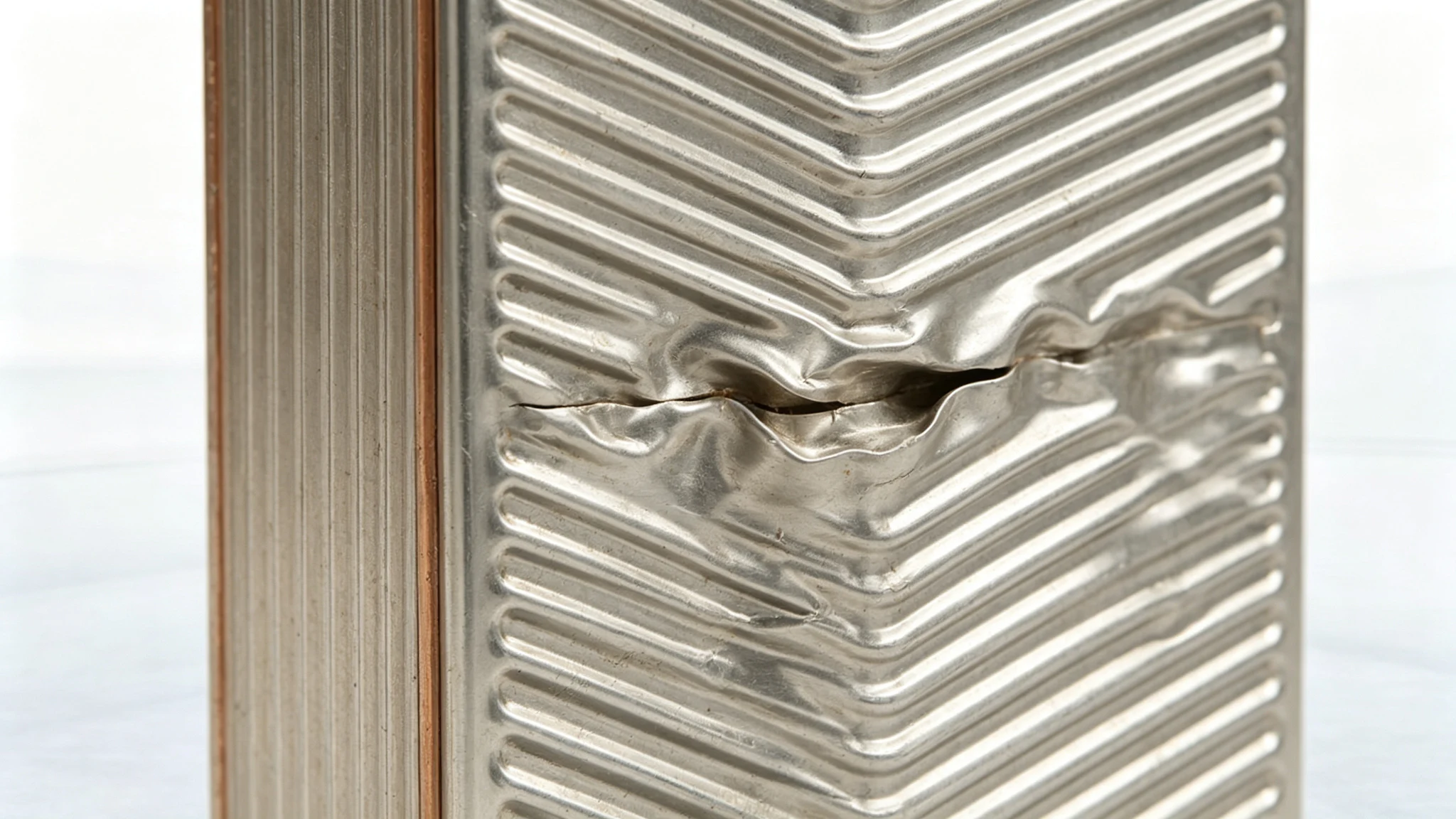
आप पानी, दबाव का रिकॉर्ड और संचालन लॉग की जाँच कर सकते हैं, फिर भी कुछ ही महीनों बाद नालीदार सतह पर छोटी दरारें पा सकते हैं। यही वह समय है जब पीएचई प्लेट की मोटाई यह महज़ कोटेशन शीट पर लिखा एक अंक मात्र नहीं रह जाता। 0.5 मिमी अंकित प्लेट, लेकिन लगभग 0.4 मिमी मोटाई की डिलीवर होने पर, थकान प्रतिरोध क्षमता तेजी से खो सकती है, खासकर स्टैम्पिंग के बाद जब धातु लहरों के शिखरों और घाटियों पर खिंच जाती है।
उन खरीदारों के लिए जिन्हें व्यावहारिक ताप की आवश्यकता है स्थानांतरण सलाह, अनाज यह हीट एक्सचेंजर आपूर्तिकर्ता प्लेट हीट एक्सचेंजर, गैस्केट, प्लेट, इंस्टॉलेशन और अन्य संबंधित सेवाओं पर केंद्रित है। रखरखाव सेवा 2015 से। इसकी उत्पाद श्रृंखला में गैस्केटेड, ब्रेज़्ड, सेमी-वेल्डेड और संबंधित प्लेट हीट एक्सचेंजर पार्ट्स शामिल हैं, जो HVAC, पावर, पेट्रोकेमिकल और औद्योगिक क्षेत्रों के लिए सहायक हैं। कूलिंग और रिप्लेसमेंट प्रोजेक्ट्स। उपयोगी हिस्सा सिर्फ कैटलॉग ही नहीं है। कई प्लांट टीमों के लिए, इसका मूल्य साइजिंग, मटेरियल चयन, गैस्केट मैचिंग और विफलता समीक्षा में मदद प्राप्त करना है, ताकि उत्पादन समय में किसी और शटडाउन से पहले ही समस्या हल हो जाए।
एक स्वच्छ प्रणाली भी पीएचई प्लेटों में दरार क्यों डाल सकती है?
यदि आपका एक्सचेंजर जल्दी खराब हो जाता है, तो सबसे पहले जंग को दोष देना स्वाभाविक है। कभी-कभी यह सही भी होता है। क्लोराइड, कम पीएच, आक्रामक सफाई रसायन या गलत गैस्केट सामग्री, ये सभी नुकसान का कारण बन सकते हैं। लेकिन हर टूटी हुई प्लेट जंग का मामला नहीं होती।
जब पानी साफ हो और दरारें मुख्य रूप से नालीदार सतहों के मूल बिंदुओं, संपर्क बिंदुओं या दबे हुए कोनों के आसपास हों, तो आपको यांत्रिक थकान पर ध्यान देना चाहिए।
सामान्य जल, असामान्य दरारें
एक स्वच्छ प्रणाली भी दबाव में उतार-चढ़ाव के साथ चल सकती है। पंप चालू और बंद होते हैं। वाल्व बहुत जल्दी खुल जाते हैं। शिफ्ट संचालन के दौरान प्रवाह में परिवर्तन होता है। ये छोटे-छोटे बदलाव दैनिक रिपोर्ट में भले ही नाटकीय न लगें, लेकिन ये हजारों बार दोहराए जाते हैं।
एक मोटी प्लेट इस तरह के दबाव को लंबे समय तक झेल सकती है। पतली प्लेट ज्यादा देर तक टिक नहीं पाती। पहला संकेत लहरदार हिस्से पर एक छोटी सी चमकदार रेखा हो सकती है। फिर एक छोटा सा छेद दिखाई देता है। और फिर कुछ ही समय बाद दूसरी प्लेट भी खराब हो जाती है। वर्कशॉप में अक्सर यह मज़ाक चलता है, "एक प्लेट ठीक करो, दूसरी खो दो।" मज़ाकिया तो नहीं, लेकिन काफी आम है।
नालीदार तनाव बिंदु
ए प्लेट हीट एक्सचेंजर यह दबी हुई नालीदार संरचनाओं पर निर्भर करता है। ये तरंगें अशांति बढ़ाती हैं, कठोरता प्रदान करती हैं और संकीर्ण द्रव चैनल बनाती हैं। दिए गए तकनीकी नोट्स में प्लेट हीट एक्सचेंजर को हीट ट्रांसफर प्लेट, सीलिंग पैड, क्लैम्पिंग प्लेट आदि से बनी इकाई के रूप में वर्णित किया गया है। क्लैम्पिंग बोल्ट; कठोरता और ऊष्मा स्थानांतरण प्रदर्शन को बढ़ाने के लिए प्लेट की सतह को नालीदार या खांचेदार आकृतियों में दबाया जाता है।
वही लहरदार सतह वह जगह भी बन जाती है जहाँ खराब धातु अपनी कमजोरी दिखाती है। यदि आधार शीट पहले से ही पतली है, तो स्टैम्पिंग प्रक्रिया उच्च तनाव वाले क्षेत्रों में इसे और अधिक खींच देती है।
दबाव पल्स थकान
थकान के कारण होने वाली विफलता हमेशा स्पष्ट नहीं होती। इसमें केवल एक बार अत्यधिक दबाव के कारण दुर्घटना नहीं होती। इसके बजाय, एक कमजोर प्लेट थोड़ा झुकती है, फिर वापस अपनी मूल स्थिति में आती है, दोबारा झुकती है और धीरे-धीरे उसमें दरार पड़ जाती है। तरंग के मूल में बची हुई धातु जितनी पतली होगी, यह प्रक्रिया उतनी ही तेजी से होगी।
वास्तविक खरीदारी में 0.5 मिमी 0.4 मिमी कैसे बन जाता है?
कम कीमत पर सामान खरीदने का यही असुविधाजनक पहलू है। ब्रांड का नाम कुछ और हो सकता है, जबकि आपके हाथ में मौजूद प्लेट कुछ और ही बयां करती है।
नेमप्लेट ट्रस्ट ट्रैप
कई प्राप्तकर्ता टीमें मॉडल, मात्रा, नोजल की दिशा और पैकिंग की स्थिति की जाँच करती हैं। कुछ ही लोग माइक्रोमीटर से हर बैच को बेतरतीब ढंग से मापते हैं। इस कमी के कारण गरीब आपूर्तिकर्ताओं को लागत में कटौती करने का मौका मिल जाता है।
0.5 मिमी की प्लेट सुनने में तो मानक लगती है। लेकिन अगर कोई धातु की वास्तविक मोटाई की जाँच नहीं करता है, तो "0.5 मिमी" एक मुद्रित वादा बनकर रह जाता है, न कि एक सत्यापित मान।
नकारात्मक सहनशीलता का दुरुपयोग
स्टील रोलिंग में टॉलरेंस की अनुमति होती है। एक गंभीर आपूर्तिकर्ता टॉलरेंस को नियंत्रण सीमा मानता है और सुरक्षा मार्जिन छोड़ता है। वहीं, एक घटिया आपूर्तिकर्ता इसे लाभ कमाने का ज़रिया मानता है।
इसलिए कॉइल को 0.5 मिमी के रूप में बेचा जा सकता है, लेकिन वास्तविक शीट निचली सीमा के करीब हो सकती है। खराब मामलों में, नाममात्र 0.5 मिमी की कॉइल दबाने से पहले 0.43 मिमी के बहुत करीब हो सकती है। यह आपको कैटलॉग फोटो में नहीं दिखेगा। यह आपको बाद में ही पता चलेगा, जब यूनिट सबसे खराब समय पर लीक हो जाती है।
स्टैम्पिंग थिनिंग क्षति
स्टैम्पिंग प्रक्रिया में दूसरा जोखिम जुड़ जाता है। दबाव के कारण एक सपाट शीट नालीदार प्लेट में बदल जाती है। धातु के शिखर, गड्ढे और संकीर्ण त्रिज्या वाले क्षेत्रों में खिंचाव होता है। इसलिए मुख्य जोखिम केवल कॉइल की मोटाई ही नहीं है, बल्कि दबाने के बाद बची हुई धातु भी है।
यदि कोई कमजोर शीट 0.43 मिमी से शुरू होती है, तो तनावग्रस्त कुछ स्थानीय क्षेत्र बहुत पतले हो सकते हैं। यहीं से दरारों का बढ़ना शुरू होता है।
पतली प्लेट की मोटाई के कारण गैप फेलियर क्यों होता है?
प्लेट गैप देखने में सरल लगता है, लेकिन यह केवल खाली जगह नहीं है। यह नालीदार संपर्कों, गैस्केट संपीड़न और सही कसने की लंबाई द्वारा समर्थित एक सावधानीपूर्वक निर्मित चैनल है।
कमजोर संपर्क बिंदु
पतली प्लेटें संपर्क बिंदुओं पर अधिक आसानी से विकृत हो जाती हैं। एक बार संपर्क बिंदु की मजबूती कम हो जाने पर, स्थानीय अंतराल बदल जाता है। एक क्षेत्र बहुत तंग हो जाता है, दूसरा क्षेत्र ढीला हो जाता है। प्रवाह अब डिज़ाइन के अनुसार व्यवहार नहीं करता है।
यहीं पर पीएचई प्लेट की मोटाई यह महज खरीदारी का विवरण नहीं, बल्कि एक वास्तविक परिचालन समस्या बन जाती है।
असमान प्रवाह चैनल
जब प्लेट चैनल असमान होते हैं, तो वेग और दबाव का वितरण ठीक से नहीं हो पाता। एक तंग क्षेत्र में स्थानीय गति अधिक हो सकती है। एक ढीले क्षेत्र में ऊष्मा का स्थानांतरण कम हो सकता है या जमाव हो सकता है। छोटे ठोस कण खराब स्थानों में फंस सकते हैं। यहां तक कि जब पानी काफी साफ होता है, तब भी स्थानीय घिसाव बढ़ता रह सकता है।
इसके बाद प्लेट पर तरंग पैटर्न के आसपास छोटी दरारें, पिनहोल या यांत्रिक छिद्र दिखाई दे सकते हैं।
दरार वृद्धि और माध्यम मिश्रण
एक बार दरार पड़ने पर, आपको दोनों तरफ के दबाव में बदलाव, मिश्रित माध्यम या अस्थिर आउटलेट तापमान जैसी समस्याएं दिखाई दे सकती हैं। दिए गए सर्विस नोट्स में प्लेट हीट एक्सचेंजर की सामान्य खराबी जैसे कि दबाव में वृद्धि, छिद्रित प्लेटों से माध्यम का मिश्रण, फटी प्लेटों से रिसाव, प्लेटों का अधिक विरूपण, बोल्टों का असमान कसाव, गैस्केट का पुराना होना और गैस्केट का अपनी जगह से हट जाना आदि की जानकारी दी गई है।
इसका मतलब यह है कि आपको अंधाधुंध गैसकेट नहीं बदलते रहना चाहिए। यदि प्लेट का ढांचा बहुत पतला है या पहले से ही खराब हो चुका है, तो नए गैसकेट लगाने से मूल समस्या का समाधान नहीं होगा।
इंस्टॉलेशन से पहले आपको PHE प्लेट की मोटाई कैसे जांचनी चाहिए?
अच्छी तरह से निरीक्षण करना जटिल नहीं है। इसके लिए केवल अनुशासन की आवश्यकता होती है। एक माइक्रोमीटर, बैच रिकॉर्ड और कुछ तस्वीरें आपको बाद में होने वाले लंबे समय तक के शटडाउन से बचा सकती हैं।
माइक्रोमीटर स्पॉट चेक
प्रत्येक बैच से कई प्लेटों को मापें। सबसे पहले किनारे वाले हिस्से को मापें क्योंकि यह अक्सर प्रेस्ड वेव ज़ोन की तुलना में बेस मटेरियल की मोटाई को बेहतर ढंग से दर्शाता है। फिर पोर्ट्स या नॉन-सीलिंग सेक्शन के पास के सुलभ समतल क्षेत्रों को मापें। मानों को रिकॉर्ड करें।
एक ही प्लेट पर भरोसा न करें। एक ही बिंदु पर भरोसा न करें। घटिया धातु अक्सर औसत दर्जे की चीजों में छिपी रहती है।
वजन और बैच रिकॉर्ड
बनी हुई नालीदार सतहों पर मोटाई मापना हमेशा आसान नहीं होता। इसलिए वजन की जाँच भी करें। यदि दो प्लेटों का मॉडल और सामग्री एक जैसी हो, लेकिन एक बैच दूसरी से काफी हल्का हो, तो इसका कारण पता करें।
आपको सामग्री का ग्रेड, बैच नंबर, प्लेट काउंट और निरीक्षण रिकॉर्ड भी मांगना चाहिए। बिना ट्रेसिबिलिटी के कम कीमत कोई बचत नहीं है। यह बेहतर पैकेजिंग के साथ मरम्मत बिल में देरी करने जैसा है।
दबाव और प्रवेशक परीक्षण
पुनर्निर्मित इकाइयों के लिए, दबाव बनाए रखना महत्वपूर्ण है। दिए गए रखरखाव संबंधी निर्देशों में असेंबली के बाद किए जाने वाले एक सामान्य दबाव परीक्षण का वर्णन है: परीक्षण किए जाने वाले चैनल को पानी से भरें, उस पर दबाव डालें, 30 मिनट तक दबाव बनाए रखें, और यदि दबाव में कोई कमी न हो तो ही बाहरी पाइपिंग को जोड़ें।
थकान के कारण उत्पन्न दरारों की आशंका होने पर, प्रकाश निरीक्षण या प्रवेशक परीक्षण भी सहायक हो सकते हैं। यह काम साइट पर थोड़ा मुश्किल ज़रूर है, लेकिन स्टार्टअप के बाद मिश्रित माध्यम मिलने की तुलना में कहीं बेहतर है।
मोटाई के प्रति संवेदनशील परियोजनाओं के लिए कौन से उत्पाद उपयुक्त हैं?
सही यूनिट का चुनाव आपके माध्यम, दबाव, तापमान, सफाई योजना और स्थान पर निर्भर करता है। मोटी प्लेट होना अपने आप में सबसे अच्छा विकल्प नहीं है। इसके लिए आपको सही सामग्री और संरचना की आवश्यकता होती है।
| उत्पाद का प्रकार | ऊष्मा विनिमय क्षेत्र | अधिकतम कार्यशील दबाव | अधिकतम परिचालन तापमान | विशिष्ट सामग्री |
|---|---|---|---|---|
| प्लेट हीट एक्सचेंजर | 5000 वर्ग मीटर तक | 25 एमपीए | 200 डिग्री सेल्सियस | स्टेनलेस स्टील, टाइटेनियम मिश्र धातु, कार्बन स्टील |
| ब्रेज़्ड प्लेट हीट एक्सचेंजर | 2500 वर्ग मीटर तक | 40 एमपीए | 300 डिग्री सेल्सियस | स्टेनलेस स्टील, टाइटेनियम मिश्र धातु, एल्युमीनियम मिश्र धातु |
ये उत्पाद संबंधी जानकारी उत्पाद के परिचय से ली गई है, जिसमें कॉम्पैक्ट डिज़ाइन, उच्च ताप हस्तांतरण प्रदर्शन और एचवीएसी, औद्योगिक शीतलन, खाद्य प्रसंस्करण, पेट्रोकेमिकल, रसायन, तेल और गैस तथा विद्युत प्रणालियों जैसे अनुप्रयोग क्षेत्रों का भी उल्लेख किया गया है।
सेवायोग्य प्रणालियों के लिए प्लेट हीट एक्सचेंजर
सफाई, निरीक्षण या प्लेट बदलने की आवश्यकता होने पर गैस्केटेड प्लेट यूनिट एक अच्छा विकल्प है। यह एचवीएसी, औद्योगिक शीतलन, हीटिंग, खाद्य प्रसंस्करण और पानी से पानी के कई कार्यों के लिए उपयुक्त है।
मोटाई के प्रति संवेदनशील कार्यों के लिए, सर्विसिंग में आसानी महत्वपूर्ण है। आप यूनिट को खोलकर प्लेटों की जांच कर सकते हैं, क्षतिग्रस्त शीट बदल सकते हैं, गैस्केट बदल सकते हैं और कसने की लंबाई की समीक्षा कर सकते हैं। यह तब बहुत फायदेमंद होता है जब आपके कारखाने में छिपी हुई खराबी बर्दाश्त नहीं की जा सकती।
कॉम्पैक्ट उपयोग के लिए ब्रेज़्ड प्लेट हीट एक्सचेंजर
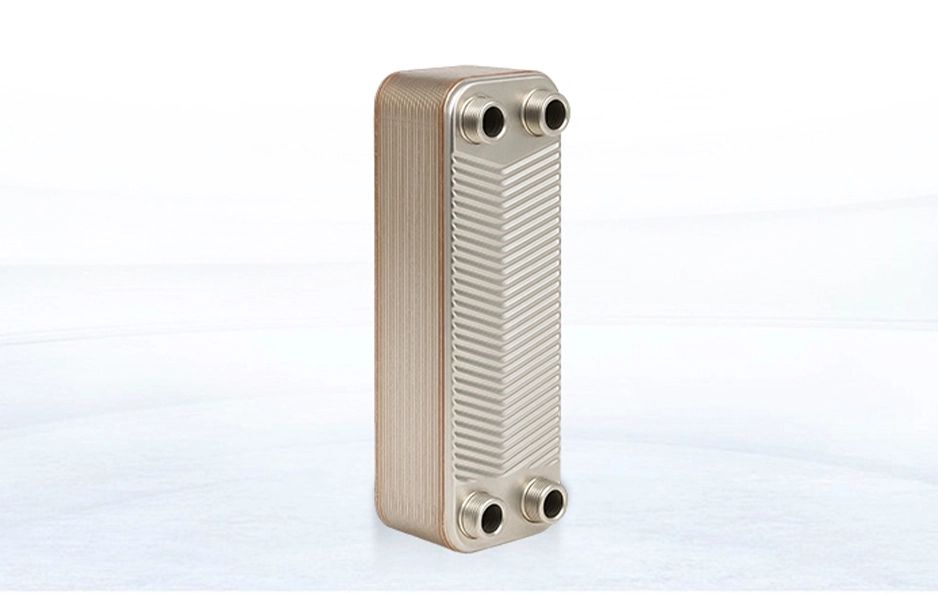
ब्रेज़्ड यूनिट तंग जगहों और उच्च दबाव वाले कार्यों के लिए उपयुक्त होती है। इसका उपयोग अक्सर प्रशीतन, वाणिज्यिक उपकरणों आदि में किया जाता है।कमर्शियल एचवीएसी, हॉट वॉटर लूप्स और कॉम्पैक्ट प्रोसेस सिस्टम। आधिकारिक उत्पाद पृष्ठ पर बताया गया है कि तांबा ब्रेज़्ड प्लेट हीट एक्सचेंजर इनमें गैस्केट नहीं होते और ये उच्च तापमान और उच्च दबाव की स्थितियों के लिए उपयुक्त होते हैं, लेकिन येब्रेज़िंग के बाद ये मूल रूप से मरम्मत योग्य या साफ करने योग्य नहीं रह जाते हैं।
इससे फ्रंट-एंड की गुणवत्ता और भी महत्वपूर्ण हो जाती है। एक बार इंस्टॉल हो जाने के बाद, आपको उतनी आसानी से निरीक्षण करने का मौका नहीं मिलता।
गैस्केट, प्लेट और सर्विस सपोर्ट
प्लेट की खराबी केवल धातु से संबंधित नहीं होती। गैस्केट सामग्री का तापमान और माध्यम के अनुरूप होना भी आवश्यक है। आपूर्ति की गई गैस्केट जानकारी से एक सरल उदाहरण यहां दिया गया है:
| गैस्केट सामग्री | तापमान रेंज आपरेट करना | सामान्य फिट |
|---|---|---|
| नैटराइल रबड़ | -20°C से 135°C तक | तेल प्रतिरोधी सामान्य उपयोग |
| ईपीडीएम रबर | -50°C से 180°C तक | जल, वाष्प, अम्ल, क्षार, लवण संबंधी कार्य |
| फ्लोरोरबर | -50°C से 250°C तक | उच्च तापमान, तेल, अम्ल, क्षार से संबंधित कार्य |
| नियोप्रीन | -20°C से 150°C तक | तेल प्रतिरोधी सामान्य उपयोग |
| सिलिकॉन रबर | -65°C से 230°C तक | कम तापमान और शुष्क ताप से संबंधित कार्य |
उन्हीं निर्देशों में यह भी कहा गया है कि गैस्केट की सतहें सपाट और चिकनी होनी चाहिए, उन पर बुलबुले, गड्ढे, उभार या अन्य सीलिंग संबंधी दोष नहीं होने चाहिए।
सहनशीलता के आधार पर भोजन करना निष्क्रियता का कारण बनने से पहले पूछ लें
कब पीएचई प्लेट की मोटाई यह गलत है, खराबी हमेशा पहले दिन नहीं आती। यह इंतजार करती है। स्टार्टअप, कुछ सफाई चक्र, पंप के कुछ कंपन और शायद मौसमी लोड परिवर्तन के दौरान यह इंतजार करती है। फिर दरारें, रिसाव, मिश्रित मीडिया और तत्काल स्पेयर पार्ट्स की आवश्यकता होती है।
खरीदने से पहले, अपने आपूर्तिकर्ता को कार्यशील दबाव, तापमान, माध्यम, क्लोराइड स्तर (यदि लागू हो), प्रवाह दर, प्लेट सामग्री, लक्षित मोटाई और सफाई विधि भेजें। यदि यूनिट पहले ही खराब हो चुकी है, तो दरारों की तस्वीरें, नेमप्लेट डेटा, वास्तविक माप, संचालन के महीने और दबाव के रिकॉर्ड संलग्न करें।
एक अच्छी प्रतिस्थापन योजना इसका मतलब नई प्लेटें हो सकती हैं। कभी-कभी इसका मतलब नया गैस्केट सेट होता है। कभी-कभी सुरक्षित समाधान एक नई प्लेट यूनिट या बेहतर फिटिंग वाली ब्रेज़्ड यूनिट लगाना होता है। मूल बात सीधी सी है: प्लेट के बीच का गैप कमजोर बिंदु बनने से पहले धातु की जांच कर लें।
अक्सर पूछे जाने वाले प्रश्न
प्रश्न: यदि सिस्टम का दबाव सामान्य है तो पीएचई प्लेट की मोटाई क्यों मायने रखती है?
ए: सामान्य दबाव में भी पंप चालू होने, वाल्व की गति और प्रवाह में परिवर्तन के कारण बार-बार तनाव उत्पन्न होता है। यदि प्लेट बहुत पतली है, तो लहरदार तनाव बिंदु तेजी से कमजोर हो जाते हैं।
प्रश्न: क्या पीएचई प्लेट की मोटाई संबंधी समस्याएं गैस्केट रिसाव जैसी दिख सकती हैं?
ए: जी हाँ। पतली या विकृत प्लेट गैस्केट के संपीड़न को बाधित कर सकती है, इसलिए नए गैस्केट लगाने के बाद भी यूनिट से रिसाव हो सकता है। केवल सील की ही नहीं, प्लेट के मुख्य भाग की भी जाँच करें।
प्रश्न: प्राप्ति निरीक्षण के दौरान आप पीएचई प्लेट की मोटाई की जांच कैसे कर सकते हैं?
ए: माइक्रोमीटर का उपयोग करके कुछ प्लेटों पर अलग-अलग बिंदुओं को मापें, बैच के वजन की तुलना करें और सामग्री प्रमाण पत्र संभाल कर रखें। पुनर्निर्मित इकाइयों के लिए, उपयोग शुरू करने से पहले दबाव सहन करने का परीक्षण करें।


