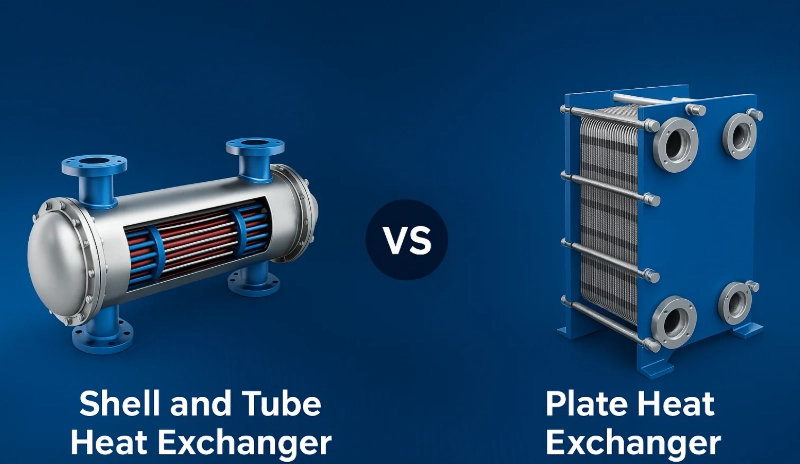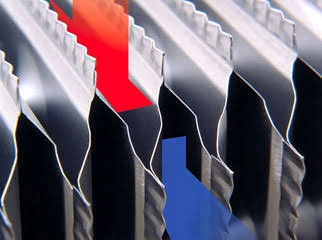

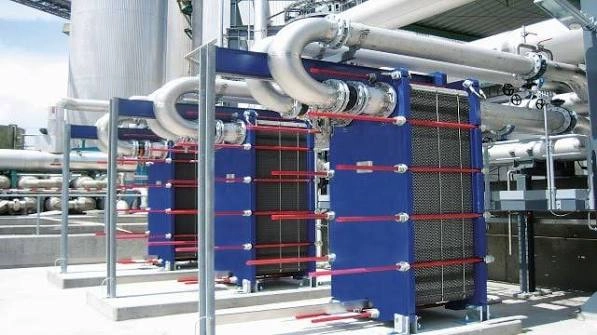
پلانٹ مینیجرز کو آلات کی اچانک ناکامی سے نفرت ہے۔ جب ایک اہم پلیٹ ہیٹ ایکسچینجر چوٹی کے اوقات میں ٹوٹ جاتا ہے، تو پورا کولنگ لوپ ختم ہو جاتا ہے۔ سیلاب زدہ مکینیکل کمرے کو ٹھیک کرنے میں بہت زیادہ رقم خرچ ہوتی ہے اور آپ کا یومیہ پروڈکشن شیڈول خراب ہو جاتا ہے۔ اچھی طرح سے ٹیسٹ شدہ تھرمل ہارڈویئر کو سورسنگ ان بڑے سر درد کو روکتا ہے اس سے پہلے کہ سکڈ فیکٹری کے فرش سے نکل جائے۔
2015 میں قائم کیا گیا، اناج سخت ISO9001:2015 کوالٹی سرٹیفیکیشن رکھنے والے اعلی درجے کے ہیٹ ایکسچینجر مینوفیکچرر کے طور پر کام کرتا ہے۔ یہ سہولت ہیوی ڈیوٹی پلیٹس، لچکدار گاسکیٹ، اور مکمل تھرمل سکڈز میں مہارت رکھتی ہے جو روزانہ کی ظالمانہ کارروائیوں سے بچنے کے لیے بنائے گئے ہیں۔ اپنے ہارڈ ویئر کو ایک سرشار ماہر کے ذریعہ بنایا اور جانچنا آپ کی سہولت کو انتہائی دباؤ میں ٹھنڈا رکھتا ہے۔
پلیٹ ہیٹ ایکسچینجر، واٹر پمپ، اور والو چیک
ایک قابل اعتماد کولنگ سکڈ کی تعمیر بنیادی ہارڈویئر کو بیس فریم پر بالکل سیدھ میں لانے کے ساتھ شروع ہوتی ہے۔ فیکٹری کے کارکنوں کو پہلے مکینیکل بنیادی باتوں کی تصدیق کرنی ہوگی۔
بنیادی حرارت کی منتقلی کے اجزاء کی تصدیق
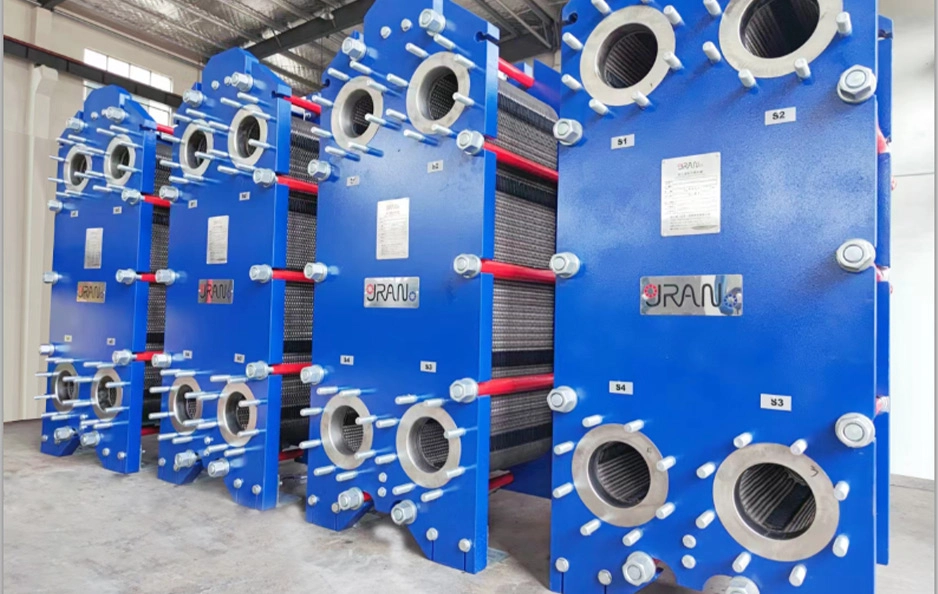
مرکزی تھرمل بلاک ہیوی لفٹنگ کرتا ہے۔ تکنیکی ماہرین اس بات کی تصدیق کرنے کے لیے کلیمپنگ اسٹڈز کی پیمائش کرتے ہیں کہ وہ ہم آہنگی سے سخت ہیں، اندرونی دھاتی چادروں کو مکمل طور پر متوازی رکھتے ہوئے ایک اعلیٰ معیار پلیٹ ہیٹ ایکسچینجر پریمیم سٹینلیس سٹیل یا ٹائٹینیم مرکب کے ساتھ جمع کرنے کی ضرورت ہے. ناہموار جڑیں سگ ماہی کی پٹریوں کو کچل دیتی ہیں اور بعد میں اچانک پھٹ پڑتی ہیں۔
پانی کے پمپ کے بہاؤ اور دباؤ کا اندازہ
پمپ سیال کو حرکت دیتے ہیں، اور ان کی حقیقی دنیا کی کارکردگی انجینئرنگ کے منحنی خطوط سے مماثل ہوتی ہے۔ تکنیکی ماہرین اس بات کی تصدیق کرنے کے لیے عارضی پاور لگاتے ہیں کہ پمپ آپ کے مخصوص پائپنگ لے آؤٹ کے لیے درکار عین ہیڈ پریشر کو مارتا ہے۔ ایک کمزور پمپ ٹھنڈے سیال کی تھرمل پلیٹوں کو بھوکا رکھتا ہے۔
والو ردعمل اور کنٹرول انشانکن
موٹرائزڈ والوز تھرمل بوجھ کی بنیاد پر بہاؤ ایڈجسٹمنٹ کو ہینڈل کرتے ہیں۔ اگر ایکچیویٹر آدھے راستے پر کھلا رہتا ہے تو درجہ حرارت کا ضابطہ مکمل طور پر ناکام ہوجاتا ہے۔ ٹیسٹر ان والوز کو بار بار چکر لگاتے ہیں، جھٹکے دار مکینیکل حرکات یا بائنڈنگ کو دیکھتے ہیں۔
پائپ لائن ویلڈ سیون اور انٹرفیس کے امتحانات
ان تمام بھاری اجزاء کو ایک ساتھ باندھنے کے لیے بے عیب پائپ کنکشن کی ضرورت ہوتی ہے۔ ایک خراب ویلڈ بالآخر تیز رفتار سیال کی مسلسل کمپن کے تحت ٹوٹ جاتا ہے۔
ویلڈ جوڑوں کی غیر تباہ کن جانچ
دباؤ والے نظام کے لیے بصری چیک کبھی بھی کافی نہیں ہوتے۔ کوالٹی انسپکٹرز ویلڈ سیون کے اندر گہرائی میں چھپی ہوئی خوردبین دراڑوں کو تلاش کرنے کے لیے ڈائی پینیٹرینٹ یا الٹراسونک آلات استعمال کرتے ہیں۔ دکان میں کمزور جوڑ پکڑنے سے آپ کی فیکٹری کے فرش پر تباہ کن پائپ پھٹنا بند ہو جاتا ہے۔
فلینج سیدھ اور ٹارک کی تصدیق
پائپ فلینجز کو ایک دوسرے کے خلاف مردہ فلیٹ بیٹھنا چاہیے۔ بھاری بولٹوں کو نیچے کرینک کر کے غلط طریقے سے لگے ہوئے فلینجز کو ایک ساتھ مجبور کرنا دھات پر مستقل دباؤ ڈالتا ہے۔ تکنیکی ماہرین متوازی صف بندی کی تصدیق کرتے ہیں اور بولٹ کو محفوظ طریقے سے لاک کرنے کے لیے کیلیبریٹڈ ٹارک رینچ کا استعمال کرتے ہیں۔
اینٹی سنکنرن کوٹنگ اور سطح کا معائنہ
صنعتی ماحول خام کاربن اسٹیل تیزی سے کھاتے ہیں۔ بے نقاب ساختی حصوں کو زنگ مخالف بھاری علاج ملتا ہے، اور فلینج سیلنگ چہرے موٹی چکنائی سے محفوظ ہوجاتے ہیں۔ حتمی پینٹ فلم مکمل طور پر یکساں نظر آنی چاہیے، مکمل طور پر چھیلنے یا بلبلوں سے پاک۔
پریشر ٹیسٹنگ اور رساو کا پتہ لگانے کے طریقہ کار
ایک صاف فیکٹری میں ایک چھوٹا سا رساو تلاش کرنا ہمیشہ تاریک تہہ خانے میں تلاش کرنے سے بہتر ہے۔
ہائیڈرولک پریشر ہولڈنگ ٹیسٹ
ٹیسٹرز نچلے داخلی پائپ کو اندھا کرتے ہیں، چینل کو پانی سے بھر دیتے ہیں، اور ایک گیج منسلک کرتے ہیں۔ ایک ٹیسٹ پمپ اندرونی دباؤ کو اوپر دھکیلتا ہے، اور یونٹ کو اس دباؤ کو 30 منٹ تک مکمل طور پر مستحکم رکھنا چاہیے۔ اگر سوئی گرے بغیر جمی رہتی ہے تو آخر میں بیرونی پائپ جڑ جاتے ہیں۔
مائیکرو رساو کی شناخت کے طریقے
جب نظام بھاری دباؤ میں بیٹھتا ہے، انسپکٹر فلیش لائٹس کے ساتھ فریم کے گرد رینگتے ہیں۔ وہ ربڑ کے ہر ایک ٹریک اور پائپ کے دھاگے کو چیک کرتے ہیں۔ کبھی کبھی ایک رساو صرف ٹھنڈے دھات پر پسینے کے ایک چھوٹے سے مالا کی طرح لگتا ہے۔
گاسکیٹ کی سالمیت اور کمپریشن چیک
دھاتی چادروں کے ارد گرد رکھے گئے ربڑ کے پیڈ اصل سیال چینلز بناتے ہیں۔ جب کارکنان ان سٹرپس کو نالیوں میں چسپاں کرتے ہیں، تو اس میں صفر مسخ یا مروڑ ہونا چاہیے۔
| گسکیٹ کا مواد | کام کرنے والے درجہ حرارت کی حد | درخواست کی جھلکیاں |
|---|---|---|
| NBR (نائٹرائل ربڑ) | -20 ° C سے 135 ° C | تیل مزاحم، عام کام کے حالات |
| ای پی ڈی ایم ربڑ | -50 ° C سے 180 ° C | تیزاب، الکلی، نمک، اور کلورائد مزاحم |
| فلورروبر | -50 ° C سے 250 ° C | اعلی درجہ حرارت، بھاری تیزاب، مخصوص ری ایجنٹس |
| سلیکون ربڑ | -65 ° C سے 230 ° C | کم درجہ حرارت اور خشک گرمی مزاحمت |
الیکٹریکل کنٹرول کیبنٹ، سینسر، اور انسٹرومنٹ ڈیبگنگ
بھاری دھات کے حصے کام کرنے والے دماغ کے بغیر کچھ نہیں کرتے ہیں۔ کنٹرول کیبنٹ یہ بتاتی ہے کہ تھرمل بوجھ کو تبدیل کرنے پر پوری رگ کس طرح رد عمل ظاہر کرتی ہے۔
کنٹرول پینل وائرنگ اور سیفٹی چیک
الیکٹریشن ڈھیلے تاروں کو پکڑنے کے لیے ٹرمینل بلاکس پر گھس رہے ہیں۔ ایک ہلنے والی مشین آسانی سے خراب تار کو ہلا دیتی ہے، جس سے پورے کولنگ لوپ کو بند کر دیا جاتا ہے۔ آپریٹر جھٹکوں کو روکنے کے لیے گراؤنڈنگ کا بہت زیادہ تجربہ کیا جاتا ہے۔
درجہ حرارت اور پریشر سینسر کیلیبریشن
سینسر وقت کے ساتھ بڑھتے ہیں یا تھوڑا سا بند پڑھتے ہوئے باکس سے باہر آتے ہیں۔ تکنیکی ماہرین کیلیبریٹڈ ماسٹر گیجز کے خلاف فیکٹری کی تحقیقات کو چیک کرتے ہیں۔ اگر ایک سینسر دس ڈگری بہت گرم پڑھتا ہے، تو پورا نظام بے ترتیبی سے برتاؤ کرتا ہے۔
خودکار نظام رسپانس کی تصدیق
حفاظتی حدود کو جان بوجھ کر آگے بڑھایا جاتا ہے۔ ٹیسٹرز یہ دیکھنے کے لیے ہائی پریشر اسپائک یا انتہائی درجہ حرارت کے واقعے کی نقالی کرتے ہیں کہ آیا کنٹرول پینل واقعی الارم کو متحرک کرتا ہے اور پمپ کو محفوظ طریقے سے بند کر دیتا ہے۔
مکمل مشین ٹرائل رن، پیکیجنگ، اور شپنگ کی تصدیق
حتمی رکاوٹ سامان کے شپنگ ٹرک پر لوڈ ہونے سے پہلے ہی واقع ہوتی ہے۔
مکمل سسٹم آپریشنل سمولیشن
بجلی اور پانی پورے سکڈ میں اس طرح چلتے ہیں جیسے یہ آپ کے پلانٹ میں بیٹھا ہو۔ یہ لائیو ٹیسٹ ثابت کرتا ہے کہ پمپ، والوز، اور حرارت کی منتقلی کی پلیٹیں بغیر کسی ہچکچاہٹ کے ایک دوسرے سے صحیح طریقے سے بات کرتی ہیں۔
کمپن اور شور کی سطح کی نگرانی
اگر پمپ اونچی آواز میں چیختا ہے یا فریم پرتشدد طور پر ہلتا ہے، تو میکانکی طور پر کچھ غلط ہے۔ بیرنگ خراب ہو سکتے ہیں، یا پائپ میں مناسب مدد کی کمی ہو سکتی ہے۔ ہر چیز کو ہموار اور نسبتاً پرسکون ہونا چاہیے۔
محفوظ ٹرانزٹ کے لیے حفاظتی پیکیجنگ
معیاری لکڑی کے پیکنگ بکس کشتی کو پہنچنے والے نقصان کو روکنے کے لیے برآمدی قوانین پر سختی سے عمل کرتے ہیں۔ مہنگے ٹائٹینیم یا Hastelloy استعمال کرنے والی اعلیٰ قیمت والی اشیاء کے لیے، اپنی مرضی کے مطابق تقویت یافتہ ایلومینیم کے ڈبے ٹرانزٹ کے دوران سنگین تحفظ فراہم کرتے ہیں۔ اگر آپ کے مکینیکل کمرے میں جگہ بہت زیادہ محدود ہے تو ایک کمپیکٹ بریزڈ پلیٹ ہیٹ ایکسچینجر ایک بڑے بولڈ پلیٹ ہیٹ ایکسچینجر کے فریم سے بہت بہتر فٹ بیٹھتا ہے۔
| تفصیلات | گاسکیٹڈ پلیٹ کا سامان | بریزڈ پلیٹ کا سامان |
|---|---|---|
| زیادہ سے زیادہ ہیٹ ایکسچینج ایریا | 5000 مربع میٹر تک | 2500 مربع میٹر تک |
| زیادہ سے زیادہ کام کرنے کا دباؤ | 25 ایم پی اے | 40 ایم پی اے |
| زیادہ سے زیادہ آپریٹنگ درجہ حرارت | 200°C | 300°C |
| بنیادی مواد | سٹینلیس سٹیل، ٹائٹینیم، کاربن سٹیل | سٹینلیس سٹیل، ٹائٹینیم، ایلومینیم کھوٹ |
سرٹیفائیڈ ہیٹ ٹرانسفر یونٹس کے ساتھ پارٹنر
غیر تصدیق شدہ دکانداروں سے صنعتی سازوسامان کا حصول مسلسل مرمت پر پلانٹ کے بجٹ کو اڑا دینے کا ایک تیز طریقہ ہے۔
کوالٹی اشورینس کے جامع معیارات
آپ کو ایک ایسے سپلائر کی ضرورت ہے جو خام مال کی خریداری کو احتیاط سے سنبھالے، چین سے پریمیم اسٹیل اور درآمد شدہ ربڑ کے مرکبات لائے۔ مناسب مواد کی فراہمی قبل از وقت سنکنرن کو روکتی ہے۔ کو ایک ٹھوس انجینئرنگ پس منظر دیکھیںہمارے بارے میں صفحہ کو قریب سے دیکھنے سے عالمی سطح پر پیچیدہ سیال مسائل کو حل کرنے کی ایک طویل تاریخ کا پتہ چلتا ہے۔
عالمی رسائی اور حسب ضرورت صلاحیتیں۔
تصدیق شدہ مصنوعات اس وقت یورپ، امریکہ، مشرق وسطیٰ اور جنوب مشرقی ایشیا میں عالمی سطح پر کام کرتی ہیں۔ وہ ڈیٹا سینٹر کولنگ لوپس اور بڑے پیمانے پر سمندری پانی کو صاف کرنے والے پلانٹس کو دباؤ میں ٹھنڈا کرتے رہتے ہیں۔
وقف کے بعد فروخت کی بحالی کی حمایت
سخت پانی وقت کے ساتھ دھات کو برباد کر دیتا ہے۔ کیلشیم اور میگنیشیم ٹوٹ جاتے ہیں اور گرم سطحوں پر بیک کرتے ہیں، موٹی چٹان سخت پیمانہ بناتے ہیں۔ جب ایسا ہوتا ہے، آپ کو ایک کی ضرورت ہوتی ہے۔ سروس ٹیم کیمیکل ایسڈ واش چلانے اور مردہ ربڑ کو تبدیل کرنے کے لیے تیار ہے۔ پہلے دن اپنے ہارڈ ویئر کی صحیح جانچ کروائیں اور ہنگامی مرمت کے بلوں کو چھوڑ دیں۔ پیداوار کو سالوں تک مستحکم رکھنے کے لیے آپ کو ایک قابل اعتماد پلیٹ ہیٹ ایکسچینجر کی ضرورت ہے۔
اکثر پوچھے گئے سوالات
Q1: 30 منٹ کے ہائیڈرولک ہولڈنگ ٹیسٹ کو کیا ضروری بناتا ہے؟
A: جانچ کرنے والے پانی کے دباؤ کو 30 منٹ تک مکمل طور پر مستحکم رکھتے ہیں تاکہ یہ ثابت کیا جا سکے کہ ربڑ کی پٹیاں بالکل ٹھیک بیٹھی ہوئی ہیں اور دھاتی چادروں میں بالکل کوئی خوردبینی پن ہول نہیں ہیں۔
Q2: اگر فلینج بولٹ کو یکساں طور پر ٹارک نہ کیا جائے تو کیا ہوتا ہے؟
A: غیر مساوی سختی دھاتی پائپوں پر شدید ٹیڑھا دباؤ ڈالتی ہے اور ایک طرف سے سیلنگ چہروں کو کچل دیتی ہے، جس سے پمپ کے ریمپ ہونے پر اچانک سیال بہنے لگتا ہے۔
Q3: وقت کے ساتھ ساتھ پلیٹ ہیٹ ایکسچینجر پر پانی کا خراب معیار کیسے متاثر ہوتا ہے؟
A: غیر موزوں نرم پانی کیلشیم اور میگنیشیم کو گرم ہونے پر باہر نکلنے دیتا ہے، سخت پیمانہ کو براہ راست دھات کی دیواروں پر پکاتا ہے۔ یہ تنگ بہاؤ چینلز کو روکتا ہے اور تھرمل کارکردگی کو برباد کر دیتا ہے۔