



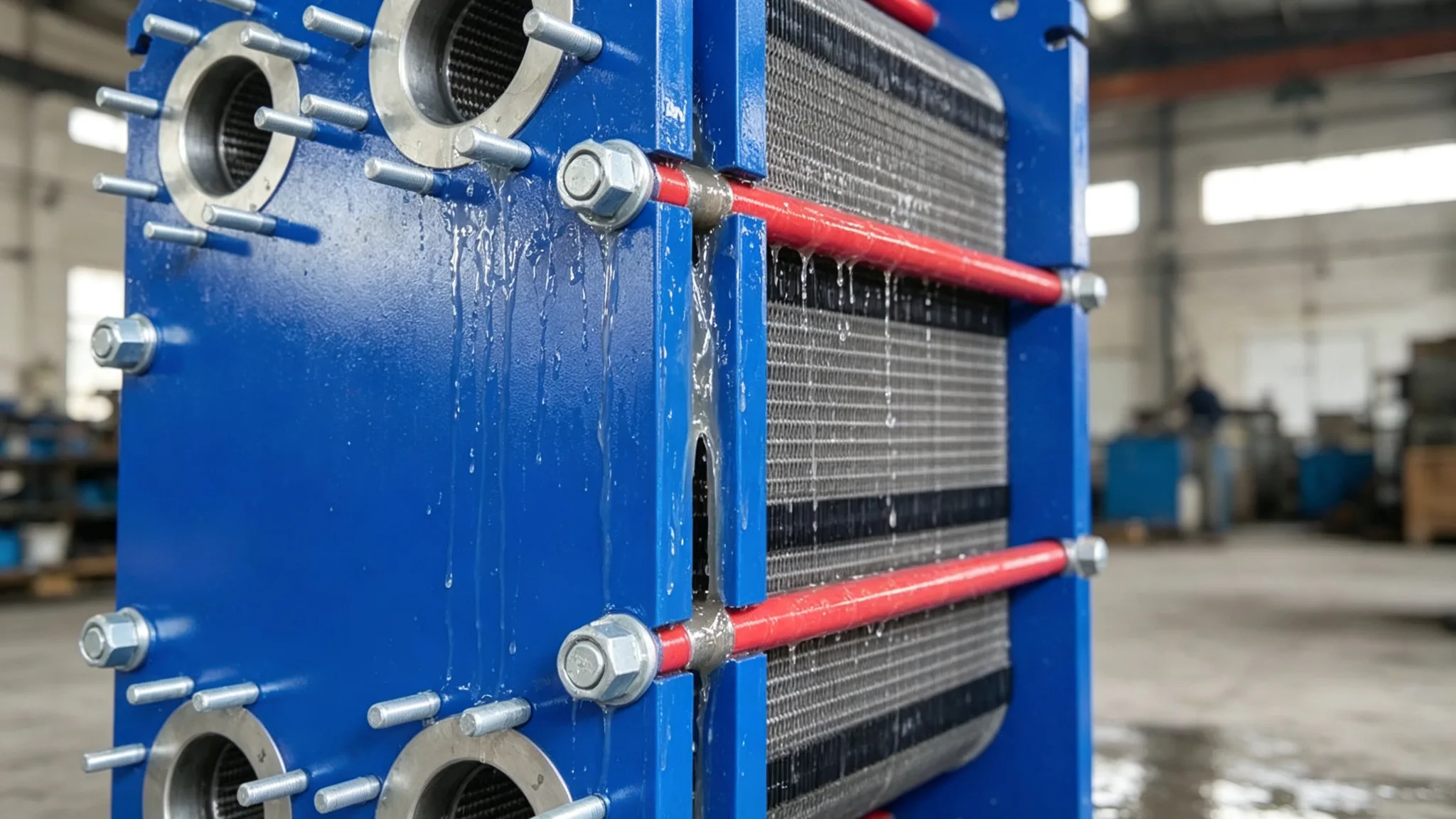
پلانٹ مینیجرز اکثر مکینیکل کمرے میں داخل ہوتے ہیں تاکہ فرش پر ایک پراسرار گڑھا تلاش کیا جا سکے۔ تھرمل آلات پر بولٹ کو سختی سے ٹارک کر دیا جاتا ہے، پھر بھی پلیٹ پیک کے عین وسط میں ایک ضدی رساو برقرار رہتا ہے۔ اس انتہائی مایوس کن مسئلے کی کیا وجہ ہے؟ مجرم تقریبا ہمیشہ ہیٹ ایکسچینجر کا پتلا فریم ہوتا ہے۔ جب کوئی سپلائر خاموشی سے کاربن اسٹیل کے ڈھانچے کو کچھ روپے بچانے کے لیے نیچے کرتا ہے، تو طبیعیات اپنے ہاتھ میں لے لیتی ہے، اور پوری یونٹ دباؤ میں جھک جاتی ہے۔
اگر تم ان سے بچنا چاہتے ہو تو مجھ سے چھپا لوچینیکل آفات، ایک قابل اعتماد کارخانہ دار سے سورسنگ سب کچھ بدل دیتی ہے۔ 2015 میں قائم کیا گیا، اناج ایک کے طور پر کام کرتا ہے۔ پیشہ ورانہ گرمی ایکسچینجر کارخانہ دار ڈی ٹیچ ایبل یونٹس، اہم گاسکیٹ اور اعلی طاقت والی پلیٹوں میں مہارت حاصل کرنا۔ ISO9001:2015 کوالٹی مینجمنٹ سسٹم کے تحت سختی سے کام کرتے ہوئے، آپ کو پلانٹ کے بجٹ کو اڑا دیئے بغیر آپ کے عین عمل کے سیالوں کے مطابق اعلی درجے کا ہارڈ ویئر ملتا ہے۔ ہمارے بارے میں ایک گہرا غوطہ لگانے کے لیے چیک کریں کہ کس طرح حقیقی تکنیکی مہارت صنعتی نظام کو آسانی سے چلتی رہتی ہے۔
مکمل طور پر سخت بولٹ کے باوجود درمیانی رساو کا عجیب و غریب واقعہ
یہ عام طور پر زیادہ بوجھ والی پروڈکشن شفٹ کے دوران ہوتا ہے۔ آپ کو ایک مستقل ڈرپ نظر آتی ہے، اور چیزیں تیزی سے بڑھ جاتی ہیں۔
ایج سیلنگ اور سینٹر لیک ہونے کی علامت
دیکھ بھال کرنے والے کارکن ایک بھاری رنچ پکڑتے ہیں اور فریم بولٹ کو سختی سے نیچے کرینک کرتے ہیں۔ چار کونوں کی چوٹکی بالکل بند ہے۔ آپ کو سیال کا ایک قطرہ بھی کناروں سے نکلتا نہیں ملے گا۔ لیکن دھاتی پیک کے مردہ مرکز میں، گرم سیال اب بھی کمرے میں چھڑکتا ہے۔
بولٹ کو زیادہ سخت کرنے کی مایوس کن کوششیں۔
قدرتی انسانی ردعمل یونٹ کو مزید سخت کرنا ہے۔ لوگ فرض کرتے ہیں کہ زیادہ ٹارک بہتر سگ ماہی کے برابر ہے۔ حقیقت میں، بولٹ پر بار بار کرینک کرنا ایک خوفناک حکمت عملی ہے۔ زیادہ سختی صرف دھات کی نالیوں کو کچل دیتی ہے اور ربڑ کی پٹریوں کو تباہ کر دیتی ہے۔
گاسکیٹ اور پلیٹ کی سالمیت پر غلط الارم
آخر کار، آپ نے سسٹم کو بند کر دیا اور پوری یونٹ کو پھاڑ دیا۔ آپ پوری طرح سے پھٹے ہوئے سٹینلیس سٹیل کی چادریں یا کٹے ہوئے ربڑ کی مہریں تلاش کرنے کی توقع کرتے ہیں۔ حیرت انگیز طور پر، گسکیٹ بالکل ٹھیک نظر آتے ہیں، اور پلیٹوں میں صفر پن ہول ہوتے ہیں۔ ناکامی کا اصل میں اندرونی اجزاء سے کوئی تعلق نہیں ہے۔
بیرونی فریم کے وزن کے حوالے سے مہلک حصولی کی غلط فہمی۔
صنعتی ہارڈویئر خریدتے وقت، پروکیورمنٹ ٹیمیں اکثر غلط تصریحات کا شکار ہوجاتی ہیں۔
اندرونی سٹینلیس سٹیل پلیٹوں پر زیادہ زور
خریدار 304 یا 316L سٹینلیس شیٹس کو قریب سے دیکھتے ہیں۔ وہ 0.5 ملی میٹر موٹائی اور ہیرنگ بون کوروگیشن پیٹرن کی جانچ کرتے ہیں۔ وہ یہ جاننا چاہتے ہیں کہ سیال چینلز کیسے کام کرتے ہیں۔
کاربن اسٹیل بلائنڈ پلیٹ کی موٹائی کو نظرانداز کرنا
مکمل طور پر اندر کی طرف توجہ مرکوز کرتے ہوئے، وہ پوری مشین کے سب سے بھاری، مہنگے حصے کو مکمل طور پر بھول جاتے ہیں: بیرونی کاربن اسٹیل بلائنڈ پلیٹیں۔ یہ موٹے بیرونی غلاف پوری مشین کو ایک ساتھ رکھتے ہیں۔
ہلکے وزن کے فریموں کے لیے خطرناک ترجیح
ایک ہلکا یونٹ شپنگ انوائس پر بہت اچھا لگتا ہے۔ تنصیب کے دوران کنکریٹ کے فرش پر گھسیٹنا آسان محسوس ہوتا ہے۔ لیکن بنیادی ڈھانچے کے ڈھانچے کو لاگت کم کرنے کی جگہ کی طرح علاج کرنا بعد میں سڑک کے نیچے بڑے پیمانے پر ناکامی کا باعث بنتا ہے۔
ضرورت سے زیادہ انحراف اور جھکنے کی مکینیکل سچائی
طبیعیات کو سستی رسید کی پرواہ نہیں ہے۔ سیال حرکیات ایک کمزور فریم کو فوری طور پر بے نقاب کر دے گی۔
بہت زیادہ ہائیڈرولک علیحدگی فورسز
جب درجنوں نالیدار پلیٹیں بھاری دباؤ میں مائع سے بھر جاتی ہیں، تو وہ بڑے پیمانے پر باہر کی طرف دھکیل دیتی ہیں۔ دو بیرونی کاربن اسٹیل سلیبوں کو اس ہائیڈرولک علیحدگی کی قوت کے ہر پاؤنڈ کو جذب کرنا ہوتا ہے۔
پتلے ہیٹ ایکسچینجر فریم کے ذریعے دھوکہ دہی سے لاگت میں کمی
کچھ خاکے دار سپلائرز خاموشی سے کم بولی والا معاہدہ جیتنے کے لیے سٹیل کو منڈواتے ہیں۔ ایک یونٹ جس کو تکنیکی طور پر 60 ملی میٹر موٹے کور کی ضرورت ہوتی ہے اسے 40 ملی میٹر تک گھٹا دیا جاتا ہے۔ یہ ایک انتہائی خطرناک پتلا ہوا ہیٹ ایکسچینجر فریم بناتا ہے جو صنعتی تناؤ کو نہیں سنبھال سکتا۔
مرکز میں خرد ظاہری جھکنا
جب یہ سمجھوتہ شدہ ہارڈویئر زیادہ سے زیادہ آپریٹنگ پریشر کو مارتا ہے، تو بولڈ کونے مضبوطی سے پکڑے رہتے ہیں۔ تاہم، کاربن اسٹیل کا مرکز باہر کی طرف کھینچی ہوئی کمان کی طرح جھکتا ہے۔ انسانی آنکھ اس خوردبینی انحطاط کو نہیں پکڑ سکتی، لیکن یہ فوری طور پر کلیمپنگ پریشر کے مرکز پلیٹوں کو لوٹ لیتی ہے، جس سے سیال نکلنے دیتا ہے۔
ساختی آفات کو روکنے کے لیے صحیح تھرمل آلات کا انتخاب
صحیح فزیکل ہارڈویئر کا انتخاب اس جھکنے کے اثر کو شروع ہونے سے پہلے ہی روک دیتا ہے۔
گسکیٹڈ سسٹمز کے لیے ہیوی ڈیوٹی حل
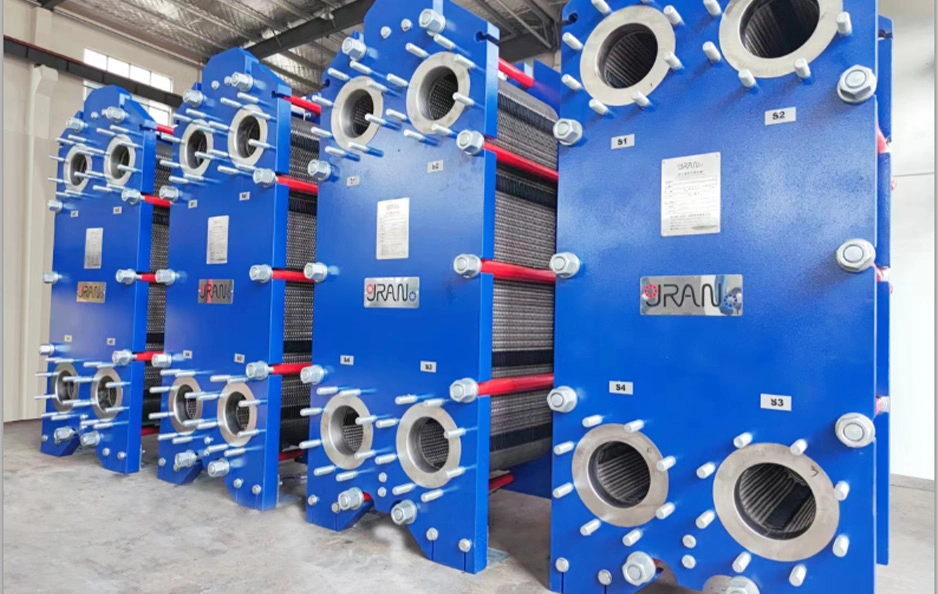
اگر آپ کے پلانٹ کو بڑے پیمانے پر تھرمل کنٹرول اور فزیکل اسکربی کے لیے مشین کھولنے کی صلاحیت درکار ہے۔کی، ایک مضبوط پلیٹ ہیٹ ایکسچینجر مناسب s کے ساتھ بنایا گیا ہے۔ٹیل مارجن لازمی ہے۔ یہ سیٹ اپ جھکنے کے خطرے کے بغیر بڑے پیمانے پر حرارتی طاقت فراہم کرتے ہیں۔
| پیرامیٹر | تفصیلات |
|---|---|
| زیادہ سے زیادہ ہیٹ ایکسچینج ایریا | 5000 m² تک |
| زیادہ سے زیادہ کام کرنے کا دباؤ | 25 ایم پی اے |
| زیادہ سے زیادہ آپریٹنگ درجہ حرارت | 200°C |
| مین پلیٹ مواد | سٹینلیس سٹیل، ٹائٹینیم کھوٹ، کاربن سٹیل |
کومپیکٹ اسپیس کے لیے متبادل بریزڈ حل
کبھی کبھی آپ کو بڑے پیمانے پر بولڈ فریم کی ضرورت نہیں ہوتی ہے۔ تنگ HVAC کمروں یا ہائی پریشر کے لیے ریفریجرینٹ لوپس، اے بریزڈ پلیٹ ہیٹ ایکسچینجر کام pمکمل طور پر تانبے یا نکل کا استعمال کرتے ہوئے پلیٹوں کو براہ راست ایک ساتھ ویلڈنگ کرکے، یہ ماڈل بیرونی کاربن سلیب پر انحصار کیے بغیر 40MPa اور 300°C تک ہینڈل کرتے ہیں۔
پیشہ ورانہ تکنیکی مدد کی اہمیت
آپ کے سیال کے بہاؤ کے ساتھ صحیح ماڈل کو ملانا اجزاء کے تیزی سے انحطاط کو روکتا ہے۔ دباؤ میں کمی اور تھرمل کارکردگی کو متوازن کرنے کے لیے آپ کو ماہر کے مشورے کی ضرورت ہے۔
غیر سمجھوتہ ہیوی ڈیوٹی فریم معیارات
آپریٹر کی حفاظت اور پلانٹ کے منافع کے لیے ایک مضبوط فریم غیر گفت و شنید ہے۔
پریشر ویسل کے معیارات پر سختی سے عمل کرنا
سنجیدہ مینوفیکچررز سخت صنعتی دباؤ والے برتن کوڈ کے بعد اپنے کور بناتے ہیں۔ آپ کو دھڑکنے کے لیے ڈیزائن کی گئی ایک مشین ملتی ہے، جو شیوڈ اسٹیل کے خطرات سے مکمل طور پر گریز کرتی ہے۔
اعلیٰ کاربن اسٹیل کی موٹائی کا مارجن
ہر یونٹ میں موٹائی کا مارجن کم از کم سے اوپر ہونا چاہیے۔ ایک باریک ہیٹ ایکسچینجر فریم کی بھاری صنعت میں قطعی طور پر کوئی جگہ نہیں ہے، خاص طور پر جب خطرناک کیمیکلز یا تیز بھاپ سے نمٹنے کے لیے۔
گارنٹی شدہ متوازی کلیمپنگ فورس کنٹرول
اسمبلی کے دوران، کلیمپنگ سٹڈز کو یکساں طور پر اور ہم آہنگی سے سخت کیا جانا چاہیے۔ یہ محتاط طریقہ کار اندرونی پلیٹوں کو مکمل طور پر متوازی رکھتا ہے، مرکز کو جھکنے سے روکتا ہے اور ربڑ کی مہروں کو ان کی نالیوں میں مضبوطی سے بند کر دیتا ہے۔
قابل اعتماد حرارت کی منتقلی کے حل کے ساتھ شراکت دار
ایک ٹھوس سامان فراہم کنندہ تلاش کرنا آپ کے اگلے میکینیکل روم اپ گریڈ کے دباؤ کو دور کرتا ہے۔
جامع پلیٹ اور فریم پورٹ فولیو
ایک اچھا کیٹلاگ ٹائٹینیم الائے پلیٹوں سے لے کر انتہائی درجہ حرارت والے سلیکون ربڑ تک ہر چیز کا احاطہ کرتا ہے۔ آپ کو ایسے ہارڈ ویئر کی ضرورت ہے جو آپ کے عین مطابق کیمیائی ماحول سے میل کھاتا ہو۔
ماہر دیکھ بھال اور تشخیص کی خدمات
یہاں تک کہ بہترین ہارڈ ویئر بھی آخر کار بڑھ جاتا ہے۔. پیشہ ورانہ سروس ٹیمیں بھاری لفٹنگ کو سنبھالتی ہیں۔g دھات کو نقصان پہنچائے بغیر بیکڈ آن کیلشیم اسکیل کو تحلیل کرنے کے لیے ڈائنامک ایسڈ واشنگ۔
| گسکیٹ کا مواد | درجہ حرارت کی حد | درخواست کی جھلکیاں |
|---|---|---|
| NBR (Nitrile) | -20 ° C سے 135 ° C | تیل مزاحم، عام کام کے حالات |
| ای پی ڈی ایم | -50 ° C سے 180 ° C | تیزاب، الکلی، نمک، کلورائد مزاحم |
| فلورروبر | -50 ° C سے 250 ° C | اعلی درجہ حرارت، بھاری تیزاب، تیل، مخصوص ری ایجنٹس |
| سلیکون ربڑ | -65 ° C سے 230 ° C | کم درجہ حرارت اور خشک گرمی مزاحمت |
عالمی رسائی اور ثابت شدہ قابل اعتماد
ڈیٹا سینٹر کولنگ لوپس سے ماسی تکve سمندری پانی کو صاف کرنے والے پلانٹس، تصدیق شدہ ہارڈویئر آپریشن کو سبز رنگ میں جاری رکھتا ہے۔ Thinned Heat Exchanger Frame ذہنیت اور ماخذ سازوسامان کو گرا دیں جو دراصل ایک دہائی تک جاری رہتا ہے۔ رابطہ چینل پر جائیں۔ تعمیر شروع کرنے کے لئےآج ایک محفوظ، زیادہ موثر تھرمل سسٹم کی ضرورت ہے۔
اکثر پوچھے گئے سوالات
Q1: پتلا ہوا ہیٹ ایکسچینجر فریم درمیانی لیکس کا سبب کیوں بنتا ہے؟
A: جب اندرونی سیال کا دباؤ بڑھتا ہے، تو کاربن اسٹیل کا ایک پتلا احاطہ مردہ مرکز میں تھوڑا سا باہر کی طرف جھک جاتا ہے۔ یہ خوردبین جھکاؤ درمیانی پلیٹوں سے کلیمپنگ پریشر کو ہٹاتا ہے، جس کی وجہ سے سیال باہر چھڑکتا ہے یہاں تک کہ اگر کونے کے بولٹ مکمل طور پر سخت ہو جائیں۔
Q2: معیاری gasketed یونٹس کے لئے زیادہ سے زیادہ کام کرنے کا دباؤ کیا ہے؟
A: وہ عام طور پر 25MPa تک محفوظ طریقے سے کام کرتے ہیں، خاص ماڈل اور بیرونی کاربن اسٹیل کور کی ساختی موٹائی پر بہت زیادہ انحصار کرتے ہوئے۔
Q3: سگ ماہی گاسکیٹ کو کتنی بار تبدیل کیا جانا چاہئے؟
A: یہ سختی سے آپ کے آپریٹنگ درجہ حرارت اور سیال کی قسم پر منحصر ہے، لیکن طے شدہ دیکھ بھال کے دوران معمول کے معائنے سے جلد ہی پتہ چل جائے گا کہ آیا ربڑ بوڑھا، بگڑ رہا ہے یا اپنی لچک کھو رہا ہے۔ زیادہ درجہ حرارت اور جارحانہ کیمیکل ہمیشہ عمر کو کم کرتے ہیں۔


