



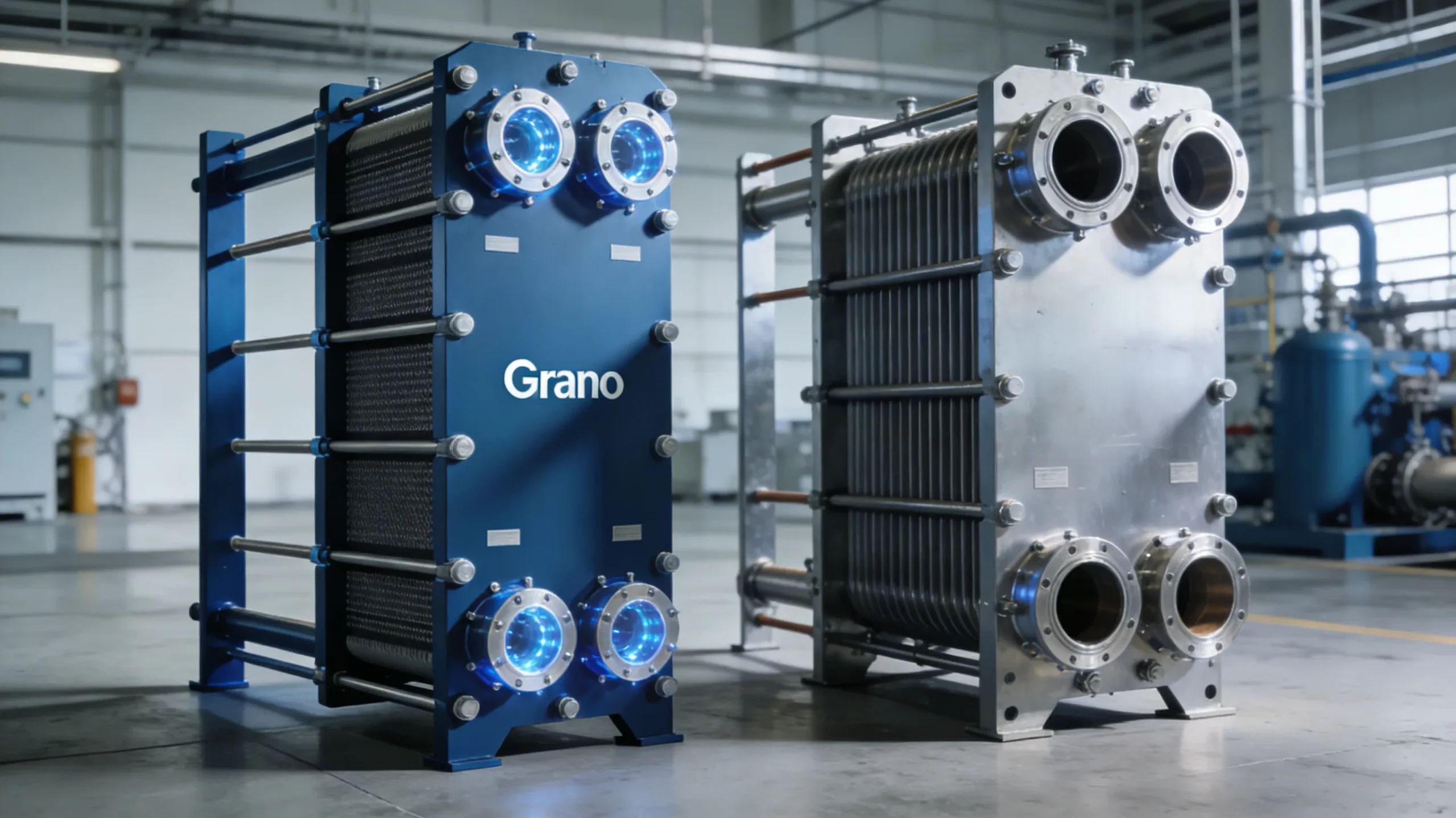
На протяжении более ста лет теплообменник Shell and Tube был гигантом на мировой промышленной сцене. От крупных нефтеперерабатывающих заводов до гигантских электростанций эти толстые металлические цилиндры определяют, как мы управляем теплом. Однако последние двадцать лет привели к огромному изменению в том, как мы думаем об энергии. По мере роста цен на электроэнергию и топливо, целей углеродного следа становятся жизненно важными для успеха бизнеса, а площадь фабричного пола становится все более жесткой, пластинный теплообменник (PHE) усилился. Это не просто простая альтернатива; Это огромный скачок вперед в современных технологиях.
В ГраноМы наблюдали, как эти изменения происходят в режиме реального времени. Переход от громоздких, старомодных машин к высокопроизводительным системам пластин - это больше, чем просто приобретение нового оборудования - это умный, стратегический шаг, чтобы сделать всю вашу операцию лучше, быстрее и дешевле.
Понимание исторического доминирования Shell and Tube
Прежде чем погрузиться в новую технологию, полезно понять, почему старые блоки были такими распространенными. Они были жесткими и простыми. Однако эта старошкольная простота часто сопровождается огромной скрытой стоимостью: пустой тратой энергии и пустой тратой пространства. В мире, где каждый цент и каждый квадратный дюйм считаются, “ старый путь” делать вещи быстро становится дорогостоящей ответственностью для современных компаний. Многие руководители заводов обнаруживают, что их старое оборудование просто слишком голодно к энергии.
Первый раунд: Тепловая эффективность - революция K-значения
Самый простой способ измерить любой теплообменник - это посмотреть на его общий коэффициент теплопередачи, который эксперты называют K-значением. Именно здесь пластинный теплообменник дает свою первую крупную победу. Проще говоря, чем выше K-значение, тем лучше машина выполняет свою работу.
Проблема ламинарного потока в старых системах
В традиционной установке оболочки и трубки жидкость часто перемещается в “ ламинарный” путь - по существу путешествует по прямым, гладким линиям. Хотя плавный поток звучит хорошо, он на самом деле довольно плохо для перемещения тепла. Создает “ мертвые зоны” Где жидкость просто сидит и ничего не делает. Из-за этих застоящих карманов и обходящих потоков тепло не может быстро перемещаться с одной стороны на другую. Это приводит к типичным K-значениям, которые обычно остаются между 1000 и 2000 Вт/м²К.
Почему турбулентность является секретом успеха
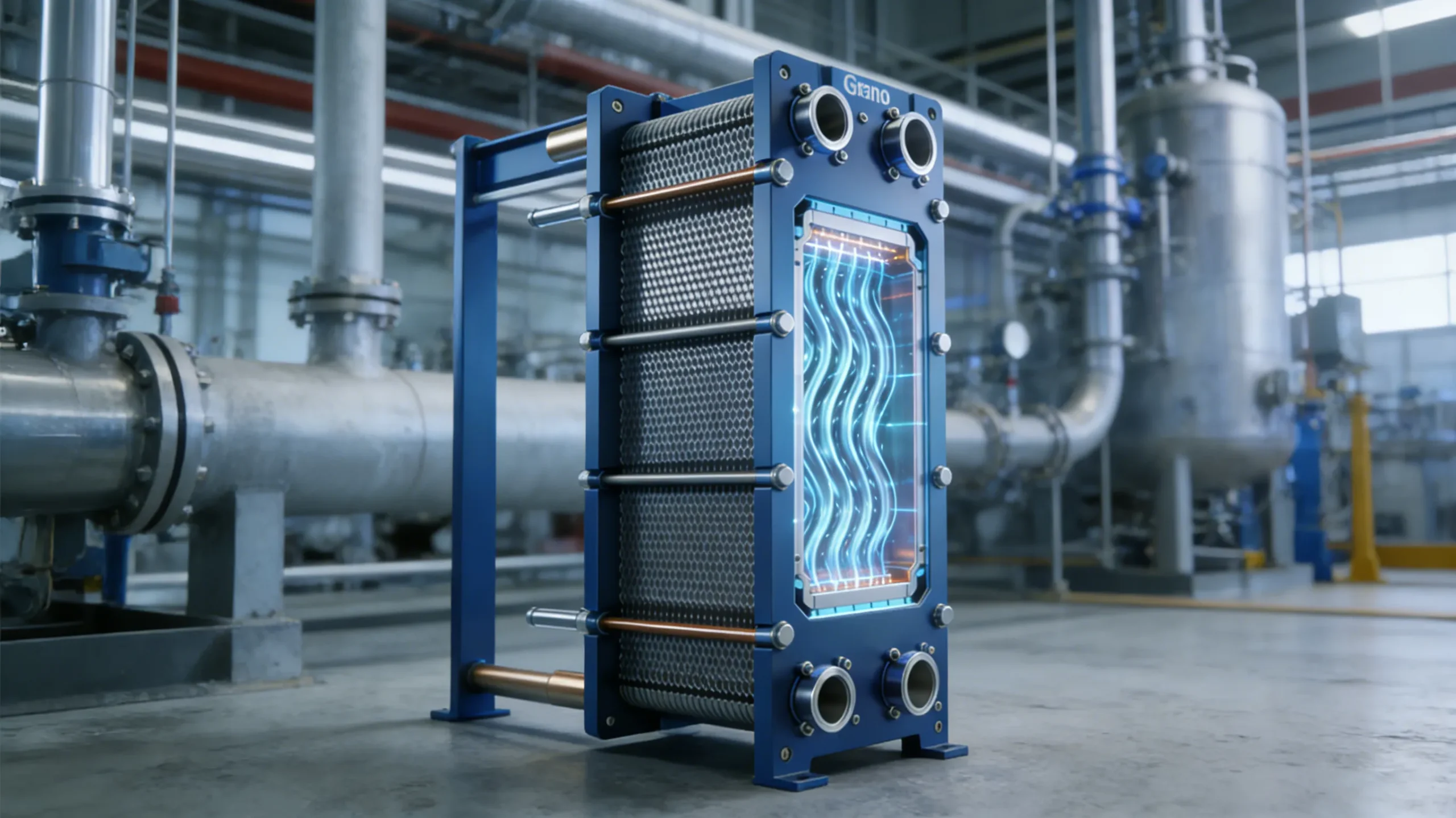
С другой стороны, Грано Пластинный теплообменник использует очень тонкие, волнистые металлические пластины. Эти волны предназначены для того, чтобы заставить жидкость крутиться и сильно падать, что мы называем “ турбулентность. ” Даже когда жидкость движется медленно, это вращающееся действие разрушает невидимые стены, которые блокируют тепло. Благодаря этому постоянному смешиванию эти машины достигают K-значений от 4000 до 7000 Вт/м²К.
Вердикт: Пластинный теплообменник обычно в 3-5 раз более эффективен при перемещении тепла, чем корпус и трубка, которые занимают такое же количество места. Это означает, что вы получаете гораздо больше работы с гораздо меньшей машиной, экономяя как время, так и деньги.
Раунд 2: Подход к температуре и глубокое восстановление тепла
В мире науки и тепла “ Закрыть температурный подход” Это как золотая медаль энергосбережения. Этот термин описывает разницу температуры между входящей горячей жидкостью и выходящей холодной жидкостью. Чем ближе эти цифры, тем более эффективна машина.
Ограничения конструкций перекрестного потока
Старый стиль Shell и Tube блоки застряли из-за того, как они построены. Поскольку жидкости пересекаются друг с другом под нечеткими углами и протекают вокруг внутренних частей, они обычно не могут приблизиться к температуре, превышающей 5-10 ° C. Для многих заводов этот 5-градусный разрыв представляет “ потерянный” тепло, которое просто плывет в воздух, не делая никакой работы. Это по сути бросает топливо в ветер.
Достижение одностепенного чуда
Пластинный теплообменник Grano построен с “ истинный контрток” поток. Это означает, что две жидкости идеально проходят мимо друг друга в противоположных направлениях на всю длину пластины. Благодаря этой умной конструкции мы можем достичь удивительно тесного температурного разрыва всего в 1 ° C.
Почему восстановление энергии равно чистой прибыли
Почему владелец бизнеса должен заботиться о нескольких градусах? В системах, которые пытаются поймать “ отходы тепла” Для повторного использования, разрыв в 1 ° C означает, что вы захватываете до 20% больше энергии, чем когда-либо могли старые машины. Вместо того, чтобы сжигать больше угля или газа для нагрева воды, вы используете тепло, за которое уже заплатили. Это изменение превращает простой элемент аппаратного обеспечения в инструмент, который создает ежедневную прибыль для вашего объекта.
Третий раунд: Отпечат - восстановление фабричного пола
Космос - одна из самых дорогих вещей на любой фабрике. Это особенно верно на нефтяных платформах в середине океана, на больших судах или внутри небольших судоходных контейнеров, используемых для модульной энергетики. Когда у вас кончается пространство, вам часто приходится строить дорогие новые здания.
Сравнение массивной стали с умным дизайном
Разница в размерах между этими двумя типами технологий, честно говоря, трудно поверить, пока вы не увидите ее лично. А Обменник оболочки и трубки Естественно он гигантский и тяжелый. Но есть скрытая проблема: вам нужен огромный “ трубка-тягая” район. Если вы хотите исправить или очистить его, вы должны оставить перед ним пустое пространство, которое в два раза длиннее самой машины. Это много пустого, упущенного пола, которое не может быть использовано для ничего другого.
Маленький след Грано
Потому что пластины настолько хороши в перемещении тепла, мы не’ т нужно много поверхности, чтобы сделать работу. Система пластин Grano обычно занимает только 1/5 площади пола и весит около 1/10 старого стиля. Это облегчает размещение в существующих комнатах или переполненных подвалах.
Снижение общих расходов на строительство
Когда вы выбираете небольшую, легкую систему от Grano, вы не’ Просто экономите пространство. Вы также экономите деньги на толстых бетонных полах и тяжелых металлических опорах, которые требуют большие машины. Это делает всё здание дешевле построить и намного проще организовать.
Раунд 4: Масштабируемость и “ Будущее доказательство” Фабрика
Надеюсь, ваш бизнес будет расти. Но по мере роста производства ваши потребности в охлаждении и отоплении также изменятся. Именно здесь два типа машин показывают свои истинные цвета. Гибкость является ключом к меняющемуся рынку.
В “ Установлено в Stone” Проблема
С помощью машины Shell and Tube количество металла, доступного для перемещения тепла, сваряется закрыто. Это постоянно. Если ваш завод растет, и вам внезапно нужно на 20% больше охлаждающей мощности, то эта старая машина часто бесполезна. Вы должны выбросить его, купить новый, и сменить все свои трубы. Это огромная трата денег и ресурсов.
Модульная свобода пластинных систем
Пластинные теплообменники Grano построены как колода карт. Рамка содержит “ пакет” Пластины, которые можно изменить в любое время. Если вам нужно больше энергии в следующем году, вы просто открутите большие болты, скользите в еще несколько пластин и затяжите его снова. Эта модульность является огромным преимуществом для растущих компаний.
Адаптация к изменениям на рынке
Эта гибкость означает, что ваша тепловая система растет вместе с вашей компанией. Вы не’ t нужно угадать, насколько большой будет ваш завод через десять лет; Вы можете просто купить то, что вам нужно сейчас и добавить еще позже. Это защищает вашу первоначальную инвестицию и дает вам спокойствие, что вы выиграли’ t застрять с небольшой машиной.
Раунд 5: Разрыв “ Просто заблокировать” Легенда
Есть очень старая история, которую люди до сих пор рассказывают на фабриках: “ Пластинные теплообменники легко забираются, и только старые оболочки могут обрабатывать грязную воду. ” Хотя это могло быть правдой сорок лет назад, современная инженерия изменила игру.
Правда о самочистке
Давайте посмотрим на реальную науку. Интенсивное вращение и крушение (турбулентность) внутри пластин Grano на самом деле помогает держать машину чистой. Эта движущаяся вода действует как щетка, постоянно мывая крошечные куски грязи и масштабов, которые обычно осаждаются в “ тихое” углы старой оболочки и трубки машины. Более высокая скорость позволяет частицам двигаться вместо того, чтобы они застряли.
Инновации для самых сложных работ
Но что, если ваша вода действительно очень грязная? Для работ, связанных с деревянными кусками, волосами или большими зернами грязи, Grano предлагает технологию Wide-Gap (Free-Flow) Plate. Эти пластины построены с чрезвычайно широкими путями, так что большие частицы могут плавать прямо через них, не застрягая. Старая идея, что “ пластины могут’ t обрабатывать грязную воду” Это просто больше не правда. У нас есть конструкции специально для самых беспорядочных промышленных жидкостей.
Вывод: Выбор современного стандарта
Верно, что машины Shell и Tube по-прежнему играют небольшую роль в экстремальных ситуациях, например, когда давление невероятно высоко или температура превышает 500 ° C. Однако практически для каждой другой обычной промышленной работы пластинный теплообменник является явным победителем.
От своей удивительной способности экономить энергию и деньги (ROI) до крошечного, гибкого дизайна, PHE является сердцем современной, зеленой фабрики. Если вы все еще используете тяжелый, неудобный “ антикварный” Система, вы, вероятно, оставляете деньги на столе каждый день. Модернизация вашего теплового оборудования является одним из самых быстрых способов улучшить ваш завод’ S производительность.
Хотите, чтобы Grano помог вам проверить вашу текущую систему? Достигнуть Для нас сегодня. Мы можем показать вам точно, сколько пространства и энергии вы можете сэкономить, переходя на современную компактную систему пластин. Наша команда готова помочь вам перейти на более эффективное будущее.
Часто задаваемые вопросы
В: Труднее ли очистить пластинный теплообменник по сравнению со старым корпусом и трубкой?
А: На самом деле, это намного проще! Чтобы очистить старую оболочку и трубку, часто нужен гигантский кран, чтобы вытащить тяжелые внутренние части, что занимает много времени и много рабочих. С помощью системы пластин Grano один или два работника могут просто открутить болты и очистить пластины прямо там, где они стоят. Вы можете увидеть каждый дюйм поверхности теплопередачи, что делает очистку гораздо более тщательной. Это быстрее, безопаснее и гораздо дешевле для вашего бюджета обслуживания.
В: Могут ли эти системы пластин справляться с высоким давлением без утечки?
А: Да, они определенно могут. Многие люди думают, что пластины предназначены только для низкого давления, но современные конструкции Grano могут легко обрабатывать до 25-30 бар. Если у вас есть еще более высокие потребности в давлении, у нас есть специальные “ полусваренный” или полностью сварные версии, которые предлагают прочность трубной машины с высокой эффективностью пластинной машины. Мы всегда проверяем наши устройства, чтобы убедиться, что они безопасны и надежны для ваших конкретных потребностей.
В: Как долго пластинный теплообменник Grano действительно продлится на жесткой фабрике?
Ответ: Тяжелый металлический каркас построен для того, чтобы быть чрезвычайно прочным и может длиться много десятилетий. Единственные части, которые “ носить” это резиновые уплотнения, которые уплотняют пластины вместе. Они обычно длится от 5 до 10 лет в зависимости от того, насколько горяча жидкость и какие химические вещества внутри. Замена этих уплотнений очень проста и заставляет всю машину работать так, будто она снова совершенно новая, что намного дешевле, чем покупка совершенно нового блока. Это долгосрочное решение для любого промышленного объекта.


