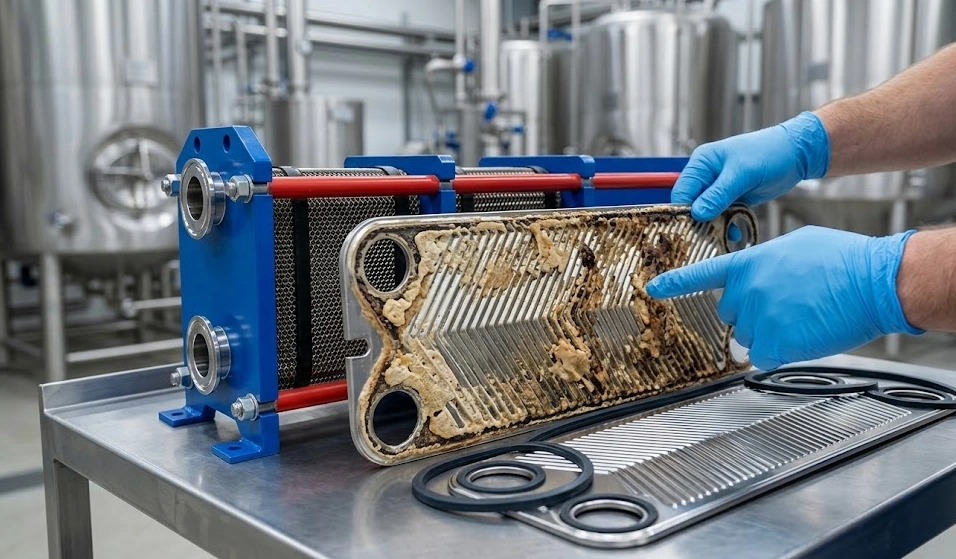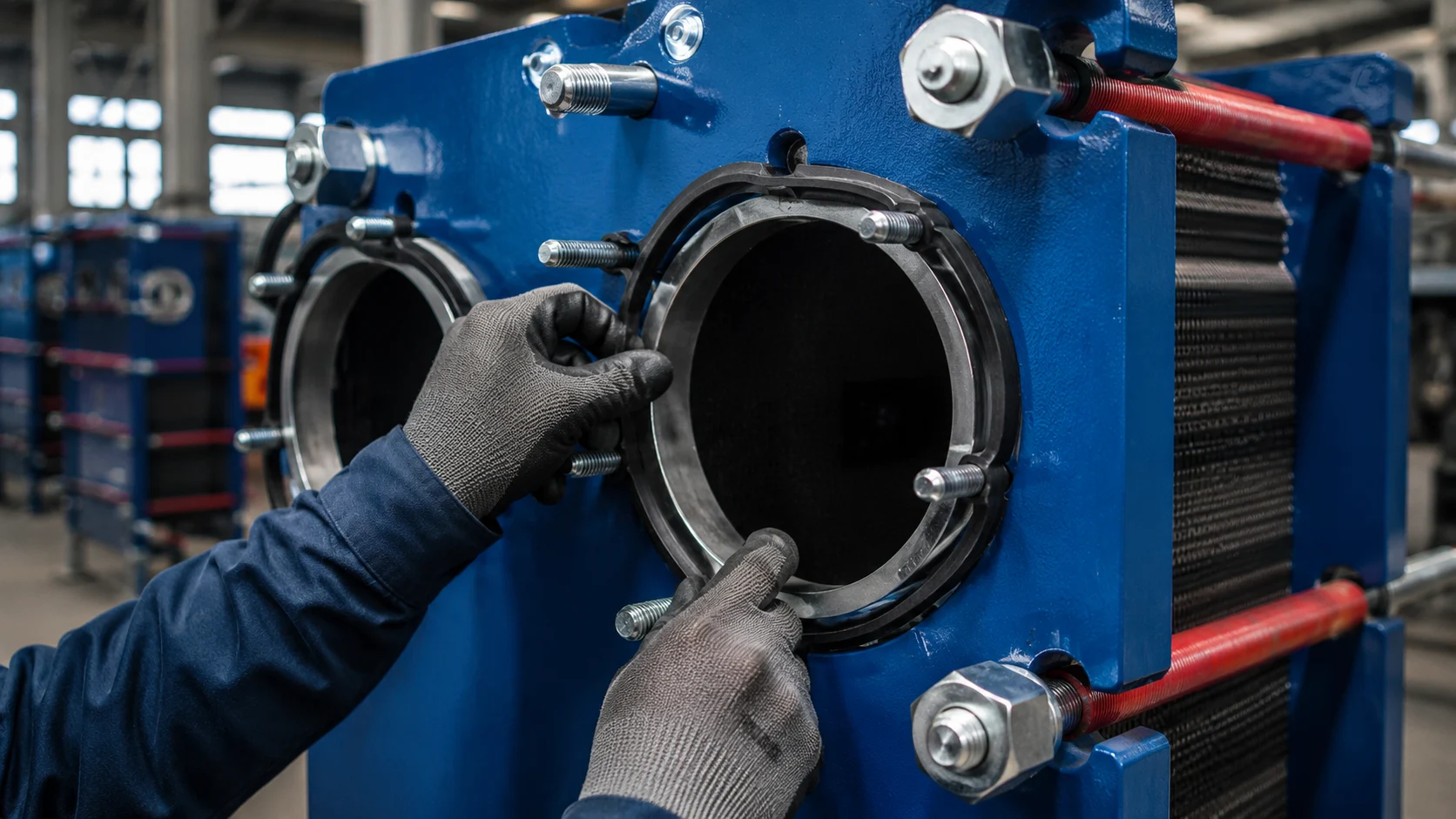

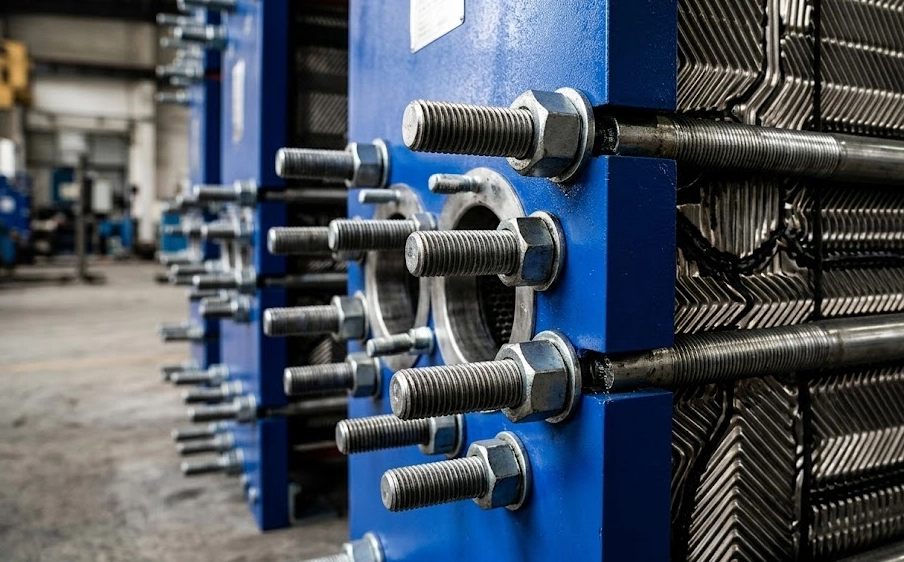
Menangani kerusakan peralatan mendadak di lantai pabrik adalah mimpi buruk. Mendapatkan komponen pengganti yang andal dengan cepat menjadi satu-satunya hal yang penting. Untuk fasilitas yang menjalankan jaringan industri berat, Bulir Tampil sebagai pemasok yang benar-benar mumpuni.
Perusahaan kami mulai beroperasi pada Januari 2015 dan berfokus pada unit penukar panas yang dapat dilepas, suku cadang, dan gasket penyegel. Jika kru pemeliharaan lokal kurang terlatih untuk memperbaiki blok yang kompleks, Anda dapat memanfaatkan layanan pemeliharaan mereka yang berperingkat tinggi. Mendapatkan komponen yang tepat selama penghentian darurat jauh lebih cepat daripada menunggu pengiriman dari luar negeri. Siapa pun yang ingin tahu tentang kita latar belakang teknis Anda dapat menelusuri situs resmi kami.
Lokasi Bencana Akibat Perkumpulan yang Tidak Tepat
Pekerjaan perawatan industri jarang sekali bersih. Setelah menghabiskan enam jam membersihkan endapan bahan kimia dari puluhan komponen logam, seorang teknisi yang lelah biasanya hanya ingin menyelesaikan shift kerjanya. Mereka menatap tumpukan besar lembaran bergelombang dan secara naluriah menyusunnya sehingga pola alur saling menempel rapat. Menata lembaran-lembaran itu rapat satu sama lain terasa seperti pilihan paling cerdas untuk menghemat ruang dan menciptakan segel yang rapat. Susunan yang saling menempel itu sebenarnya menyembunyikan cacat struktural yang fatal.
Apa yang Terjadi Selama Uji Tekanan
Ketika operator menekan tombol mulai, fluida mengenai dinding logam padat. Karena saluran aliran internal sepenuhnya terhalang oleh logam yang saling bertumpuk, Penukar Panas Pelat tidak dapat berfungsi. Di bawah tekanan awal yang sangat besar, lembaran logam tipis ini langsung melengkung ke dalam. Seluruh paket tertekan dengan hebat dan geometri internalnya rusak total. Kesalahan pada langkah ini akan sepenuhnya merusak peralatan. Seseorang kemudian harus memesan seluruh rangkaian suku cadang baru yang mahal.
Kesalahpahaman Umum tentang Menumpuk Baki
Mengapa kesalahan spesifik ini terjadi berulang kali? Pada dasarnya, ini bermuara pada intuisi manusia normal. Ketika orang menumpuk nampan makanan plastik di kantin, mereka menumpuknya satu sama lain sehingga tumpukan tersebut membutuhkan ruang vertikal yang lebih sedikit. Para pekerja secara keliru menerapkan logika sehari-hari yang sama persis ini pada peralatan industri yang kompleks. Ini adalah jebakan yang mudah untuk dihindari jika Anda tidak memiliki pelatihan formal.
Perbedaan antara Pelat A dan Pelat B
Sistem penukar panas industri membagi komponennya secara ketat menjadi pelat A dan pelat B. Selama proses pemasangan, pelat AB harus disusun menyilang. Jika seseorang menyusunnya dalam urutan AA atau BB, peralatan akan gagal karena pengaturan tersebut merusak jalur aliran internal. Pelat-pelat ini berfungsi sebagai komponen struktural penting yang mutlak perlu berinteraksi satu sama lain untuk mengelola beban fluida yang berat dengan aman. Melewatkan pemeriksaan visual ini adalah cara tercepat untuk merusak unit yang masih berfungsi dengan baik.
Kebenaran Mekanis di Balik Titik-Titik Penopang
Prinsip fisika yang terjadi di dalam kerangka logam berat itu sangat menarik. Lembaran logam itu sendiri sangat tipis, namun secara rutin mampu menahan tekanan kerja yang sangat besar tanpa pecah. Kekuatan fisiknya sepenuhnya berasal dari cara cerdas tonjolan dan lekukan saling menekan setelah seluruh blok dirakit sepenuhnya dan dikencangkan dengan kuat.
Membangun Kerangka Tiga Dimensi
Karena komponen dipasang terbalik, ribuan kontak logam kecil yang terbentuk oleh lekukan silang menjadi tersusun secara berselang-seling dan terdistribusi merata. Ketika teknisi mengencangkan baut penjepit yang berat secara simetris, persimpangan kecil ini saling menekan dengan kuat untuk membentuk saluran aliran sarang lebah yang sangat kaku. Tanpa pola persilangan ini, tidak ada dukungan internal sama sekali, dan tekanan fluida akan langsung meratakan logam tipis tersebut. Anda akan mendapatkan kekuatan yang lebih besar jika beralih ke... penukar panas pelat yang disolder, yang secara permanen menyatukan komponen-komponen tersebut menjadi struktur kompak yang mampu menahan tekanan hingga 40MPa dengan mudah.
|
Jenis Peralatan |
Tekanan Kerja Maksimum |
Suhu Operasi Maksimum |
|
Penukar panas pelat |
25 MPa |
200°C |
|
Penukar panas yang disolder |
40 MPa |
300°C |
|
Penukar panas cangkang dan tabung |
50 MPa |
400°C |
Kebenaran Termal tentang Gangguan Fluida
Saluran aliran berbentuk sarang lebah itu melakukan lebih dari sekadar memberikan kekuatan fisik. Pada dasarnya, itu adalah rahasia utama untuk mengekstrak kinerja termal maksimum dari fluida panas dan dingin yang melewati sistem. Geometri susunan melintang secara fisik memaksa cairan untuk berperilaku kacau. Anda sebenarnya menginginkan aliran yang berantakan ini untuk pertukaran energi maksimum.
Menghancurkan Lapisan Batas Termal
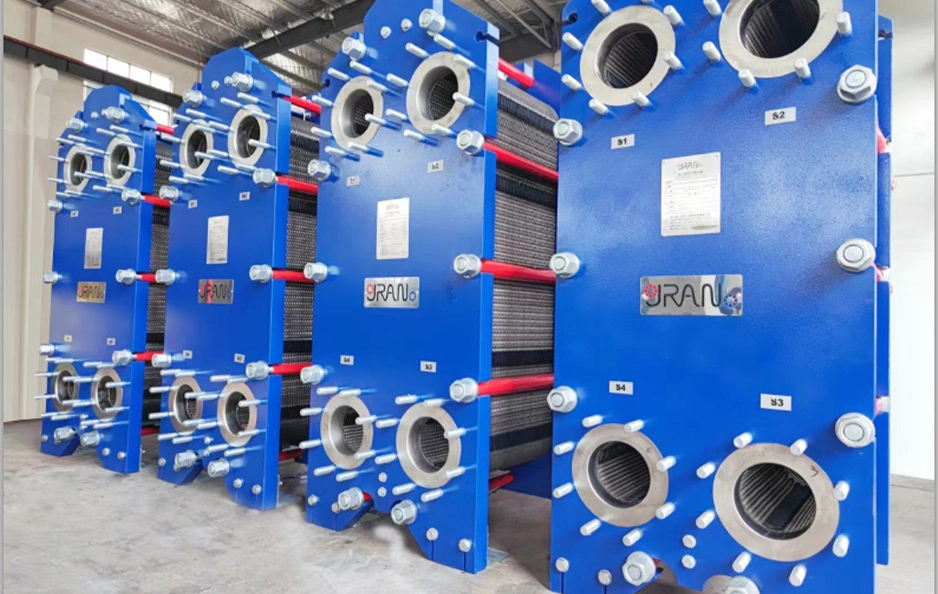
Setiap kali cairan mengalir dengan lancar di atas permukaan logam yang datar, lapisan air yang sangat tipis dan hampir tidak bergerak akan menempel langsung pada logam tersebut. Lapisan mikroskopis ini bertindak persis seperti selimut isolasi, yang sangat mengurangi efisiensi perpindahan panas. Di dalam rakitan yang benar, Penukar Panas Pelat, Cairan tersebut dipaksa mengalir dengan agresif di sekitar kontak yang berselang-seling tersebut, menghasilkan gangguan fisik yang sangat kuat. Aksi pengoyakan terus-menerus ini memaksa media panas dan dingin untuk berinteraksi sepenuhnya dengan logam telanjang.
Prosedur Pembersihan dan Perawatan yang Tepat
Karena saluran aliran internalnya sangat sempit, saluran tersebut sangat rentan tersumbat seiring waktu. Kalsium, magnesium, dan karbonat yang terdapat dalam air fasilitas normal akan terurai setelah dipanaskan. Pada akhirnya, zat-zat tersebut membentuk lapisan kerak keras seperti batu langsung pada logam. Melakukan perawatan rutin sangat penting jika suatu fasilitas ingin mencegah tagihan energi bulanannya melonjak.
Menghilangkan Kerak Keras sebelum Perakitan Kembali
Melakukan pencucian asam baunya sangat menyengat dan membutuhkan waktu beberapa jam untuk berdiri, tetapi melewatkannya bukanlah pilihan. Larutan asam industri mudah bereaksi dengan kerak kalsium, magnesium, dan karbonat yang membandel. Setelah bagian-bagian logam benar-benar bersih, kru harus dengan hati-hati memasang kembali semuanya menggunakan gasket karet yang tepat. Memilih bahan karet yang tepat berdasarkan suhu sistem dan cairan spesifik sangat penting. Karet nitril sangat cocok untuk aplikasi oli, sedangkan EPDM menangani uap super panas dengan sempurna.
|
Kode Material |
Bahan Gasket |
Kisaran Suhu Operasional |
Media yang Paling Sesuai |
|
N |
Karet nitril |
-30°C hingga 120°C |
Minyak mineral, minyak hewani, minyak alifatik |
|
DAN |
Karet EPDM |
-54°C hingga 150°C |
Air, uap air, air superpanas |
|
F |
Fluorin |
-29°C hingga 220°C |
Minyak, produk berbasis petroleum, asam, alkali |
Kesimpulan tentang Pemasangan yang Benar
Menangani pekerjaan perakitan yang benar jauh lebih dari sekadar memasang bagian-bagian logam mengkilap secara acak ke dalam rangka baja yang berat. Seorang teknisi tidak bisa hanya menebak susunannya dan berharap yang terbaik saat mengencangkan baut.
Melindungi Investasi Peralatan Anda
Ketika suatu fasilitas mengaktifkan kembali unit yang telah diperbaiki, pengecekan ulang susunannya adalah hal yang mutlak. Sebelum membongkar unit, ukur terlebih dahulu panjang kompresi bundel pelat dan catat angka tersebut pada papan klip. Bundel pelat harus selalu dikompresi sedikit lebih rapat daripada ukuran aslinya saat dipasang kembali. Bagian-bagian individual harus dirakit persis sesuai dengan gambar desain kombinasi proses. Meluangkan waktu ekstra untuk melakukan pekerjaan dengan benar dan memverifikasi arah pemasangan yang tepat mencegah hilangnya efisiensi pertukaran panas secara besar-besaran.
Pertanyaan yang Sering Diajukan (FAQ)
Q1: Apa penyebab utama penurunan tekanan pada unit-unit ini?
A: Peningkatan penurunan tekanan secara bertahap biasanya disebabkan oleh media yang tidak bersih atau terlalu banyak partikel dan kotoran dalam pasokan air. Kotoran ini menghalangi saluran aliran atau menyebabkan kerak tebal langsung pada logam.
Q2: Bagaimana cara menghilangkan kerak keras dari permukaan logam dengan aman?
A: Larutan asam sangat efektif karena mudah bereaksi dengan kalsium, magnesium, dan kerak karbonat untuk membentuk senyawa yang larut. Ini membersihkan penyumbatan yang membandel tanpa merusak pelat inti.
Q3: Mengapa tekanan sisi sekunder tiba-tiba berubah?
A: Jika tekanan pada sisi sekunder meningkat atau menurun secara sinkron, biasanya ini menunjukkan pencampuran media. Penyebab paling umum dari situasi berbahaya ini adalah lapisan logam telah mengalami korosi dan perforasi.
Q4: Apa penyebab kebocoran eksternal setelah penggantian gasket?
A: Kebocoran sering terjadi jika baut penjepit tidak dikencangkan secara merata di seluruh rangka. Hal ini juga dapat terjadi jika gasket penyegel baru ditekan tidak tepat di tengah atau memiliki ketebalan yang tidak merata.
Q5: Apakah aman menggunakan alat logam untuk melepaskan plester perekat lama?
A: Sebaiknya Anda menghindari penggunaan metode pengikis logam untuk melepaskan strip tersebut agar tidak menggores permukaan logam yang sensitif. Metode pendinginan dengan nitrogen cair dapat digunakan untuk mengubah bentuk strip karet sehingga mudah disobek.