
Los gerentes de planta detestan las fallas repentinas de los equipos. Cuando un intercambiador de calor de placas principal se avería durante las horas pico, todo el circuito de refrigeración se detiene por completo. Reparar una sala de máquinas inundada cuesta mucho dinero y arruina el cronograma de producción diario. Adquirir hardware térmico rigurosamente probado evita estos enormes problemas incluso antes de que el equipo salga de la fábrica.
Fundada en 2015, Grano Operamos como un fabricante líder de intercambiadores de calor, con la estricta certificación de calidad ISO9001:2015. Nuestras instalaciones se especializan en placas de alta resistencia, juntas duraderas y sistemas térmicos completos diseñados para soportar las condiciones más exigentes del día a día. Contar con un experto dedicado para la fabricación y prueba de sus equipos garantiza que sus instalaciones funcionen a baja temperatura incluso bajo presión extrema.
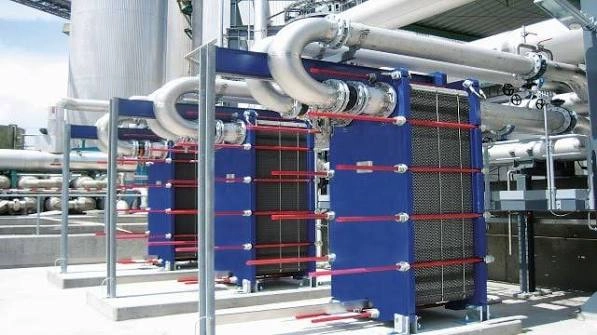
Intercambiador de calor de placas, bomba de agua y válvulas de retención.
La construcción de un sistema de refrigeración fiable comienza con la alineación perfecta de los componentes principales en el bastidor base. Los operarios de fábrica deben verificar primero los aspectos mecánicos básicos.
Verificación de los componentes principales de transferencia de calor
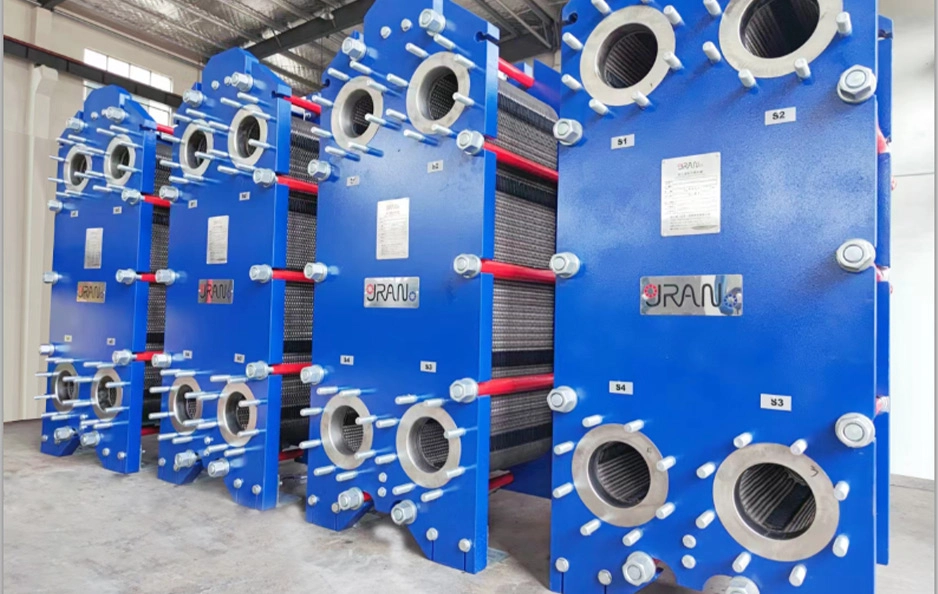
El bloque térmico central realiza el trabajo pesado. Los técnicos miden los pernos de sujeción para confirmar que estén apretados simétricamente, manteniendo las láminas metálicas internas totalmente paralelas. Una alta calidad Intercambiador de calor de placas Debe ensamblarse con acero inoxidable de primera calidad o aleación de titanio. Los pernos irregulares aplastan las pistas de sellado y provocan fugas repentinas posteriormente.
Evaluación del caudal y la presión de la bomba de agua
Las bombas mueven el fluido, y su rendimiento real debe coincidir con las curvas de ingeniería. Los técnicos conectan alimentación temporal para confirmar que la bomba alcanza la presión de descarga exacta requerida para la configuración específica de la tubería. Una bomba débil impide que las placas térmicas reciban suficiente fluido frío.
Calibración del control y la capacidad de respuesta de las válvulas
Las válvulas motorizadas regulan el caudal en función de las cargas térmicas. Si un actuador se atasca a medio abrir, la regulación de la temperatura falla por completo. Los técnicos accionan estas válvulas repetidamente, observando si hay movimientos mecánicos bruscos o atascos.
Exámenes de juntas de soldadura e interfaces de tuberías
Para unir todos estos componentes pesados se requieren conexiones de tuberías impecables. Una soldadura defectuosa acaba por agrietarse debido a la vibración constante del fluido a alta velocidad.
Ensayos no destructivos de uniones soldadas
Las inspecciones visuales nunca son suficientes para un sistema presurizado. Los inspectores de calidad utilizan líquidos penetrantes o equipos ultrasónicos para detectar grietas microscópicas ocultas en el interior de las soldaduras. Detectar una junta débil en el taller evita una rotura catastrófica de la tubería en la planta de producción.
Alineación de bridas y verificación de par
Las bridas de las tuberías deben quedar perfectamente planas entre sí. Forzar bridas desalineadas apretando pernos pesados genera una tensión permanente en el metal. Los técnicos verifican la alineación paralela y utilizan una llave dinamométrica calibrada para apretar los pernos de forma segura.
Recubrimiento anticorrosión e inspección de superficies
Los entornos industriales corroen rápidamente el acero al carbono en bruto. Las partes estructurales expuestas reciben tratamientos anticorrosión intensivos, y las superficies de sellado de las bridas se protegen con una grasa espesa. La capa final de pintura debe ser totalmente uniforme, sin descamación ni burbujas.
Procedimientos de prueba de presión y detección de fugas
Siempre es mejor encontrar una pequeña fuga en una fábrica limpia que encontrarla en un sótano oscuro.
Pruebas de mantenimiento de presión hidráulica
Los técnicos obstruyen el tubo de entrada inferior, llenan el canal con agua y conectan un manómetro. Una bomba de prueba aumenta la presión interna, y la unidad debe mantenerla completamente estable durante 30 minutos. Si la aguja permanece fija sin descender, se conectan las tuberías exteriores.
Métodos de identificación de microfugas
Mientras el sistema está sometido a una gran presión, los inspectores recorren la estructura con linternas. Revisan cada riel de goma y cada rosca de las tuberías. A veces, una fuga se ve simplemente como una pequeña gota de sudor que se forma sobre el metal frío.
Integridad de la junta y comprobación de la compresión
Las almohadillas de goma colocadas alrededor de las láminas metálicas crean los canales de fluido. Al pegar estas tiras en las ranuras, no debe haber ninguna deformación ni torsión.
| Material de la junta | Rango de temperatura de funcionamiento | Aspectos destacados de la aplicación |
|---|---|---|
| NBR (caucho de nitrilo) | -20°C a 135°C | Resistente al aceite, condiciones de trabajo generales |
| Caucho EPDM | -50°C a 180°C | Resistente a ácidos, álcalis, sales y cloruros. |
| Caucho fluorado | -50°C a 250°C | Alta temperatura, ácidos fuertes, reactivos específicos |
| caucho de silicona | -65°C a 230°C | Resistencia a bajas temperaturas y al calor seco |
Depuración de armarios de control eléctrico, sensores e instrumentos.
Las pesadas piezas metálicas no sirven de nada sin un cerebro que funcione. El armario de control determina cómo reacciona todo el sistema a las variaciones de la carga térmica.
Cableado del panel de control y comprobaciones de seguridad
Los electricistas tiran de los bloques de terminales para detectar cables sueltos. Una máquina vibratoria afloja fácilmente un cable defectuoso, interrumpiendo todo el circuito de refrigeración. La conexión a tierra se somete a pruebas exhaustivas para evitar descargas eléctricas a los operarios.
Calibración de sensores de temperatura y presión
Los sensores pueden presentar descalibraciones con el tiempo o venir con lecturas ligeramente erróneas de fábrica. Los técnicos comparan las sondas de fábrica con manómetros patrón calibrados. Si un sensor registra diez grados de más, todo el sistema funciona de forma errática.
Verificación automatizada de la respuesta del sistema
Los límites de seguridad se ponen a prueba deliberadamente. Los técnicos simulan un pico de alta presión o un evento de temperatura extrema para comprobar si el panel de control activa la alarma y apaga las bombas de forma segura.
Prueba completa de la máquina, embalaje y verificación del envío.
El último obstáculo se presenta justo antes de que el equipo sea cargado en el camión de transporte.
Simulación operativa del sistema completo
La energía y el agua fluyen por todo el módulo como si estuviera instalado en su planta. Esta prueba en vivo demuestra que las bombas, las válvulas y las placas de transferencia de calor se comunican correctamente entre sí sin interrupciones.
Monitorización de vibraciones y niveles de ruido
Si una bomba vibra ruidosamente o la estructura tiembla violentamente, hay algún problema mecánico. Los cojinetes podrían estar defectuosos o una tubería podría carecer de soporte adecuado. Todo debe funcionar de forma fluida y relativamente silenciosa.
Embalaje protector para un transporte seguro
Las cajas de embalaje de madera estándar cumplen estrictamente con las normas de exportación para evitar daños durante el transporte marítimo. Para artículos de alto valor que utilizan titanio o Hastelloy, materiales costosos, las cajas de aluminio reforzadas a medida ofrecen una protección superior durante el tránsito. Si el espacio en su sala de máquinas es muy limitado, una caja compacta... Intercambiador de calor de placas soldadas Se adapta mucho mejor que un bastidor grande atornillado para intercambiador de calor de placas.
| Especificación | Equipos de placas con juntas | Equipos para placas soldadas |
|---|---|---|
| Área máxima de intercambio de calor | Hasta 5000 metros cuadrados | Hasta 2500 metros cuadrados |
| Presión máxima de trabajo | 25 MPa | 40 MPa |
| Temperatura máxima de funcionamiento | 200°C | 300°C |
| Materiales básicos | Acero inoxidable, titanio, acero al carbono | Acero inoxidable, titanio, aleación de aluminio |
Colabora con unidades de transferencia de calor certificadas.
Adquirir equipos industriales de proveedores no verificados es una forma rápida de agotar el presupuesto de una planta en reparaciones constantes.
Estándares integrales de garantía de calidad
Necesitas un proveedor que gestione cuidadosamente la adquisición de materias primas, importando acero de primera calidad de China y compuestos de caucho importados. Un abastecimiento adecuado de materiales evita la corrosión prematura. Verificar una sólida formación en ingenieríaSi se examina detenidamente la página "Acerca de nosotros", se descubre una larga trayectoria en la resolución de problemas complejos relacionados con fluidos a nivel mundial.
Alcance global y capacidad de personalización
Los productos verificados operan actualmente a nivel mundial en Europa, América, Oriente Medio y el Sudeste Asiático. Mantienen los sistemas de refrigeración de centros de datos y las enormes plantas desalinizadoras de agua de mar funcionando a baja temperatura bajo presión.
Soporte técnico especializado para el mantenimiento posventa
El agua dura deteriora el metal con el tiempo. El calcio y el magnesio se descomponen y se adhieren a las superficies de calentamiento, formando una capa gruesa y dura como una roca. Cuando eso sucede, necesitas un Servicio El equipo está listo para realizar un lavado químico con ácido y reemplazar las piezas de goma desgastadas. Asegúrese de que su hardware esté probado correctamente desde el primer día y evite costosas reparaciones de emergencia. Necesita un intercambiador de calor de placas confiable para mantener una producción constante durante años.
Preguntas frecuentes
P1: ¿Qué hace necesaria la prueba de retención hidráulica de 30 minutos?
A: Los técnicos mantienen la presión del agua completamente constante durante 30 minutos para comprobar que las tiras de goma están perfectamente colocadas y que las láminas metálicas no tienen absolutamente ningún orificio microscópico.
P2: ¿Qué ocurre si los pernos de la brida no se aprietan de manera uniforme?
A: Un apriete desigual ejerce una tensión excesiva y desproporcionada sobre las tuberías metálicas y aplasta las superficies de sellado de un lado, lo que provoca una fuga repentina de fluido cuando las bombas aumentan su velocidad.
P3: ¿Cómo afecta la mala calidad del agua a un intercambiador de calor de placas con el paso del tiempo?
A: El agua ablandada sin tratar permite que el calcio y el magnesio precipiten al calentarse, formando una capa dura directamente sobre las paredes metálicas. Esto obstruye los estrechos conductos de flujo y perjudica la eficiencia térmica.